
Charles White
(1918–1979)


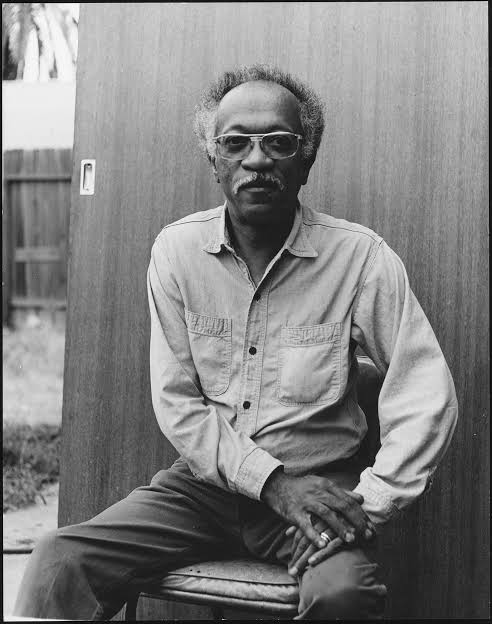
عن Charles White
Charles White (1918–1979) was a profoundly influential African American artist, printmaker, and teacher whose work stands among the most powerful expressions of social commitment in twentieth-century American art. Born in Chicago, White showed early artistic promise and went on to study at the School of the Art Institute of Chicago before continuing his training in New York at the Art Students League. From the outset, he was deeply engaged with the idea that art should serve a broader social purpose.
During the 1930s and 1940s, White participated in federal art programs and created a number of important murals across the United States. His work from this period reflects both his interest in public art and the influence of Mexican muralism, which he encountered through study in Mexico with artists associated with Diego Rivera and David Alfaro Siqueiros. These experiences shaped his approach to large-scale composition and his focus on heroic, monumental figures.
White’s art is best known for its deeply human portrayals of African American life. Using masterful draftsmanship, he created figures that are both idealized and emotionally resonant, often set against flattened or abstracted backgrounds that heighten their presence. Across painting, drawing, and printmaking, he remained committed to representing what he described as “images of dignity,” emphasizing resilience, strength, and collective history.
Over the course of his career, White lived and worked in Chicago, New York, and Los Angeles, becoming an important figure within each city’s cultural and intellectual communities. He was also a dedicated and influential teacher, mentoring generations of artists, including David Hammons and Kerry James Marshall. Through both his art and teaching, White helped shape a vision of socially engaged practice that continues to resonate today.