
Giulio Cesare Procaccini
(1974–1621)
Artworks by Giulio Cesare Procaccini

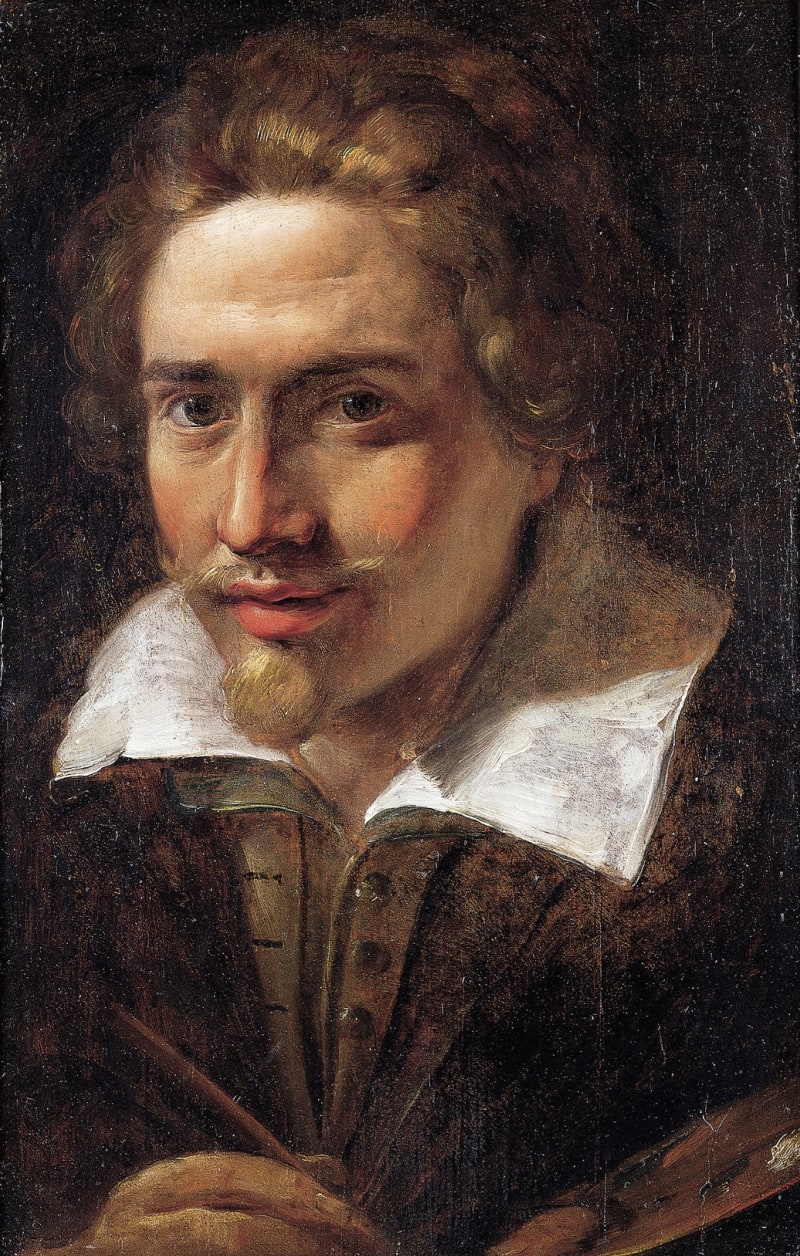
About Giulio Cesare Procaccini
Giulio Cesare Procaccini (1574–1625) was an Italian painter and sculptor active during the late Renaissance and early Baroque periods, known for his emotionally charged religious works and refined, sensuous style. Born in Bologna into a family of artists, he was the son of Ercole Procaccini the Elder and the brother of painters Camillo and Carlo Antonio Procaccini. Around 1587, the family relocated to Milan, where Giulio Cesare would spend most of his career and become one of the city’s leading artistic figures.
Procaccini initially trained as a sculptor, a background that informed his later painting with a strong sense of form and physical presence. By the early 1600s, he had turned primarily to painting, developing a distinctive style that blended Lombard naturalism with the elegance and dynamism of emerging Baroque tendencies. His work is characterized by fluid brushwork, and expressive, often theatrical compositions that emphasize spiritual intensity and human emotion.
He received numerous important commissions from religious institutions and aristocratic patrons, particularly in Milan, Genoa, and other northern Italian centers. Procaccini contributed to the decoration of churches during the Counter-Reformation, creating altarpieces and frescoes that aimed to inspire devotion through vivid narrative and emotional appeal.
Influenced by artists such as Antonio da Correggio and Federico Barocci, Procaccini helped bridge the gap between Mannerism and the Baroque in northern Italy. His ability to combine graceful figures with dramatic expression made him a key figure in the development of early Baroque painting.