
Marc Chagall
(1887–1985)
Artworks by Marc Chagall
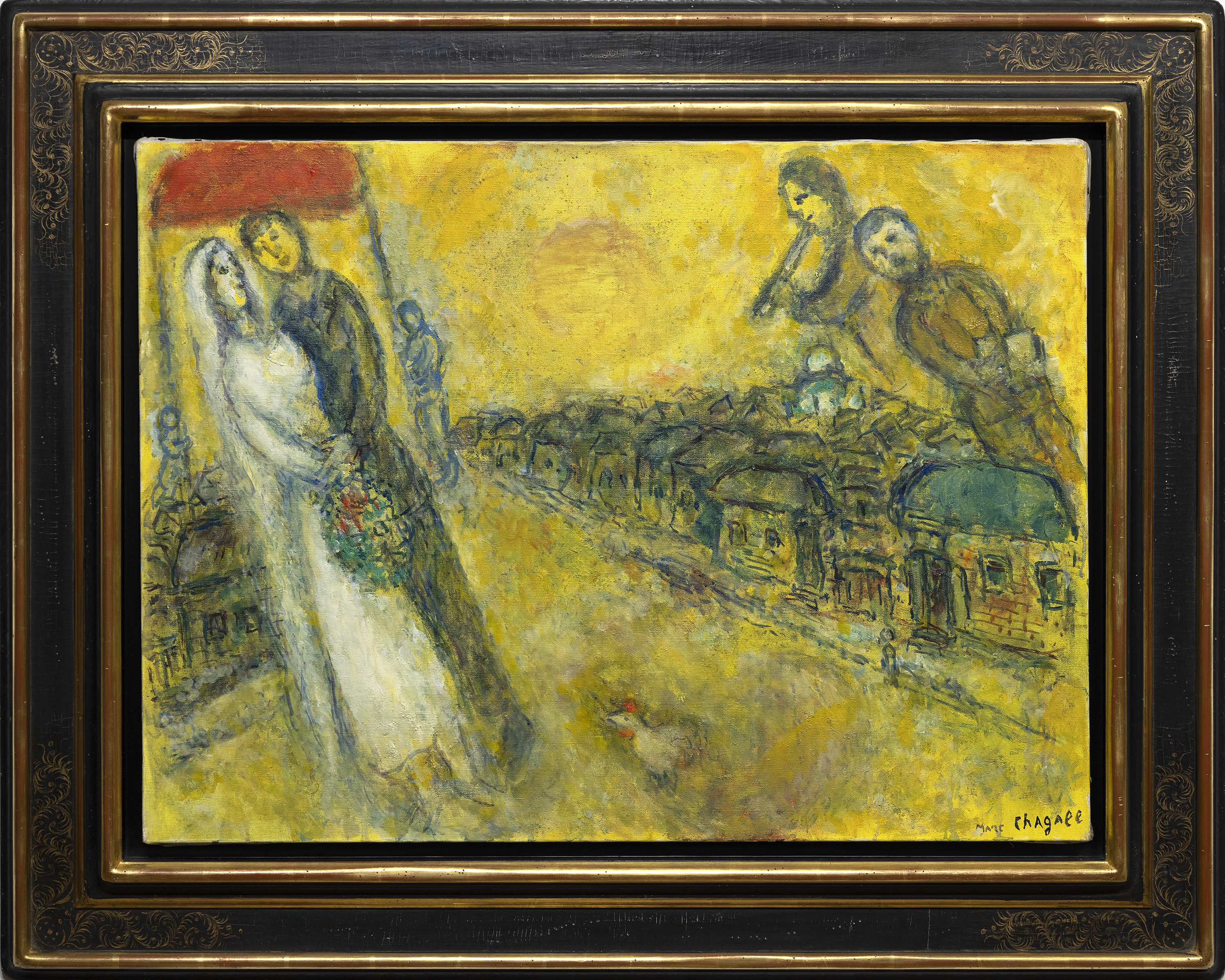
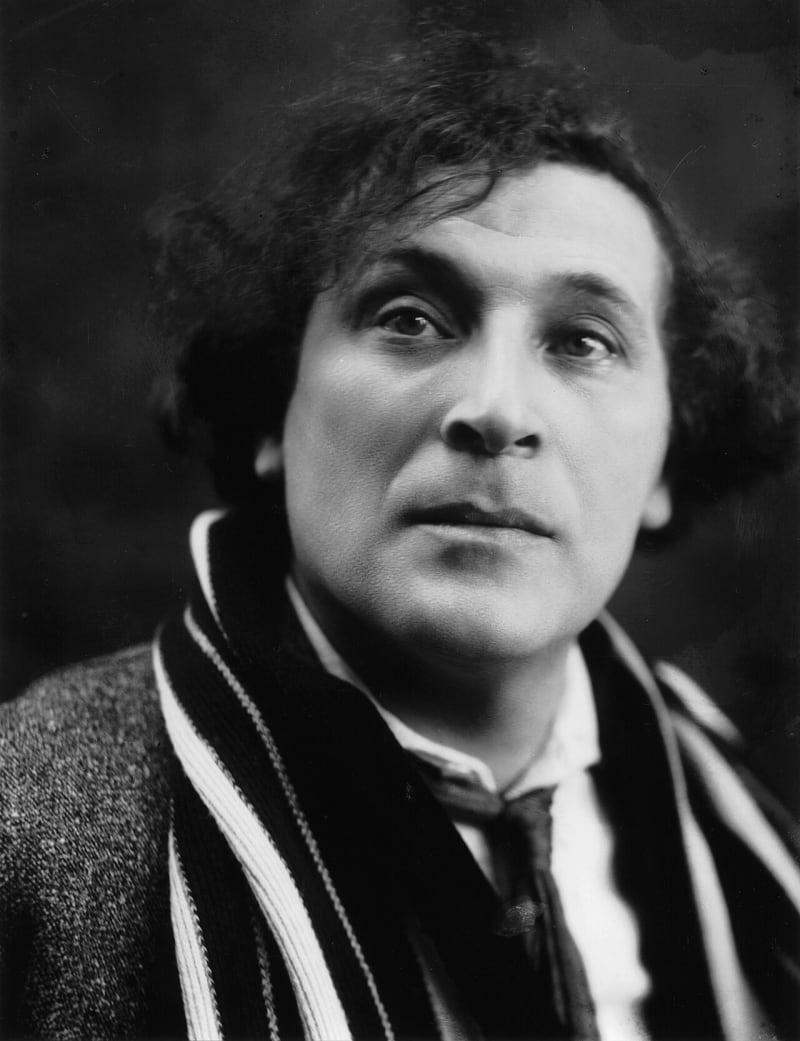
About Marc Chagall
Marc Chagall (1887–1985) was a pioneering modern artist whose deeply personal and imaginative work drew from a wide range of influences, including Cubism, Fauvism, and Symbolism. Born in Vitebsk, in present-day Belarus, into a Hasidic Jewish family, Chagall’s early life and cultural heritage remained central to his art throughout his career. His paintings often blend memory, folklore, religion, and dreamlike imagery, establishing him as one of the most distinctive voices of the twentieth century.
Chagall studied at the Imperial Society for the Protection of the Arts in St. Petersburg before moving to Paris in 1910, then the epicenter of the avant-garde. There, he encountered the work of Impressionist, Post-Impressionist, and Fauvist artists, which informed his use of bold color and expressive form. Rather than fully adopting any single movement, Chagall developed a poetic and symbolic visual language characterized by floating figures, inverted perspectives, and scenes of village life infused with fantasy.
After his first solo exhibition in Berlin in 1914, Chagall returned to Vitebsk, where he remained during World War I. In 1915, he married Bella Rosenfeld, who became a central figure and recurring presence in his work. Following the Russian Revolution, Chagall played an active role in the cultural life of his hometown, serving as Commissar of Arts in Vitebsk and founding an art school. However, artistic disagreements led him to leave, and in 1923 he returned to Paris with his family.
During the 1930s and 1940s, Chagall’s work increasingly reflected themes of exile, persecution, and Jewish identity, particularly in response to the rise of Nazism. He fled Europe during World War II, spending several years in the United States before returning to France in 1948. In his later decades, Chagall expanded his practice beyond painting to include stained glass, ceramics, mosaics, and stage design, completing major public commissions for institutions around the world.
Marc Chagall died in Saint-Paul-de-Vence, France, on March 28, 1985. His legacy endures as a visionary artist who merged modernist experimentation with deeply personal symbolism, creating a body of work that continues to resonate across cultures and generations.