
Painting of Dorothy Hood
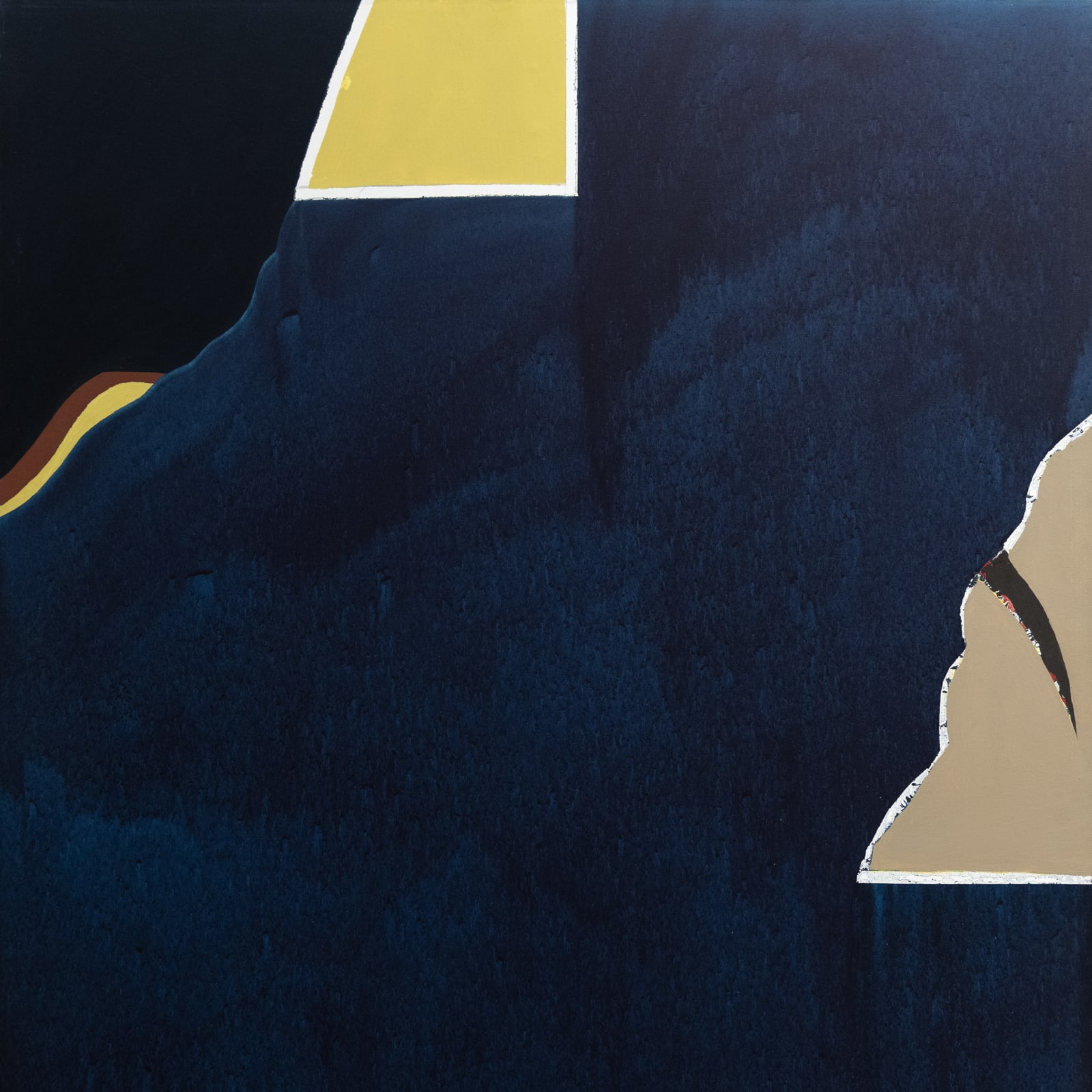
Dorothy Hood, "Space Signals" (c.1970s)
About
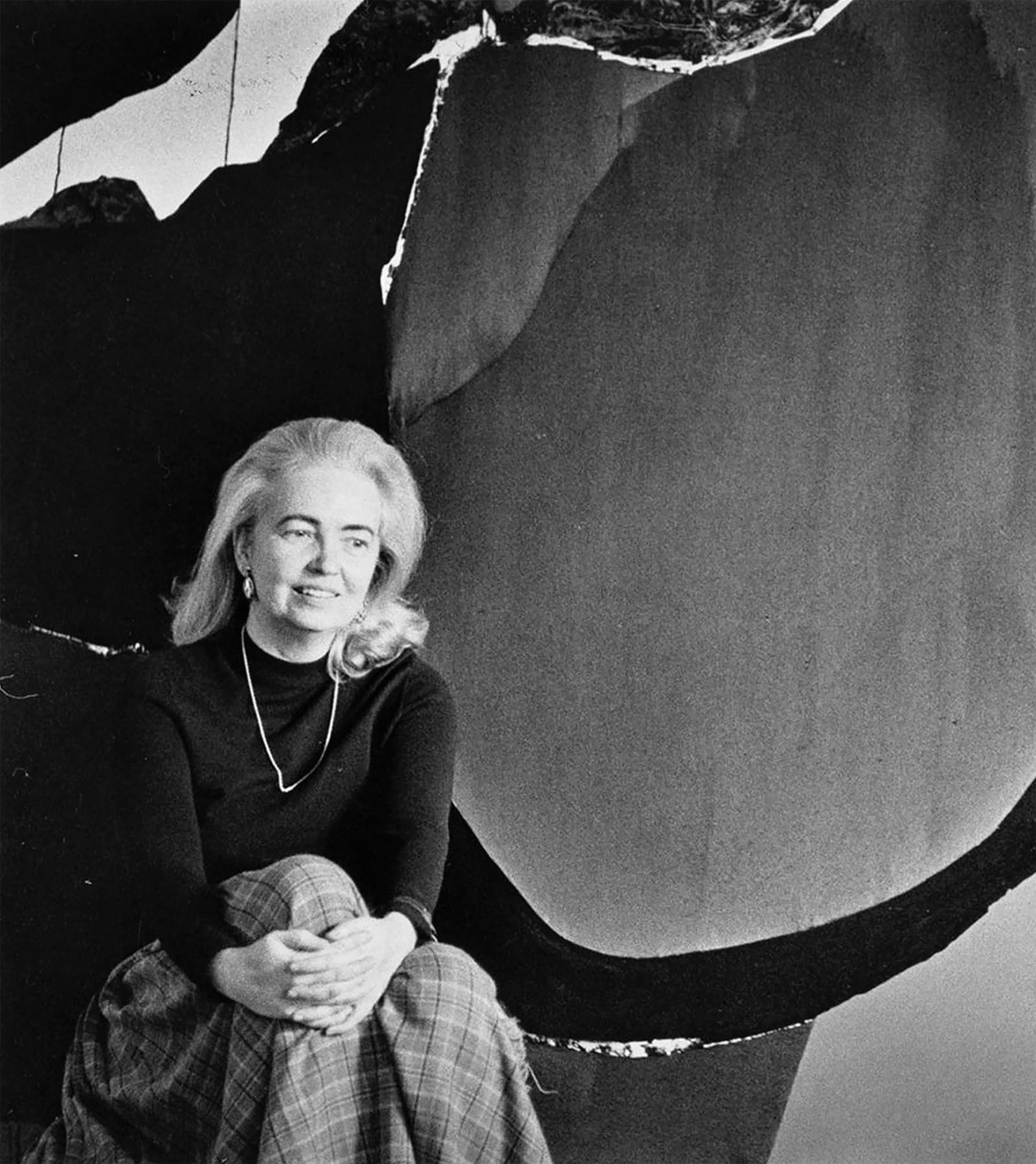
Dorothy Hood in front of Subterranean Illuminations, c. 1976, photograph courtesy of Meredith Long & Co. © Estate of Dorothy Hood
Dorothy Hood’s distinctive, emotionally charged paintings stand as a landmark in post-war art, a significant bridge between Latin American and European Surrealism and New York abstraction. She probably never set foot in Greenwich Village’s Cedar Tavern dive bar where cherished mythology evolved from the hard-drinking, male-dominated, two-fisted debates, and the night when Jackson Pollock, in a drunken stupor, tore the bathroom door off its hinges and hurled it across the room at Franz Kline. Instead, her path was her own, with the freedom to think, paint, and draw as she pleased. From 1941 until 1962, Hood moved within another epicenter: Mexico’s rich cultural, political, and artistic conflation of intense creative activity. Among her friends were Surrealists Remedios Varo and Leonora Carrington, Rufino Tamayo, and José Clemente Orozco, with whom she developed a deep friendship.
The paintings of this exhibition come from a time when Hood returned to Texas and took on big ideas: the immensity of the universe, the complexities of the psyche with a longing for spiritual sustenance. She crafted a narrative that continually reveals itself through tactile mastery of paint, brushed or poured, the breadth of which is virtually unmatched in the annals of twentieth-century post-war art. Her work in paint explores her unique spatial understanding and internal compass, conveying immense energetic expanses punctuated by dizzying breaks of sharply defined, opaque shapes alongside swathes of lush, evocative color. These are the defining works of Hood’s oeuvre that will assure her place within the pantheon of America’s great post-war artists.

"Painting of Dorothy Hood" at Heather James Palm Desert
“A great painting makes you remember something out of time, something great and perfect, as a happening which did not begin but always was.”
Dorothy Hood
