
Carlos Cruz-Diez
(1923–2019)
Carlos Cruz-Diezの作品


Carlos Cruz-Diezについて
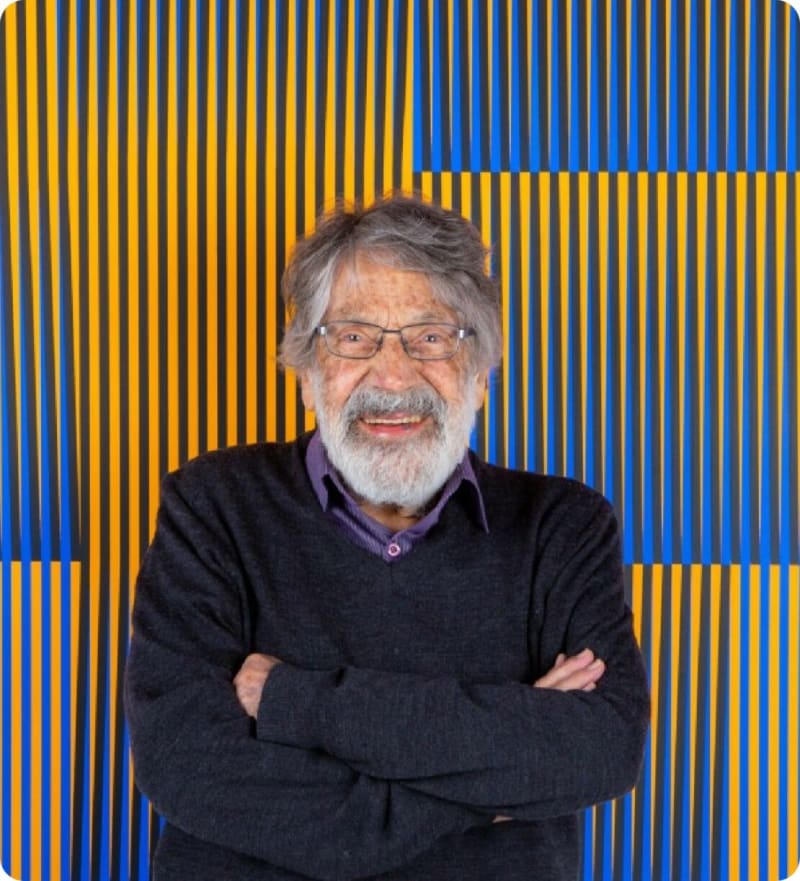
Born in Venezuela, Cruz-Diez lived and worked in Paris. He studied at the Escuela de Artes Plásticas y Aplicadas in Caracas, training in both art education and fine art. He also studied advertising in New York and served as art director for an advertising agency in Caracas, traveling to Europe, where he encountered geometric abstraction and the Bauhaus ideas of combining art and industry. He worked as well as a designer and illustrator, and his professional experience in advertising, combined with his exposure to photography and the new artistic ideas he encountered abroad, inspired him to explore color concepts within a new medium — one responsive to, and representative of, the demands of modern society.
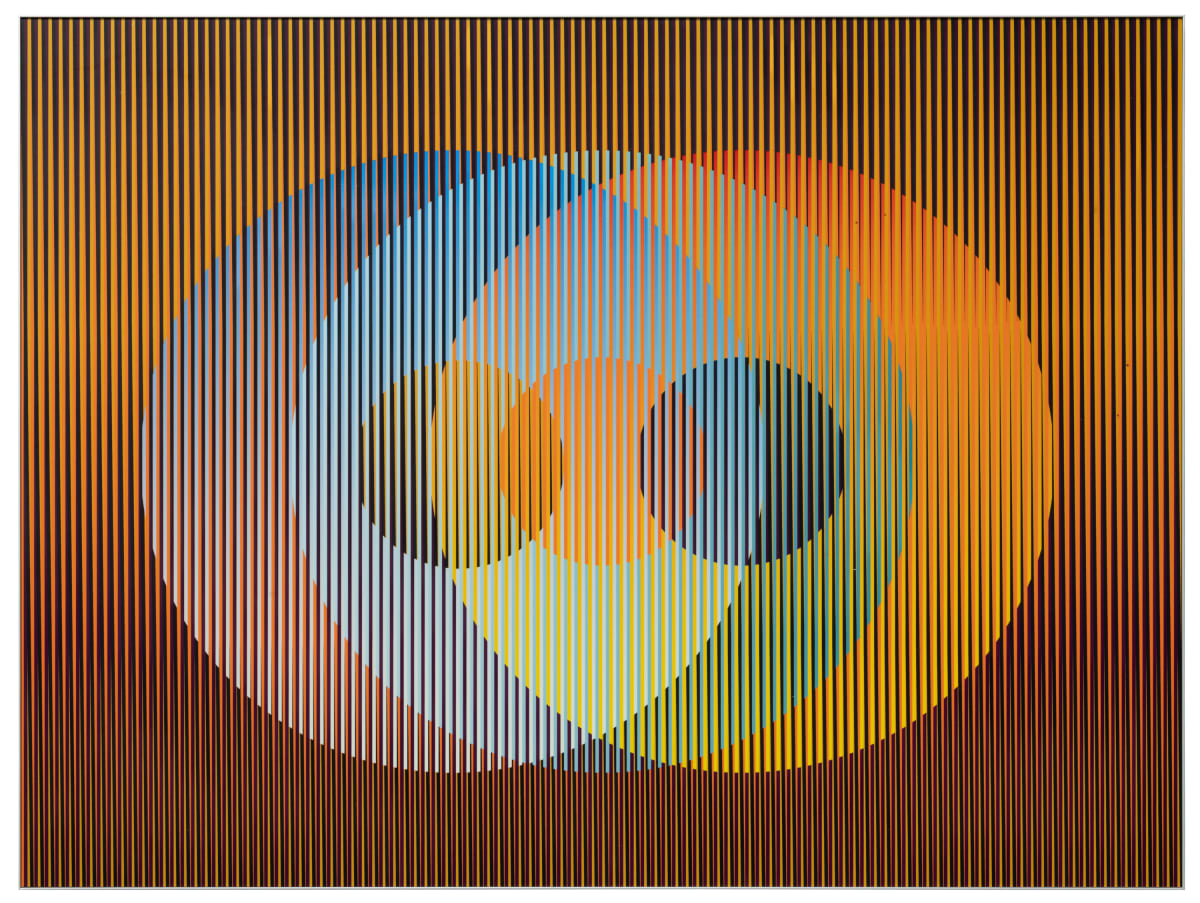
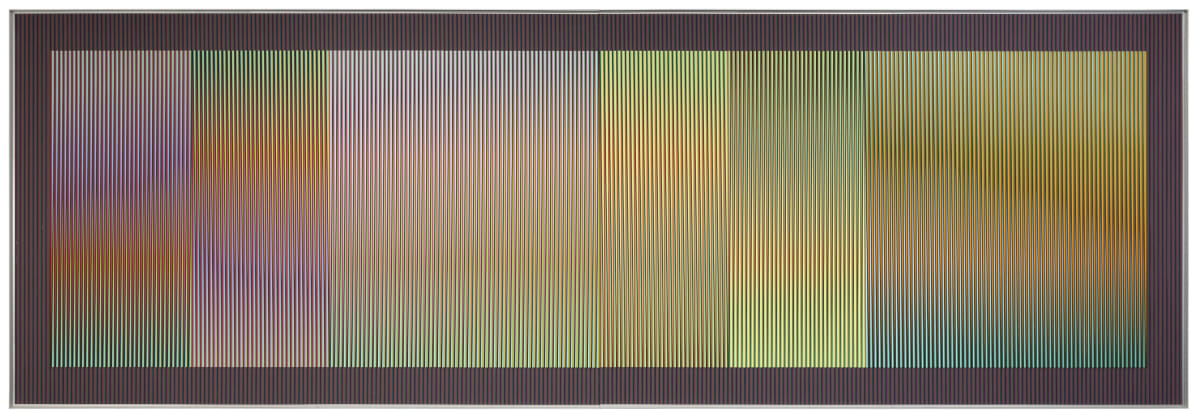
Carlos Cruz-Diez was known internationally for his experiments with Op and Kinetic art, which he developed beginning in the 1950s. In his work, movement was an optical illusion, produced through a sophisticated use of light and color to create virtual volumes that changed depending on the position of the viewer. Throughout his career, he focused consistently on color, line, and viewer perception.
The Physichromie series, which Cruz-Diez began in 1959, combined painting with sculptural relief. Works in the series comprised a painted background of narrow vertical colored lines, onto which vertical plastic divisions were placed at right angles. As the viewer passed each piece, previously invisible colors and geometric forms emerged, and the entire chromatic field appeared to vibrate. It became one of the defining bodies of work in his exploration of color and perception.
Carlos Cruz-Diez was represented in museums such as the Tate Gallery in London, the Blanton Museum of Art in Austin, Texas, and the Centre Pompidou in Paris. He had gallery exhibitions at Galerie Kerchache and Galerie Lavignes Bastille in Paris, Gabinete de Arte Raquel Arnaud in São Paulo, and Galerie Denise René in New York.
In 1997, the Carlos Cruz-Diez Print and Design Museum opened in Caracas, Venezuela. Offering education and resources to the public, the museum sought to expand artistic audiences while supporting contemporary Venezuelan artists. Cruz-Diez served as its founder and president.