OLGA DE AMARAL (n. 1932)

 
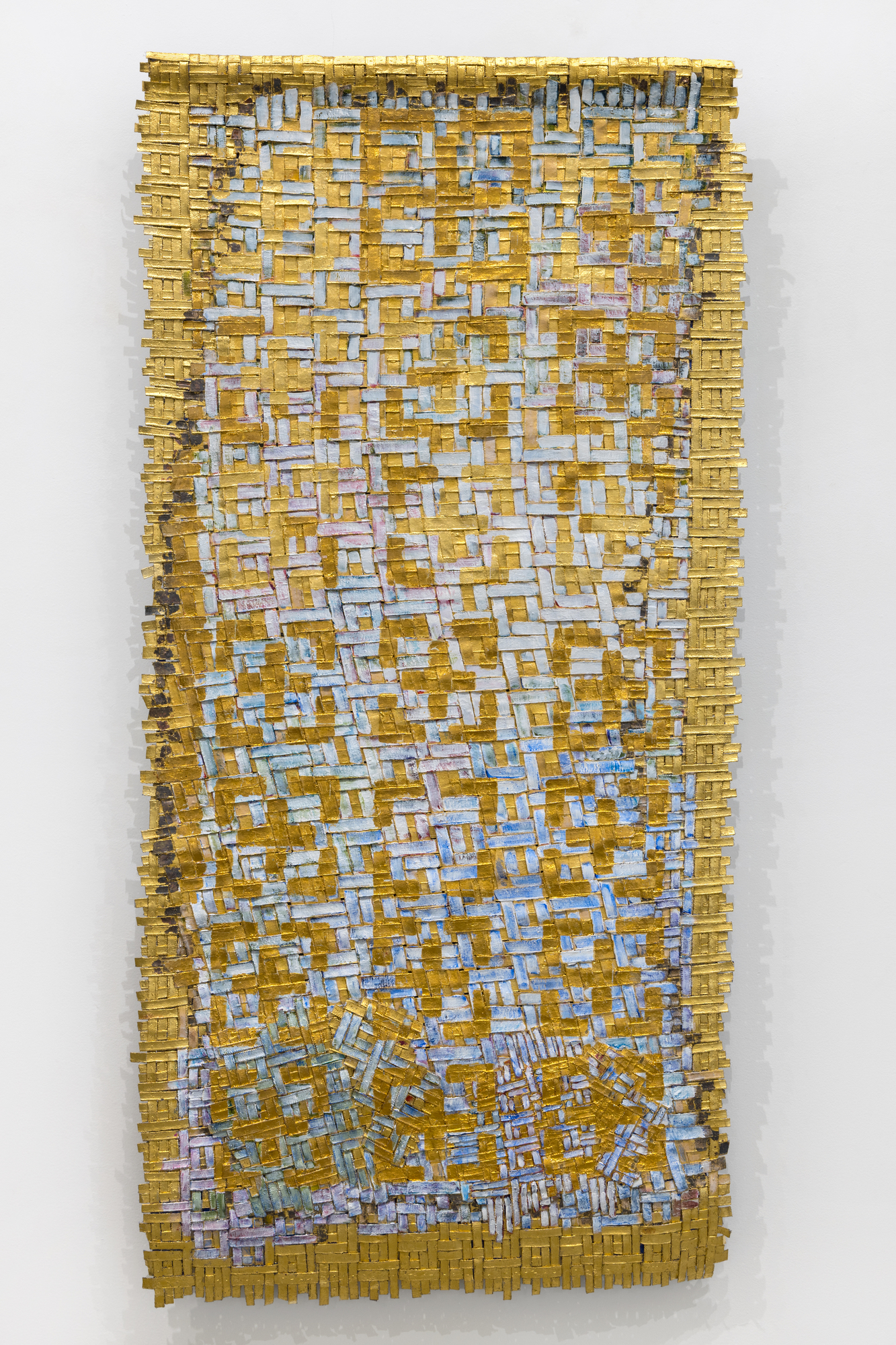
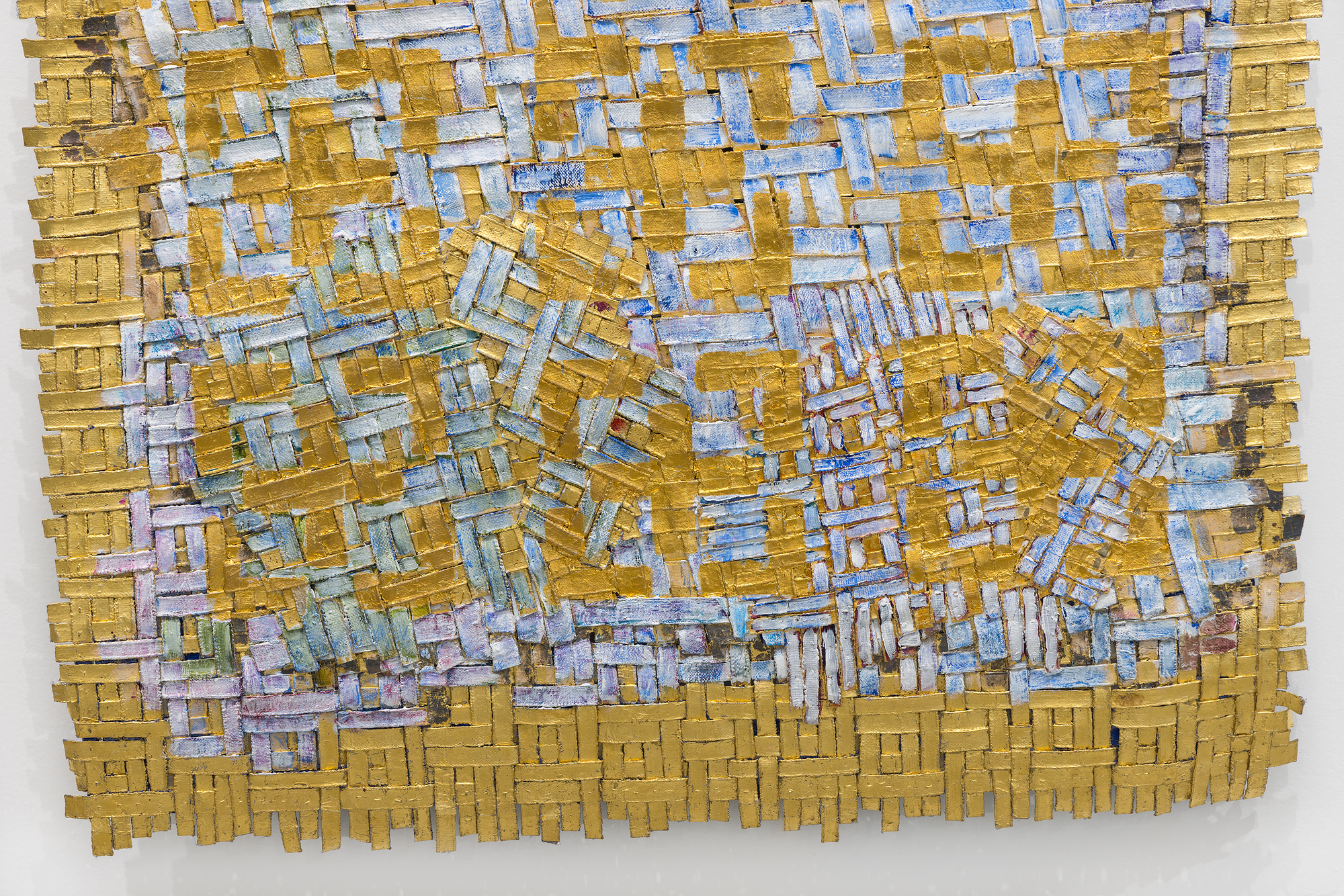
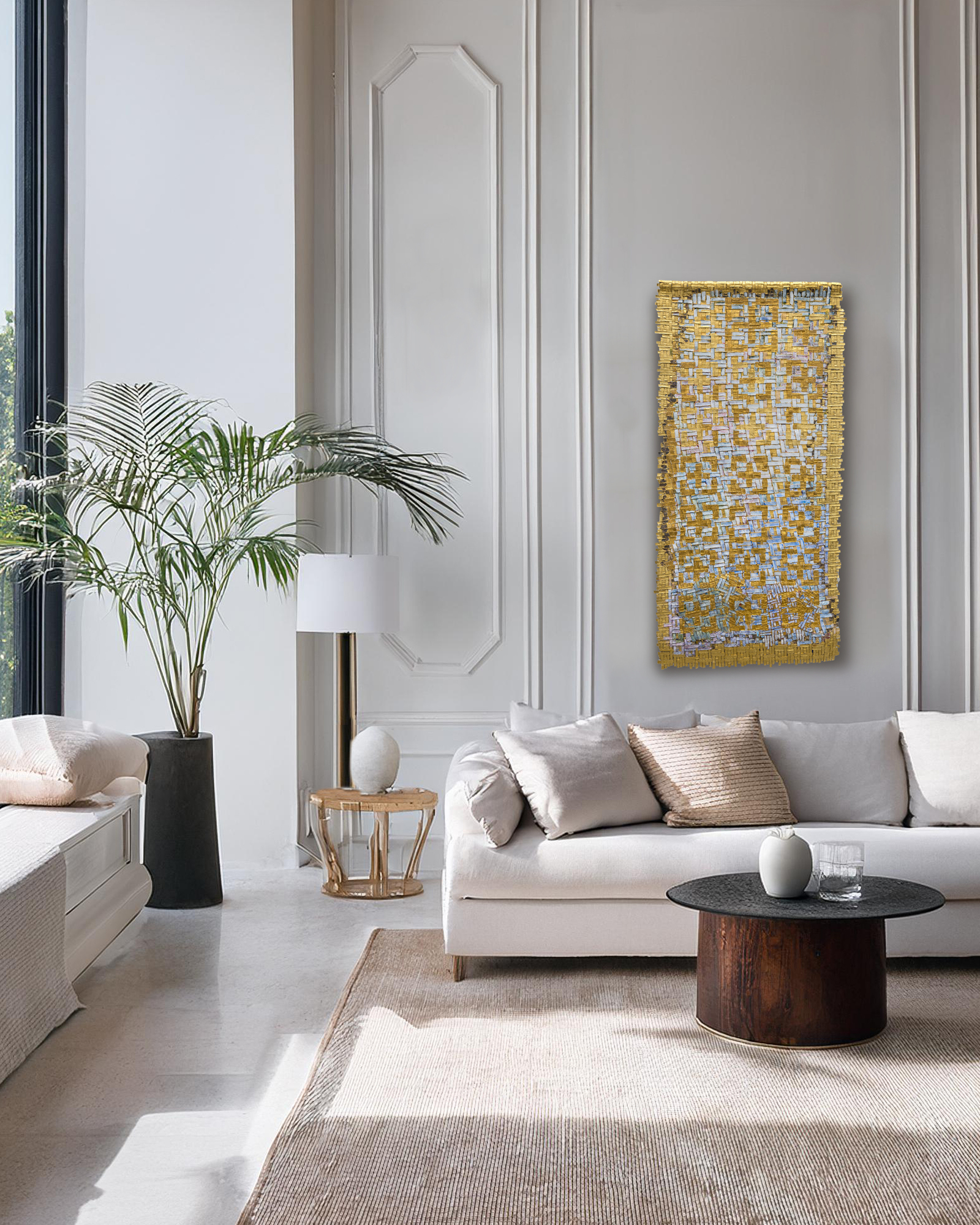
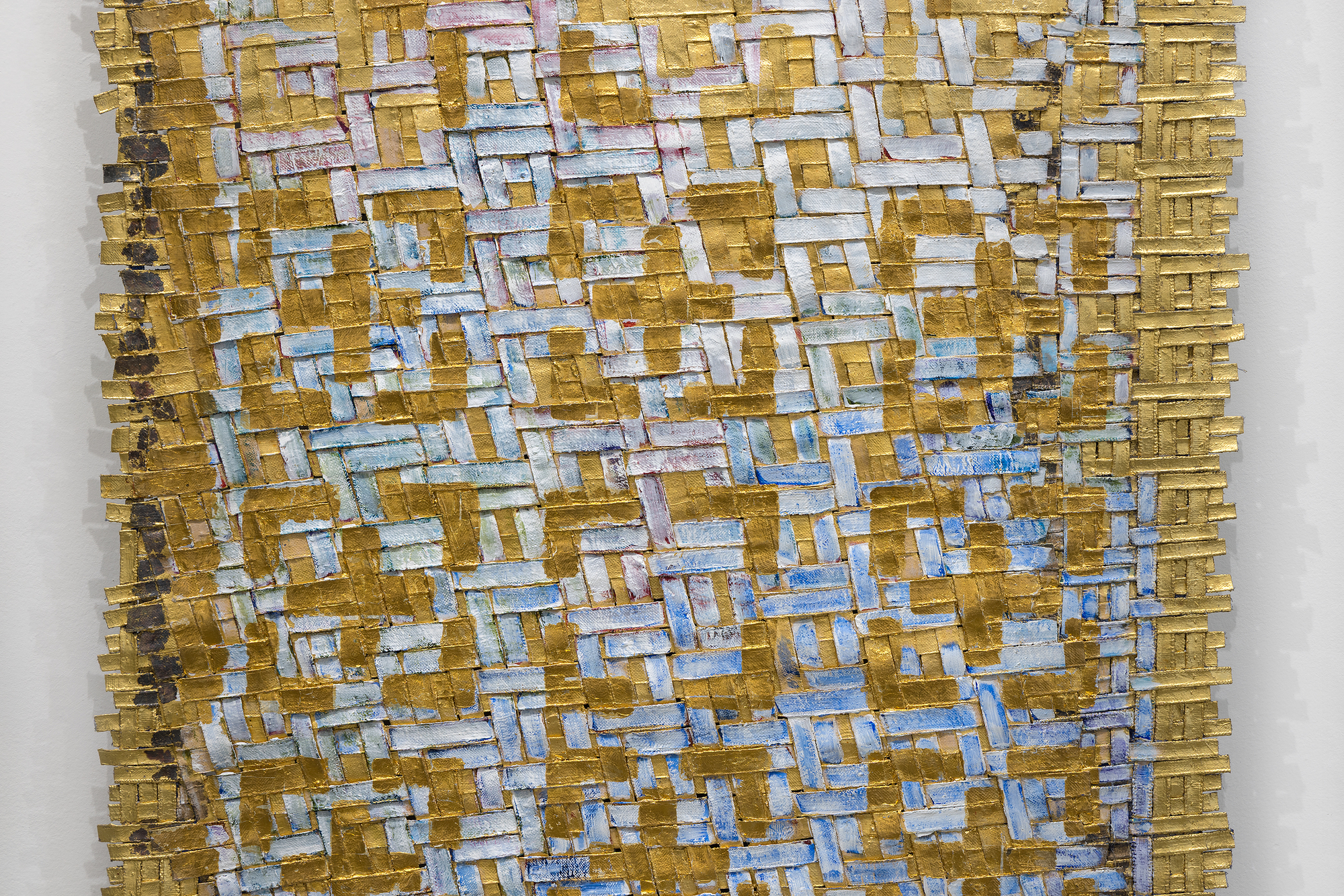
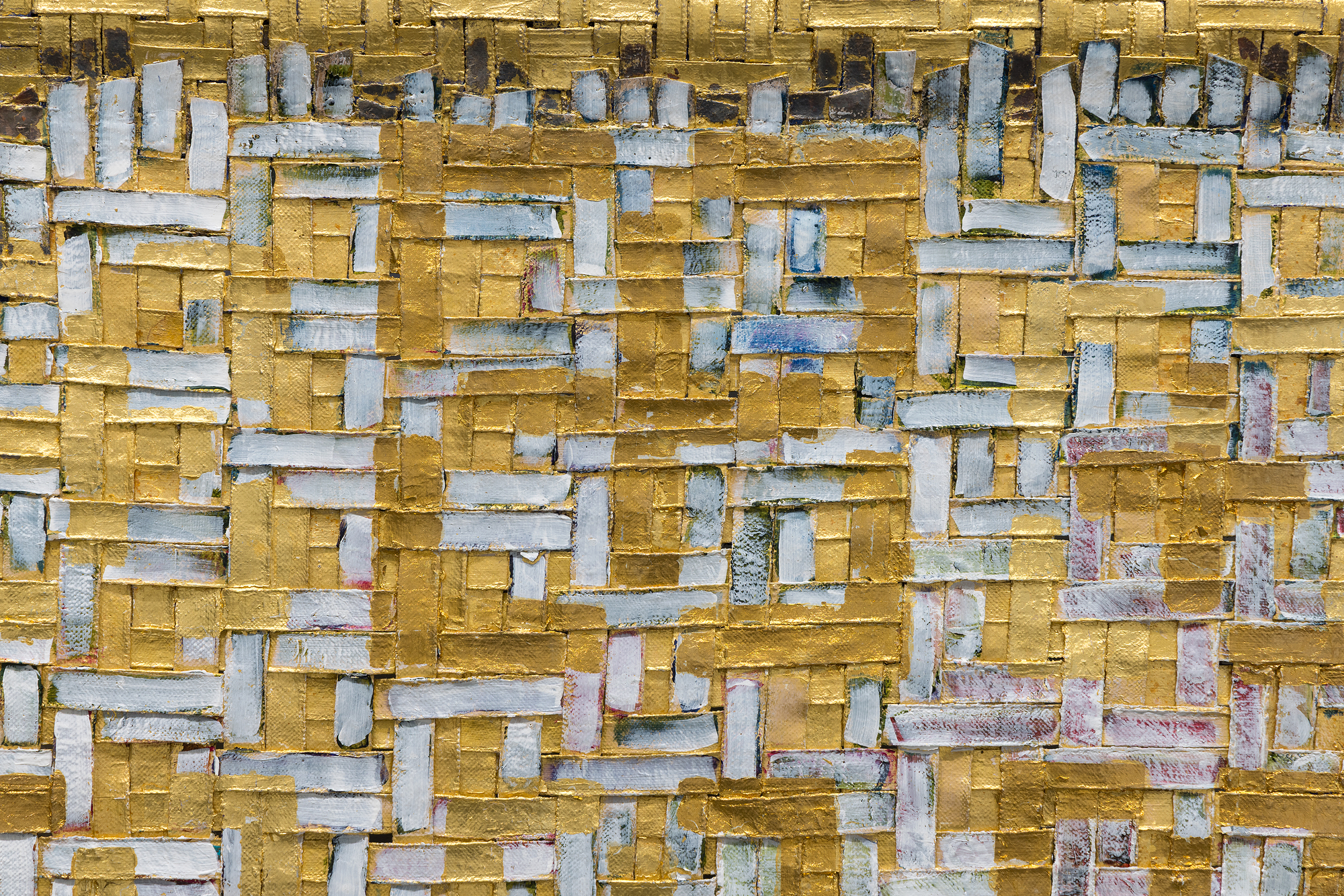
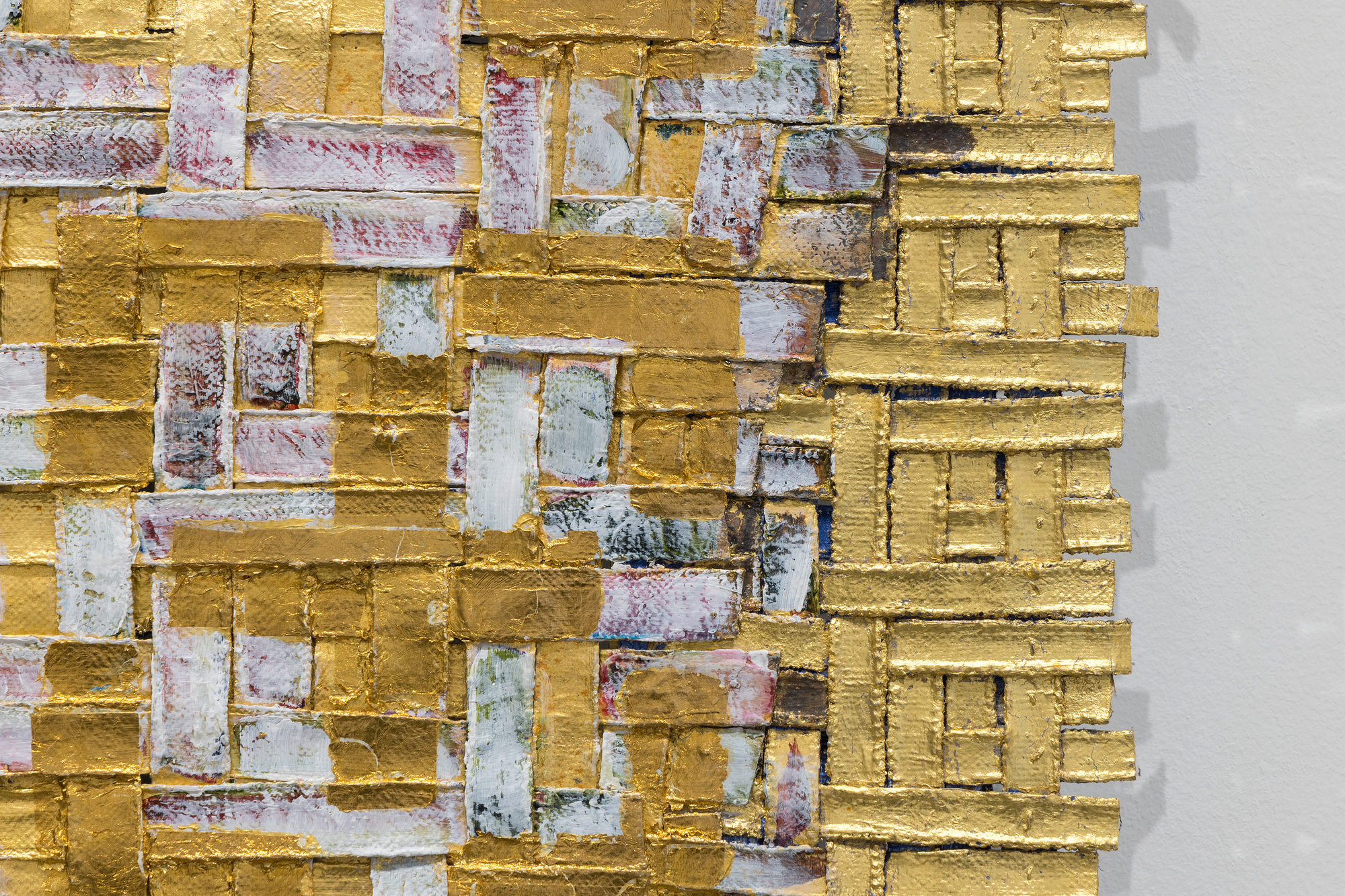
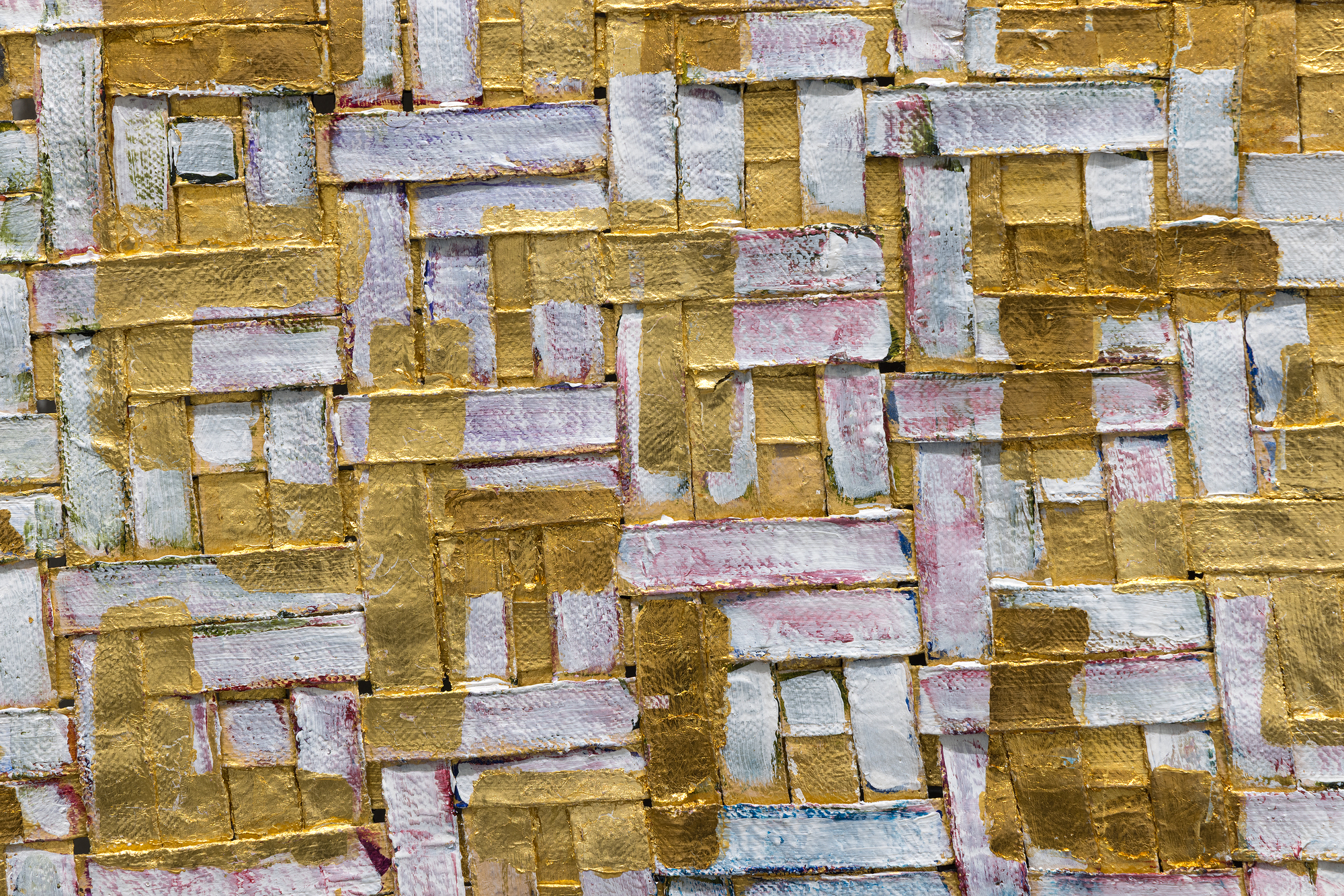
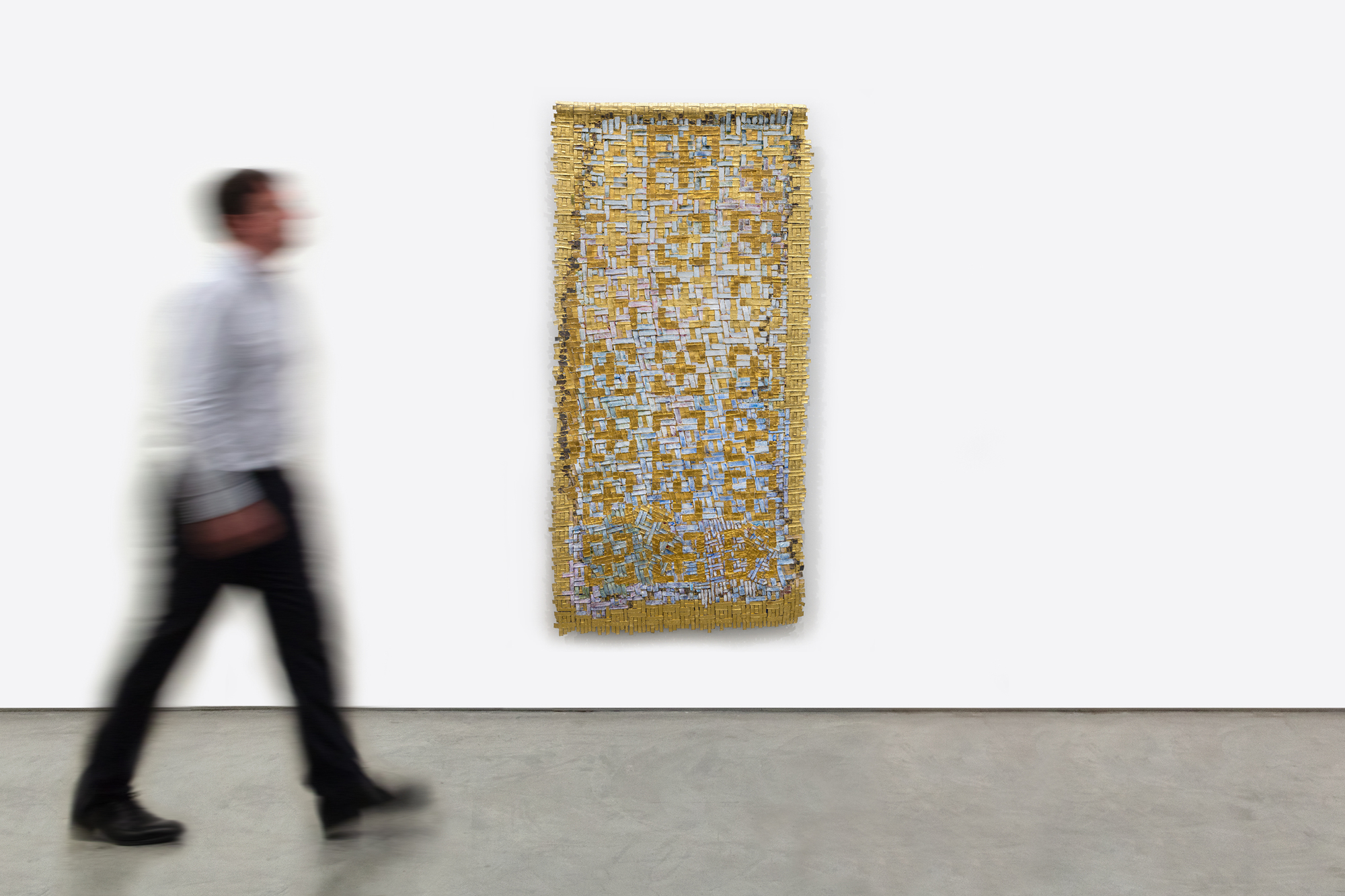
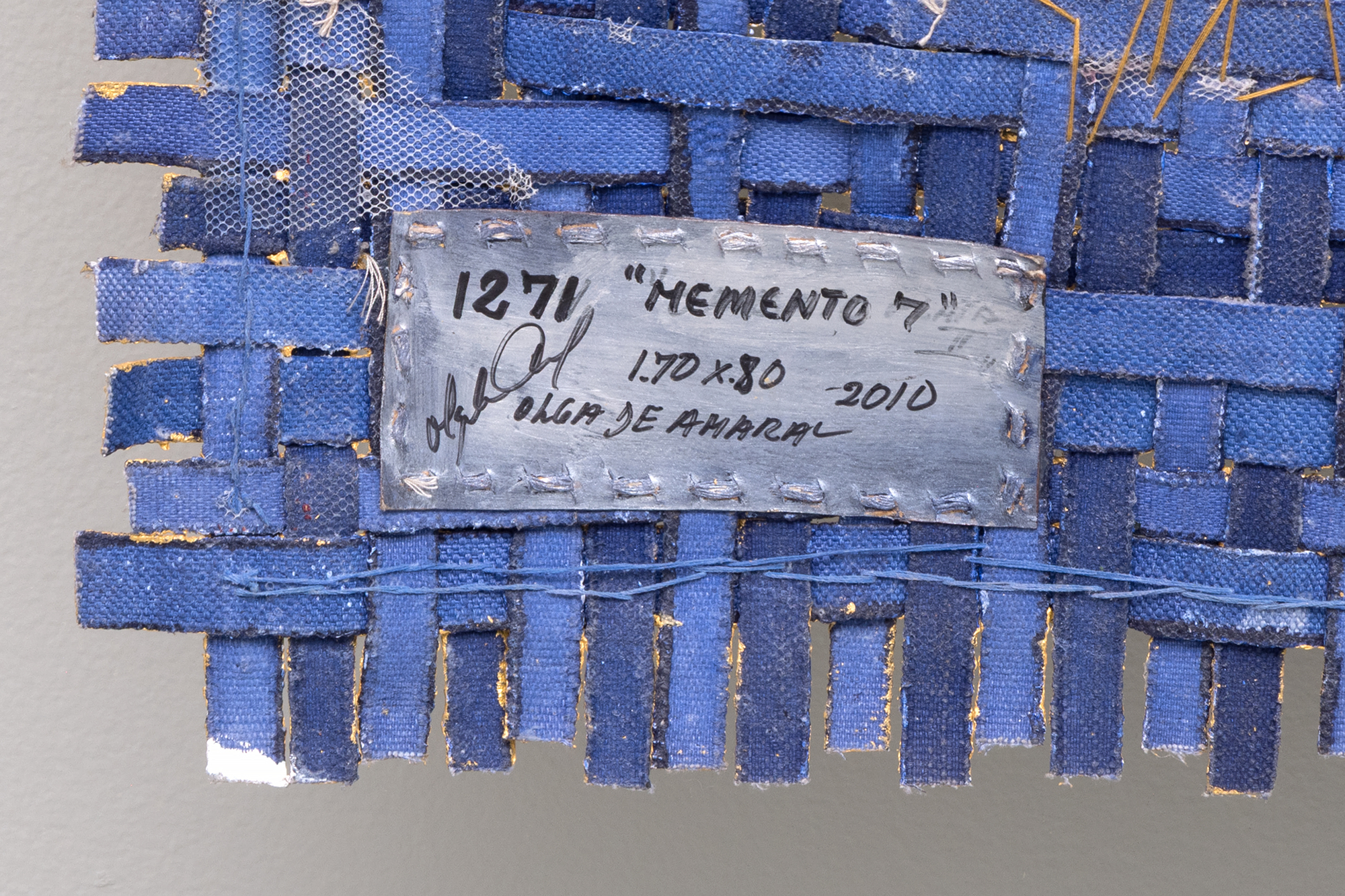
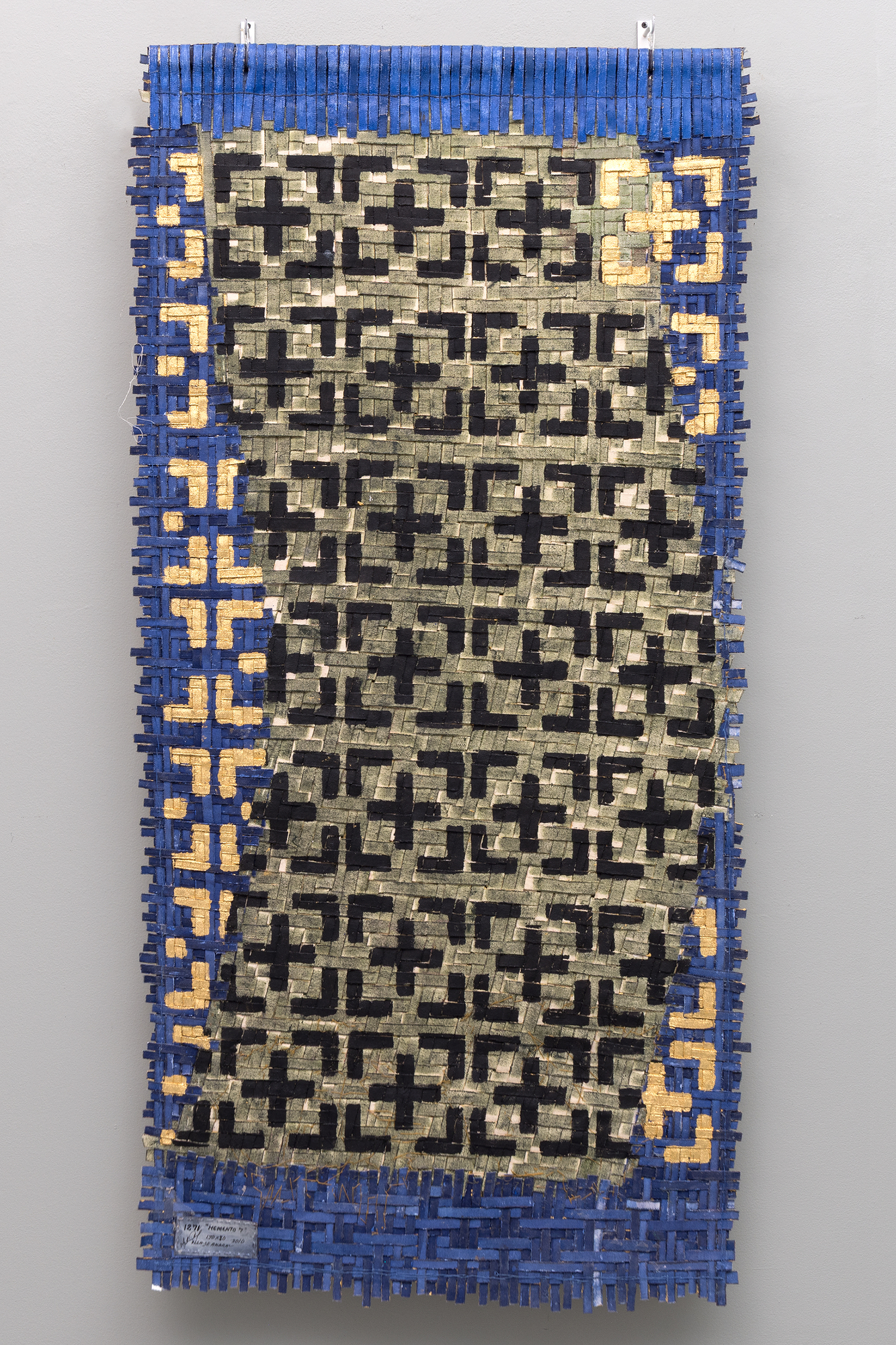
<div><font face=Lato size=3 color=black>Olga de Amaral’s <em>Memento 7</em> exemplifies the Colombian artist’s mastery in transforming textile into a medium of profound sculptural and symbolic resonance. Woven from natural fibers and coated with gesso, metallic leaf, and pigments, the work shimmers between material solidity and optical flux. Its surface glints with gold, refracting light in rhythmic intervals that shift as the viewer moves, evoking both the permanence of memory and its fragility.</font></div><br><br><div> </div><br><br><div><font face=Lato size=3 color=black>The <em>Memento</em> series, from which this piece belongs, explores memory as a layered, luminous presence. By embedding gold leaf within the weave, de Amaral connects her practice to pre-Columbian traditions in which gold was not a mere material but a carrier of spiritual and cultural meaning. In <em>Memento 7</em>, geometric patterning and a richly textured surface create a sense of sacred tapestry, collapsing distinctions between painting, sculpture, and textile.</font></div><br><br><div> </div><br><br><div><font face=Lato size=3 color=black>De Amaral’s work has been celebrated internationally for expanding the language of fiber art into realms of architecture and abstraction. <em>Memento 7</em> resonates with major institutional holdings of her work, including the Museum of Modern Art (New York), the Metropolitan Museum of Art, the Art Institute of Chicago, and the Musée d’Art Moderne de Paris. Within these collections, her gilded weavings stand as both objects of rare material beauty and meditations on history, place, and the metaphysics of light.</font></div><br><br><div> </div><br><br><div><font face=Lato size=3 color=black><em>Memento 7</em> thus embodies the artist’s unique synthesis of ancestral craft and modern abstraction, offering a powerful reflection on memory, time, and transformation.</font></div> <div><font face=Lato size=3 color=black>Olga de Amaral’s <em>Memento 7</em> exemplifies the Colombian artist’s mastery in transforming textile into a medium of profound sculptural and symbolic resonance. Woven from natural fibers and coated with gesso, metallic leaf, and pigments, the work shimmers between material solidity and optical flux. Its surface glints with gold, refracting light in rhythmic intervals that shift as the viewer moves, evoking both the permanence of memory and its fragility.</font></div><br><br><div> </div><br><br><div><font face=Lato size=3 color=black>The <em>Memento</em> series, from which this piece belongs, explores memory as a layered, luminous presence. By embedding gold leaf within the weave, de Amaral connects her practice to pre-Columbian traditions in which gold was not a mere material but a carrier of spiritual and cultural meaning. In <em>Memento 7</em>, geometric patterning and a richly textured surface create a sense of sacred tapestry, collapsing distinctions between painting, sculpture, and textile.</font></div><br><br><div> </div><br><br><div><font face=Lato size=3 color=black>De Amaral’s work has been celebrated internationally for expanding the language of fiber art into realms of architecture and abstraction. <em>Memento 7</em> resonates with major institutional holdings of her work, including the Museum of Modern Art (New York), the Metropolitan Museum of Art, the Art Institute of Chicago, and the Musée d’Art Moderne de Paris. Within these collections, her gilded weavings stand as both objects of rare material beauty and meditations on history, place, and the metaphysics of light.</font></div><br><br><div> </div><br><br><div><font face=Lato size=3 color=black><em>Memento 7</em> thus embodies the artist’s unique synthesis of ancestral craft and modern abstraction, offering a powerful reflection on memory, time, and transformation.</font></div> <div><font face=Lato size=3 color=black>Olga de Amaral’s <em>Memento 7</em> exemplifies the Colombian artist’s mastery in transforming textile into a medium of profound sculptural and symbolic resonance. Woven from natural fibers and coated with gesso, metallic leaf, and pigments, the work shimmers between material solidity and optical flux. Its surface glints with gold, refracting light in rhythmic intervals that shift as the viewer moves, evoking both the permanence of memory and its fragility.</font></div><br><br><div> </div><br><br><div><font face=Lato size=3 color=black>The <em>Memento</em> series, from which this piece belongs, explores memory as a layered, luminous presence. By embedding gold leaf within the weave, de Amaral connects her practice to pre-Columbian traditions in which gold was not a mere material but a carrier of spiritual and cultural meaning. In <em>Memento 7</em>, geometric patterning and a richly textured surface create a sense of sacred tapestry, collapsing distinctions between painting, sculpture, and textile.</font></div><br><br><div> </div><br><br><div><font face=Lato size=3 color=black>De Amaral’s work has been celebrated internationally for expanding the language of fiber art into realms of architecture and abstraction. <em>Memento 7</em> resonates with major institutional holdings of her work, including the Museum of Modern Art (New York), the Metropolitan Museum of Art, the Art Institute of Chicago, and the Musée d’Art Moderne de Paris. Within these collections, her gilded weavings stand as both objects of rare material beauty and meditations on history, place, and the metaphysics of light.</font></div><br><br><div> </div><br><br><div><font face=Lato size=3 color=black><em>Memento 7</em> thus embodies the artist’s unique synthesis of ancestral craft and modern abstraction, offering a powerful reflection on memory, time, and transformation.</font></div> <div><font face=Lato size=3 color=black>Olga de Amaral’s <em>Memento 7</em> exemplifies the Colombian artist’s mastery in transforming textile into a medium of profound sculptural and symbolic resonance. Woven from natural fibers and coated with gesso, metallic leaf, and pigments, the work shimmers between material solidity and optical flux. Its surface glints with gold, refracting light in rhythmic intervals that shift as the viewer moves, evoking both the permanence of memory and its fragility.</font></div><br><br><div> </div><br><br><div><font face=Lato size=3 color=black>The <em>Memento</em> series, from which this piece belongs, explores memory as a layered, luminous presence. By embedding gold leaf within the weave, de Amaral connects her practice to pre-Columbian traditions in which gold was not a mere material but a carrier of spiritual and cultural meaning. In <em>Memento 7</em>, geometric patterning and a richly textured surface create a sense of sacred tapestry, collapsing distinctions between painting, sculpture, and textile.</font></div><br><br><div> </div><br><br><div><font face=Lato size=3 color=black>De Amaral’s work has been celebrated internationally for expanding the language of fiber art into realms of architecture and abstraction. <em>Memento 7</em> resonates with major institutional holdings of her work, including the Museum of Modern Art (New York), the Metropolitan Museum of Art, the Art Institute of Chicago, and the Musée d’Art Moderne de Paris. Within these collections, her gilded weavings stand as both objects of rare material beauty and meditations on history, place, and the metaphysics of light.</font></div><br><br><div> </div><br><br><div><font face=Lato size=3 color=black><em>Memento 7</em> thus embodies the artist’s unique synthesis of ancestral craft and modern abstraction, offering a powerful reflection on memory, time, and transformation.</font></div> <div><font face=Lato size=3 color=black>Olga de Amaral’s <em>Memento 7</em> exemplifies the Colombian artist’s mastery in transforming textile into a medium of profound sculptural and symbolic resonance. Woven from natural fibers and coated with gesso, metallic leaf, and pigments, the work shimmers between material solidity and optical flux. Its surface glints with gold, refracting light in rhythmic intervals that shift as the viewer moves, evoking both the permanence of memory and its fragility.</font></div><br><br><div> </div><br><br><div><font face=Lato size=3 color=black>The <em>Memento</em> series, from which this piece belongs, explores memory as a layered, luminous presence. By embedding gold leaf within the weave, de Amaral connects her practice to pre-Columbian traditions in which gold was not a mere material but a carrier of spiritual and cultural meaning. In <em>Memento 7</em>, geometric patterning and a richly textured surface create a sense of sacred tapestry, collapsing distinctions between painting, sculpture, and textile.</font></div><br><br><div> </div><br><br><div><font face=Lato size=3 color=black>De Amaral’s work has been celebrated internationally for expanding the language of fiber art into realms of architecture and abstraction. <em>Memento 7</em> resonates with major institutional holdings of her work, including the Museum of Modern Art (New York), the Metropolitan Museum of Art, the Art Institute of Chicago, and the Musée d’Art Moderne de Paris. Within these collections, her gilded weavings stand as both objects of rare material beauty and meditations on history, place, and the metaphysics of light.</font></div><br><br><div> </div><br><br><div><font face=Lato size=3 color=black><em>Memento 7</em> thus embodies the artist’s unique synthesis of ancestral craft and modern abstraction, offering a powerful reflection on memory, time, and transformation.</font></div> <div><font face=Lato size=3 color=black>Olga de Amaral’s <em>Memento 7</em> exemplifies the Colombian artist’s mastery in transforming textile into a medium of profound sculptural and symbolic resonance. Woven from natural fibers and coated with gesso, metallic leaf, and pigments, the work shimmers between material solidity and optical flux. Its surface glints with gold, refracting light in rhythmic intervals that shift as the viewer moves, evoking both the permanence of memory and its fragility.</font></div><br><br><div> </div><br><br><div><font face=Lato size=3 color=black>The <em>Memento</em> series, from which this piece belongs, explores memory as a layered, luminous presence. By embedding gold leaf within the weave, de Amaral connects her practice to pre-Columbian traditions in which gold was not a mere material but a carrier of spiritual and cultural meaning. In <em>Memento 7</em>, geometric patterning and a richly textured surface create a sense of sacred tapestry, collapsing distinctions between painting, sculpture, and textile.</font></div><br><br><div> </div><br><br><div><font face=Lato size=3 color=black>De Amaral’s work has been celebrated internationally for expanding the language of fiber art into realms of architecture and abstraction. <em>Memento 7</em> resonates with major institutional holdings of her work, including the Museum of Modern Art (New York), the Metropolitan Museum of Art, the Art Institute of Chicago, and the Musée d’Art Moderne de Paris. Within these collections, her gilded weavings stand as both objects of rare material beauty and meditations on history, place, and the metaphysics of light.</font></div><br><br><div> </div><br><br><div><font face=Lato size=3 color=black><em>Memento 7</em> thus embodies the artist’s unique synthesis of ancestral craft and modern abstraction, offering a powerful reflection on memory, time, and transformation.</font></div> <div><font face=Lato size=3 color=black>Olga de Amaral’s <em>Memento 7</em> exemplifies the Colombian artist’s mastery in transforming textile into a medium of profound sculptural and symbolic resonance. Woven from natural fibers and coated with gesso, metallic leaf, and pigments, the work shimmers between material solidity and optical flux. Its surface glints with gold, refracting light in rhythmic intervals that shift as the viewer moves, evoking both the permanence of memory and its fragility.</font></div><br><br><div> </div><br><br><div><font face=Lato size=3 color=black>The <em>Memento</em> series, from which this piece belongs, explores memory as a layered, luminous presence. By embedding gold leaf within the weave, de Amaral connects her practice to pre-Columbian traditions in which gold was not a mere material but a carrier of spiritual and cultural meaning. In <em>Memento 7</em>, geometric patterning and a richly textured surface create a sense of sacred tapestry, collapsing distinctions between painting, sculpture, and textile.</font></div><br><br><div> </div><br><br><div><font face=Lato size=3 color=black>De Amaral’s work has been celebrated internationally for expanding the language of fiber art into realms of architecture and abstraction. <em>Memento 7</em> resonates with major institutional holdings of her work, including the Museum of Modern Art (New York), the Metropolitan Museum of Art, the Art Institute of Chicago, and the Musée d’Art Moderne de Paris. Within these collections, her gilded weavings stand as both objects of rare material beauty and meditations on history, place, and the metaphysics of light.</font></div><br><br><div> </div><br><br><div><font face=Lato size=3 color=black><em>Memento 7</em> thus embodies the artist’s unique synthesis of ancestral craft and modern abstraction, offering a powerful reflection on memory, time, and transformation.</font></div> <div><font face=Lato size=3 color=black>Olga de Amaral’s <em>Memento 7</em> exemplifies the Colombian artist’s mastery in transforming textile into a medium of profound sculptural and symbolic resonance. Woven from natural fibers and coated with gesso, metallic leaf, and pigments, the work shimmers between material solidity and optical flux. Its surface glints with gold, refracting light in rhythmic intervals that shift as the viewer moves, evoking both the permanence of memory and its fragility.</font></div><br><br><div> </div><br><br><div><font face=Lato size=3 color=black>The <em>Memento</em> series, from which this piece belongs, explores memory as a layered, luminous presence. By embedding gold leaf within the weave, de Amaral connects her practice to pre-Columbian traditions in which gold was not a mere material but a carrier of spiritual and cultural meaning. In <em>Memento 7</em>, geometric patterning and a richly textured surface create a sense of sacred tapestry, collapsing distinctions between painting, sculpture, and textile.</font></div><br><br><div> </div><br><br><div><font face=Lato size=3 color=black>De Amaral’s work has been celebrated internationally for expanding the language of fiber art into realms of architecture and abstraction. <em>Memento 7</em> resonates with major institutional holdings of her work, including the Museum of Modern Art (New York), the Metropolitan Museum of Art, the Art Institute of Chicago, and the Musée d’Art Moderne de Paris. Within these collections, her gilded weavings stand as both objects of rare material beauty and meditations on history, place, and the metaphysics of light.</font></div><br><br><div> </div><br><br><div><font face=Lato size=3 color=black><em>Memento 7</em> thus embodies the artist’s unique synthesis of ancestral craft and modern abstraction, offering a powerful reflection on memory, time, and transformation.</font></div> <div><font face=Lato size=3 color=black>Olga de Amaral’s <em>Memento 7</em> exemplifies the Colombian artist’s mastery in transforming textile into a medium of profound sculptural and symbolic resonance. Woven from natural fibers and coated with gesso, metallic leaf, and pigments, the work shimmers between material solidity and optical flux. Its surface glints with gold, refracting light in rhythmic intervals that shift as the viewer moves, evoking both the permanence of memory and its fragility.</font></div><br><br><div> </div><br><br><div><font face=Lato size=3 color=black>The <em>Memento</em> series, from which this piece belongs, explores memory as a layered, luminous presence. By embedding gold leaf within the weave, de Amaral connects her practice to pre-Columbian traditions in which gold was not a mere material but a carrier of spiritual and cultural meaning. In <em>Memento 7</em>, geometric patterning and a richly textured surface create a sense of sacred tapestry, collapsing distinctions between painting, sculpture, and textile.</font></div><br><br><div> </div><br><br><div><font face=Lato size=3 color=black>De Amaral’s work has been celebrated internationally for expanding the language of fiber art into realms of architecture and abstraction. <em>Memento 7</em> resonates with major institutional holdings of her work, including the Museum of Modern Art (New York), the Metropolitan Museum of Art, the Art Institute of Chicago, and the Musée d’Art Moderne de Paris. Within these collections, her gilded weavings stand as both objects of rare material beauty and meditations on history, place, and the metaphysics of light.</font></div><br><br><div> </div><br><br><div><font face=Lato size=3 color=black><em>Memento 7</em> thus embodies the artist’s unique synthesis of ancestral craft and modern abstraction, offering a powerful reflection on memory, time, and transformation.</font></div> <div><font face=Lato size=3 color=black>Olga de Amaral’s <em>Memento 7</em> exemplifies the Colombian artist’s mastery in transforming textile into a medium of profound sculptural and symbolic resonance. Woven from natural fibers and coated with gesso, metallic leaf, and pigments, the work shimmers between material solidity and optical flux. Its surface glints with gold, refracting light in rhythmic intervals that shift as the viewer moves, evoking both the permanence of memory and its fragility.</font></div><br><br><div> </div><br><br><div><font face=Lato size=3 color=black>The <em>Memento</em> series, from which this piece belongs, explores memory as a layered, luminous presence. By embedding gold leaf within the weave, de Amaral connects her practice to pre-Columbian traditions in which gold was not a mere material but a carrier of spiritual and cultural meaning. In <em>Memento 7</em>, geometric patterning and a richly textured surface create a sense of sacred tapestry, collapsing distinctions between painting, sculpture, and textile.</font></div><br><br><div> </div><br><br><div><font face=Lato size=3 color=black>De Amaral’s work has been celebrated internationally for expanding the language of fiber art into realms of architecture and abstraction. <em>Memento 7</em> resonates with major institutional holdings of her work, including the Museum of Modern Art (New York), the Metropolitan Museum of Art, the Art Institute of Chicago, and the Musée d’Art Moderne de Paris. Within these collections, her gilded weavings stand as both objects of rare material beauty and meditations on history, place, and the metaphysics of light.</font></div><br><br><div> </div><br><br><div><font face=Lato size=3 color=black><em>Memento 7</em> thus embodies the artist’s unique synthesis of ancestral craft and modern abstraction, offering a powerful reflection on memory, time, and transformation.</font></div>
Memento 7201068 x 32 3/4 pulgadas(169,86 x 80,01 cm) lino, yeso, acrílico y pan de oro
Procedencia
Donado por el artista a través de la Galería Lisson al Museo de Bellas Artes de Houston, subasta benéfica Latin American Experience, 2022.
Colección privada, adquirida en la subasta mencionada anteriormente.
Heather James Fine Art
Literatura
Houston, Texas, Museo de Bellas Artes de Houston, Catálogo de la subasta benéfica «Latin American Experience» 2022, 2022, ilustrado en la portada.
Memento 7, de Olga de Amaral, ejemplifica la maestría de la artista colombiana en la transformación de los textiles en un medio de profunda resonancia escultórica y simbólica. Tejida con fibras naturales y recubierta con yeso, láminas metálicas y pigmentos, la obra brilla entre la solidez material y el flujo óptico. Su superficie reluce con oro, refractando la luz en intervalos rítmicos que cambian a medida que el espectador se mueve, evocando tanto la permanencia de la memoria como su fragilidad.


La serie Memento, a la que pertenece esta pieza, explora la memoria como una presencia luminosa y estratificada. Al incrustar pan de oro en el tejido, de Amaral conecta su práctica con las tradiciones precolombinas, en las que el oro no era un mero material, sino un portador de significado espiritual y cultural. En Memento 7, los patrones geométricos y la superficie ricamente texturizada crean una sensación de tapiz sagrado, derribando las distinciones entre pintura, escultura y textil.


La obra de De Amaral ha sido aclamada internacionalmente por ampliar el lenguaje del arte textil a los ámbitos de la arquitectura y la abstracción. Memento 7 resuena con las principales colecciones institucionales de su obra, entre las que se incluyen el Museo de Arte Moderno (Nueva York), el Museo Metropolitano de Arte, el Instituto de Arte de Chicago y el Museo de Arte Moderno de París. Dentro de estas colecciones, sus tejidos dorados se erigen como objetos de rara belleza material y como meditaciones sobre la historia, el lugar y la metafísica de la luz.


Memento 7 encarna así la síntesis única de la artista entre la artesanía ancestral y la abstracción moderna, ofreciendo una poderosa reflexión sobre la memoria, el tiempo y la transformación.
Preguntar