Atrás

ANDY WARHOL (1928-1987)

 
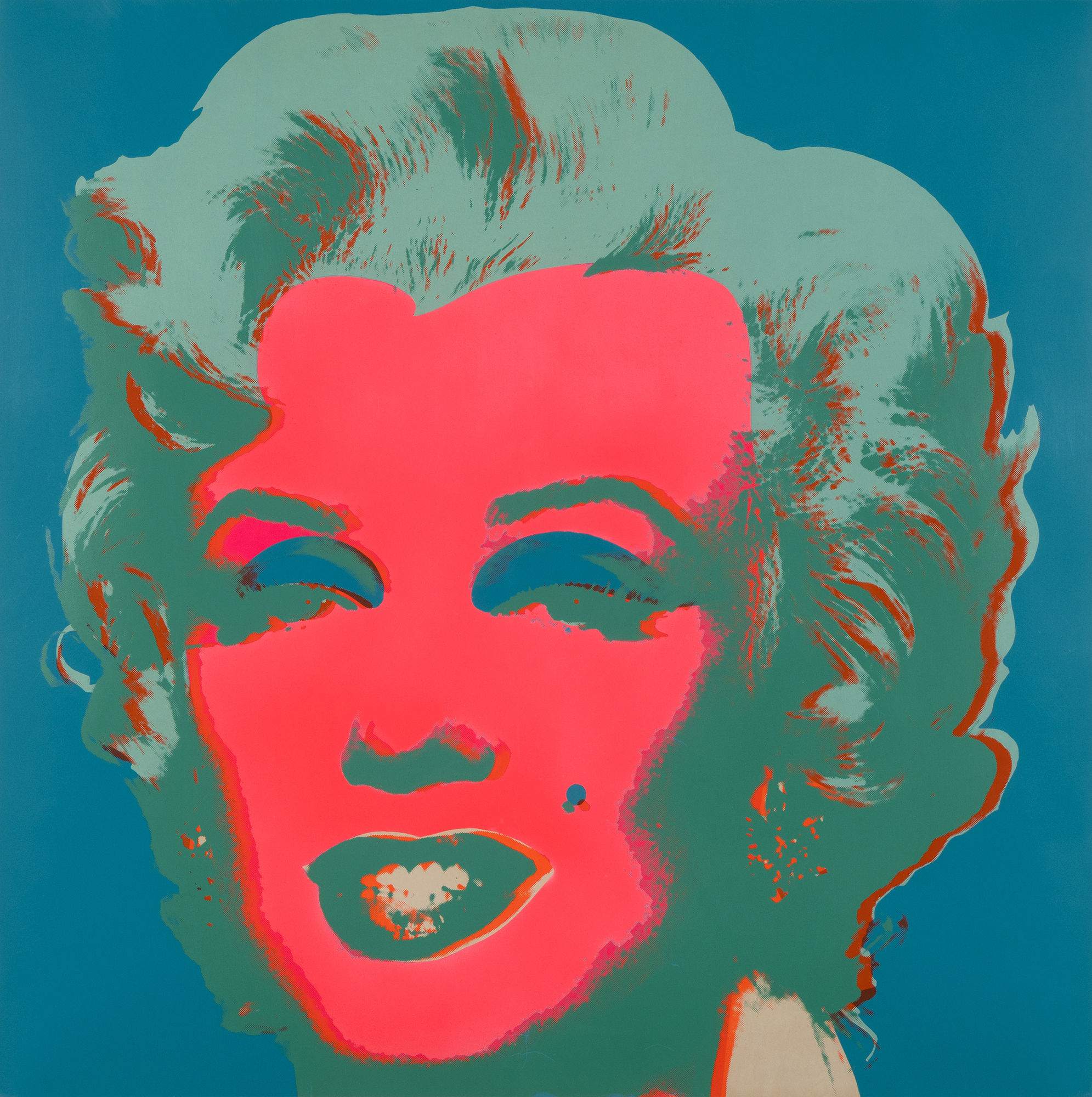
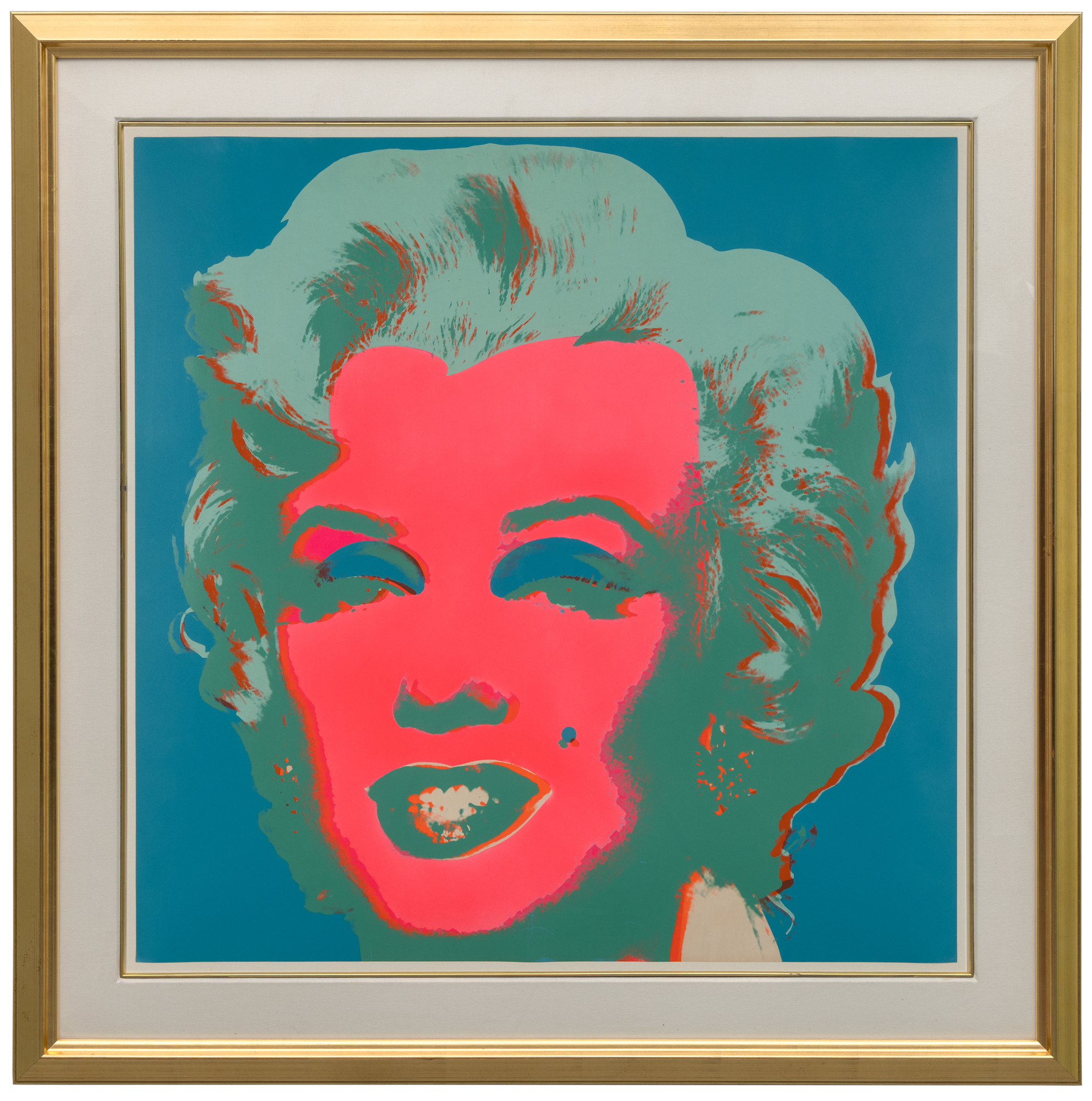
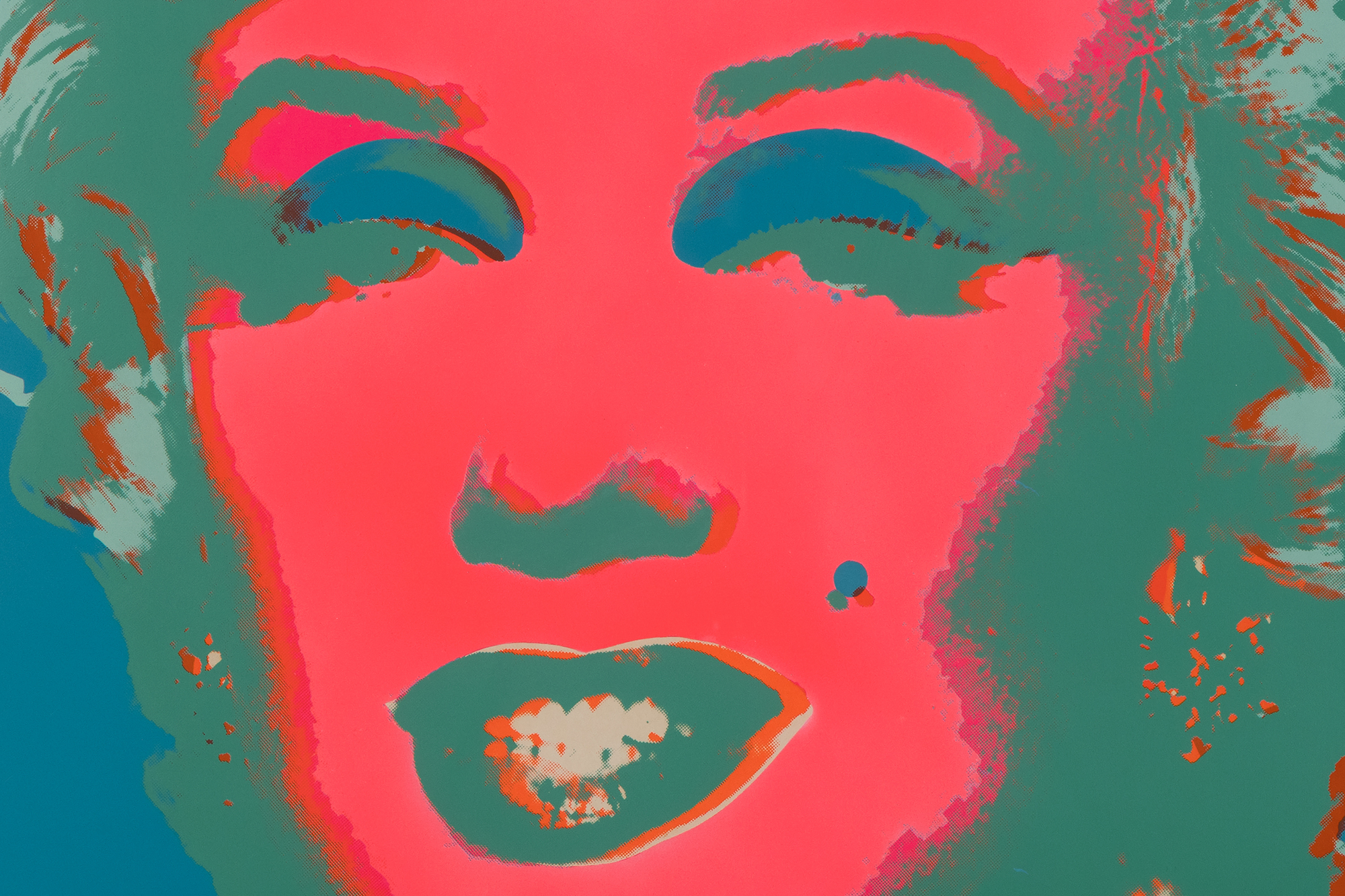
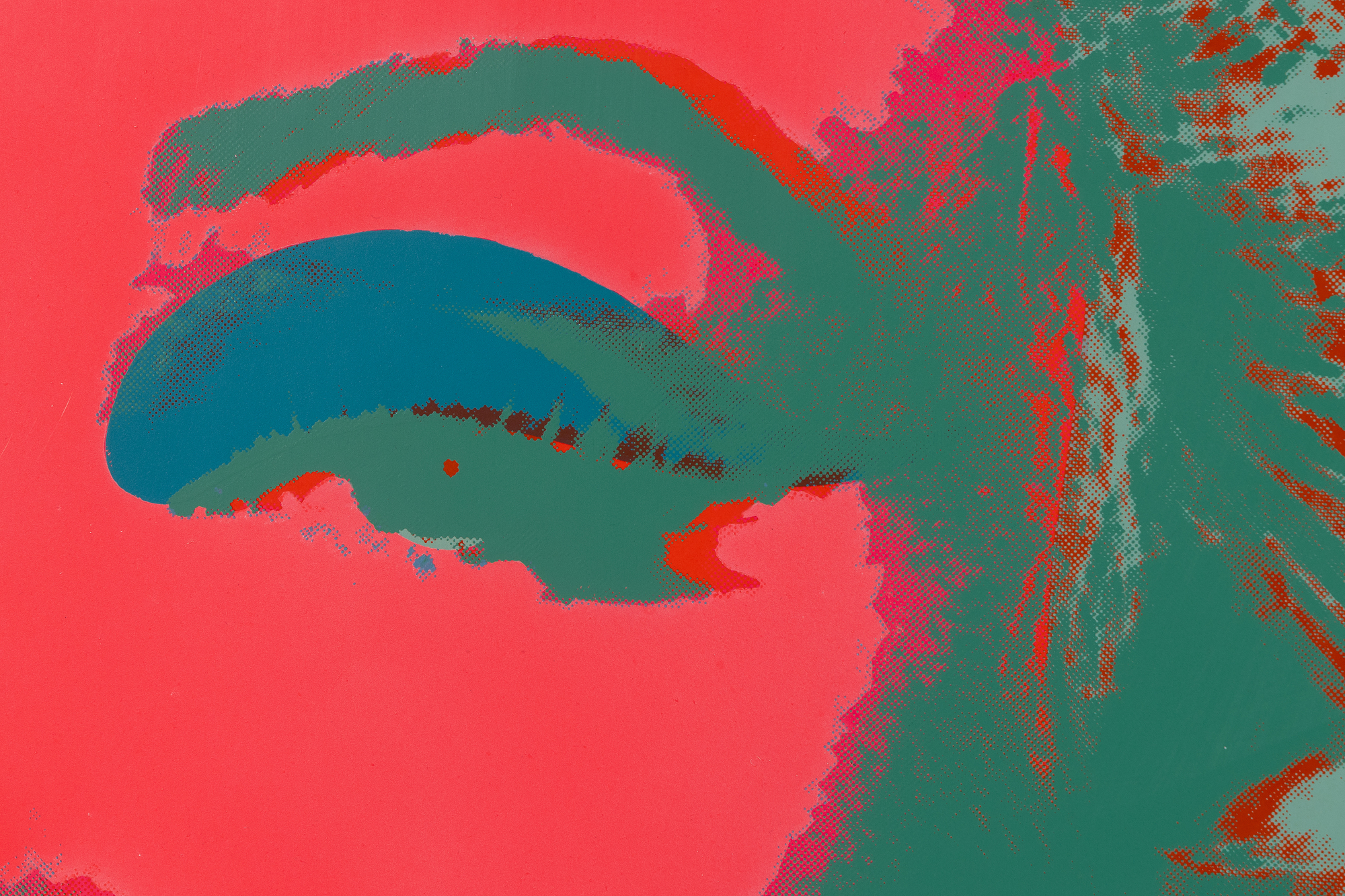
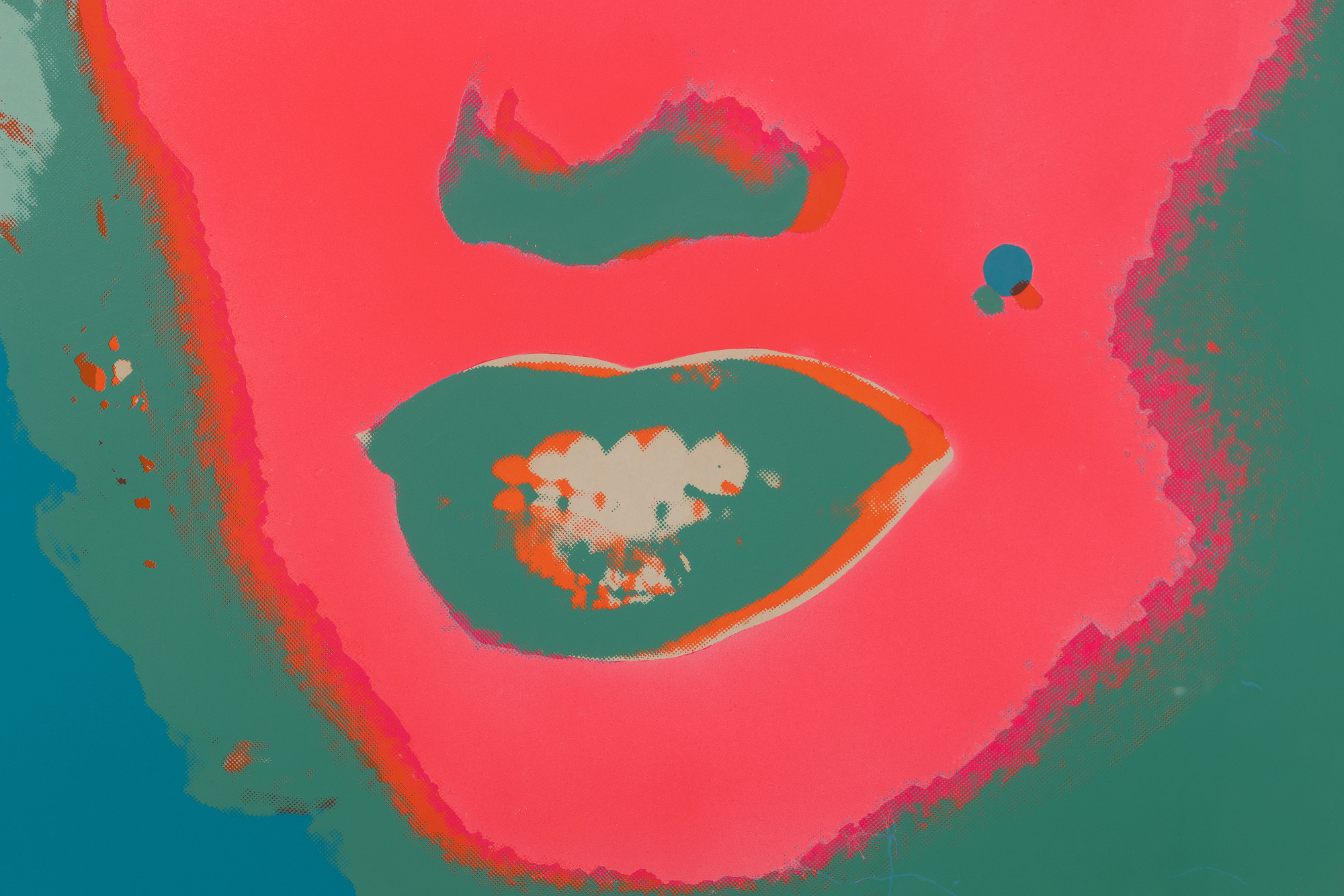
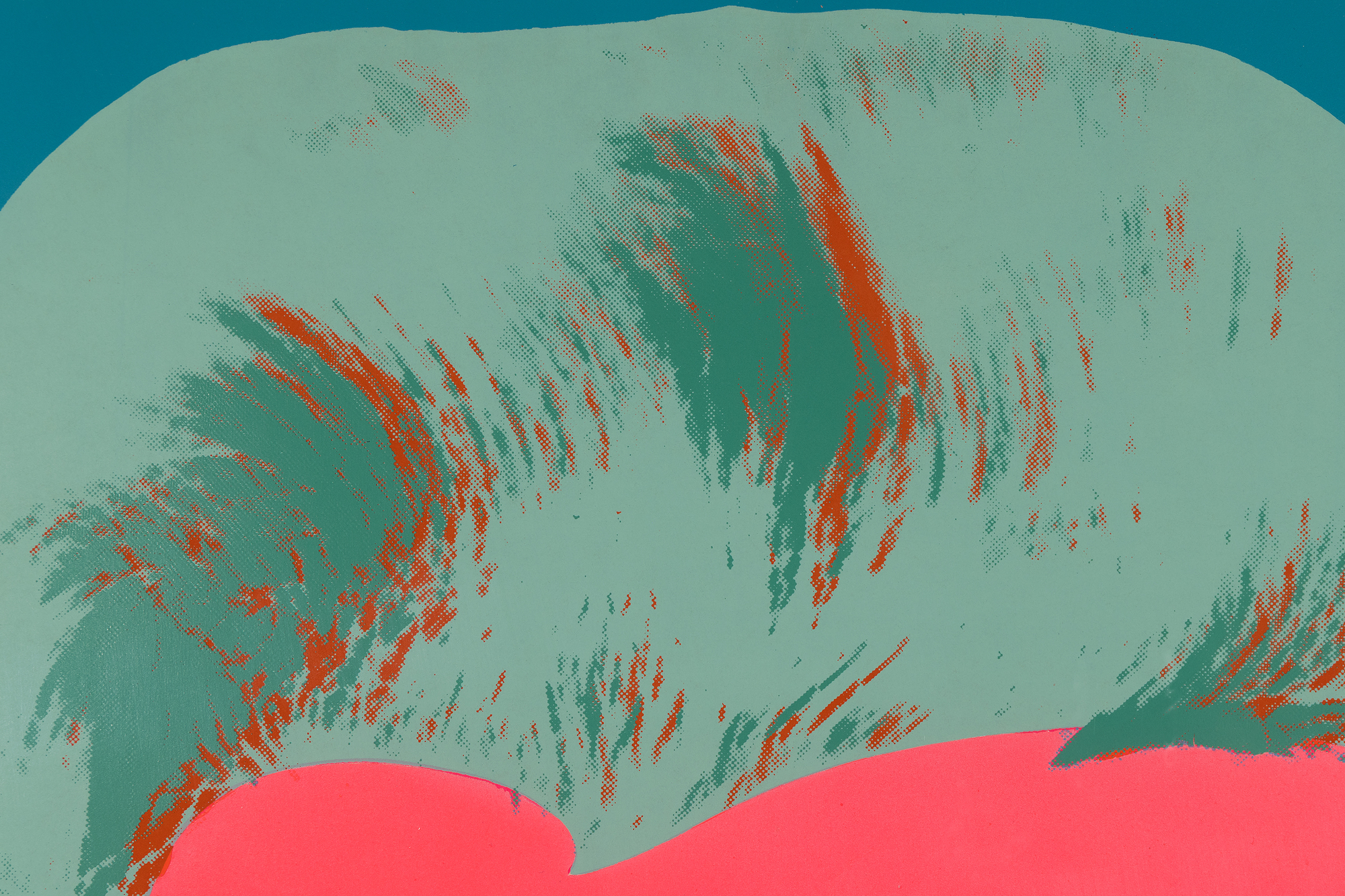
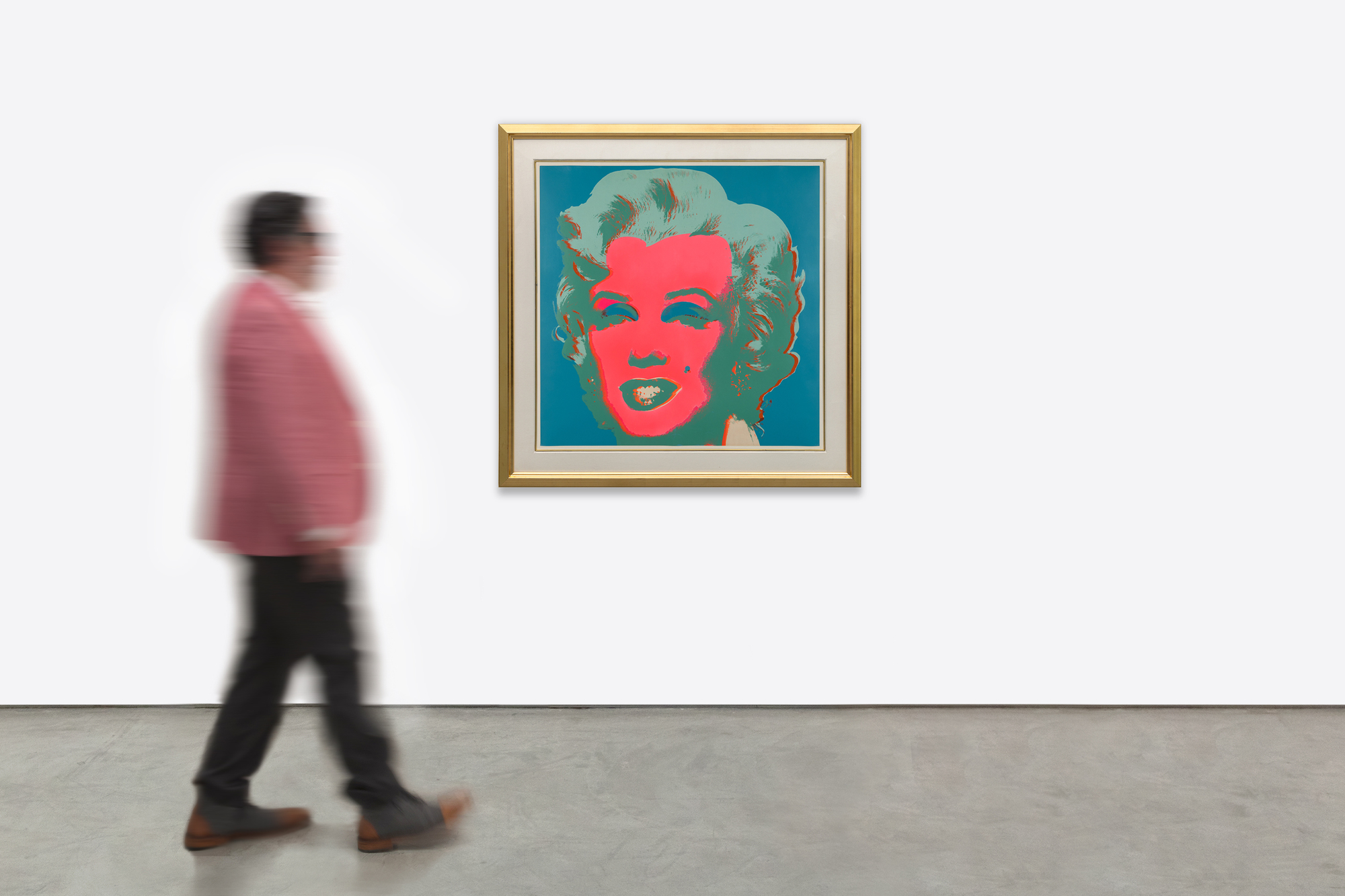
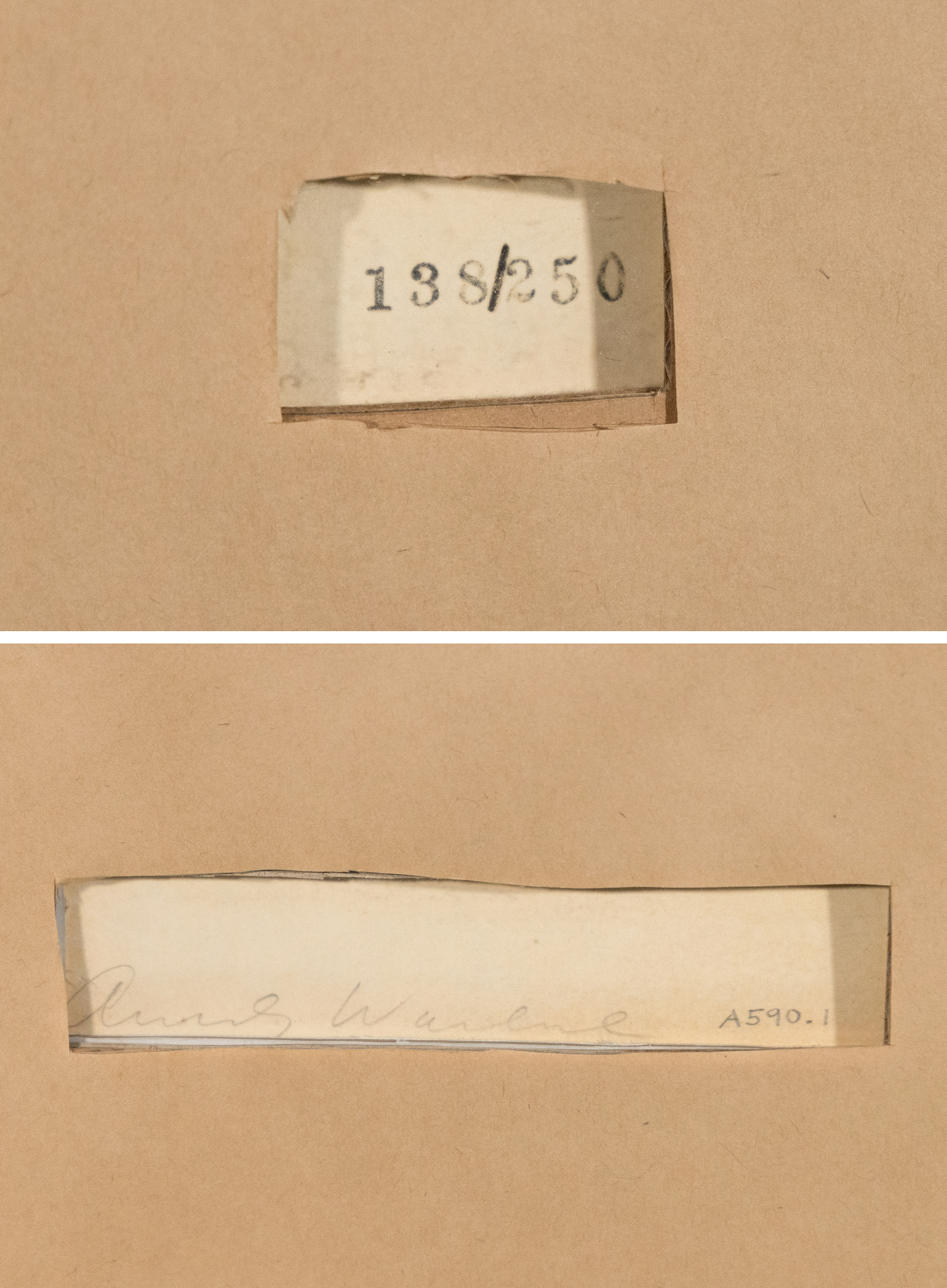
<div><font face=Lato size=3>Andy Warhol’s "Marilyn #30" (1967) is part of the artist’s landmark Marilyn portfolio, one of his most celebrated and sought-after series. From an edition of 250 (this work numbered 138/250, with 26 artist’s proofs), the portfolio is represented in major institutions including the Museum of Modern Art, New York. </font></div><br><br><div><font face=Lato size=3> </font></div><br><br><div><font face=Lato size=3>Based on a publicity still from the 1953 film Niagara, Warhol’s Marilyns epitomize his fascination with celebrity, mass media, and the power of the reproduced image. Each print in the series was created with five screens—one carrying the photographic likeness and four for areas of color—deliberately layered with bold hues that are at times slightly off-register. This misalignment heightens the tension between glamour and artifice, echoing the fragile brilliance of Marilyn Monroe’s own persona. </font></div><br><br><div><font face=Lato size=3> </font></div><br><br><div><font face=Lato size=3>As one of Warhol’s defining bodies of work, the "Marilyn" prints remain icons of Pop Art, merging Hollywood stardom with silkscreen’s mechanical repetition to create a timeless meditation on fame, desire, and image. </font></div> <div><font face=Lato size=3>Andy Warhol’s "Marilyn #30" (1967) is part of the artist’s landmark Marilyn portfolio, one of his most celebrated and sought-after series. From an edition of 250 (this work numbered 138/250, with 26 artist’s proofs), the portfolio is represented in major institutions including the Museum of Modern Art, New York. </font></div><br><br><div><font face=Lato size=3> </font></div><br><br><div><font face=Lato size=3>Based on a publicity still from the 1953 film Niagara, Warhol’s Marilyns epitomize his fascination with celebrity, mass media, and the power of the reproduced image. Each print in the series was created with five screens—one carrying the photographic likeness and four for areas of color—deliberately layered with bold hues that are at times slightly off-register. This misalignment heightens the tension between glamour and artifice, echoing the fragile brilliance of Marilyn Monroe’s own persona. </font></div><br><br><div><font face=Lato size=3> </font></div><br><br><div><font face=Lato size=3>As one of Warhol’s defining bodies of work, the "Marilyn" prints remain icons of Pop Art, merging Hollywood stardom with silkscreen’s mechanical repetition to create a timeless meditation on fame, desire, and image. </font></div> <div><font face=Lato size=3>Andy Warhol’s "Marilyn #30" (1967) is part of the artist’s landmark Marilyn portfolio, one of his most celebrated and sought-after series. From an edition of 250 (this work numbered 138/250, with 26 artist’s proofs), the portfolio is represented in major institutions including the Museum of Modern Art, New York. </font></div><br><br><div><font face=Lato size=3> </font></div><br><br><div><font face=Lato size=3>Based on a publicity still from the 1953 film Niagara, Warhol’s Marilyns epitomize his fascination with celebrity, mass media, and the power of the reproduced image. Each print in the series was created with five screens—one carrying the photographic likeness and four for areas of color—deliberately layered with bold hues that are at times slightly off-register. This misalignment heightens the tension between glamour and artifice, echoing the fragile brilliance of Marilyn Monroe’s own persona. </font></div><br><br><div><font face=Lato size=3> </font></div><br><br><div><font face=Lato size=3>As one of Warhol’s defining bodies of work, the "Marilyn" prints remain icons of Pop Art, merging Hollywood stardom with silkscreen’s mechanical repetition to create a timeless meditation on fame, desire, and image. </font></div> <div><font face=Lato size=3>Andy Warhol’s "Marilyn #30" (1967) is part of the artist’s landmark Marilyn portfolio, one of his most celebrated and sought-after series. From an edition of 250 (this work numbered 138/250, with 26 artist’s proofs), the portfolio is represented in major institutions including the Museum of Modern Art, New York. </font></div><br><br><div><font face=Lato size=3> </font></div><br><br><div><font face=Lato size=3>Based on a publicity still from the 1953 film Niagara, Warhol’s Marilyns epitomize his fascination with celebrity, mass media, and the power of the reproduced image. Each print in the series was created with five screens—one carrying the photographic likeness and four for areas of color—deliberately layered with bold hues that are at times slightly off-register. This misalignment heightens the tension between glamour and artifice, echoing the fragile brilliance of Marilyn Monroe’s own persona. </font></div><br><br><div><font face=Lato size=3> </font></div><br><br><div><font face=Lato size=3>As one of Warhol’s defining bodies of work, the "Marilyn" prints remain icons of Pop Art, merging Hollywood stardom with silkscreen’s mechanical repetition to create a timeless meditation on fame, desire, and image. </font></div> <div><font face=Lato size=3>Andy Warhol’s "Marilyn #30" (1967) is part of the artist’s landmark Marilyn portfolio, one of his most celebrated and sought-after series. From an edition of 250 (this work numbered 138/250, with 26 artist’s proofs), the portfolio is represented in major institutions including the Museum of Modern Art, New York. </font></div><br><br><div><font face=Lato size=3> </font></div><br><br><div><font face=Lato size=3>Based on a publicity still from the 1953 film Niagara, Warhol’s Marilyns epitomize his fascination with celebrity, mass media, and the power of the reproduced image. Each print in the series was created with five screens—one carrying the photographic likeness and four for areas of color—deliberately layered with bold hues that are at times slightly off-register. This misalignment heightens the tension between glamour and artifice, echoing the fragile brilliance of Marilyn Monroe’s own persona. </font></div><br><br><div><font face=Lato size=3> </font></div><br><br><div><font face=Lato size=3>As one of Warhol’s defining bodies of work, the "Marilyn" prints remain icons of Pop Art, merging Hollywood stardom with silkscreen’s mechanical repetition to create a timeless meditation on fame, desire, and image. </font></div> <div><font face=Lato size=3>Andy Warhol’s "Marilyn #30" (1967) is part of the artist’s landmark Marilyn portfolio, one of his most celebrated and sought-after series. From an edition of 250 (this work numbered 138/250, with 26 artist’s proofs), the portfolio is represented in major institutions including the Museum of Modern Art, New York. </font></div><br><br><div><font face=Lato size=3> </font></div><br><br><div><font face=Lato size=3>Based on a publicity still from the 1953 film Niagara, Warhol’s Marilyns epitomize his fascination with celebrity, mass media, and the power of the reproduced image. Each print in the series was created with five screens—one carrying the photographic likeness and four for areas of color—deliberately layered with bold hues that are at times slightly off-register. This misalignment heightens the tension between glamour and artifice, echoing the fragile brilliance of Marilyn Monroe’s own persona. </font></div><br><br><div><font face=Lato size=3> </font></div><br><br><div><font face=Lato size=3>As one of Warhol’s defining bodies of work, the "Marilyn" prints remain icons of Pop Art, merging Hollywood stardom with silkscreen’s mechanical repetition to create a timeless meditation on fame, desire, and image. </font></div> <div><font face=Lato size=3>Andy Warhol’s "Marilyn #30" (1967) is part of the artist’s landmark Marilyn portfolio, one of his most celebrated and sought-after series. From an edition of 250 (this work numbered 138/250, with 26 artist’s proofs), the portfolio is represented in major institutions including the Museum of Modern Art, New York. </font></div><br><br><div><font face=Lato size=3> </font></div><br><br><div><font face=Lato size=3>Based on a publicity still from the 1953 film Niagara, Warhol’s Marilyns epitomize his fascination with celebrity, mass media, and the power of the reproduced image. Each print in the series was created with five screens—one carrying the photographic likeness and four for areas of color—deliberately layered with bold hues that are at times slightly off-register. This misalignment heightens the tension between glamour and artifice, echoing the fragile brilliance of Marilyn Monroe’s own persona. </font></div><br><br><div><font face=Lato size=3> </font></div><br><br><div><font face=Lato size=3>As one of Warhol’s defining bodies of work, the "Marilyn" prints remain icons of Pop Art, merging Hollywood stardom with silkscreen’s mechanical repetition to create a timeless meditation on fame, desire, and image. </font></div> <div><font face=Lato size=3>Andy Warhol’s "Marilyn #30" (1967) is part of the artist’s landmark Marilyn portfolio, one of his most celebrated and sought-after series. From an edition of 250 (this work numbered 138/250, with 26 artist’s proofs), the portfolio is represented in major institutions including the Museum of Modern Art, New York. </font></div><br><br><div><font face=Lato size=3> </font></div><br><br><div><font face=Lato size=3>Based on a publicity still from the 1953 film Niagara, Warhol’s Marilyns epitomize his fascination with celebrity, mass media, and the power of the reproduced image. Each print in the series was created with five screens—one carrying the photographic likeness and four for areas of color—deliberately layered with bold hues that are at times slightly off-register. This misalignment heightens the tension between glamour and artifice, echoing the fragile brilliance of Marilyn Monroe’s own persona. </font></div><br><br><div><font face=Lato size=3> </font></div><br><br><div><font face=Lato size=3>As one of Warhol’s defining bodies of work, the "Marilyn" prints remain icons of Pop Art, merging Hollywood stardom with silkscreen’s mechanical repetition to create a timeless meditation on fame, desire, and image. </font></div> <div><font face=Lato size=3>Andy Warhol’s "Marilyn #30" (1967) is part of the artist’s landmark Marilyn portfolio, one of his most celebrated and sought-after series. From an edition of 250 (this work numbered 138/250, with 26 artist’s proofs), the portfolio is represented in major institutions including the Museum of Modern Art, New York. </font></div><br><br><div><font face=Lato size=3> </font></div><br><br><div><font face=Lato size=3>Based on a publicity still from the 1953 film Niagara, Warhol’s Marilyns epitomize his fascination with celebrity, mass media, and the power of the reproduced image. Each print in the series was created with five screens—one carrying the photographic likeness and four for areas of color—deliberately layered with bold hues that are at times slightly off-register. This misalignment heightens the tension between glamour and artifice, echoing the fragile brilliance of Marilyn Monroe’s own persona. </font></div><br><br><div><font face=Lato size=3> </font></div><br><br><div><font face=Lato size=3>As one of Warhol’s defining bodies of work, the "Marilyn" prints remain icons of Pop Art, merging Hollywood stardom with silkscreen’s mechanical repetition to create a timeless meditation on fame, desire, and image. </font></div> <div><font face=Lato size=3>Andy Warhol’s "Marilyn #30" (1967) is part of the artist’s landmark Marilyn portfolio, one of his most celebrated and sought-after series. From an edition of 250 (this work numbered 138/250, with 26 artist’s proofs), the portfolio is represented in major institutions including the Museum of Modern Art, New York. </font></div><br><br><div><font face=Lato size=3> </font></div><br><br><div><font face=Lato size=3>Based on a publicity still from the 1953 film Niagara, Warhol’s Marilyns epitomize his fascination with celebrity, mass media, and the power of the reproduced image. Each print in the series was created with five screens—one carrying the photographic likeness and four for areas of color—deliberately layered with bold hues that are at times slightly off-register. This misalignment heightens the tension between glamour and artifice, echoing the fragile brilliance of Marilyn Monroe’s own persona. </font></div><br><br><div><font face=Lato size=3> </font></div><br><br><div><font face=Lato size=3>As one of Warhol’s defining bodies of work, the "Marilyn" prints remain icons of Pop Art, merging Hollywood stardom with silkscreen’s mechanical repetition to create a timeless meditation on fame, desire, and image. </font></div>
Marilyn nº 30196736 x 36 pulg.(91,44 x 91,44 cm) serigrafía en color
Procedencia
Hamilton Selway Bellas Artes
Colección Privada
Heather James Bellas Artes
Literatura
Frayda Feldman y Jorg Schellmann, Andy Warhol Prints: A Catalogue Raisonne: 1962-1987, Nueva York, 2003, no. II.30
Marilyn #30" (1967) de Andy Warhol forma parte de la emblemática carpeta Marilyn del artista, una de sus series más célebres y solicitadas. De una edición de 250 ejemplares (esta obra lleva el número 138/250, con 26 pruebas de artista), la carpeta está representada en importantes instituciones, entre ellas el Museo de Arte Moderno de Nueva York.


Basadas en un fotograma publicitario de la película Niágara de 1953, las Marilyn de Warhol personifican su fascinación por las celebridades, los medios de comunicación de masas y el poder de la imagen reproducida. Cada una de las impresiones de la serie se creó con cinco pantallas -una con la imagen fotográfica y cuatro con zonas de color- deliberadamente superpuestas con tonos llamativos que a veces están ligeramente desalineados. Esta desalineación acentúa la tensión entre glamour y artificio, reflejando la frágil brillantez de la personalidad de Marilyn Monroe.


Los grabados "Marilyn", una de las obras que definen la obra de Warhol, siguen siendo iconos del arte pop, ya que fusionan el estrellato de Hollywood con la repetición mecánica de la serigrafía para crear una meditación atemporal sobre la fama, el deseo y la imagen.
Preguntar