Atrás

CLAUDE MONET (1840-1926)

$5,750,000

 
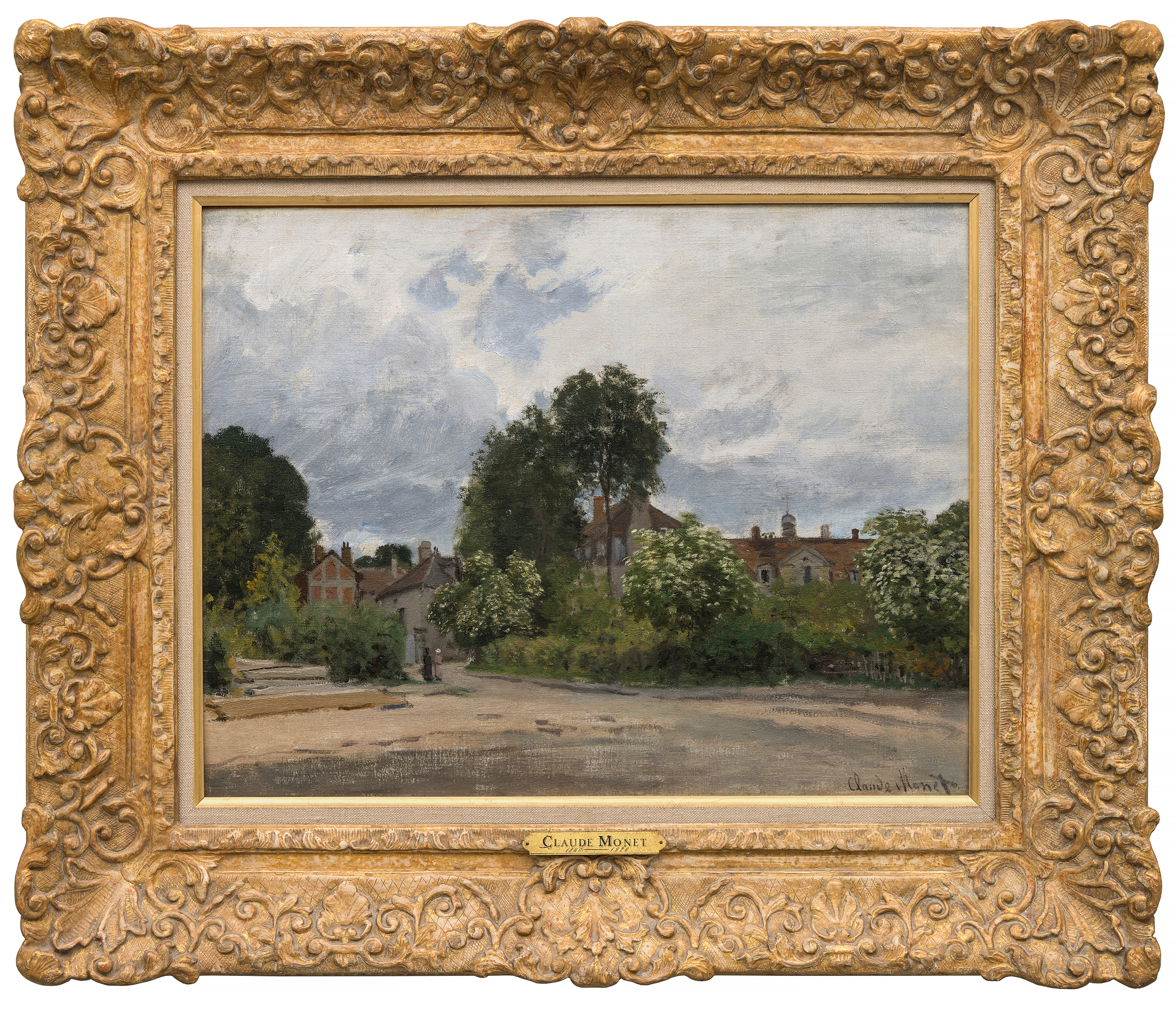
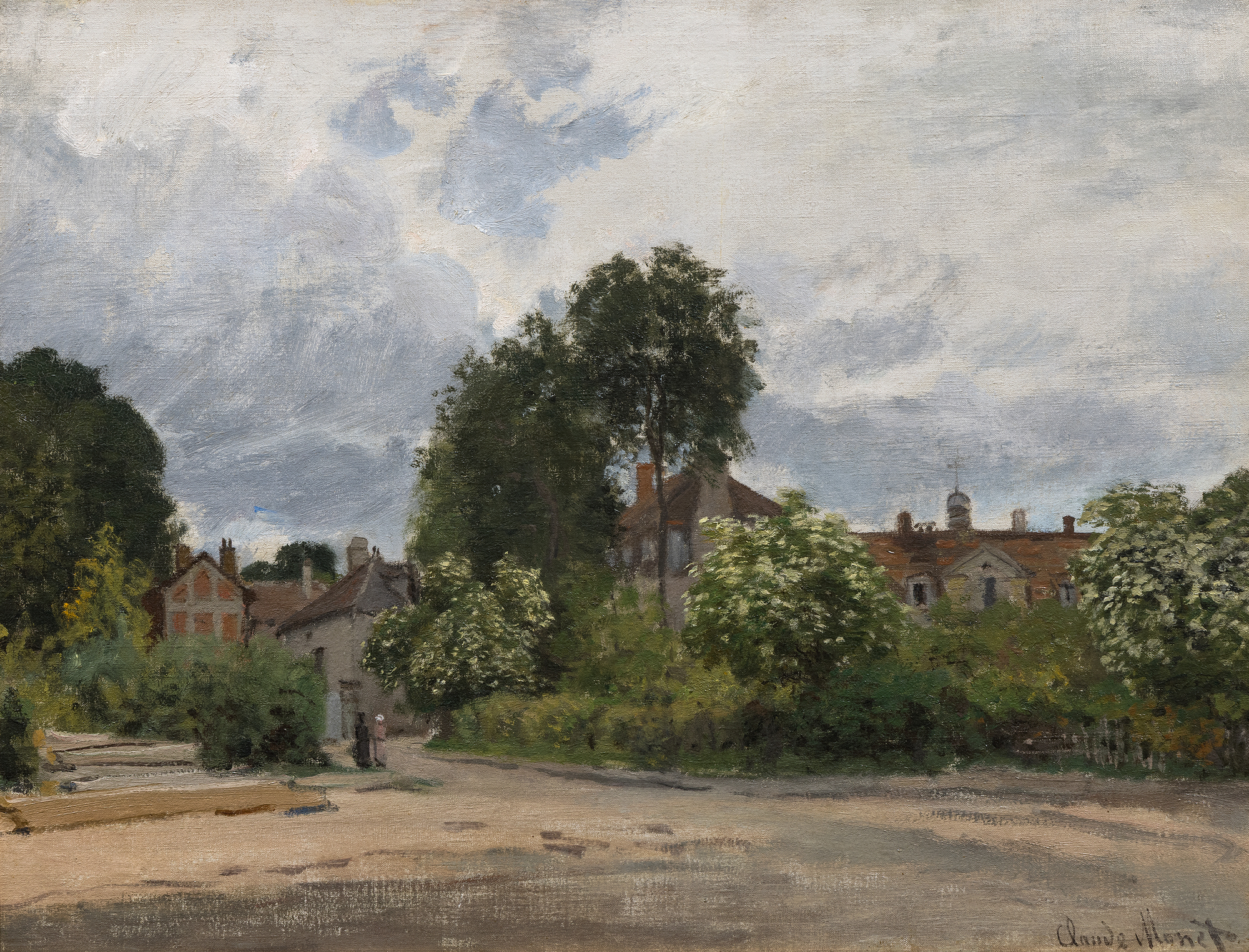
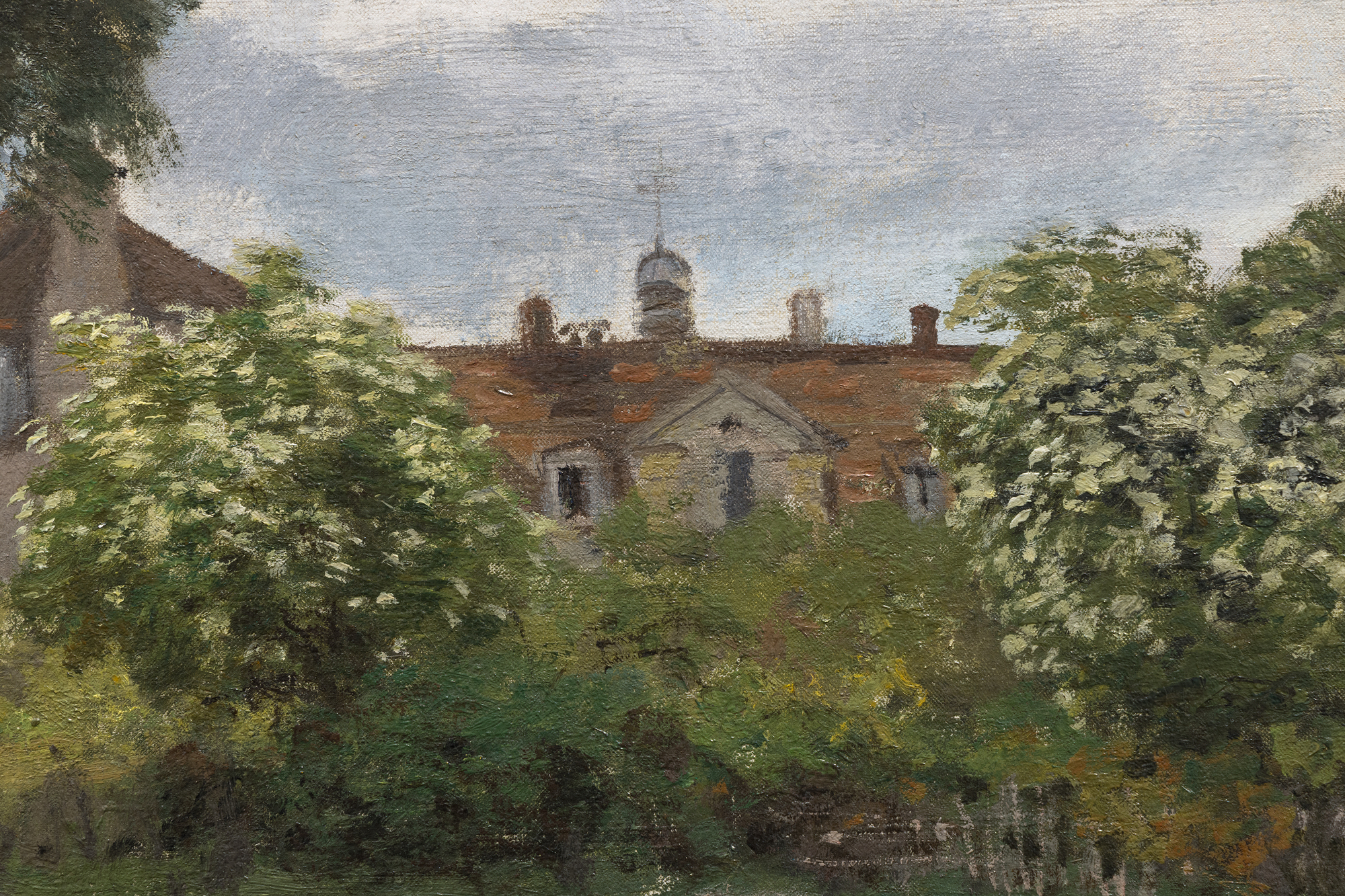
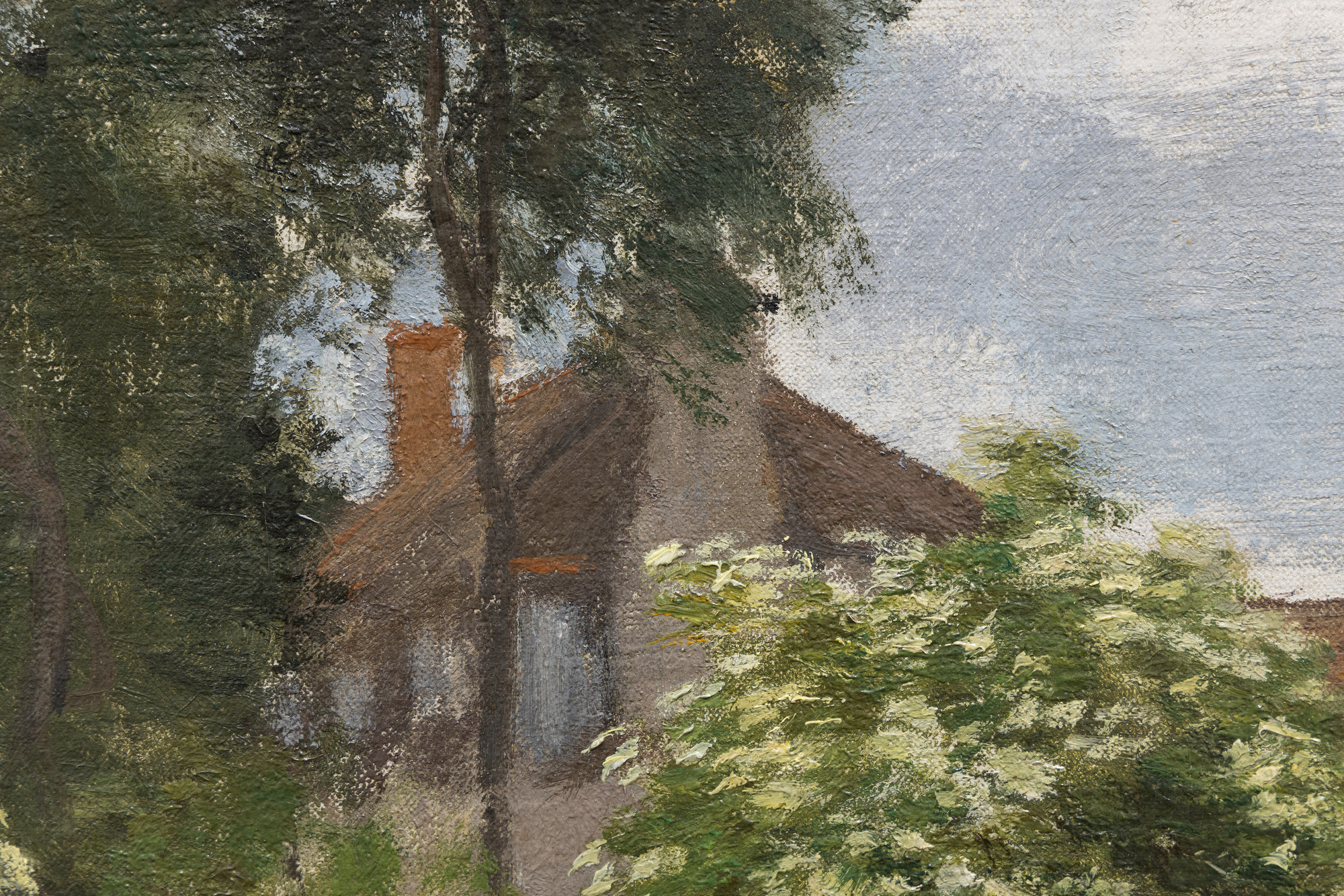
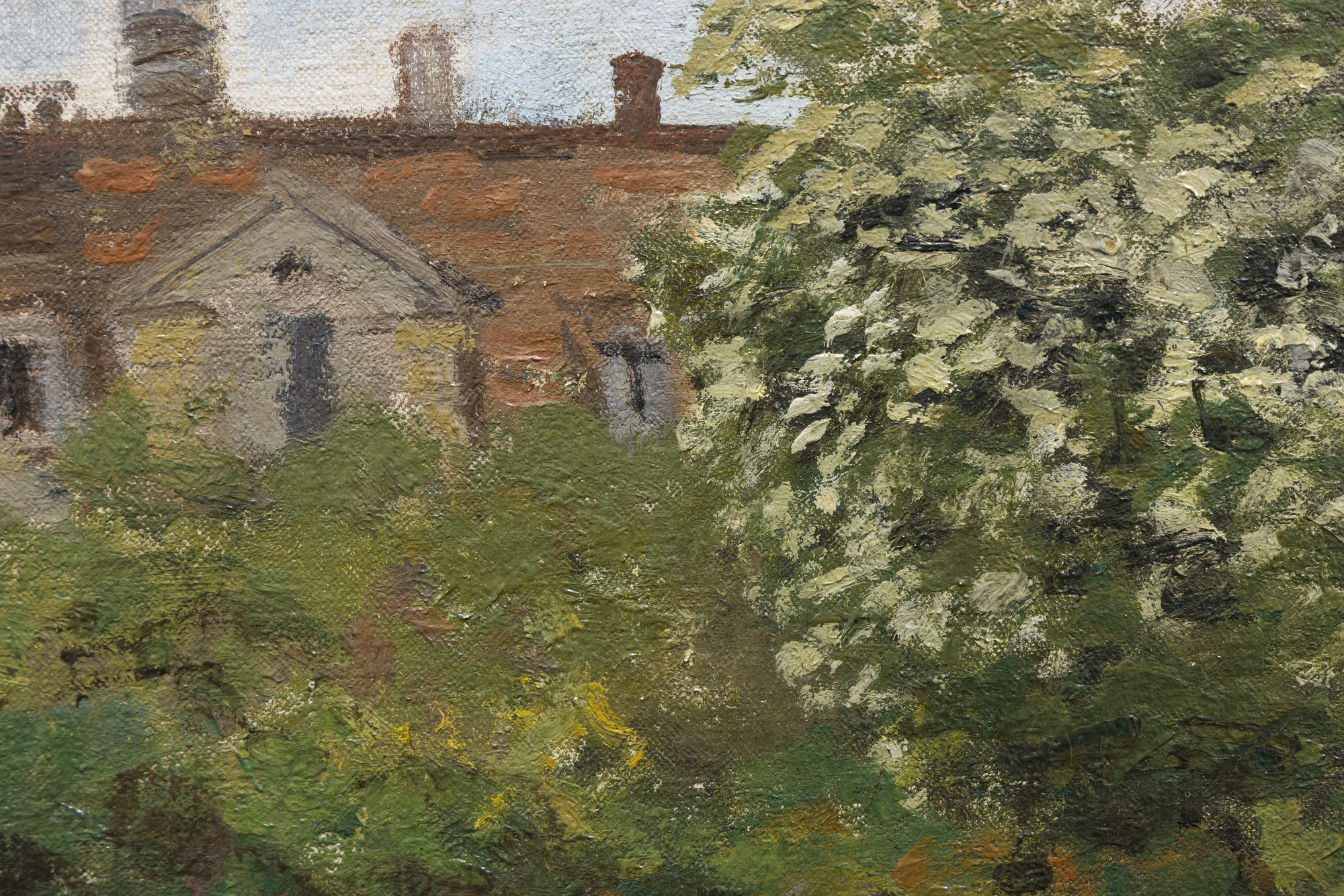
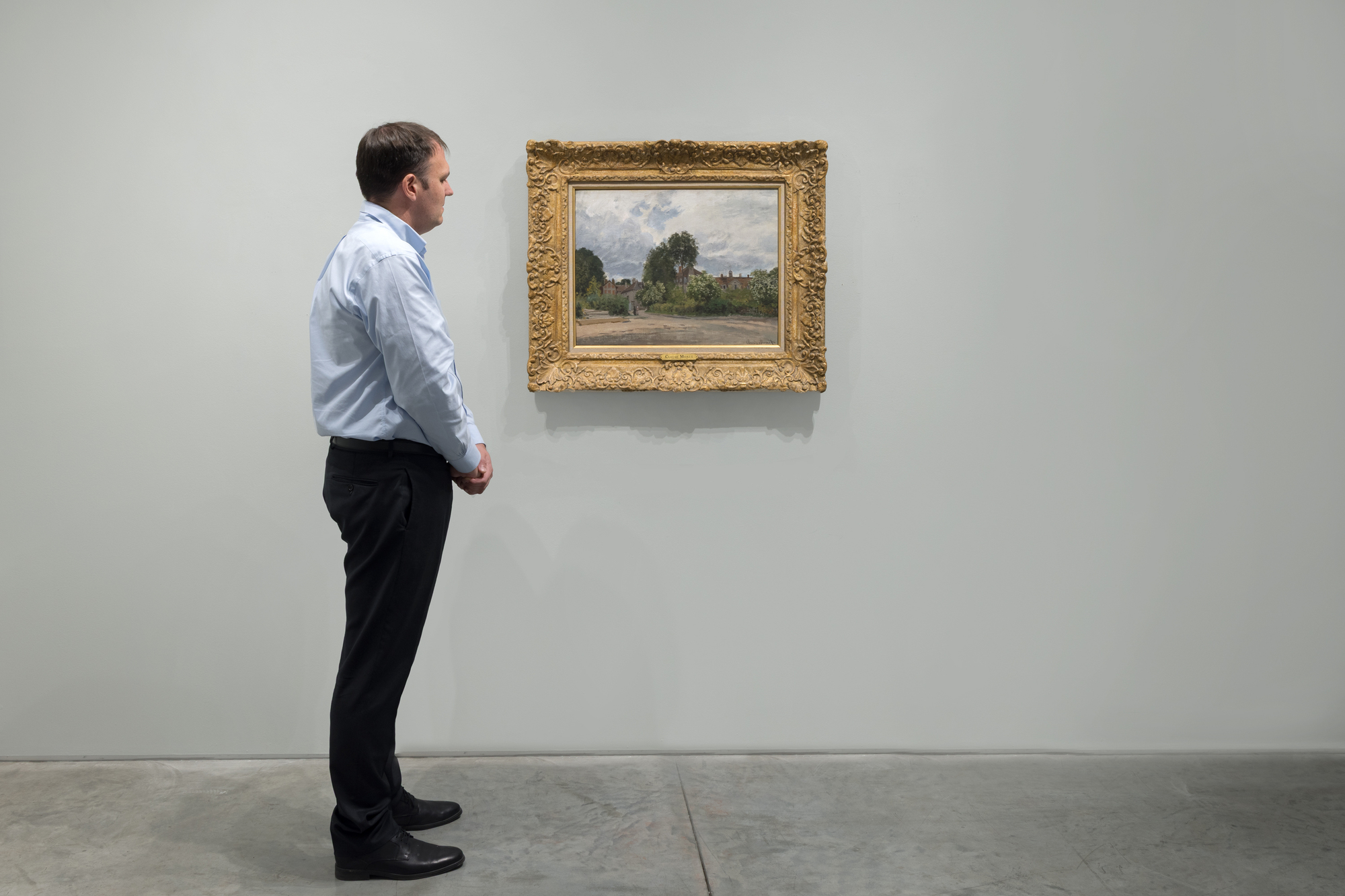
<div><font face=Lato size=3 color="#191919"><em>Argenteuil, l’Hospice</em> from 1872 belongs to one of the most formative chapters in Claude Monet’s career, painted during his early years in Argenteuil where he created nearly one hundred eighty canvases between 1871 and 1878. First owned by Paul Durand Ruel, Monet’s dealer and the most important champion of the Impressionists, the painting is included in the Wildenstein catalogue and was featured in the National Gallery London’s landmark exhibition <em>Monet and Architecture </em>in 2018. Created in the same year as his breakthrough <em>Impression, Sunrise</em>, the work reflects the moment when Monet’s vision for modern landscape took shape and laid the foundation for the movement that would soon be known as Impressionism.</font></div><br><br><div> </div><br><br><div><font face=Lato size=3 color="#191919">Monet settled in Argenteuil in late 1871, determined to renew his artistic direction after the upheavals of war and exile. The town offered an enticing blend of historical architecture, modern industry, rustic gardens, and the ever-shifting Seine, all within easy reach of Paris. The Aubrey House, where Monet lived, became a gathering place for Renoir, Manet, Sisley, Caillebotte, and later Pissarro, a setting that fostered both artistic exchange and the planning of the first Impressionist exhibition of 1874. As scholar Paul Hayes Tucker has noted, Argenteuil offered Monet a rare diversity of motifs that he encountered daily, ranging from the charmingly old to the strikingly new.</font></div><br><br><div> </div><br><br><div><font face=Lato size=3 color="#191919">In this painting Monet set his easel on rue Pierre Guienne, with his back to the Aubrey House, and painted the seventeenth century building that served at the time as the hospice of the Porte Saint Denis. The structure appears at right, viewed from the Seine, rendered with a quiet clarity that captures the atmosphere of an early spring day. The palette reflects both a reverence for the site’s history and an appreciation for Eugène Boudin, the friend and mentor who had encouraged Monet to paint the play of air and light years earlier and who joined him for a housewarming at Argenteuil on January 2, 1872. The hospice later became the Musée du Vieil Argenteuil, further reinforcing the historical resonance of the site.</font></div><br><br><div> </div><br><br><div><font face=Lato size=3 color="#191919"><em>Argenteuil, l’Hospice</em> stands as one of Monet’s earliest paintings from this crucial period and offers a faithful, atmospheric interpretation of a place deeply intertwined with the origins of Impressionism. Its blend of gentle tonalities, soft spring light, and direct observation reveals the artist’s growing confidence in painting the world as he perceived it, moment by moment, as a new vision for modern landscape art emerged.</font></div> <div><font face=Lato size=3 color="#191919"><em>Argenteuil, l’Hospice</em> from 1872 belongs to one of the most formative chapters in Claude Monet’s career, painted during his early years in Argenteuil where he created nearly one hundred eighty canvases between 1871 and 1878. First owned by Paul Durand Ruel, Monet’s dealer and the most important champion of the Impressionists, the painting is included in the Wildenstein catalogue and was featured in the National Gallery London’s landmark exhibition <em>Monet and Architecture </em>in 2018. Created in the same year as his breakthrough <em>Impression, Sunrise</em>, the work reflects the moment when Monet’s vision for modern landscape took shape and laid the foundation for the movement that would soon be known as Impressionism.</font></div><br><br><div> </div><br><br><div><font face=Lato size=3 color="#191919">Monet settled in Argenteuil in late 1871, determined to renew his artistic direction after the upheavals of war and exile. The town offered an enticing blend of historical architecture, modern industry, rustic gardens, and the ever-shifting Seine, all within easy reach of Paris. The Aubrey House, where Monet lived, became a gathering place for Renoir, Manet, Sisley, Caillebotte, and later Pissarro, a setting that fostered both artistic exchange and the planning of the first Impressionist exhibition of 1874. As scholar Paul Hayes Tucker has noted, Argenteuil offered Monet a rare diversity of motifs that he encountered daily, ranging from the charmingly old to the strikingly new.</font></div><br><br><div> </div><br><br><div><font face=Lato size=3 color="#191919">In this painting Monet set his easel on rue Pierre Guienne, with his back to the Aubrey House, and painted the seventeenth century building that served at the time as the hospice of the Porte Saint Denis. The structure appears at right, viewed from the Seine, rendered with a quiet clarity that captures the atmosphere of an early spring day. The palette reflects both a reverence for the site’s history and an appreciation for Eugène Boudin, the friend and mentor who had encouraged Monet to paint the play of air and light years earlier and who joined him for a housewarming at Argenteuil on January 2, 1872. The hospice later became the Musée du Vieil Argenteuil, further reinforcing the historical resonance of the site.</font></div><br><br><div> </div><br><br><div><font face=Lato size=3 color="#191919"><em>Argenteuil, l’Hospice</em> stands as one of Monet’s earliest paintings from this crucial period and offers a faithful, atmospheric interpretation of a place deeply intertwined with the origins of Impressionism. Its blend of gentle tonalities, soft spring light, and direct observation reveals the artist’s growing confidence in painting the world as he perceived it, moment by moment, as a new vision for modern landscape art emerged.</font></div> <div><font face=Lato size=3 color="#191919"><em>Argenteuil, l’Hospice</em> from 1872 belongs to one of the most formative chapters in Claude Monet’s career, painted during his early years in Argenteuil where he created nearly one hundred eighty canvases between 1871 and 1878. First owned by Paul Durand Ruel, Monet’s dealer and the most important champion of the Impressionists, the painting is included in the Wildenstein catalogue and was featured in the National Gallery London’s landmark exhibition <em>Monet and Architecture </em>in 2018. Created in the same year as his breakthrough <em>Impression, Sunrise</em>, the work reflects the moment when Monet’s vision for modern landscape took shape and laid the foundation for the movement that would soon be known as Impressionism.</font></div><br><br><div> </div><br><br><div><font face=Lato size=3 color="#191919">Monet settled in Argenteuil in late 1871, determined to renew his artistic direction after the upheavals of war and exile. The town offered an enticing blend of historical architecture, modern industry, rustic gardens, and the ever-shifting Seine, all within easy reach of Paris. The Aubrey House, where Monet lived, became a gathering place for Renoir, Manet, Sisley, Caillebotte, and later Pissarro, a setting that fostered both artistic exchange and the planning of the first Impressionist exhibition of 1874. As scholar Paul Hayes Tucker has noted, Argenteuil offered Monet a rare diversity of motifs that he encountered daily, ranging from the charmingly old to the strikingly new.</font></div><br><br><div> </div><br><br><div><font face=Lato size=3 color="#191919">In this painting Monet set his easel on rue Pierre Guienne, with his back to the Aubrey House, and painted the seventeenth century building that served at the time as the hospice of the Porte Saint Denis. The structure appears at right, viewed from the Seine, rendered with a quiet clarity that captures the atmosphere of an early spring day. The palette reflects both a reverence for the site’s history and an appreciation for Eugène Boudin, the friend and mentor who had encouraged Monet to paint the play of air and light years earlier and who joined him for a housewarming at Argenteuil on January 2, 1872. The hospice later became the Musée du Vieil Argenteuil, further reinforcing the historical resonance of the site.</font></div><br><br><div> </div><br><br><div><font face=Lato size=3 color="#191919"><em>Argenteuil, l’Hospice</em> stands as one of Monet’s earliest paintings from this crucial period and offers a faithful, atmospheric interpretation of a place deeply intertwined with the origins of Impressionism. Its blend of gentle tonalities, soft spring light, and direct observation reveals the artist’s growing confidence in painting the world as he perceived it, moment by moment, as a new vision for modern landscape art emerged.</font></div> <div><font face=Lato size=3 color="#191919"><em>Argenteuil, l’Hospice</em> from 1872 belongs to one of the most formative chapters in Claude Monet’s career, painted during his early years in Argenteuil where he created nearly one hundred eighty canvases between 1871 and 1878. First owned by Paul Durand Ruel, Monet’s dealer and the most important champion of the Impressionists, the painting is included in the Wildenstein catalogue and was featured in the National Gallery London’s landmark exhibition <em>Monet and Architecture </em>in 2018. Created in the same year as his breakthrough <em>Impression, Sunrise</em>, the work reflects the moment when Monet’s vision for modern landscape took shape and laid the foundation for the movement that would soon be known as Impressionism.</font></div><br><br><div> </div><br><br><div><font face=Lato size=3 color="#191919">Monet settled in Argenteuil in late 1871, determined to renew his artistic direction after the upheavals of war and exile. The town offered an enticing blend of historical architecture, modern industry, rustic gardens, and the ever-shifting Seine, all within easy reach of Paris. The Aubrey House, where Monet lived, became a gathering place for Renoir, Manet, Sisley, Caillebotte, and later Pissarro, a setting that fostered both artistic exchange and the planning of the first Impressionist exhibition of 1874. As scholar Paul Hayes Tucker has noted, Argenteuil offered Monet a rare diversity of motifs that he encountered daily, ranging from the charmingly old to the strikingly new.</font></div><br><br><div> </div><br><br><div><font face=Lato size=3 color="#191919">In this painting Monet set his easel on rue Pierre Guienne, with his back to the Aubrey House, and painted the seventeenth century building that served at the time as the hospice of the Porte Saint Denis. The structure appears at right, viewed from the Seine, rendered with a quiet clarity that captures the atmosphere of an early spring day. The palette reflects both a reverence for the site’s history and an appreciation for Eugène Boudin, the friend and mentor who had encouraged Monet to paint the play of air and light years earlier and who joined him for a housewarming at Argenteuil on January 2, 1872. The hospice later became the Musée du Vieil Argenteuil, further reinforcing the historical resonance of the site.</font></div><br><br><div> </div><br><br><div><font face=Lato size=3 color="#191919"><em>Argenteuil, l’Hospice</em> stands as one of Monet’s earliest paintings from this crucial period and offers a faithful, atmospheric interpretation of a place deeply intertwined with the origins of Impressionism. Its blend of gentle tonalities, soft spring light, and direct observation reveals the artist’s growing confidence in painting the world as he perceived it, moment by moment, as a new vision for modern landscape art emerged.</font></div> <div><font face=Lato size=3 color="#191919"><em>Argenteuil, l’Hospice</em> from 1872 belongs to one of the most formative chapters in Claude Monet’s career, painted during his early years in Argenteuil where he created nearly one hundred eighty canvases between 1871 and 1878. First owned by Paul Durand Ruel, Monet’s dealer and the most important champion of the Impressionists, the painting is included in the Wildenstein catalogue and was featured in the National Gallery London’s landmark exhibition <em>Monet and Architecture </em>in 2018. Created in the same year as his breakthrough <em>Impression, Sunrise</em>, the work reflects the moment when Monet’s vision for modern landscape took shape and laid the foundation for the movement that would soon be known as Impressionism.</font></div><br><br><div> </div><br><br><div><font face=Lato size=3 color="#191919">Monet settled in Argenteuil in late 1871, determined to renew his artistic direction after the upheavals of war and exile. The town offered an enticing blend of historical architecture, modern industry, rustic gardens, and the ever-shifting Seine, all within easy reach of Paris. The Aubrey House, where Monet lived, became a gathering place for Renoir, Manet, Sisley, Caillebotte, and later Pissarro, a setting that fostered both artistic exchange and the planning of the first Impressionist exhibition of 1874. As scholar Paul Hayes Tucker has noted, Argenteuil offered Monet a rare diversity of motifs that he encountered daily, ranging from the charmingly old to the strikingly new.</font></div><br><br><div> </div><br><br><div><font face=Lato size=3 color="#191919">In this painting Monet set his easel on rue Pierre Guienne, with his back to the Aubrey House, and painted the seventeenth century building that served at the time as the hospice of the Porte Saint Denis. The structure appears at right, viewed from the Seine, rendered with a quiet clarity that captures the atmosphere of an early spring day. The palette reflects both a reverence for the site’s history and an appreciation for Eugène Boudin, the friend and mentor who had encouraged Monet to paint the play of air and light years earlier and who joined him for a housewarming at Argenteuil on January 2, 1872. The hospice later became the Musée du Vieil Argenteuil, further reinforcing the historical resonance of the site.</font></div><br><br><div> </div><br><br><div><font face=Lato size=3 color="#191919"><em>Argenteuil, l’Hospice</em> stands as one of Monet’s earliest paintings from this crucial period and offers a faithful, atmospheric interpretation of a place deeply intertwined with the origins of Impressionism. Its blend of gentle tonalities, soft spring light, and direct observation reveals the artist’s growing confidence in painting the world as he perceived it, moment by moment, as a new vision for modern landscape art emerged.</font></div> <div><font face=Lato size=3 color="#191919"><em>Argenteuil, l’Hospice</em> from 1872 belongs to one of the most formative chapters in Claude Monet’s career, painted during his early years in Argenteuil where he created nearly one hundred eighty canvases between 1871 and 1878. First owned by Paul Durand Ruel, Monet’s dealer and the most important champion of the Impressionists, the painting is included in the Wildenstein catalogue and was featured in the National Gallery London’s landmark exhibition <em>Monet and Architecture </em>in 2018. Created in the same year as his breakthrough <em>Impression, Sunrise</em>, the work reflects the moment when Monet’s vision for modern landscape took shape and laid the foundation for the movement that would soon be known as Impressionism.</font></div><br><br><div> </div><br><br><div><font face=Lato size=3 color="#191919">Monet settled in Argenteuil in late 1871, determined to renew his artistic direction after the upheavals of war and exile. The town offered an enticing blend of historical architecture, modern industry, rustic gardens, and the ever-shifting Seine, all within easy reach of Paris. The Aubrey House, where Monet lived, became a gathering place for Renoir, Manet, Sisley, Caillebotte, and later Pissarro, a setting that fostered both artistic exchange and the planning of the first Impressionist exhibition of 1874. As scholar Paul Hayes Tucker has noted, Argenteuil offered Monet a rare diversity of motifs that he encountered daily, ranging from the charmingly old to the strikingly new.</font></div><br><br><div> </div><br><br><div><font face=Lato size=3 color="#191919">In this painting Monet set his easel on rue Pierre Guienne, with his back to the Aubrey House, and painted the seventeenth century building that served at the time as the hospice of the Porte Saint Denis. The structure appears at right, viewed from the Seine, rendered with a quiet clarity that captures the atmosphere of an early spring day. The palette reflects both a reverence for the site’s history and an appreciation for Eugène Boudin, the friend and mentor who had encouraged Monet to paint the play of air and light years earlier and who joined him for a housewarming at Argenteuil on January 2, 1872. The hospice later became the Musée du Vieil Argenteuil, further reinforcing the historical resonance of the site.</font></div><br><br><div> </div><br><br><div><font face=Lato size=3 color="#191919"><em>Argenteuil, l’Hospice</em> stands as one of Monet’s earliest paintings from this crucial period and offers a faithful, atmospheric interpretation of a place deeply intertwined with the origins of Impressionism. Its blend of gentle tonalities, soft spring light, and direct observation reveals the artist’s growing confidence in painting the world as he perceived it, moment by moment, as a new vision for modern landscape art emerged.</font></div> <div><font face=Lato size=3 color="#191919"><em>Argenteuil, l’Hospice</em> from 1872 belongs to one of the most formative chapters in Claude Monet’s career, painted during his early years in Argenteuil where he created nearly one hundred eighty canvases between 1871 and 1878. First owned by Paul Durand Ruel, Monet’s dealer and the most important champion of the Impressionists, the painting is included in the Wildenstein catalogue and was featured in the National Gallery London’s landmark exhibition <em>Monet and Architecture </em>in 2018. Created in the same year as his breakthrough <em>Impression, Sunrise</em>, the work reflects the moment when Monet’s vision for modern landscape took shape and laid the foundation for the movement that would soon be known as Impressionism.</font></div><br><br><div> </div><br><br><div><font face=Lato size=3 color="#191919">Monet settled in Argenteuil in late 1871, determined to renew his artistic direction after the upheavals of war and exile. The town offered an enticing blend of historical architecture, modern industry, rustic gardens, and the ever-shifting Seine, all within easy reach of Paris. The Aubrey House, where Monet lived, became a gathering place for Renoir, Manet, Sisley, Caillebotte, and later Pissarro, a setting that fostered both artistic exchange and the planning of the first Impressionist exhibition of 1874. As scholar Paul Hayes Tucker has noted, Argenteuil offered Monet a rare diversity of motifs that he encountered daily, ranging from the charmingly old to the strikingly new.</font></div><br><br><div> </div><br><br><div><font face=Lato size=3 color="#191919">In this painting Monet set his easel on rue Pierre Guienne, with his back to the Aubrey House, and painted the seventeenth century building that served at the time as the hospice of the Porte Saint Denis. The structure appears at right, viewed from the Seine, rendered with a quiet clarity that captures the atmosphere of an early spring day. The palette reflects both a reverence for the site’s history and an appreciation for Eugène Boudin, the friend and mentor who had encouraged Monet to paint the play of air and light years earlier and who joined him for a housewarming at Argenteuil on January 2, 1872. The hospice later became the Musée du Vieil Argenteuil, further reinforcing the historical resonance of the site.</font></div><br><br><div> </div><br><br><div><font face=Lato size=3 color="#191919"><em>Argenteuil, l’Hospice</em> stands as one of Monet’s earliest paintings from this crucial period and offers a faithful, atmospheric interpretation of a place deeply intertwined with the origins of Impressionism. Its blend of gentle tonalities, soft spring light, and direct observation reveals the artist’s growing confidence in painting the world as he perceived it, moment by moment, as a new vision for modern landscape art emerged.</font></div> <div><font face=Lato size=3 color="#191919"><em>Argenteuil, l’Hospice</em> from 1872 belongs to one of the most formative chapters in Claude Monet’s career, painted during his early years in Argenteuil where he created nearly one hundred eighty canvases between 1871 and 1878. First owned by Paul Durand Ruel, Monet’s dealer and the most important champion of the Impressionists, the painting is included in the Wildenstein catalogue and was featured in the National Gallery London’s landmark exhibition <em>Monet and Architecture </em>in 2018. Created in the same year as his breakthrough <em>Impression, Sunrise</em>, the work reflects the moment when Monet’s vision for modern landscape took shape and laid the foundation for the movement that would soon be known as Impressionism.</font></div><br><br><div> </div><br><br><div><font face=Lato size=3 color="#191919">Monet settled in Argenteuil in late 1871, determined to renew his artistic direction after the upheavals of war and exile. The town offered an enticing blend of historical architecture, modern industry, rustic gardens, and the ever-shifting Seine, all within easy reach of Paris. The Aubrey House, where Monet lived, became a gathering place for Renoir, Manet, Sisley, Caillebotte, and later Pissarro, a setting that fostered both artistic exchange and the planning of the first Impressionist exhibition of 1874. As scholar Paul Hayes Tucker has noted, Argenteuil offered Monet a rare diversity of motifs that he encountered daily, ranging from the charmingly old to the strikingly new.</font></div><br><br><div> </div><br><br><div><font face=Lato size=3 color="#191919">In this painting Monet set his easel on rue Pierre Guienne, with his back to the Aubrey House, and painted the seventeenth century building that served at the time as the hospice of the Porte Saint Denis. The structure appears at right, viewed from the Seine, rendered with a quiet clarity that captures the atmosphere of an early spring day. The palette reflects both a reverence for the site’s history and an appreciation for Eugène Boudin, the friend and mentor who had encouraged Monet to paint the play of air and light years earlier and who joined him for a housewarming at Argenteuil on January 2, 1872. The hospice later became the Musée du Vieil Argenteuil, further reinforcing the historical resonance of the site.</font></div><br><br><div> </div><br><br><div><font face=Lato size=3 color="#191919"><em>Argenteuil, l’Hospice</em> stands as one of Monet’s earliest paintings from this crucial period and offers a faithful, atmospheric interpretation of a place deeply intertwined with the origins of Impressionism. Its blend of gentle tonalities, soft spring light, and direct observation reveals the artist’s growing confidence in painting the world as he perceived it, moment by moment, as a new vision for modern landscape art emerged.</font></div> <div><font face=Lato size=3 color="#191919"><em>Argenteuil, l’Hospice</em> from 1872 belongs to one of the most formative chapters in Claude Monet’s career, painted during his early years in Argenteuil where he created nearly one hundred eighty canvases between 1871 and 1878. First owned by Paul Durand Ruel, Monet’s dealer and the most important champion of the Impressionists, the painting is included in the Wildenstein catalogue and was featured in the National Gallery London’s landmark exhibition <em>Monet and Architecture </em>in 2018. Created in the same year as his breakthrough <em>Impression, Sunrise</em>, the work reflects the moment when Monet’s vision for modern landscape took shape and laid the foundation for the movement that would soon be known as Impressionism.</font></div><br><br><div> </div><br><br><div><font face=Lato size=3 color="#191919">Monet settled in Argenteuil in late 1871, determined to renew his artistic direction after the upheavals of war and exile. The town offered an enticing blend of historical architecture, modern industry, rustic gardens, and the ever-shifting Seine, all within easy reach of Paris. The Aubrey House, where Monet lived, became a gathering place for Renoir, Manet, Sisley, Caillebotte, and later Pissarro, a setting that fostered both artistic exchange and the planning of the first Impressionist exhibition of 1874. As scholar Paul Hayes Tucker has noted, Argenteuil offered Monet a rare diversity of motifs that he encountered daily, ranging from the charmingly old to the strikingly new.</font></div><br><br><div> </div><br><br><div><font face=Lato size=3 color="#191919">In this painting Monet set his easel on rue Pierre Guienne, with his back to the Aubrey House, and painted the seventeenth century building that served at the time as the hospice of the Porte Saint Denis. The structure appears at right, viewed from the Seine, rendered with a quiet clarity that captures the atmosphere of an early spring day. The palette reflects both a reverence for the site’s history and an appreciation for Eugène Boudin, the friend and mentor who had encouraged Monet to paint the play of air and light years earlier and who joined him for a housewarming at Argenteuil on January 2, 1872. The hospice later became the Musée du Vieil Argenteuil, further reinforcing the historical resonance of the site.</font></div><br><br><div> </div><br><br><div><font face=Lato size=3 color="#191919"><em>Argenteuil, l’Hospice</em> stands as one of Monet’s earliest paintings from this crucial period and offers a faithful, atmospheric interpretation of a place deeply intertwined with the origins of Impressionism. Its blend of gentle tonalities, soft spring light, and direct observation reveals the artist’s growing confidence in painting the world as he perceived it, moment by moment, as a new vision for modern landscape art emerged.</font></div> <div><font face=Lato size=3 color="#191919"><em>Argenteuil, l’Hospice</em> from 1872 belongs to one of the most formative chapters in Claude Monet’s career, painted during his early years in Argenteuil where he created nearly one hundred eighty canvases between 1871 and 1878. First owned by Paul Durand Ruel, Monet’s dealer and the most important champion of the Impressionists, the painting is included in the Wildenstein catalogue and was featured in the National Gallery London’s landmark exhibition <em>Monet and Architecture </em>in 2018. Created in the same year as his breakthrough <em>Impression, Sunrise</em>, the work reflects the moment when Monet’s vision for modern landscape took shape and laid the foundation for the movement that would soon be known as Impressionism.</font></div><br><br><div> </div><br><br><div><font face=Lato size=3 color="#191919">Monet settled in Argenteuil in late 1871, determined to renew his artistic direction after the upheavals of war and exile. The town offered an enticing blend of historical architecture, modern industry, rustic gardens, and the ever-shifting Seine, all within easy reach of Paris. The Aubrey House, where Monet lived, became a gathering place for Renoir, Manet, Sisley, Caillebotte, and later Pissarro, a setting that fostered both artistic exchange and the planning of the first Impressionist exhibition of 1874. As scholar Paul Hayes Tucker has noted, Argenteuil offered Monet a rare diversity of motifs that he encountered daily, ranging from the charmingly old to the strikingly new.</font></div><br><br><div> </div><br><br><div><font face=Lato size=3 color="#191919">In this painting Monet set his easel on rue Pierre Guienne, with his back to the Aubrey House, and painted the seventeenth century building that served at the time as the hospice of the Porte Saint Denis. The structure appears at right, viewed from the Seine, rendered with a quiet clarity that captures the atmosphere of an early spring day. The palette reflects both a reverence for the site’s history and an appreciation for Eugène Boudin, the friend and mentor who had encouraged Monet to paint the play of air and light years earlier and who joined him for a housewarming at Argenteuil on January 2, 1872. The hospice later became the Musée du Vieil Argenteuil, further reinforcing the historical resonance of the site.</font></div><br><br><div> </div><br><br><div><font face=Lato size=3 color="#191919"><em>Argenteuil, l’Hospice</em> stands as one of Monet’s earliest paintings from this crucial period and offers a faithful, atmospheric interpretation of a place deeply intertwined with the origins of Impressionism. Its blend of gentle tonalities, soft spring light, and direct observation reveals the artist’s growing confidence in painting the world as he perceived it, moment by moment, as a new vision for modern landscape art emerged.</font></div>
Argenteuil, el hospicio187250,8 x 65,09 cm(50,8 x 65,09 cm) Óleo sobre lienzo
Procedencia
Durand-Ruel, París (adquirido al artista en septiembre de 1872)
Venta: Vente au benefice des Alsaciens-Lorrains París, 18-19 de abril de 1873, lote 104
Catholina Lambert, Nueva York
Venta: Plaza Hotel Nueva York, 21-22 de febrero de 1916, lote 136 (titulado Vista de Argenteuil)
M. E. Eldridge
Shoeneman Galleries, Nueva York
Wave Gallery, Londres
Venta: Sotheby’s Nueva York, 17 de noviembre de 1998, lote 240
Colección privada (adquirida en la venta anterior)
Colección privada, por descendencia
Colección privada, Cali
...Más....fornia
Exposición
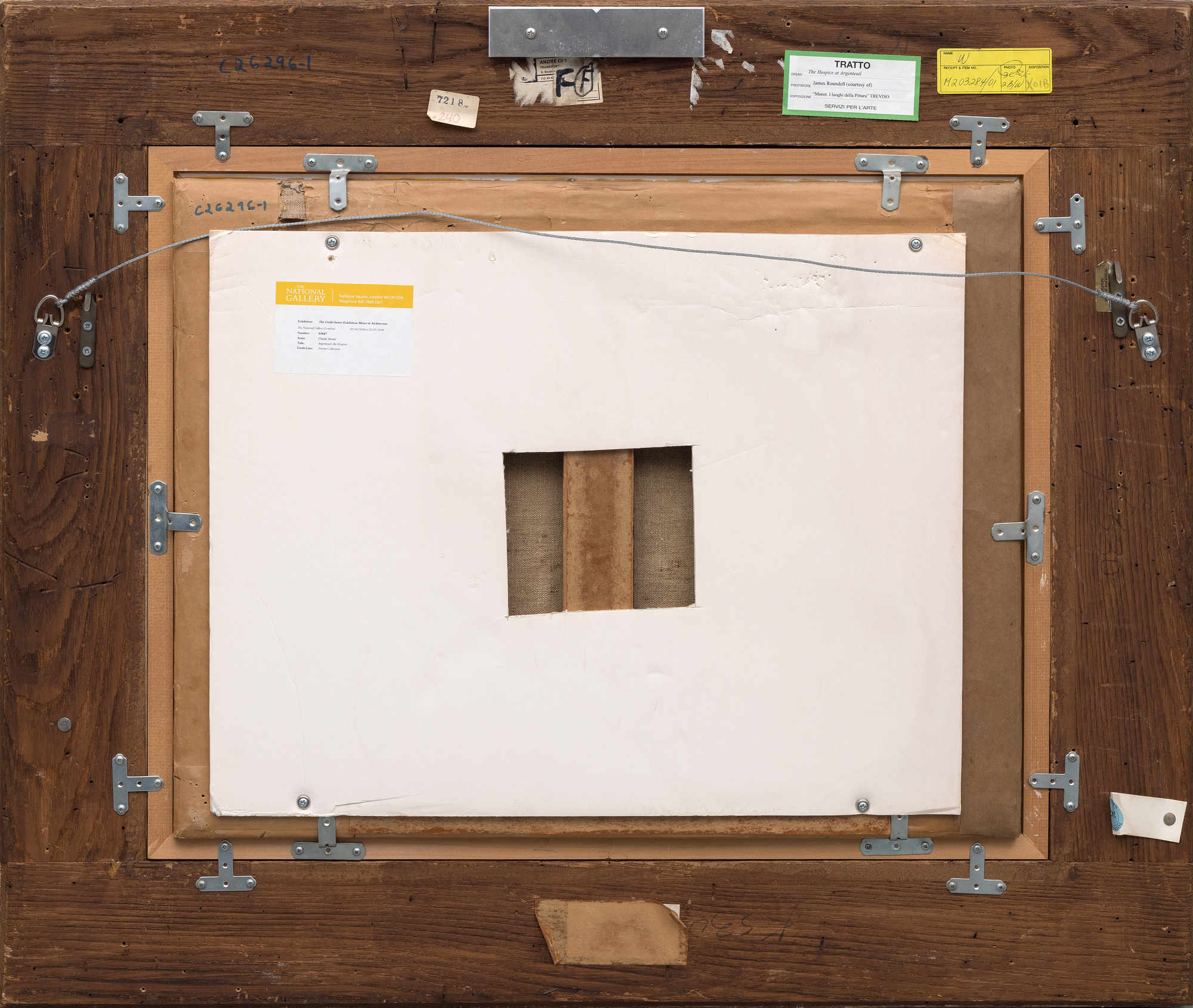
Treviso, Casa dei Carraresi, Monet: I luoghi della pittura, 29 de septiembre de 2001-10 de febrero de 2002, p. 358, n.º 11 (titulada Argenteuil, l’ospizio, ilustrada).
Londres, The National Gallery, Monet & Architecture, 9 de abril-29 de julio de 2018, n.º 40 (titulado Argenteuil, the Hospice, ilustrado, p. 122-23, n.º 115).
Literatura
D. Wildenstein, Claude Monet: Biographie et Catalogue Raisonné, París, 1974, vol. I, pp. 216-17, n.º 240 (ilustrado).
P. H. Tucker, Monet en Argenteuil, Milán, 1982, pp. 27 y 30, n.º 13 (ilustrado).
D. Wildenstein, Claude Monet, Catálogo razonado, Lausana, 1991, vol. V (Suplemento a pinturas, dibujos, pasteles, índice), p. 27, n.º 240.
D. Wildenstein, Monet: Catálogo razonado, París, 1996, vol. II, p. 105, n.º 240 (ilustrado).
...MENOS....
Argenteuil, l’Hospice, de 1872, pertenece a uno de los capítulos más formativos de la carrera de Claude Monet, pintado durante sus primeros años en Argenteuil, donde creó casi ciento ochenta lienzos entre 1871 y 1878. Propiedad inicialmente de Paul Durand Ruel, marchante de Monet y principal defensor de los impresionistas, la pintura figura en el catálogo Wildenstein y se exhibió en la emblemática exposición Monet and Architecture de la National Gallery de Londres en 2018. Creada el mismo año que su revolucionaria Impresión, amanecer, la obra refleja el momento en que la visión de Monet sobre el paisaje moderno tomó forma y sentó las bases del movimiento que pronto se conocería como impresionismo.


Monet se instaló en Argenteuil a finales de 1871, decidido a renovar su dirección artística tras los trastornos de la guerra y el exilio. La ciudad ofrecía una atractiva mezcla de arquitectura histórica, industria moderna, jardines rústicos y el siempre cambiante Sena, todo ello a poca distancia de París. La Casa Aubrey, donde vivía Monet, se convirtió en un lugar de reunión para Renoir, Manet, Sisley, Caillebotte y, más tarde, Pissarro, un escenario que fomentó tanto el intercambio artístico como la planificación de la primera exposición impresionista de 1874. Como ha señalado el estudioso Paul Hayes Tucker, Argenteuil ofrecía a Monet una rara diversidad de motivos que encontraba a diario, desde lo encantadoramente antiguo hasta lo sorprendentemente nuevo.


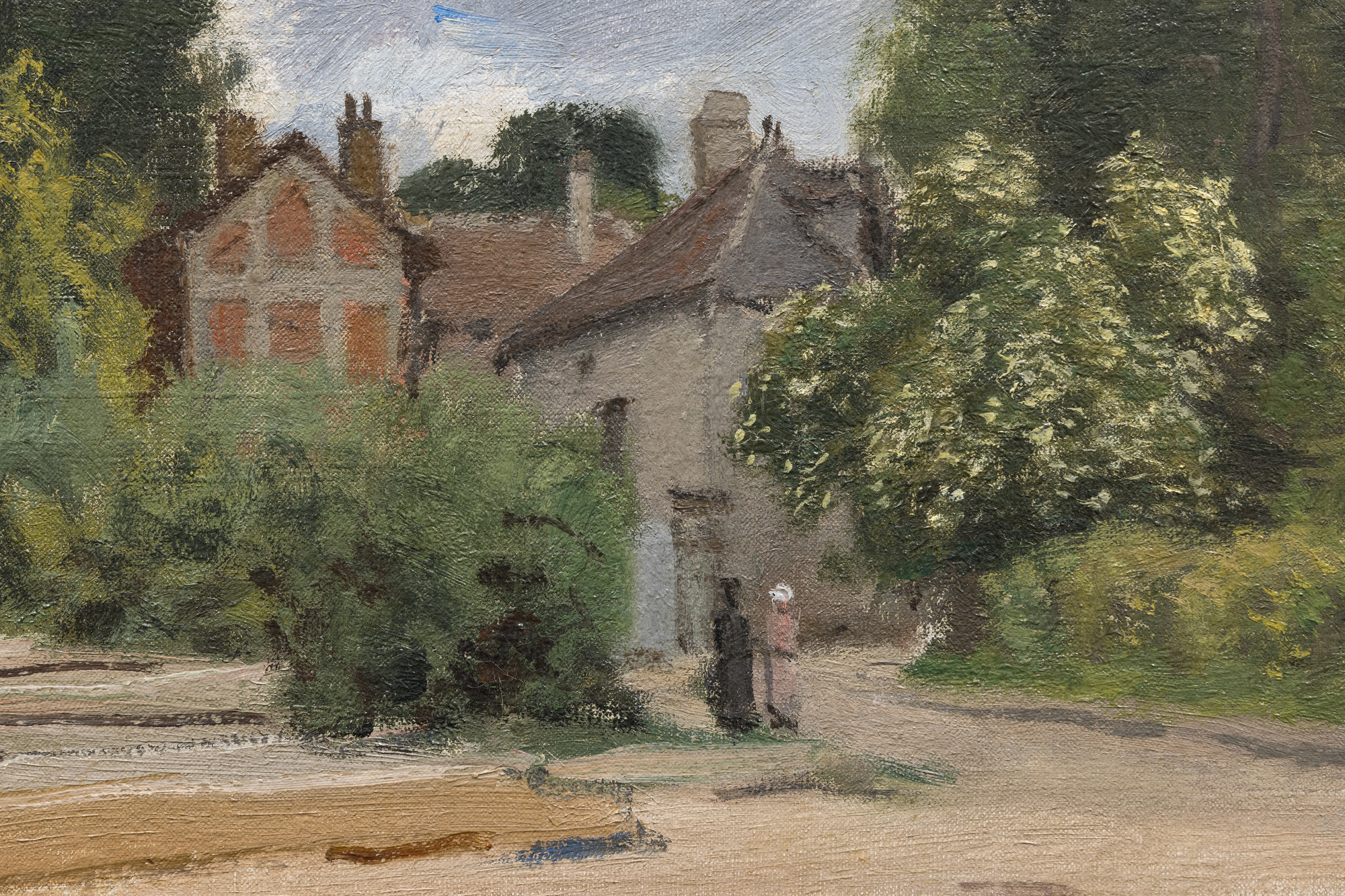
En este cuadro, Monet colocó su caballete en la rue Pierre Guienne, de espaldas a la Casa Aubrey, y pintó el edificio del siglo XVII que en aquella época servía de hospicio de la Porte Saint Denis. La estructura aparece a la derecha, vista desde el Sena, representada con una tranquila claridad que captura la atmósfera de un día de principios de primavera. La paleta refleja tanto el respeto por la historia del lugar como el aprecio por Eugène Boudin, el amigo y mentor que había animado a Monet a pintar el juego del aire y la luz años antes y que se unió a él para celebrar la inauguración de su casa en Argenteuil el 2 de enero de 1872. El hospicio se convirtió más tarde en el Musée du Vieil Argenteuil, lo que reforzó aún más la resonancia histórica del lugar.


Argenteuil, l’Hospice es una de las primeras pinturas de Monet de este periodo crucial y ofrece una interpretación fiel y atmosférica de un lugar profundamente entrelazado con los orígenes del impresionismo. Su mezcla de tonos suaves, la suave luz primaveral y la observación directa revelan la creciente confianza del artista en pintar el mundo tal y como lo percibía, momento a momento, a medida que surgía una nueva visión del arte paisajístico moderno.
Preguntar