كينيث نولاند  (1924-2010)

$375,000

 
<div><font face=Lato size=3 color=black>Kenneth Noland’s <em>Gray Reflection</em> (1978) comes from the late 1970s, when the artist was deeply engaged with shaped canvases and the refinement of surface and form. The cool slate ground is animated by faint tonal shifts and angled color bands that cut across the polygonal field, creating both balance and quiet momentum.<br><br></font></div><br><br><div><font face=Lato size=3 color=black>This period was far less prolific than his celebrated 1960s circle paintings, making works such as <em>Gray Reflection </em>comparatively rare. While not part of a named series, it resonates with other late-1970s explorations like <em>Burnt Beige </em>at the Cranbrook Art Museum.<br><br></font></div><br><br><div><font face=Lato size=3 color=black>Noland, a central figure of post-painterly abstraction alongside Morris Louis and Helen Frankenthaler, is represented in major museum collections including MoMA, Tate, and the National Gallery of Art.</font></div> <div><font face=Lato size=3 color=black>Kenneth Noland’s <em>Gray Reflection</em> (1978) comes from the late 1970s, when the artist was deeply engaged with shaped canvases and the refinement of surface and form. The cool slate ground is animated by faint tonal shifts and angled color bands that cut across the polygonal field, creating both balance and quiet momentum.<br><br></font></div><br><br><div><font face=Lato size=3 color=black>This period was far less prolific than his celebrated 1960s circle paintings, making works such as <em>Gray Reflection </em>comparatively rare. While not part of a named series, it resonates with other late-1970s explorations like <em>Burnt Beige </em>at the Cranbrook Art Museum.<br><br></font></div><br><br><div><font face=Lato size=3 color=black>Noland, a central figure of post-painterly abstraction alongside Morris Louis and Helen Frankenthaler, is represented in major museum collections including MoMA, Tate, and the National Gallery of Art.</font></div> <div><font face=Lato size=3 color=black>Kenneth Noland’s <em>Gray Reflection</em> (1978) comes from the late 1970s, when the artist was deeply engaged with shaped canvases and the refinement of surface and form. The cool slate ground is animated by faint tonal shifts and angled color bands that cut across the polygonal field, creating both balance and quiet momentum.<br><br></font></div><br><br><div><font face=Lato size=3 color=black>This period was far less prolific than his celebrated 1960s circle paintings, making works such as <em>Gray Reflection </em>comparatively rare. While not part of a named series, it resonates with other late-1970s explorations like <em>Burnt Beige </em>at the Cranbrook Art Museum.<br><br></font></div><br><br><div><font face=Lato size=3 color=black>Noland, a central figure of post-painterly abstraction alongside Morris Louis and Helen Frankenthaler, is represented in major museum collections including MoMA, Tate, and the National Gallery of Art.</font></div> <div><font face=Lato size=3 color=black>Kenneth Noland’s <em>Gray Reflection</em> (1978) comes from the late 1970s, when the artist was deeply engaged with shaped canvases and the refinement of surface and form. The cool slate ground is animated by faint tonal shifts and angled color bands that cut across the polygonal field, creating both balance and quiet momentum.<br><br></font></div><br><br><div><font face=Lato size=3 color=black>This period was far less prolific than his celebrated 1960s circle paintings, making works such as <em>Gray Reflection </em>comparatively rare. While not part of a named series, it resonates with other late-1970s explorations like <em>Burnt Beige </em>at the Cranbrook Art Museum.<br><br></font></div><br><br><div><font face=Lato size=3 color=black>Noland, a central figure of post-painterly abstraction alongside Morris Louis and Helen Frankenthaler, is represented in major museum collections including MoMA, Tate, and the National Gallery of Art.</font></div> <div><font face=Lato size=3 color=black>Kenneth Noland’s <em>Gray Reflection</em> (1978) comes from the late 1970s, when the artist was deeply engaged with shaped canvases and the refinement of surface and form. The cool slate ground is animated by faint tonal shifts and angled color bands that cut across the polygonal field, creating both balance and quiet momentum.<br><br></font></div><br><br><div><font face=Lato size=3 color=black>This period was far less prolific than his celebrated 1960s circle paintings, making works such as <em>Gray Reflection </em>comparatively rare. While not part of a named series, it resonates with other late-1970s explorations like <em>Burnt Beige </em>at the Cranbrook Art Museum.<br><br></font></div><br><br><div><font face=Lato size=3 color=black>Noland, a central figure of post-painterly abstraction alongside Morris Louis and Helen Frankenthaler, is represented in major museum collections including MoMA, Tate, and the National Gallery of Art.</font></div> <div><font face=Lato size=3 color=black>Kenneth Noland’s <em>Gray Reflection</em> (1978) comes from the late 1970s, when the artist was deeply engaged with shaped canvases and the refinement of surface and form. The cool slate ground is animated by faint tonal shifts and angled color bands that cut across the polygonal field, creating both balance and quiet momentum.<br><br></font></div><br><br><div><font face=Lato size=3 color=black>This period was far less prolific than his celebrated 1960s circle paintings, making works such as <em>Gray Reflection </em>comparatively rare. While not part of a named series, it resonates with other late-1970s explorations like <em>Burnt Beige </em>at the Cranbrook Art Museum.<br><br></font></div><br><br><div><font face=Lato size=3 color=black>Noland, a central figure of post-painterly abstraction alongside Morris Louis and Helen Frankenthaler, is represented in major museum collections including MoMA, Tate, and the National Gallery of Art.</font></div> <div><font face=Lato size=3 color=black>Kenneth Noland’s <em>Gray Reflection</em> (1978) comes from the late 1970s, when the artist was deeply engaged with shaped canvases and the refinement of surface and form. The cool slate ground is animated by faint tonal shifts and angled color bands that cut across the polygonal field, creating both balance and quiet momentum.<br><br></font></div><br><br><div><font face=Lato size=3 color=black>This period was far less prolific than his celebrated 1960s circle paintings, making works such as <em>Gray Reflection </em>comparatively rare. While not part of a named series, it resonates with other late-1970s explorations like <em>Burnt Beige </em>at the Cranbrook Art Museum.<br><br></font></div><br><br><div><font face=Lato size=3 color=black>Noland, a central figure of post-painterly abstraction alongside Morris Louis and Helen Frankenthaler, is represented in major museum collections including MoMA, Tate, and the National Gallery of Art.</font></div> <div><font face=Lato size=3 color=black>Kenneth Noland’s <em>Gray Reflection</em> (1978) comes from the late 1970s, when the artist was deeply engaged with shaped canvases and the refinement of surface and form. The cool slate ground is animated by faint tonal shifts and angled color bands that cut across the polygonal field, creating both balance and quiet momentum.<br><br></font></div><br><br><div><font face=Lato size=3 color=black>This period was far less prolific than his celebrated 1960s circle paintings, making works such as <em>Gray Reflection </em>comparatively rare. While not part of a named series, it resonates with other late-1970s explorations like <em>Burnt Beige </em>at the Cranbrook Art Museum.<br><br></font></div><br><br><div><font face=Lato size=3 color=black>Noland, a central figure of post-painterly abstraction alongside Morris Louis and Helen Frankenthaler, is represented in major museum collections including MoMA, Tate, and the National Gallery of Art.</font></div> <div><font face=Lato size=3 color=black>Kenneth Noland’s <em>Gray Reflection</em> (1978) comes from the late 1970s, when the artist was deeply engaged with shaped canvases and the refinement of surface and form. The cool slate ground is animated by faint tonal shifts and angled color bands that cut across the polygonal field, creating both balance and quiet momentum.<br><br></font></div><br><br><div><font face=Lato size=3 color=black>This period was far less prolific than his celebrated 1960s circle paintings, making works such as <em>Gray Reflection </em>comparatively rare. While not part of a named series, it resonates with other late-1970s explorations like <em>Burnt Beige </em>at the Cranbrook Art Museum.<br><br></font></div><br><br><div><font face=Lato size=3 color=black>Noland, a central figure of post-painterly abstraction alongside Morris Louis and Helen Frankenthaler, is represented in major museum collections including MoMA, Tate, and the National Gallery of Art.</font></div> <div><font face=Lato size=3 color=black>Kenneth Noland’s <em>Gray Reflection</em> (1978) comes from the late 1970s, when the artist was deeply engaged with shaped canvases and the refinement of surface and form. The cool slate ground is animated by faint tonal shifts and angled color bands that cut across the polygonal field, creating both balance and quiet momentum.<br><br></font></div><br><br><div><font face=Lato size=3 color=black>This period was far less prolific than his celebrated 1960s circle paintings, making works such as <em>Gray Reflection </em>comparatively rare. While not part of a named series, it resonates with other late-1970s explorations like <em>Burnt Beige </em>at the Cranbrook Art Museum.<br><br></font></div><br><br><div><font face=Lato size=3 color=black>Noland, a central figure of post-painterly abstraction alongside Morris Louis and Helen Frankenthaler, is represented in major museum collections including MoMA, Tate, and the National Gallery of Art.</font></div>
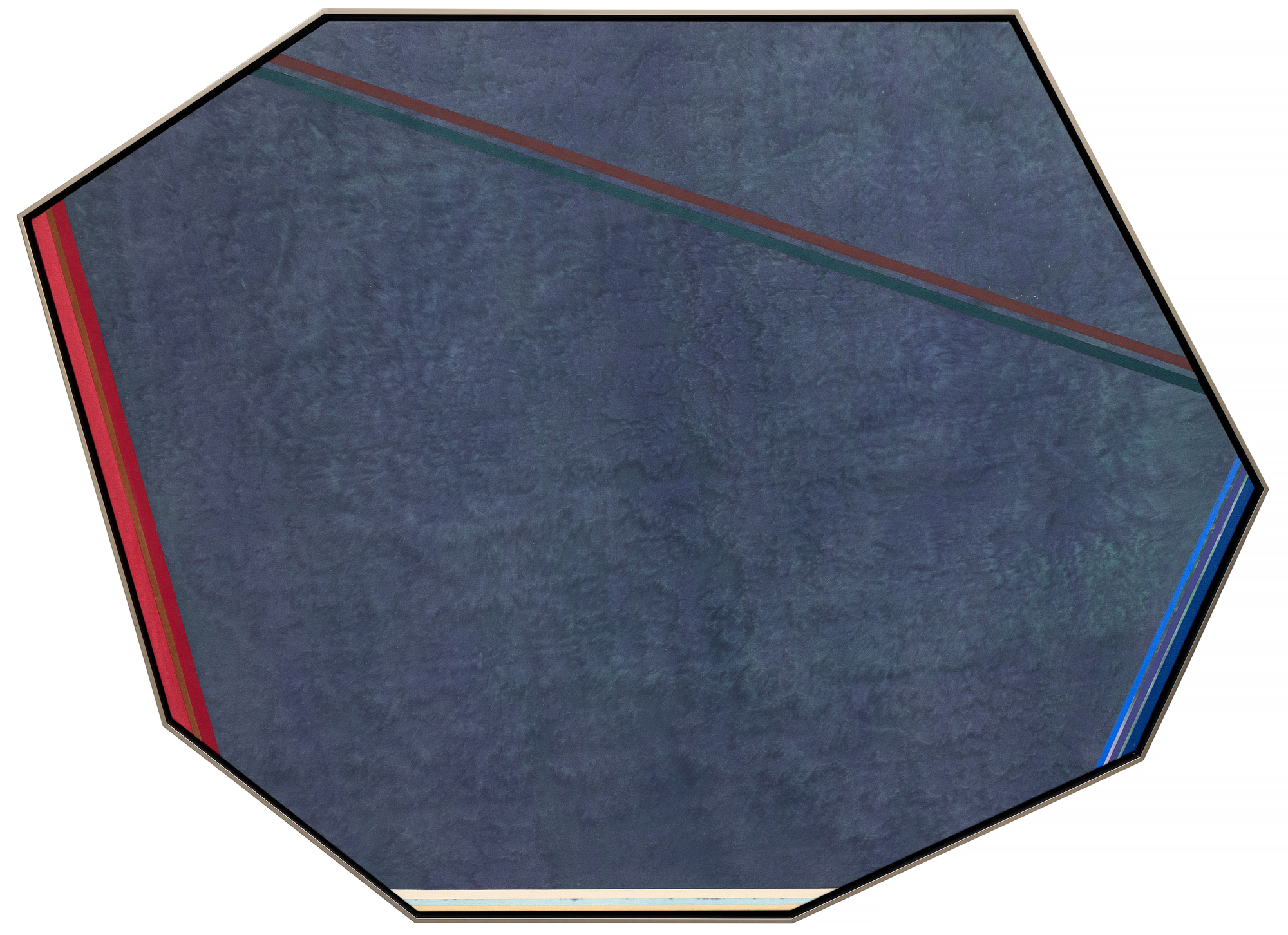
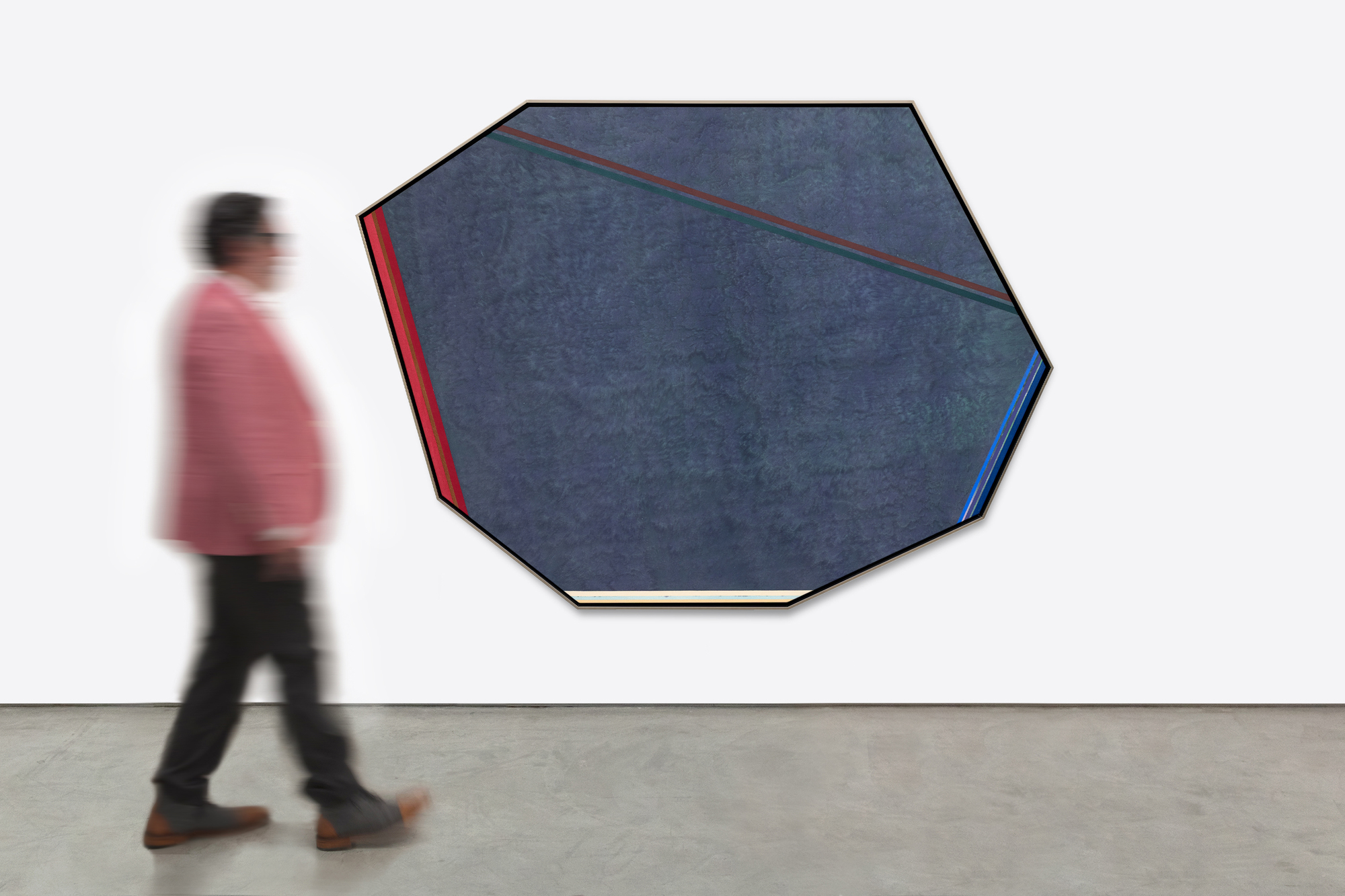
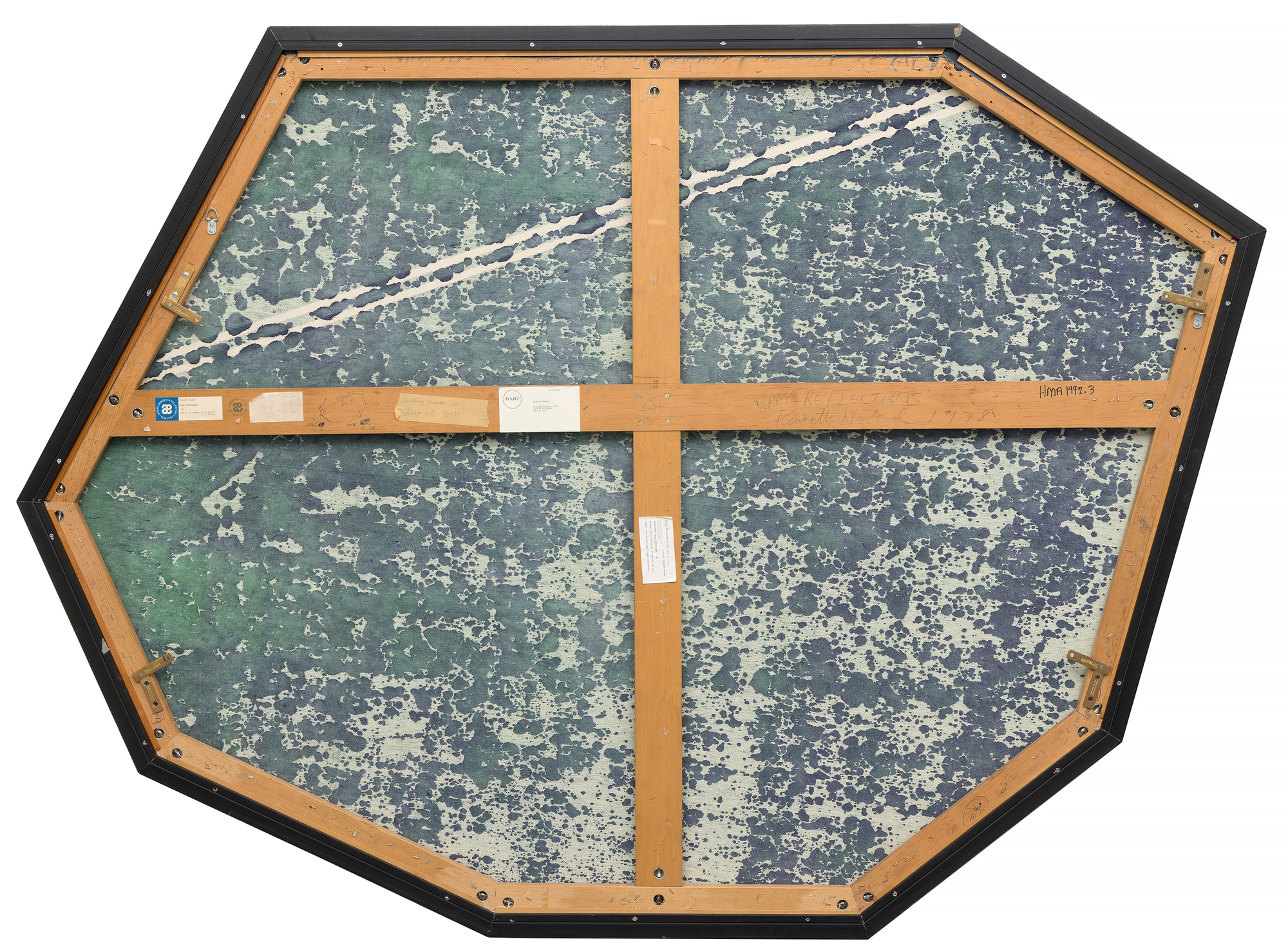
انعكاس رمادي197866 1/4 × 88 1/2 بوصة(168.28 × 224.79 × 2.54 سم) أكريليك على قماش
الاصل
معرض أندريه إيمريش، نيويورك
معرض دارت، شيكاغو
آن وويليام ج. هوكين، شيكاغو
هدية من المذكورين أعلاه من خلال صندوق اقتناء الأعمال الفنية للقرن العشرين
سوثبيز نيويورك، الأربعاء 14 نوفمبر 2012، القطعة 275
مجموعة خاصة، تم الحصول عليها من المذكور أعلاه
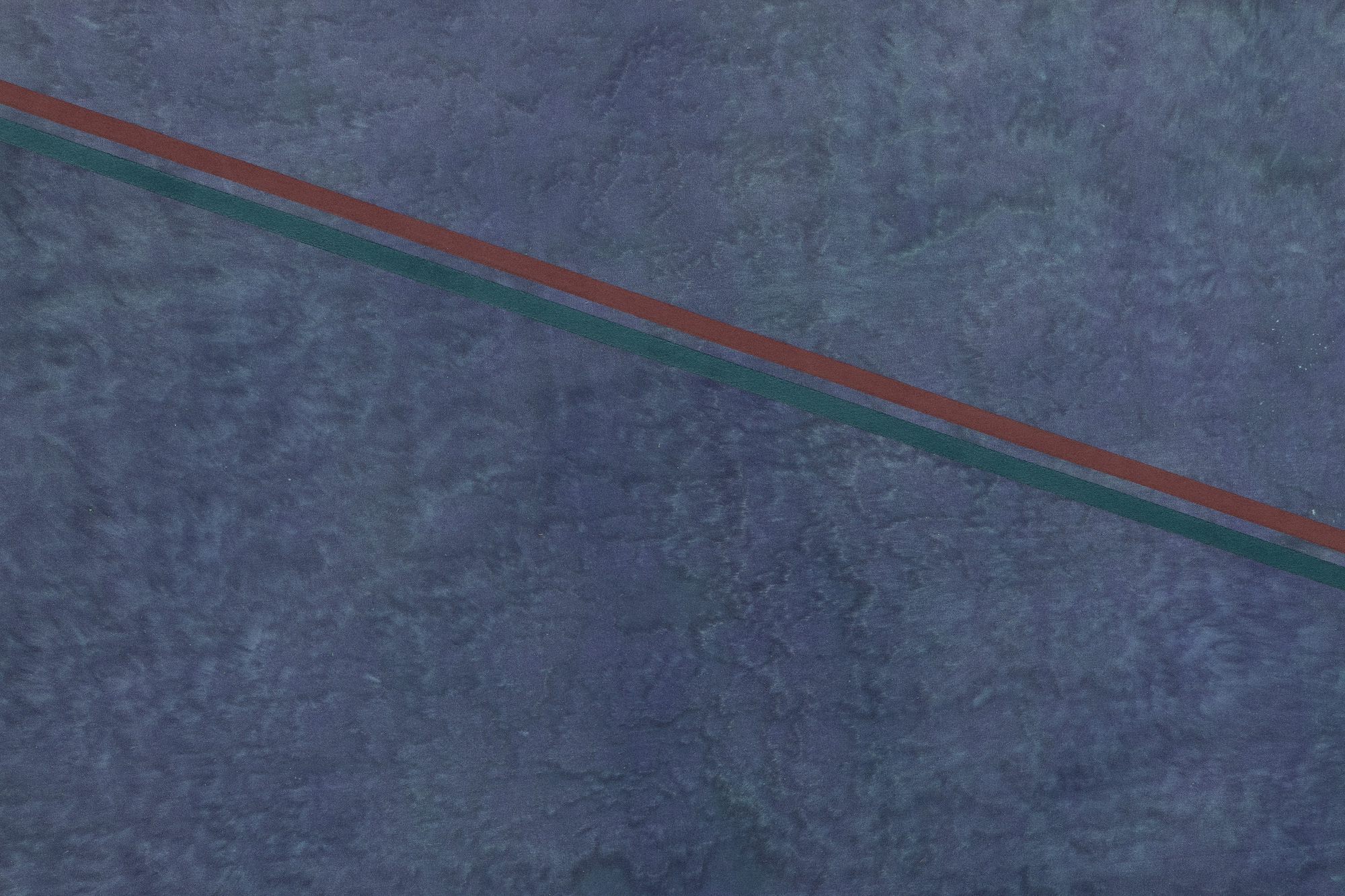
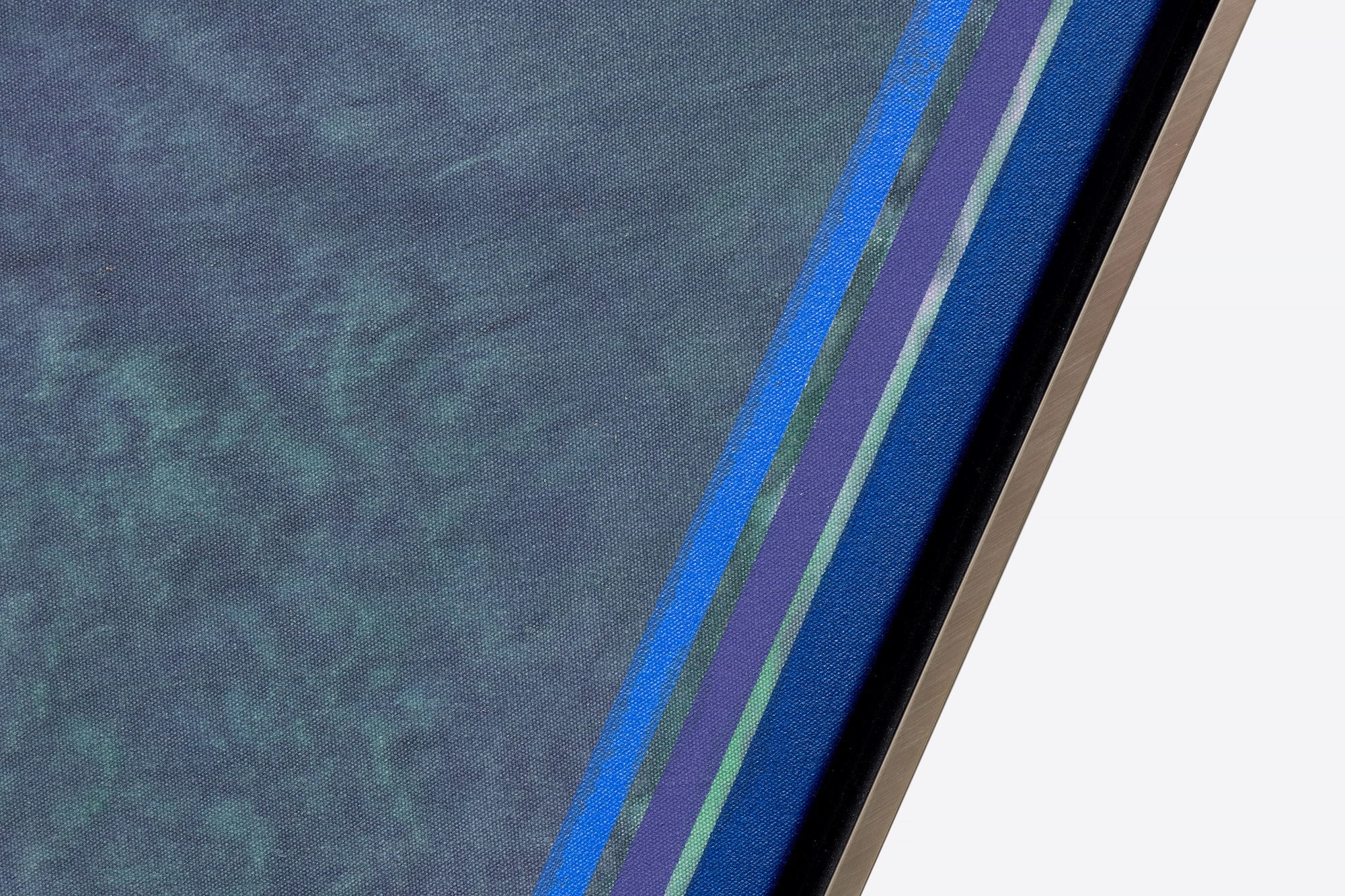
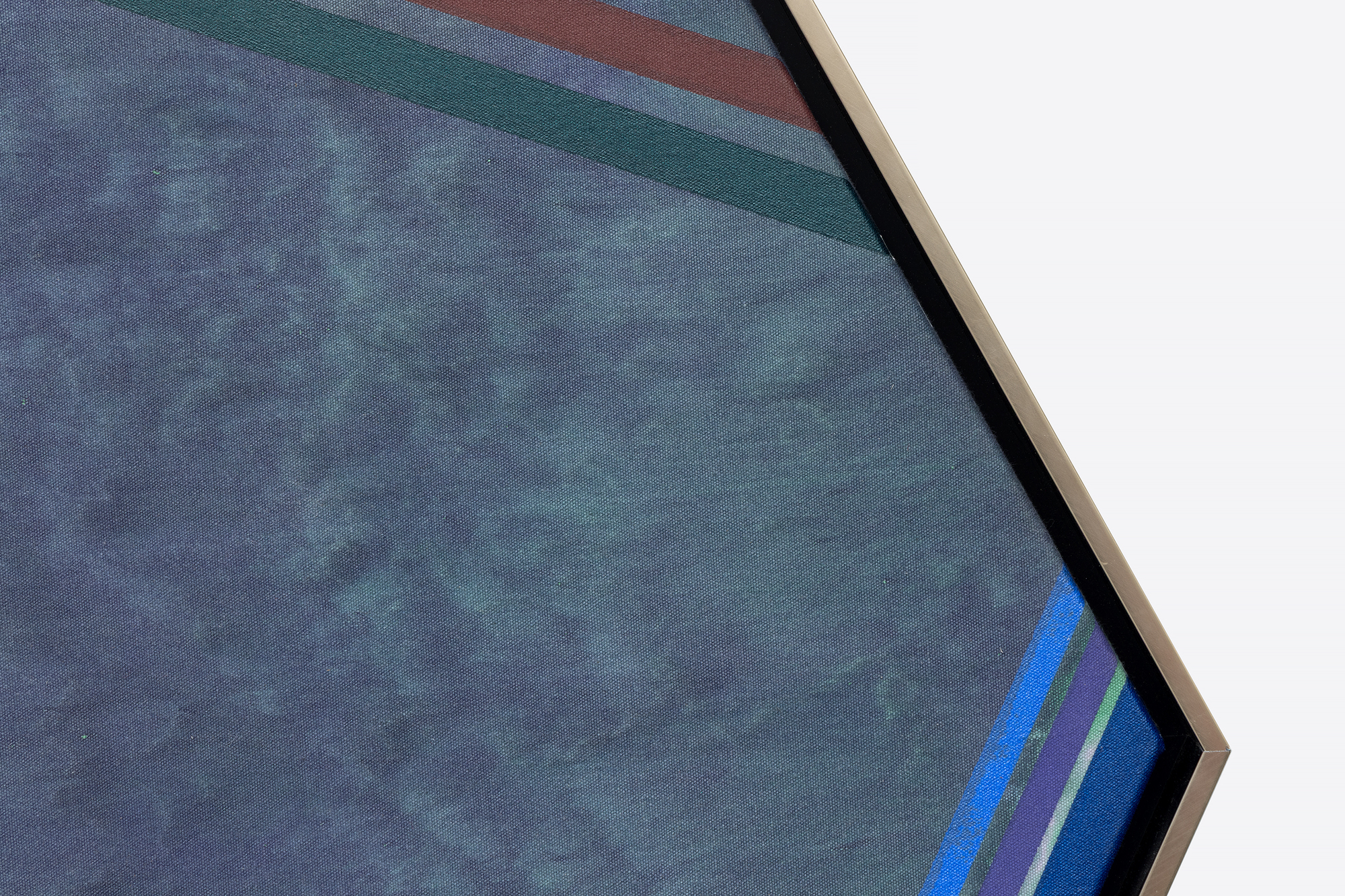
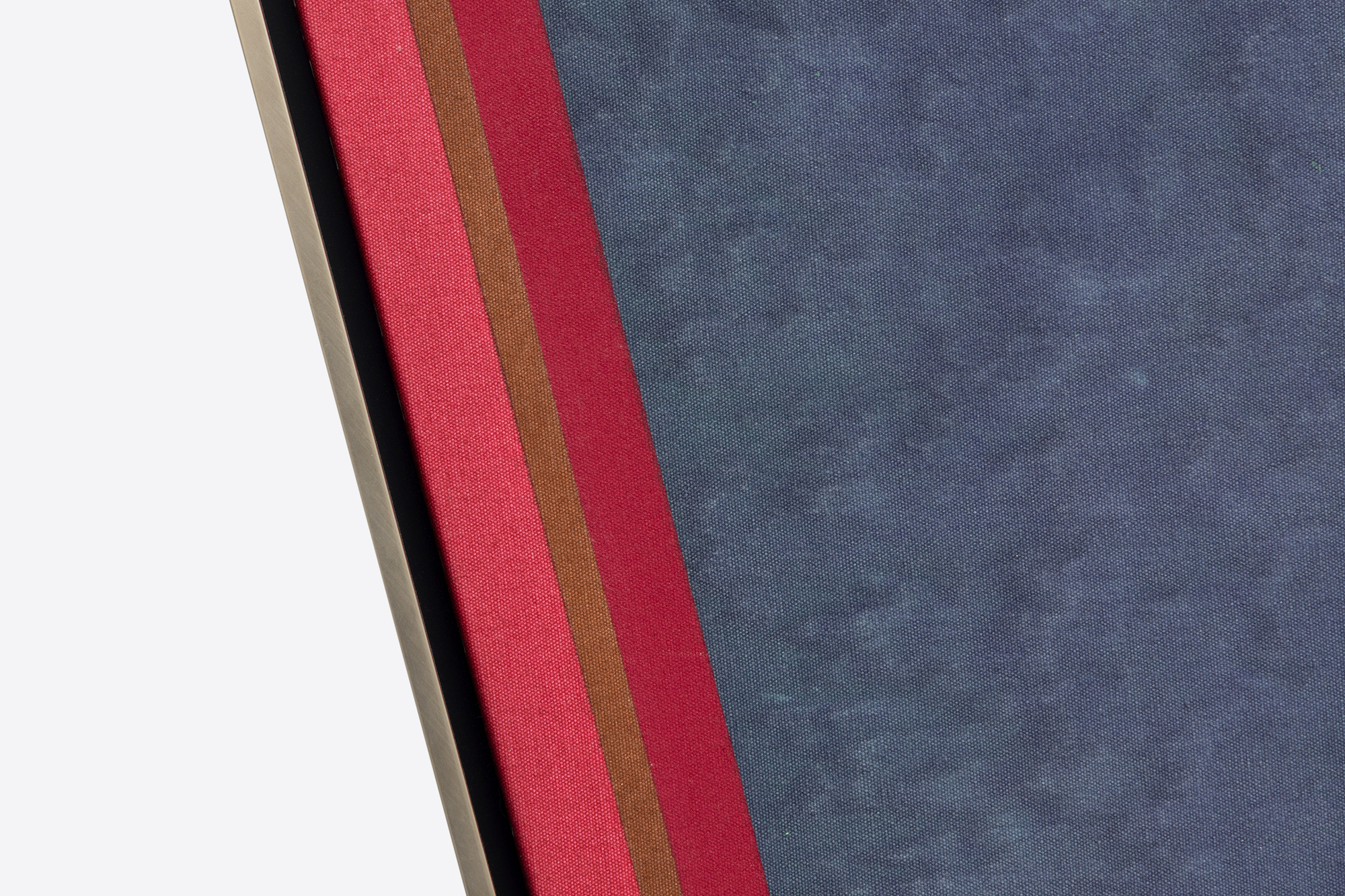
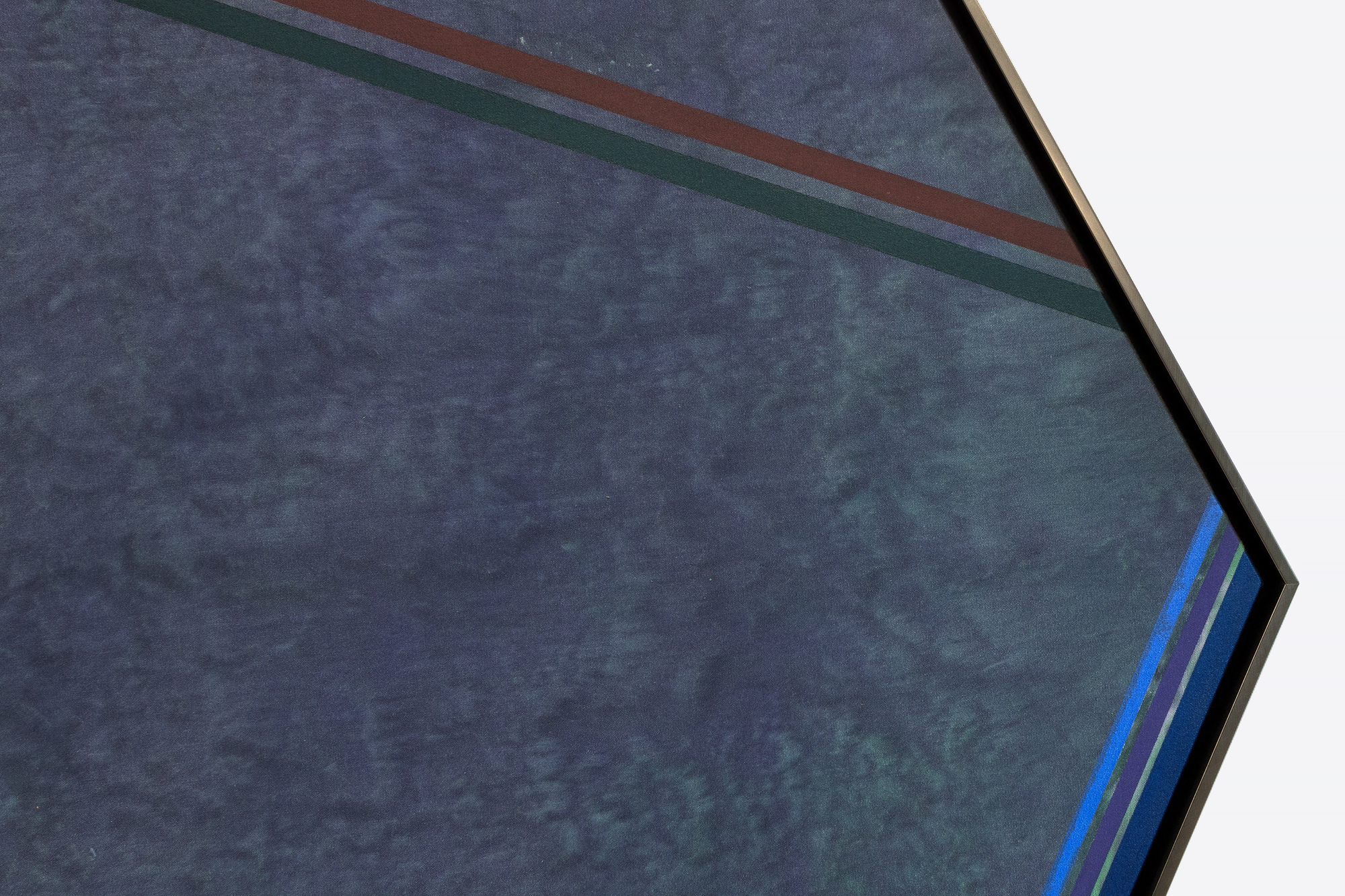
تعود لوحة "Gray Reflection" (1978) للفنان كينيث نولاند إلى أواخر سبعينيات القرن الماضي، عندما كان الفنان منشغلاً بشكل كبير باللوحات القماشية ذات الأشكال المحددة وصقل السطح والشكل. تنبض الأرضية الرمادية الباردة بالحياة بفضل التغيرات اللونية الخافتة والأشرطة الملونة المائلة التي تعبر الحقل متعدد الأضلاع، مما يخلق توازنًا وزخمًا هادئًا.


كانت هذه الفترة أقل إنتاجية بكثير من لوحاته الدائرية الشهيرة في الستينيات، مما يجعل أعمالًا مثل "Gray Reflection" نادرة نسبيًا. على الرغم من أنها ليست جزءًا من سلسلة معروفة، إلا أنها تتوافق مع استكشافات أخرى في أواخر السبعينيات مثل "Burnt Beige" في متحف كرانبروك للفنون.


نولاند، وهو شخصية مركزية في التجريد ما بعد الرسم إلى جانب موريس لويس وهيلين فرانكنثالر، ممثل في مجموعات المتاحف الكبرى بما في ذلك متحف الفن الحديث (MoMA) ومتحف تيت (Tate) والمتحف الوطني للفنون (National Gallery of Art).
الاستفسار