
العودة

أندي وارهول (1928-1987)

$250,000

 
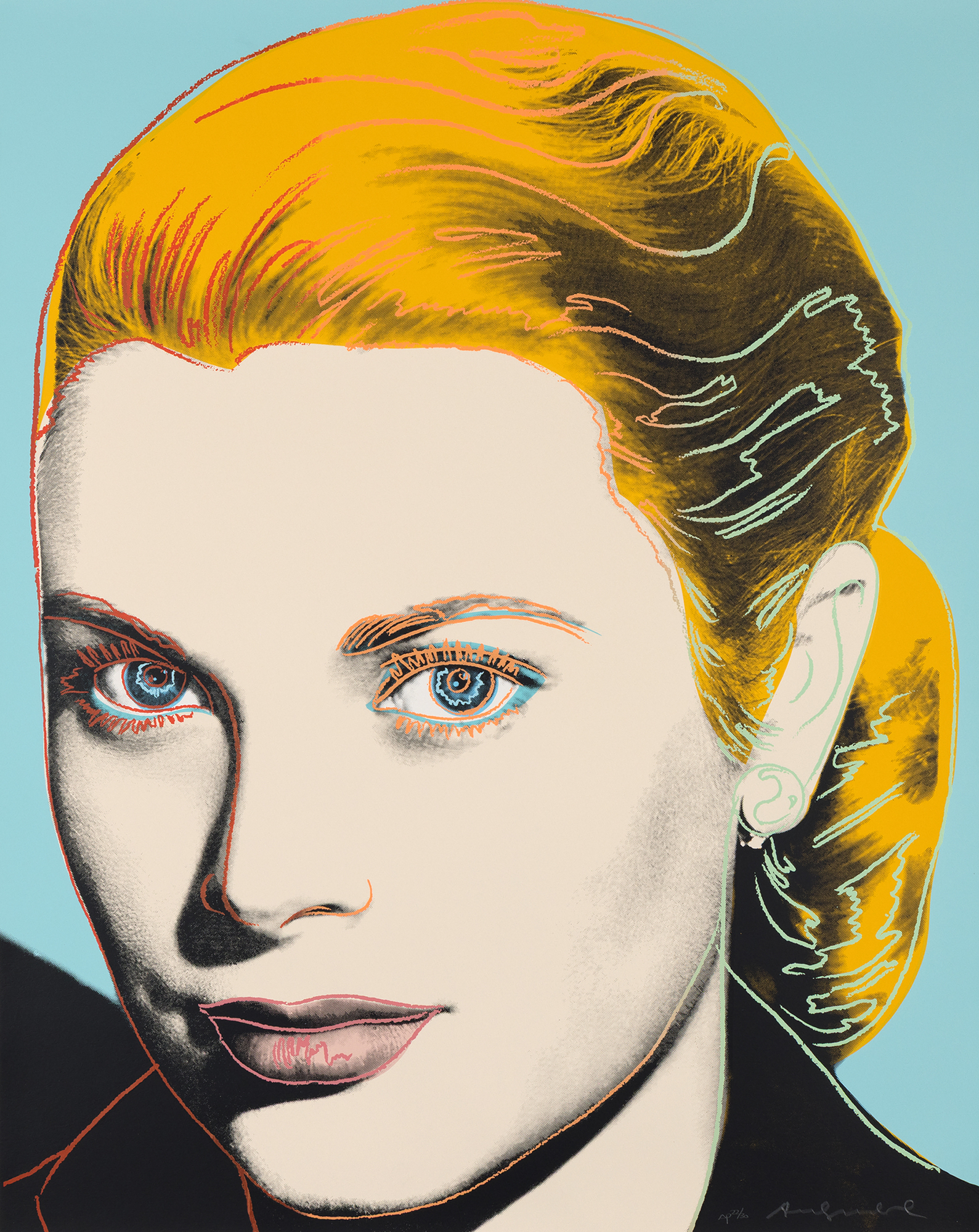
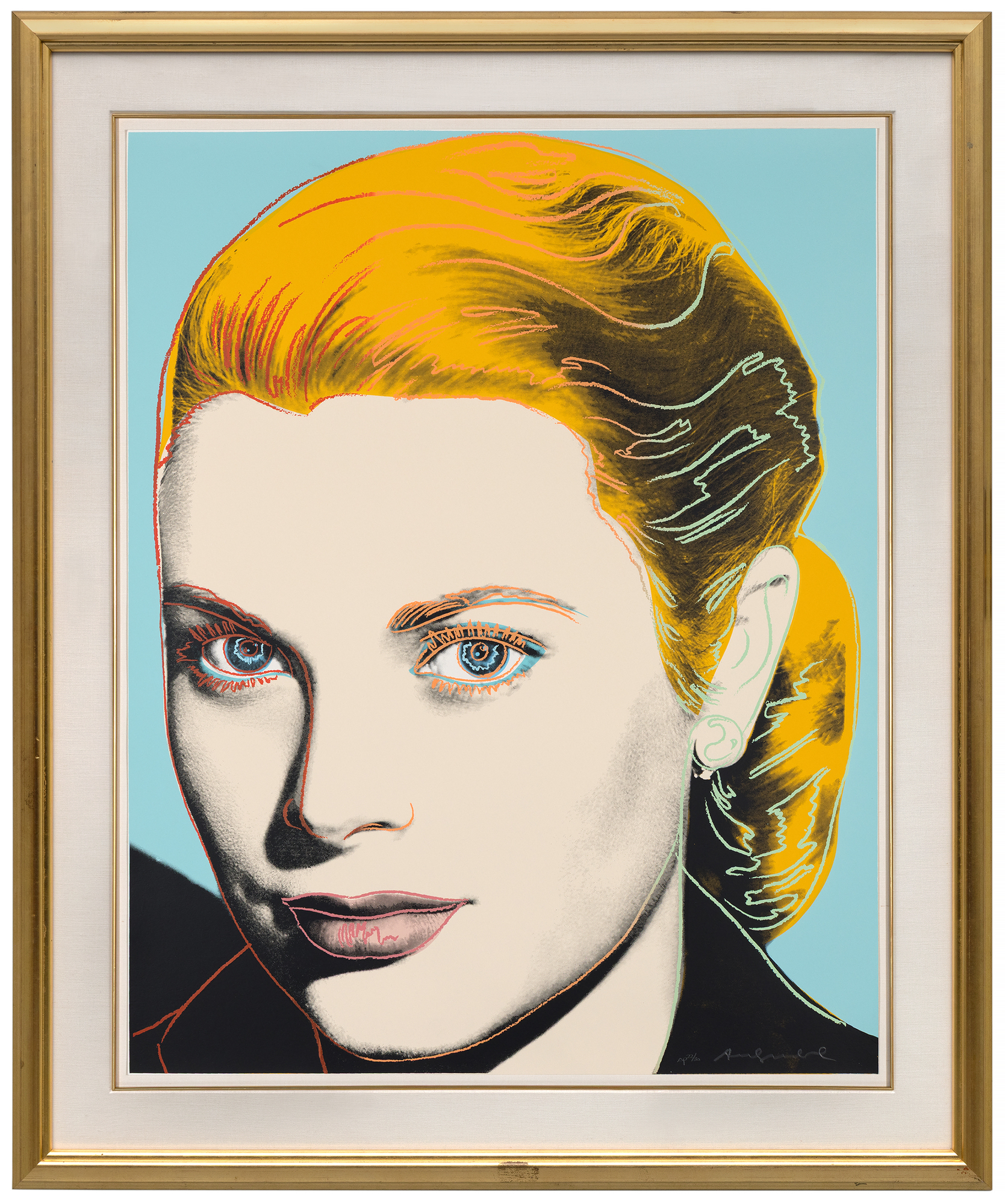
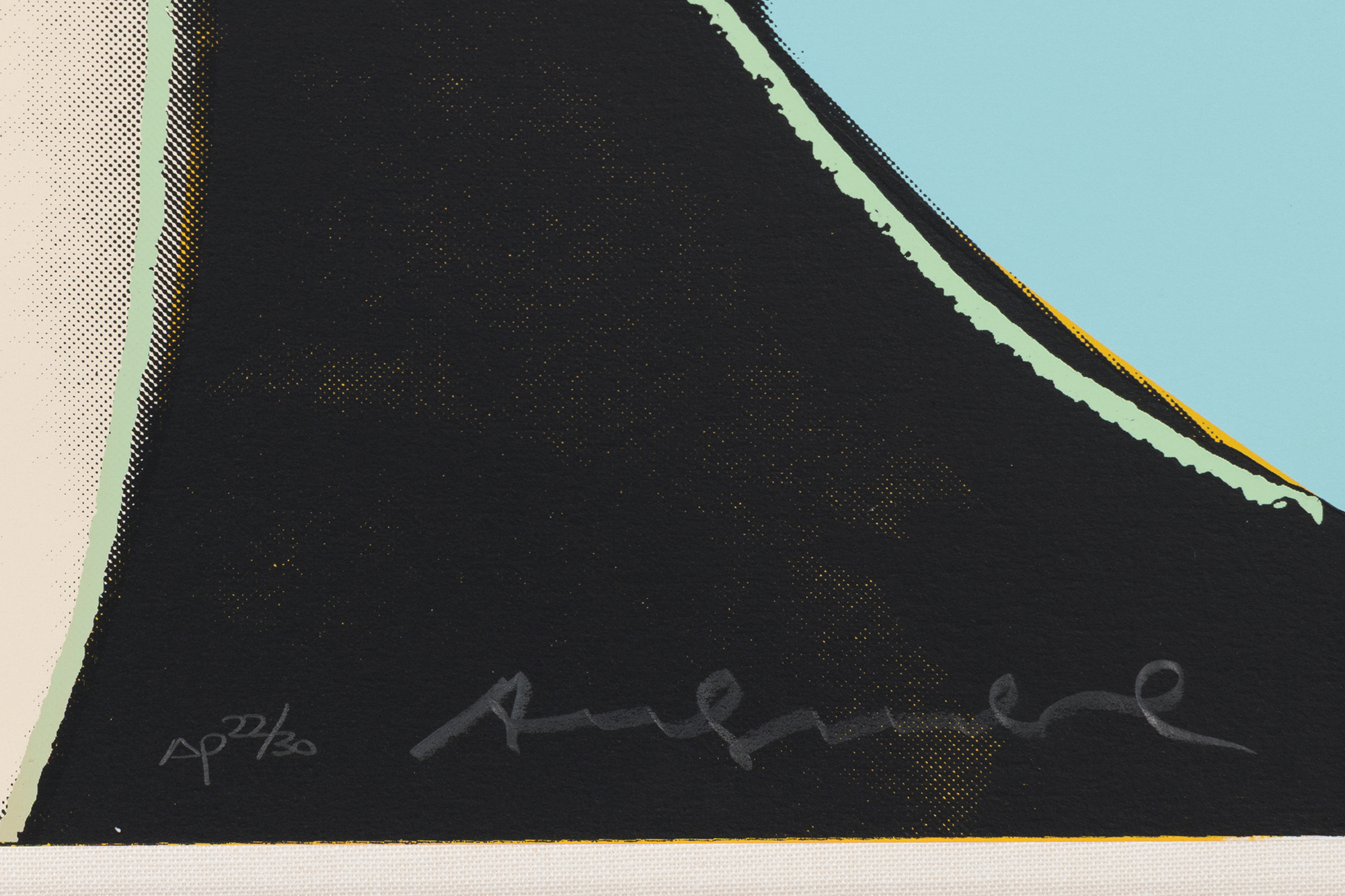
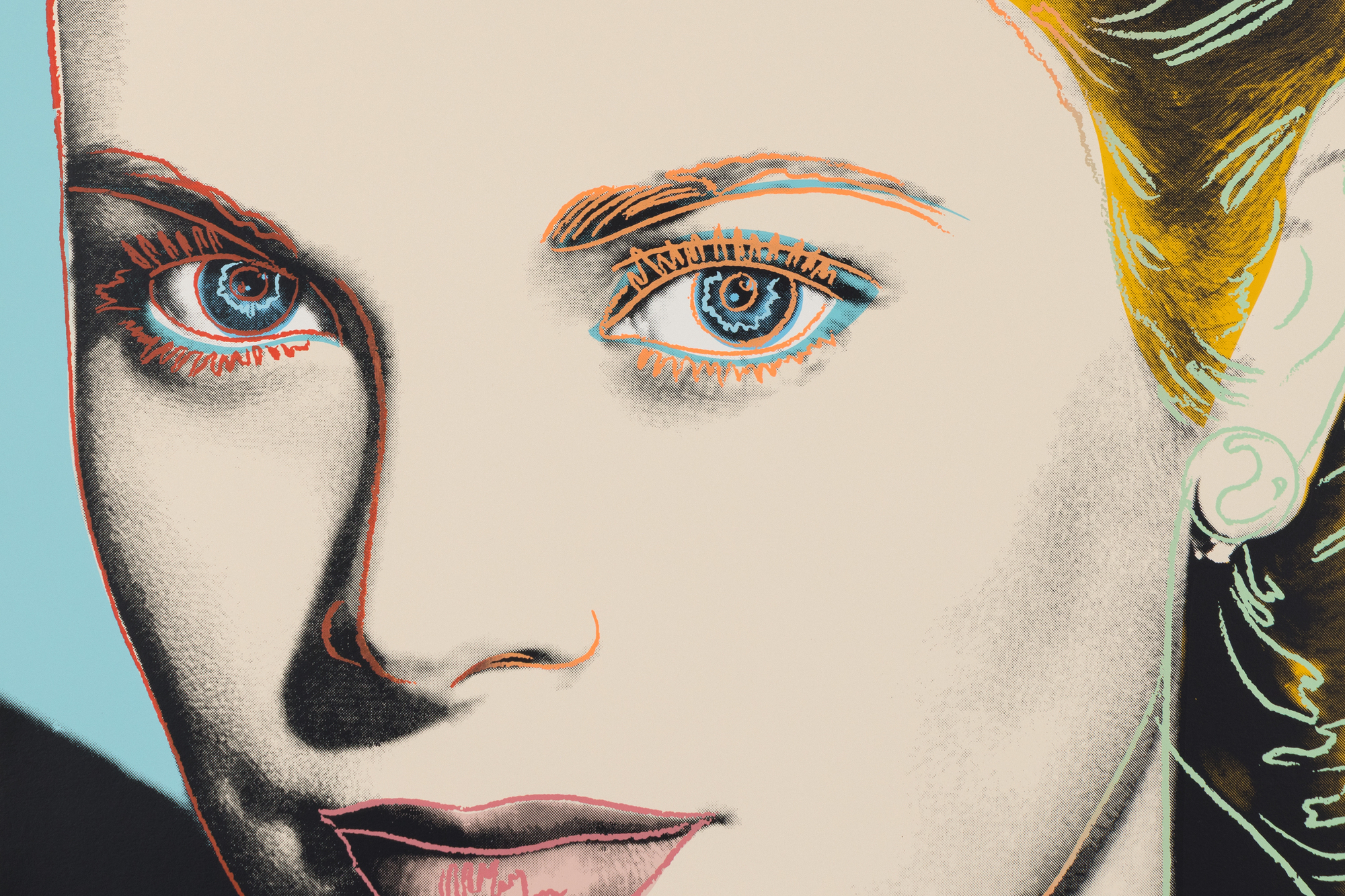
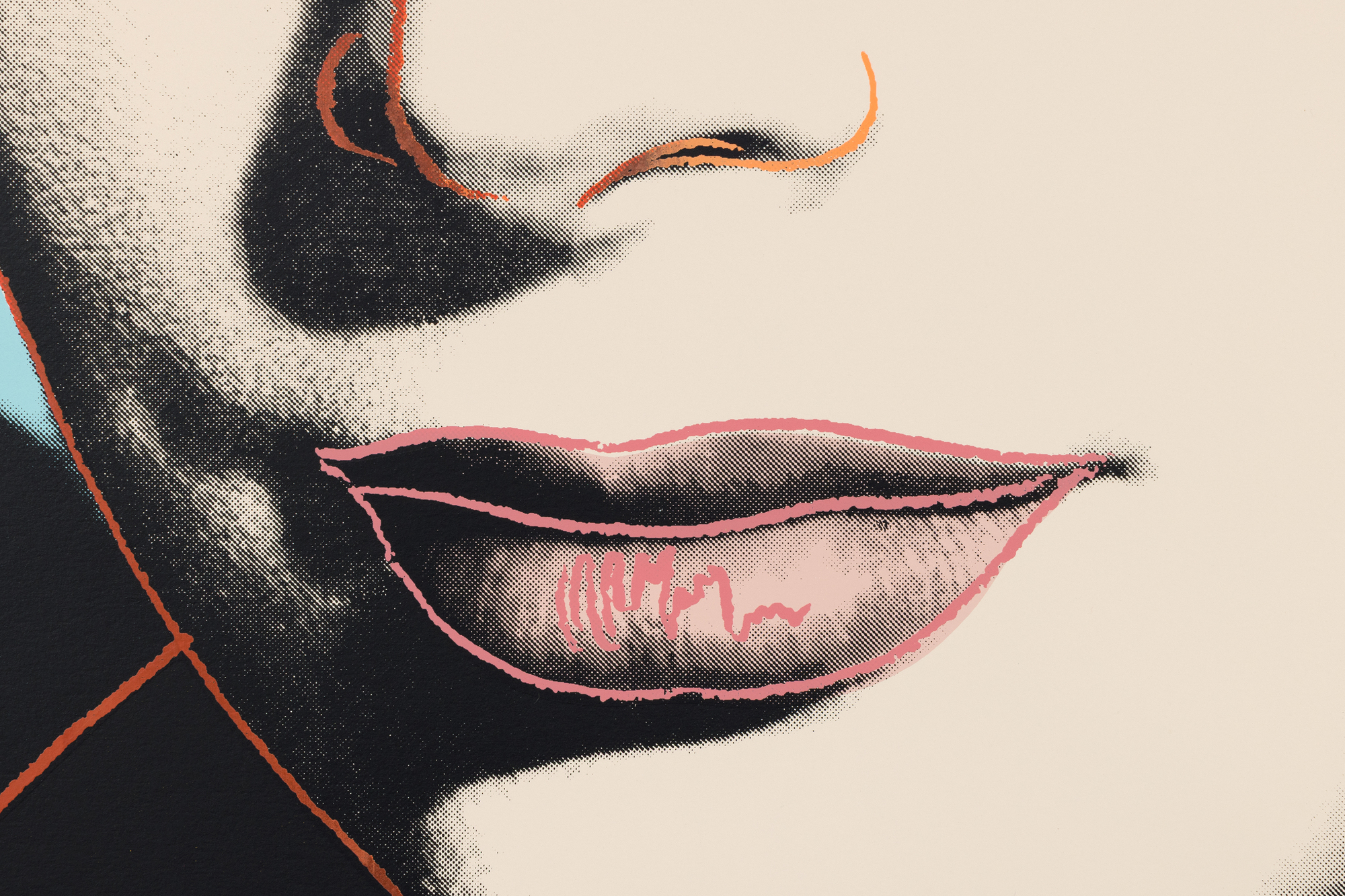
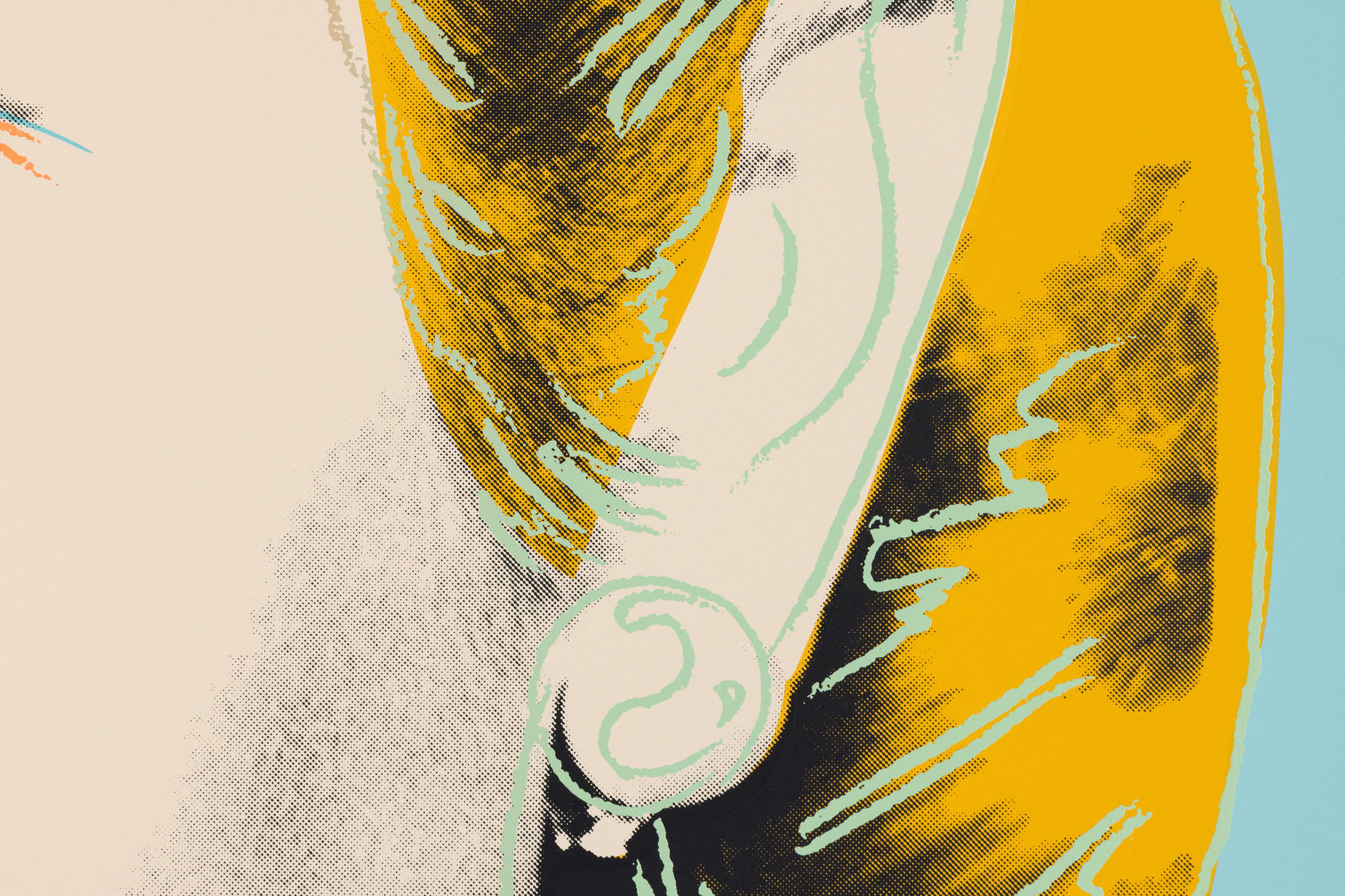
<div>Andy Warhol’s <em>Grace Kelly</em> (1984) is a dazzling screenprint that immortalizes one of Hollywood’s most iconic stars, who later became Princess of Monaco. This impression, one of 30 artist’s proofs aside from the regular edition of 225, depicts Kelly with radiant canary yellow hair set against a turquoise ground. Her face, rendered through Warhol’s crisp silkscreened contours, is at once immediately recognizable and transformed into a bold graphic emblem. </div><br><br><div> </div><br><br><div>The image is based on a film still from<em> Fourteen Hours</em> (1951), Kelly’s screen debut, which Warhol reimagines through his signature Pop sensibility. By isolating and intensifying her features with vibrant color contrasts, he heightens both the glamour of the actress and the constructed nature of celebrity imagery. The turquoise background vibrates against Kelly’s luminous hair, underscoring Warhol’s mastery of color as a tool of both allure and abstraction. </div><br><br><div> </div><br><br><div>Created during a period when Warhol was revisiting the great icons of his earlier career, <em>Grace Kelly</em> encapsulates his fascination with beauty, fame, and cultural mythmaking. The work distills Kelly’s presence into a timeless symbol—simultaneously a celebration of her cinematic allure and a meditation on the transformation of star into legend. </div><br><br><div> </div><br><br><div> </div> <div>Andy Warhol’s <em>Grace Kelly</em> (1984) is a dazzling screenprint that immortalizes one of Hollywood’s most iconic stars, who later became Princess of Monaco. This impression, one of 30 artist’s proofs aside from the regular edition of 225, depicts Kelly with radiant canary yellow hair set against a turquoise ground. Her face, rendered through Warhol’s crisp silkscreened contours, is at once immediately recognizable and transformed into a bold graphic emblem. </div><br><br><div> </div><br><br><div>The image is based on a film still from<em> Fourteen Hours</em> (1951), Kelly’s screen debut, which Warhol reimagines through his signature Pop sensibility. By isolating and intensifying her features with vibrant color contrasts, he heightens both the glamour of the actress and the constructed nature of celebrity imagery. The turquoise background vibrates against Kelly’s luminous hair, underscoring Warhol’s mastery of color as a tool of both allure and abstraction. </div><br><br><div> </div><br><br><div>Created during a period when Warhol was revisiting the great icons of his earlier career, <em>Grace Kelly</em> encapsulates his fascination with beauty, fame, and cultural mythmaking. The work distills Kelly’s presence into a timeless symbol—simultaneously a celebration of her cinematic allure and a meditation on the transformation of star into legend. </div><br><br><div> </div><br><br><div> </div> <div>Andy Warhol’s <em>Grace Kelly</em> (1984) is a dazzling screenprint that immortalizes one of Hollywood’s most iconic stars, who later became Princess of Monaco. This impression, one of 30 artist’s proofs aside from the regular edition of 225, depicts Kelly with radiant canary yellow hair set against a turquoise ground. Her face, rendered through Warhol’s crisp silkscreened contours, is at once immediately recognizable and transformed into a bold graphic emblem. </div><br><br><div> </div><br><br><div>The image is based on a film still from<em> Fourteen Hours</em> (1951), Kelly’s screen debut, which Warhol reimagines through his signature Pop sensibility. By isolating and intensifying her features with vibrant color contrasts, he heightens both the glamour of the actress and the constructed nature of celebrity imagery. The turquoise background vibrates against Kelly’s luminous hair, underscoring Warhol’s mastery of color as a tool of both allure and abstraction. </div><br><br><div> </div><br><br><div>Created during a period when Warhol was revisiting the great icons of his earlier career, <em>Grace Kelly</em> encapsulates his fascination with beauty, fame, and cultural mythmaking. The work distills Kelly’s presence into a timeless symbol—simultaneously a celebration of her cinematic allure and a meditation on the transformation of star into legend. </div><br><br><div> </div><br><br><div> </div> <div>Andy Warhol’s <em>Grace Kelly</em> (1984) is a dazzling screenprint that immortalizes one of Hollywood’s most iconic stars, who later became Princess of Monaco. This impression, one of 30 artist’s proofs aside from the regular edition of 225, depicts Kelly with radiant canary yellow hair set against a turquoise ground. Her face, rendered through Warhol’s crisp silkscreened contours, is at once immediately recognizable and transformed into a bold graphic emblem. </div><br><br><div> </div><br><br><div>The image is based on a film still from<em> Fourteen Hours</em> (1951), Kelly’s screen debut, which Warhol reimagines through his signature Pop sensibility. By isolating and intensifying her features with vibrant color contrasts, he heightens both the glamour of the actress and the constructed nature of celebrity imagery. The turquoise background vibrates against Kelly’s luminous hair, underscoring Warhol’s mastery of color as a tool of both allure and abstraction. </div><br><br><div> </div><br><br><div>Created during a period when Warhol was revisiting the great icons of his earlier career, <em>Grace Kelly</em> encapsulates his fascination with beauty, fame, and cultural mythmaking. The work distills Kelly’s presence into a timeless symbol—simultaneously a celebration of her cinematic allure and a meditation on the transformation of star into legend. </div><br><br><div> </div><br><br><div> </div> <div>Andy Warhol’s <em>Grace Kelly</em> (1984) is a dazzling screenprint that immortalizes one of Hollywood’s most iconic stars, who later became Princess of Monaco. This impression, one of 30 artist’s proofs aside from the regular edition of 225, depicts Kelly with radiant canary yellow hair set against a turquoise ground. Her face, rendered through Warhol’s crisp silkscreened contours, is at once immediately recognizable and transformed into a bold graphic emblem. </div><br><br><div> </div><br><br><div>The image is based on a film still from<em> Fourteen Hours</em> (1951), Kelly’s screen debut, which Warhol reimagines through his signature Pop sensibility. By isolating and intensifying her features with vibrant color contrasts, he heightens both the glamour of the actress and the constructed nature of celebrity imagery. The turquoise background vibrates against Kelly’s luminous hair, underscoring Warhol’s mastery of color as a tool of both allure and abstraction. </div><br><br><div> </div><br><br><div>Created during a period when Warhol was revisiting the great icons of his earlier career, <em>Grace Kelly</em> encapsulates his fascination with beauty, fame, and cultural mythmaking. The work distills Kelly’s presence into a timeless symbol—simultaneously a celebration of her cinematic allure and a meditation on the transformation of star into legend. </div><br><br><div> </div><br><br><div> </div> <div>Andy Warhol’s <em>Grace Kelly</em> (1984) is a dazzling screenprint that immortalizes one of Hollywood’s most iconic stars, who later became Princess of Monaco. This impression, one of 30 artist’s proofs aside from the regular edition of 225, depicts Kelly with radiant canary yellow hair set against a turquoise ground. Her face, rendered through Warhol’s crisp silkscreened contours, is at once immediately recognizable and transformed into a bold graphic emblem. </div><br><br><div> </div><br><br><div>The image is based on a film still from<em> Fourteen Hours</em> (1951), Kelly’s screen debut, which Warhol reimagines through his signature Pop sensibility. By isolating and intensifying her features with vibrant color contrasts, he heightens both the glamour of the actress and the constructed nature of celebrity imagery. The turquoise background vibrates against Kelly’s luminous hair, underscoring Warhol’s mastery of color as a tool of both allure and abstraction. </div><br><br><div> </div><br><br><div>Created during a period when Warhol was revisiting the great icons of his earlier career, <em>Grace Kelly</em> encapsulates his fascination with beauty, fame, and cultural mythmaking. The work distills Kelly’s presence into a timeless symbol—simultaneously a celebration of her cinematic allure and a meditation on the transformation of star into legend. </div><br><br><div> </div><br><br><div> </div> <div>Andy Warhol’s <em>Grace Kelly</em> (1984) is a dazzling screenprint that immortalizes one of Hollywood’s most iconic stars, who later became Princess of Monaco. This impression, one of 30 artist’s proofs aside from the regular edition of 225, depicts Kelly with radiant canary yellow hair set against a turquoise ground. Her face, rendered through Warhol’s crisp silkscreened contours, is at once immediately recognizable and transformed into a bold graphic emblem. </div><br><br><div> </div><br><br><div>The image is based on a film still from<em> Fourteen Hours</em> (1951), Kelly’s screen debut, which Warhol reimagines through his signature Pop sensibility. By isolating and intensifying her features with vibrant color contrasts, he heightens both the glamour of the actress and the constructed nature of celebrity imagery. The turquoise background vibrates against Kelly’s luminous hair, underscoring Warhol’s mastery of color as a tool of both allure and abstraction. </div><br><br><div> </div><br><br><div>Created during a period when Warhol was revisiting the great icons of his earlier career, <em>Grace Kelly</em> encapsulates his fascination with beauty, fame, and cultural mythmaking. The work distills Kelly’s presence into a timeless symbol—simultaneously a celebration of her cinematic allure and a meditation on the transformation of star into legend. </div><br><br><div> </div><br><br><div> </div> <div>Andy Warhol’s <em>Grace Kelly</em> (1984) is a dazzling screenprint that immortalizes one of Hollywood’s most iconic stars, who later became Princess of Monaco. This impression, one of 30 artist’s proofs aside from the regular edition of 225, depicts Kelly with radiant canary yellow hair set against a turquoise ground. Her face, rendered through Warhol’s crisp silkscreened contours, is at once immediately recognizable and transformed into a bold graphic emblem. </div><br><br><div> </div><br><br><div>The image is based on a film still from<em> Fourteen Hours</em> (1951), Kelly’s screen debut, which Warhol reimagines through his signature Pop sensibility. By isolating and intensifying her features with vibrant color contrasts, he heightens both the glamour of the actress and the constructed nature of celebrity imagery. The turquoise background vibrates against Kelly’s luminous hair, underscoring Warhol’s mastery of color as a tool of both allure and abstraction. </div><br><br><div> </div><br><br><div>Created during a period when Warhol was revisiting the great icons of his earlier career, <em>Grace Kelly</em> encapsulates his fascination with beauty, fame, and cultural mythmaking. The work distills Kelly’s presence into a timeless symbol—simultaneously a celebration of her cinematic allure and a meditation on the transformation of star into legend. </div><br><br><div> </div><br><br><div> </div> <div>Andy Warhol’s <em>Grace Kelly</em> (1984) is a dazzling screenprint that immortalizes one of Hollywood’s most iconic stars, who later became Princess of Monaco. This impression, one of 30 artist’s proofs aside from the regular edition of 225, depicts Kelly with radiant canary yellow hair set against a turquoise ground. Her face, rendered through Warhol’s crisp silkscreened contours, is at once immediately recognizable and transformed into a bold graphic emblem. </div><br><br><div> </div><br><br><div>The image is based on a film still from<em> Fourteen Hours</em> (1951), Kelly’s screen debut, which Warhol reimagines through his signature Pop sensibility. By isolating and intensifying her features with vibrant color contrasts, he heightens both the glamour of the actress and the constructed nature of celebrity imagery. The turquoise background vibrates against Kelly’s luminous hair, underscoring Warhol’s mastery of color as a tool of both allure and abstraction. </div><br><br><div> </div><br><br><div>Created during a period when Warhol was revisiting the great icons of his earlier career, <em>Grace Kelly</em> encapsulates his fascination with beauty, fame, and cultural mythmaking. The work distills Kelly’s presence into a timeless symbol—simultaneously a celebration of her cinematic allure and a meditation on the transformation of star into legend. </div><br><br><div> </div><br><br><div> </div> <div>Andy Warhol’s <em>Grace Kelly</em> (1984) is a dazzling screenprint that immortalizes one of Hollywood’s most iconic stars, who later became Princess of Monaco. This impression, one of 30 artist’s proofs aside from the regular edition of 225, depicts Kelly with radiant canary yellow hair set against a turquoise ground. Her face, rendered through Warhol’s crisp silkscreened contours, is at once immediately recognizable and transformed into a bold graphic emblem. </div><br><br><div> </div><br><br><div>The image is based on a film still from<em> Fourteen Hours</em> (1951), Kelly’s screen debut, which Warhol reimagines through his signature Pop sensibility. By isolating and intensifying her features with vibrant color contrasts, he heightens both the glamour of the actress and the constructed nature of celebrity imagery. The turquoise background vibrates against Kelly’s luminous hair, underscoring Warhol’s mastery of color as a tool of both allure and abstraction. </div><br><br><div> </div><br><br><div>Created during a period when Warhol was revisiting the great icons of his earlier career, <em>Grace Kelly</em> encapsulates his fascination with beauty, fame, and cultural mythmaking. The work distills Kelly’s presence into a timeless symbol—simultaneously a celebration of her cinematic allure and a meditation on the transformation of star into legend. </div><br><br><div> </div><br><br><div> </div>
غريس كيلي198440 × 32 بوصة.(101.6 × 81.28 سم) طباعة شاشة ملونة
الاصل
هاملتون سلواي للفنون الجميلة
مجموعة خاصة
هيذر جيمس للفنون الجميلة
الادب
فرايدا فيلدمان ويورج شيلمان، مطبوعات آندي وارهول: كتالوج رايسون: 1962-1987، نيويورك، 2003، رقم II.305
تُعد لوحة أندي وارهول "غريس كيلي" (1984) طبعة شاشة مبهرة تخلّد إحدى أشهر نجمات هوليوود التي أصبحت فيما بعد أميرة موناكو. تُصوِّر هذه اللوحة، وهي واحدة من 30 نسخة تجريبية للفنان إلى جانب النسخة العادية التي تضم 225 نسخة، كيلي بشعر أصفر كناري مشع على أرضية فيروزية. ويمكن التعرف على وجهها من خلال خطوط وارهول الحريرية الواضحة التي رسمها وارهول بالحرير، حيث يمكن التعرف عليها على الفور وتحويلها إلى شعار غرافيكي جريء.


تستند الصورة إلى لقطة من فيلم من فيلم "أربع عشرة ساعة" (1951)، وهو أول ظهور لكيلي على الشاشة، والذي أعاد وارهول تخيله من خلال حساسية البوب التي تميزه. ومن خلال عزل ملامحها وتكثيفها بتباينات لونية نابضة بالحياة، فإنه يزيد من بريق الممثلة والطبيعة المبنية لصور المشاهير. تتأرجح الخلفية الفيروزية مع شعر كيلي المضيء، مما يؤكد على إتقان وارهول للألوان كأداة للجاذبية والتجريد على حد سواء.


تجسّد لوحة "غريس كيلي"، التي أُنجزت خلال الفترة التي كان وارهول يعيد النظر في أيقونات عظيمة من حياته المهنية السابقة، افتتانه بالجمال والشهرة وصناعة الأساطير الثقافية. ويختزل العمل حضور كيلي في رمز خالد - وهو في الوقت نفسه احتفال بجاذبيتها السينمائية وتأمل في تحول النجمة إلى أسطورة.


الاستفسار