العودة

جول OLITSKI و nbsp(1922-2007)

 
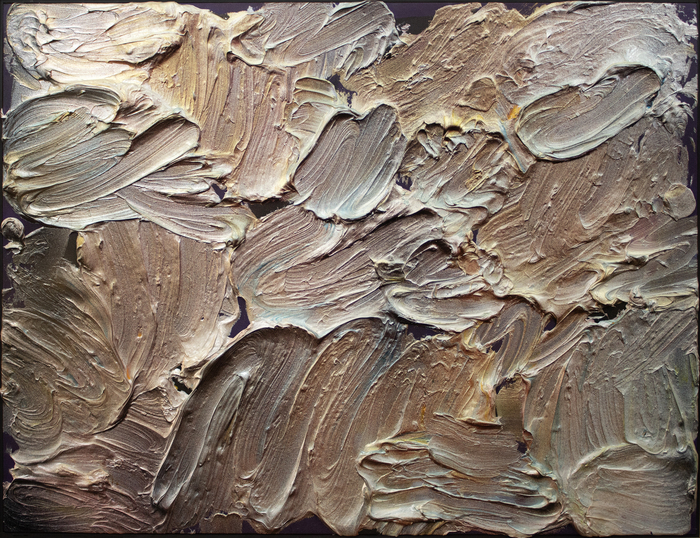
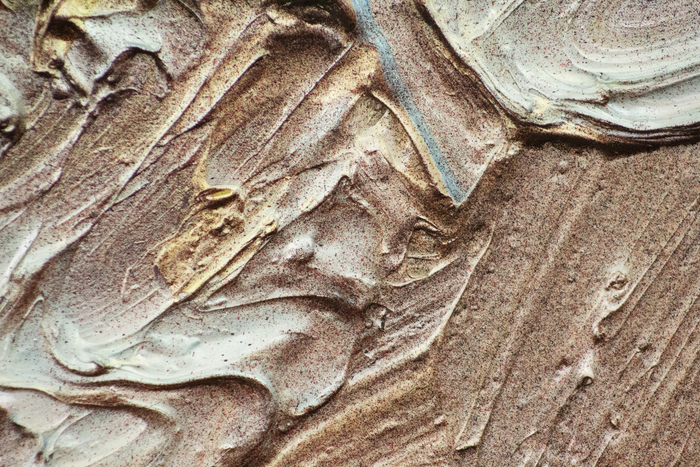
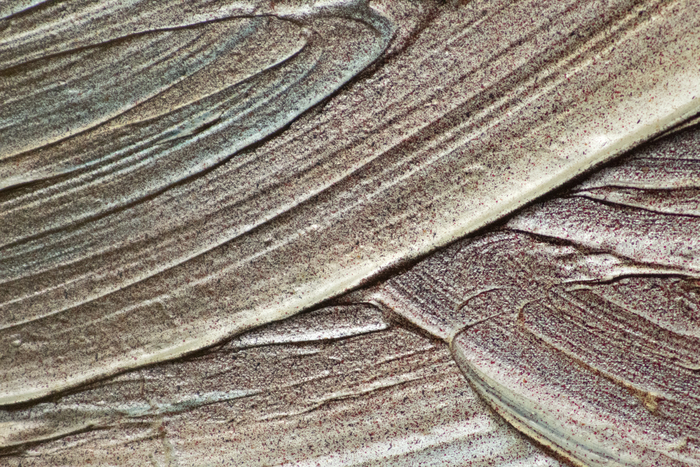
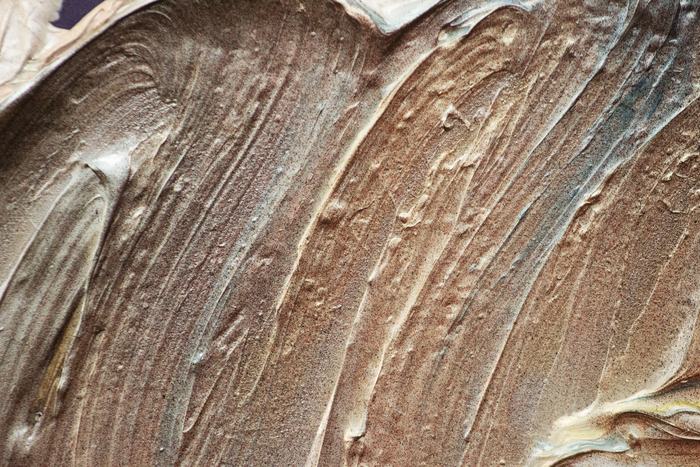
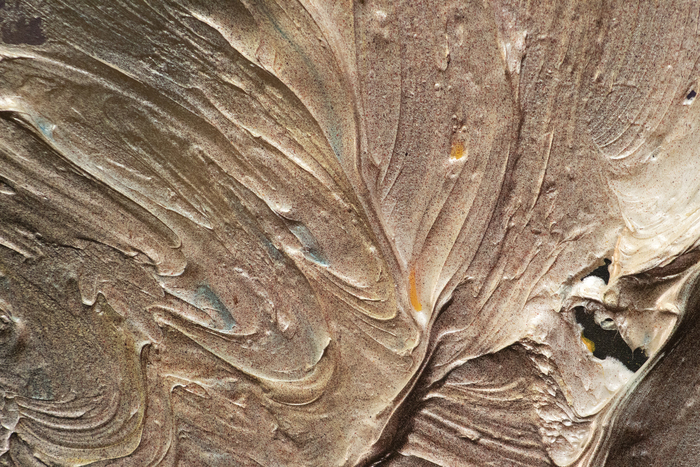
<div><font face=HelveticaNeue size=3 color="#191919">Jules Olitski’s <em>Beauty of Eve</em> (1989) exemplifies the artist’s signature “mitt” paintings, where color field abstraction, gesture, and texture converge into a richly tactile surface. Thick layers of acrylic are applied with expressive movement using unconventional tools such as mitts, brooms, and squeegees to explore the physical depth and material presence of paint. <em>Beauty of Eve</em> captures the height of this experimentation.</font></div><br><br><div> </div><br><br><div><font face=HelveticaNeue size=3 color="#191919">Olitski received major recognition at the Metropolitan Museum of Art in 1969, where he became the first living artist given a solo exhibition at the museum. His work is represented in many major permanent and public collections, including The Boston Museum of Fine Arts, Boston, MA; The Art Institute of Chicago, Chicago, IL; The Hirshhorn Museum and Sculpture Garden, Washington, D.C.; The Museum of Fine Arts, Houston, TX; Tate Modern, London, UK; Toledo Museum of Art, Toledo, OH; The Metropolitan Museum of Art; The Museum of Modern Art; The Solomon R. Guggenheim Museum; and The Whitney Museum of American Art, New York</font></div> <div><font face=HelveticaNeue size=3 color="#191919">Jules Olitski’s <em>Beauty of Eve</em> (1989) exemplifies the artist’s signature “mitt” paintings, where color field abstraction, gesture, and texture converge into a richly tactile surface. Thick layers of acrylic are applied with expressive movement using unconventional tools such as mitts, brooms, and squeegees to explore the physical depth and material presence of paint. <em>Beauty of Eve</em> captures the height of this experimentation.</font></div><br><br><div> </div><br><br><div><font face=HelveticaNeue size=3 color="#191919">Olitski received major recognition at the Metropolitan Museum of Art in 1969, where he became the first living artist given a solo exhibition at the museum. His work is represented in many major permanent and public collections, including The Boston Museum of Fine Arts, Boston, MA; The Art Institute of Chicago, Chicago, IL; The Hirshhorn Museum and Sculpture Garden, Washington, D.C.; The Museum of Fine Arts, Houston, TX; Tate Modern, London, UK; Toledo Museum of Art, Toledo, OH; The Metropolitan Museum of Art; The Museum of Modern Art; The Solomon R. Guggenheim Museum; and The Whitney Museum of American Art, New York</font></div> <div><font face=HelveticaNeue size=3 color="#191919">Jules Olitski’s <em>Beauty of Eve</em> (1989) exemplifies the artist’s signature “mitt” paintings, where color field abstraction, gesture, and texture converge into a richly tactile surface. Thick layers of acrylic are applied with expressive movement using unconventional tools such as mitts, brooms, and squeegees to explore the physical depth and material presence of paint. <em>Beauty of Eve</em> captures the height of this experimentation.</font></div><br><br><div> </div><br><br><div><font face=HelveticaNeue size=3 color="#191919">Olitski received major recognition at the Metropolitan Museum of Art in 1969, where he became the first living artist given a solo exhibition at the museum. His work is represented in many major permanent and public collections, including The Boston Museum of Fine Arts, Boston, MA; The Art Institute of Chicago, Chicago, IL; The Hirshhorn Museum and Sculpture Garden, Washington, D.C.; The Museum of Fine Arts, Houston, TX; Tate Modern, London, UK; Toledo Museum of Art, Toledo, OH; The Metropolitan Museum of Art; The Museum of Modern Art; The Solomon R. Guggenheim Museum; and The Whitney Museum of American Art, New York</font></div> <div><font face=HelveticaNeue size=3 color="#191919">Jules Olitski’s <em>Beauty of Eve</em> (1989) exemplifies the artist’s signature “mitt” paintings, where color field abstraction, gesture, and texture converge into a richly tactile surface. Thick layers of acrylic are applied with expressive movement using unconventional tools such as mitts, brooms, and squeegees to explore the physical depth and material presence of paint. <em>Beauty of Eve</em> captures the height of this experimentation.</font></div><br><br><div> </div><br><br><div><font face=HelveticaNeue size=3 color="#191919">Olitski received major recognition at the Metropolitan Museum of Art in 1969, where he became the first living artist given a solo exhibition at the museum. His work is represented in many major permanent and public collections, including The Boston Museum of Fine Arts, Boston, MA; The Art Institute of Chicago, Chicago, IL; The Hirshhorn Museum and Sculpture Garden, Washington, D.C.; The Museum of Fine Arts, Houston, TX; Tate Modern, London, UK; Toledo Museum of Art, Toledo, OH; The Metropolitan Museum of Art; The Museum of Modern Art; The Solomon R. Guggenheim Museum; and The Whitney Museum of American Art, New York</font></div> <div><font face=HelveticaNeue size=3 color="#191919">Jules Olitski’s <em>Beauty of Eve</em> (1989) exemplifies the artist’s signature “mitt” paintings, where color field abstraction, gesture, and texture converge into a richly tactile surface. Thick layers of acrylic are applied with expressive movement using unconventional tools such as mitts, brooms, and squeegees to explore the physical depth and material presence of paint. <em>Beauty of Eve</em> captures the height of this experimentation.</font></div><br><br><div> </div><br><br><div><font face=HelveticaNeue size=3 color="#191919">Olitski received major recognition at the Metropolitan Museum of Art in 1969, where he became the first living artist given a solo exhibition at the museum. His work is represented in many major permanent and public collections, including The Boston Museum of Fine Arts, Boston, MA; The Art Institute of Chicago, Chicago, IL; The Hirshhorn Museum and Sculpture Garden, Washington, D.C.; The Museum of Fine Arts, Houston, TX; Tate Modern, London, UK; Toledo Museum of Art, Toledo, OH; The Metropolitan Museum of Art; The Museum of Modern Art; The Solomon R. Guggenheim Museum; and The Whitney Museum of American Art, New York</font></div> <div><font face=HelveticaNeue size=3 color="#191919">Jules Olitski’s <em>Beauty of Eve</em> (1989) exemplifies the artist’s signature “mitt” paintings, where color field abstraction, gesture, and texture converge into a richly tactile surface. Thick layers of acrylic are applied with expressive movement using unconventional tools such as mitts, brooms, and squeegees to explore the physical depth and material presence of paint. <em>Beauty of Eve</em> captures the height of this experimentation.</font></div><br><br><div> </div><br><br><div><font face=HelveticaNeue size=3 color="#191919">Olitski received major recognition at the Metropolitan Museum of Art in 1969, where he became the first living artist given a solo exhibition at the museum. His work is represented in many major permanent and public collections, including The Boston Museum of Fine Arts, Boston, MA; The Art Institute of Chicago, Chicago, IL; The Hirshhorn Museum and Sculpture Garden, Washington, D.C.; The Museum of Fine Arts, Houston, TX; Tate Modern, London, UK; Toledo Museum of Art, Toledo, OH; The Metropolitan Museum of Art; The Museum of Modern Art; The Solomon R. Guggenheim Museum; and The Whitney Museum of American Art, New York</font></div> <div><font face=HelveticaNeue size=3 color="#191919">Jules Olitski’s <em>Beauty of Eve</em> (1989) exemplifies the artist’s signature “mitt” paintings, where color field abstraction, gesture, and texture converge into a richly tactile surface. Thick layers of acrylic are applied with expressive movement using unconventional tools such as mitts, brooms, and squeegees to explore the physical depth and material presence of paint. <em>Beauty of Eve</em> captures the height of this experimentation.</font></div><br><br><div> </div><br><br><div><font face=HelveticaNeue size=3 color="#191919">Olitski received major recognition at the Metropolitan Museum of Art in 1969, where he became the first living artist given a solo exhibition at the museum. His work is represented in many major permanent and public collections, including The Boston Museum of Fine Arts, Boston, MA; The Art Institute of Chicago, Chicago, IL; The Hirshhorn Museum and Sculpture Garden, Washington, D.C.; The Museum of Fine Arts, Houston, TX; Tate Modern, London, UK; Toledo Museum of Art, Toledo, OH; The Metropolitan Museum of Art; The Museum of Modern Art; The Solomon R. Guggenheim Museum; and The Whitney Museum of American Art, New York</font></div>
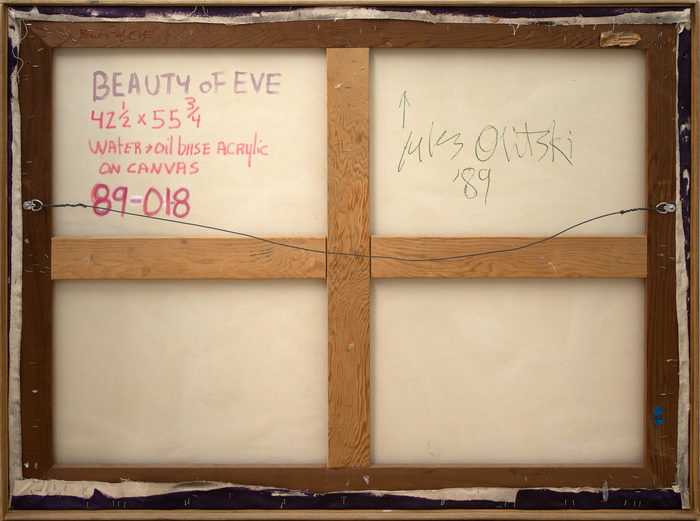
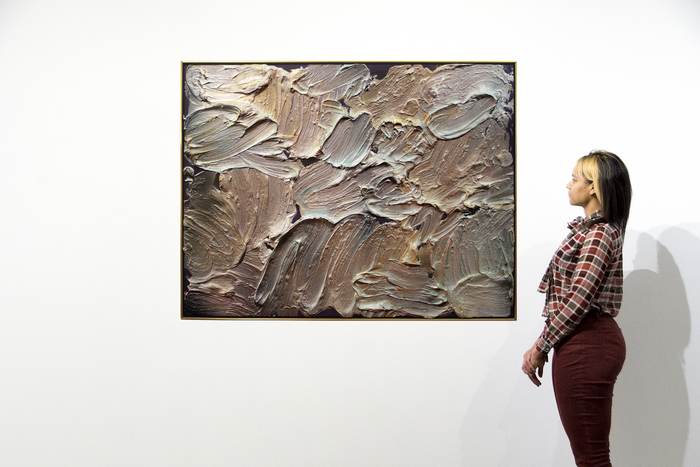
جمال حواء198942 1/2 × 55 3/4 في. (107.95 × 141.61 سم) المياه والزيت القائم على الاكريليك على قماش
الاصل
حوزة الفنان
مجموعة خاصة
تجسد لوحة "جمال حواء" (1989) للفنان جول أوليتسكي أسلوبه الفني المميز في الرسم باستخدام القفازات، حيث يتلاقى التجريد اللوني والإيماءات والملمس في سطح غني بالملمس. يتم تطبيق طبقات سميكة من الأكريليك بحركات تعبيرية باستخدام أدوات غير تقليدية مثل القفازات والمكانس والممسحات لاستكشاف العمق المادي والوجود المادي للطلاء. تجسد لوحة "جمال حواء" ذروة هذه التجربة.


حظي أوليتسكي بتقدير كبير في متحف المتروبوليتان للفنون في عام 1969، حيث أصبح أول فنان حي يُمنح معرضًا فرديًا في المتحف. توجد أعماله في العديد من المجموعات الدائمة والعامة الكبرى، بما في ذلك متحف بوسطن للفنون الجميلة، بوسطن، ماساتشوستس؛ معهد شيكاغو للفنون، شيكاغو، إلينوي؛ متحف هيرشهورن وحديقة التماثيل، واشنطن العاصمة؛ متحف الفنون الجميلة، هيوستن، تكساس؛ تيت مودرن، لندن، المملكة المتحدة؛ متحف توليدو للفنون، توليدو، أوهايو؛ متحف متروبوليتان للفنون؛ متحف الفن الحديث؛ متحف سولومون ر. غوغنهايم؛ ومتحف ويتني للفن الأمريكي، نيويورك.
الاستفسار