戻る

ケネス・ノーランド (1924-2010)

$375,000

 
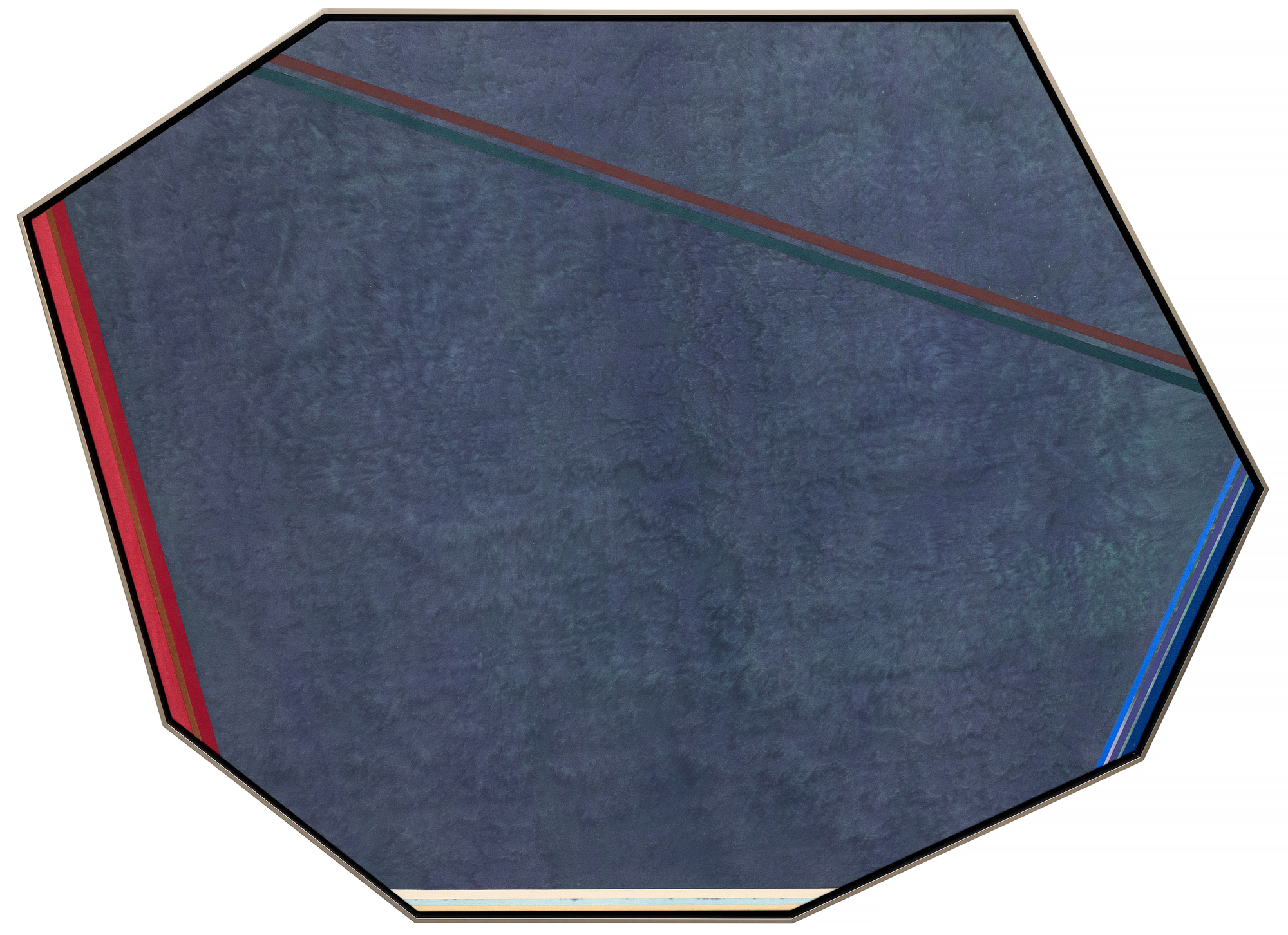
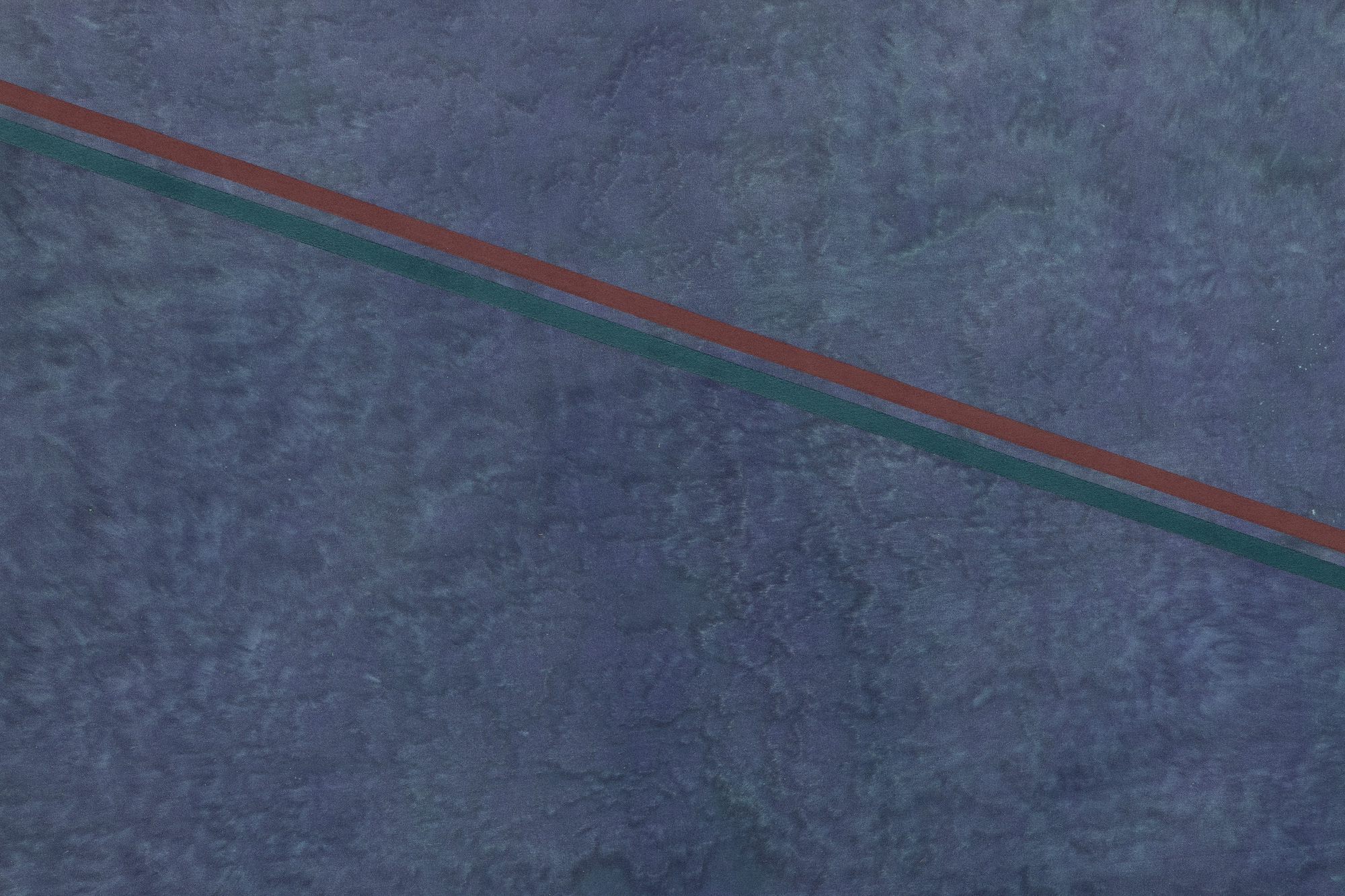
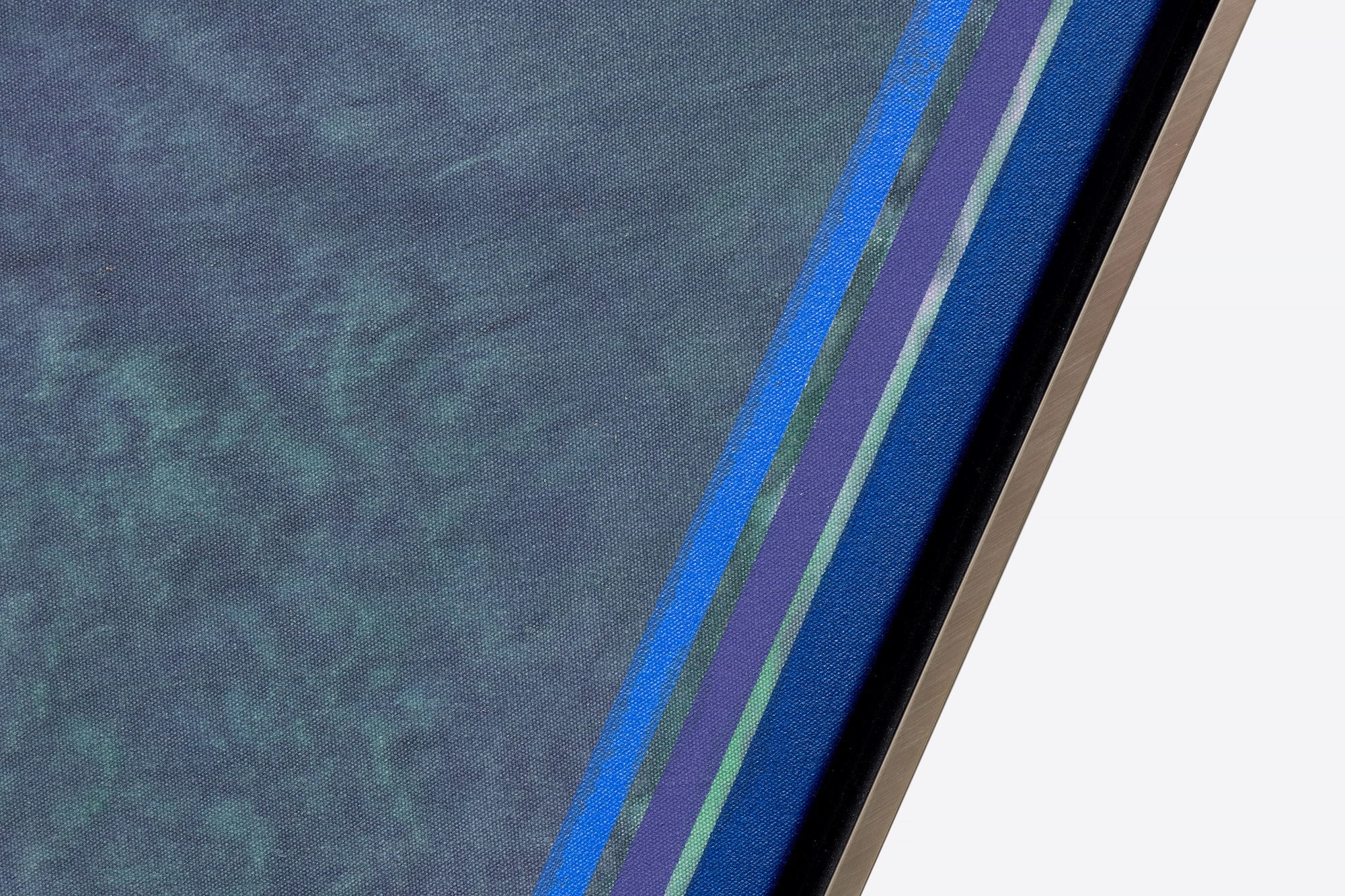
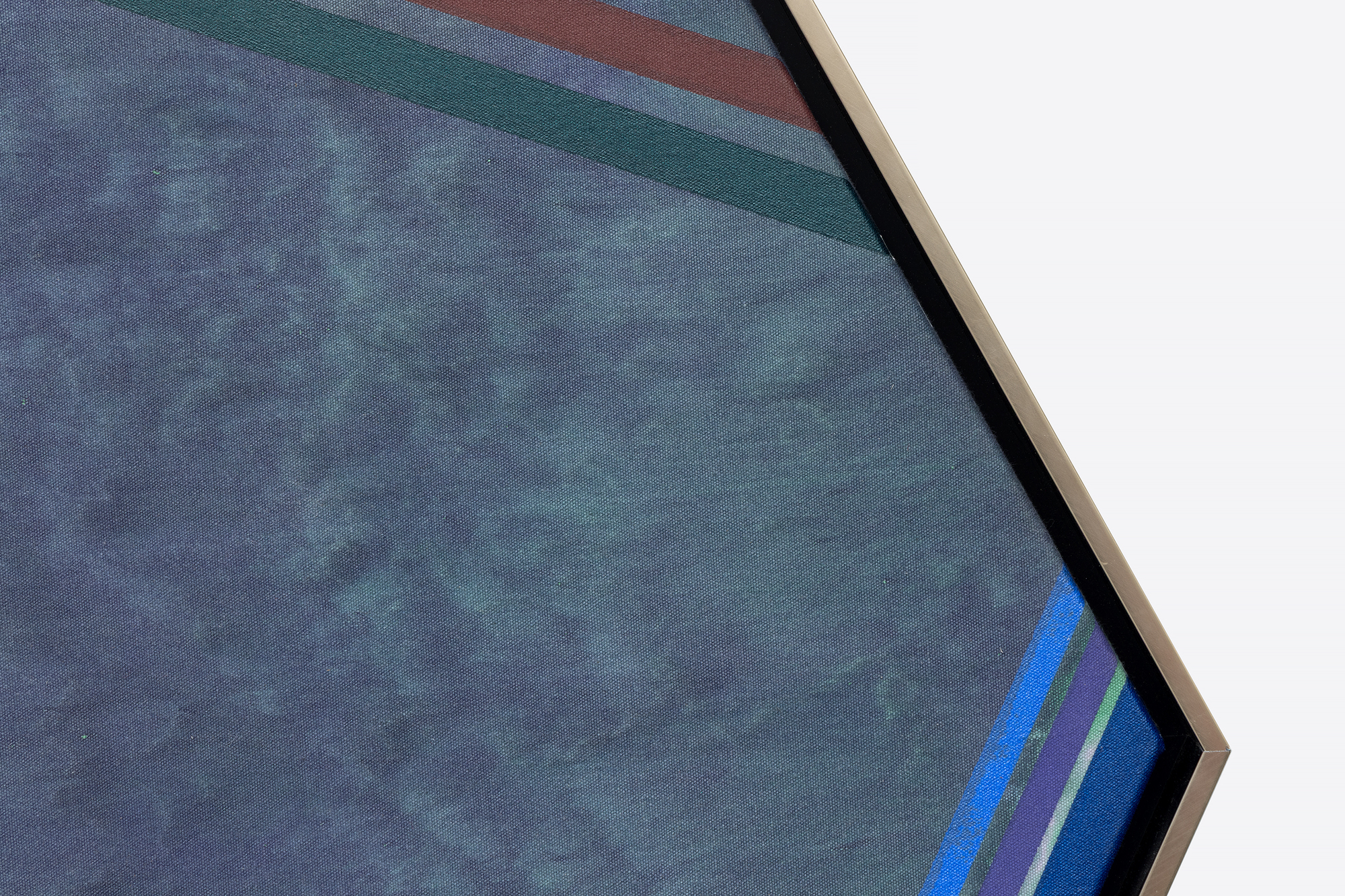
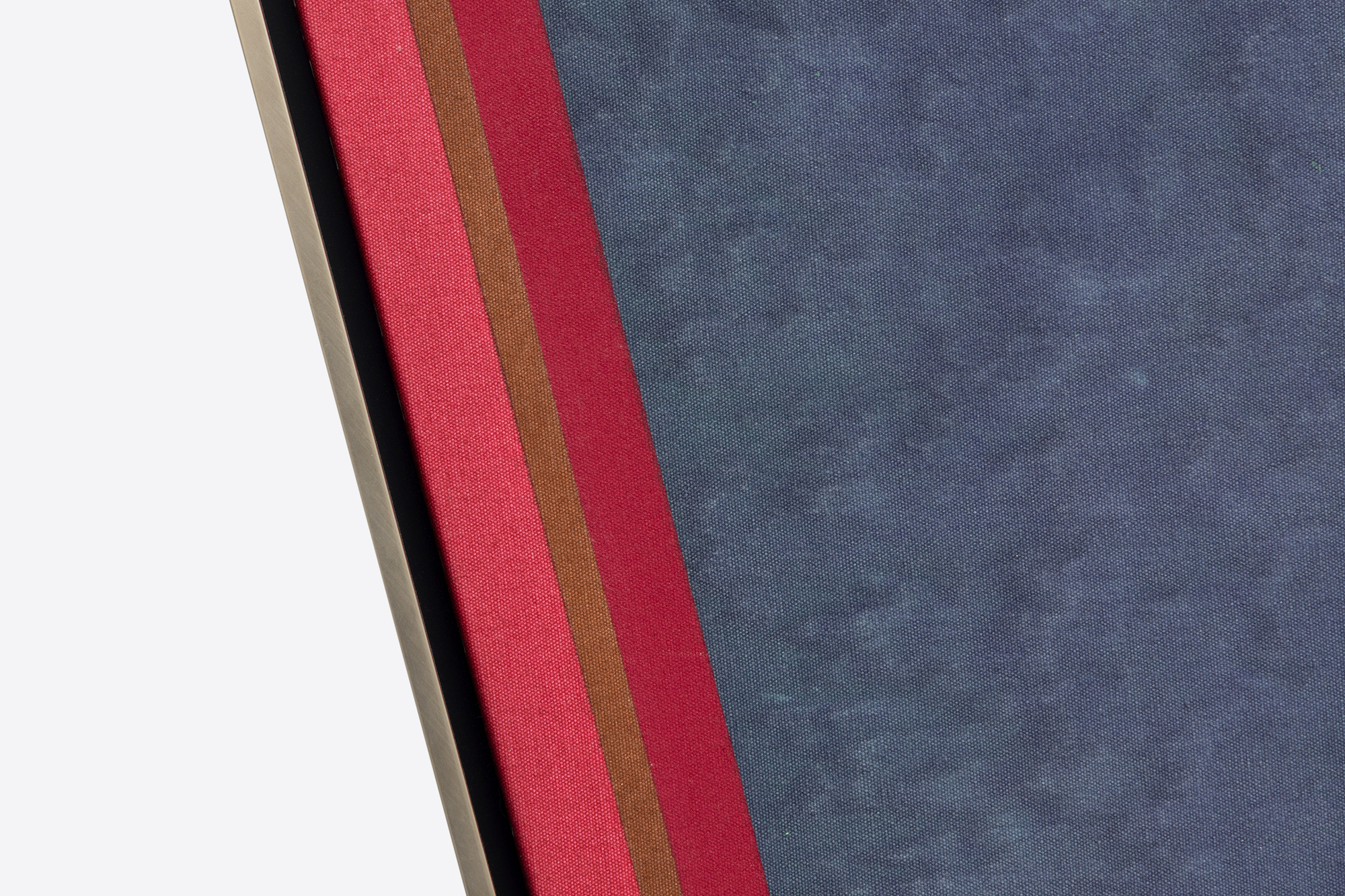
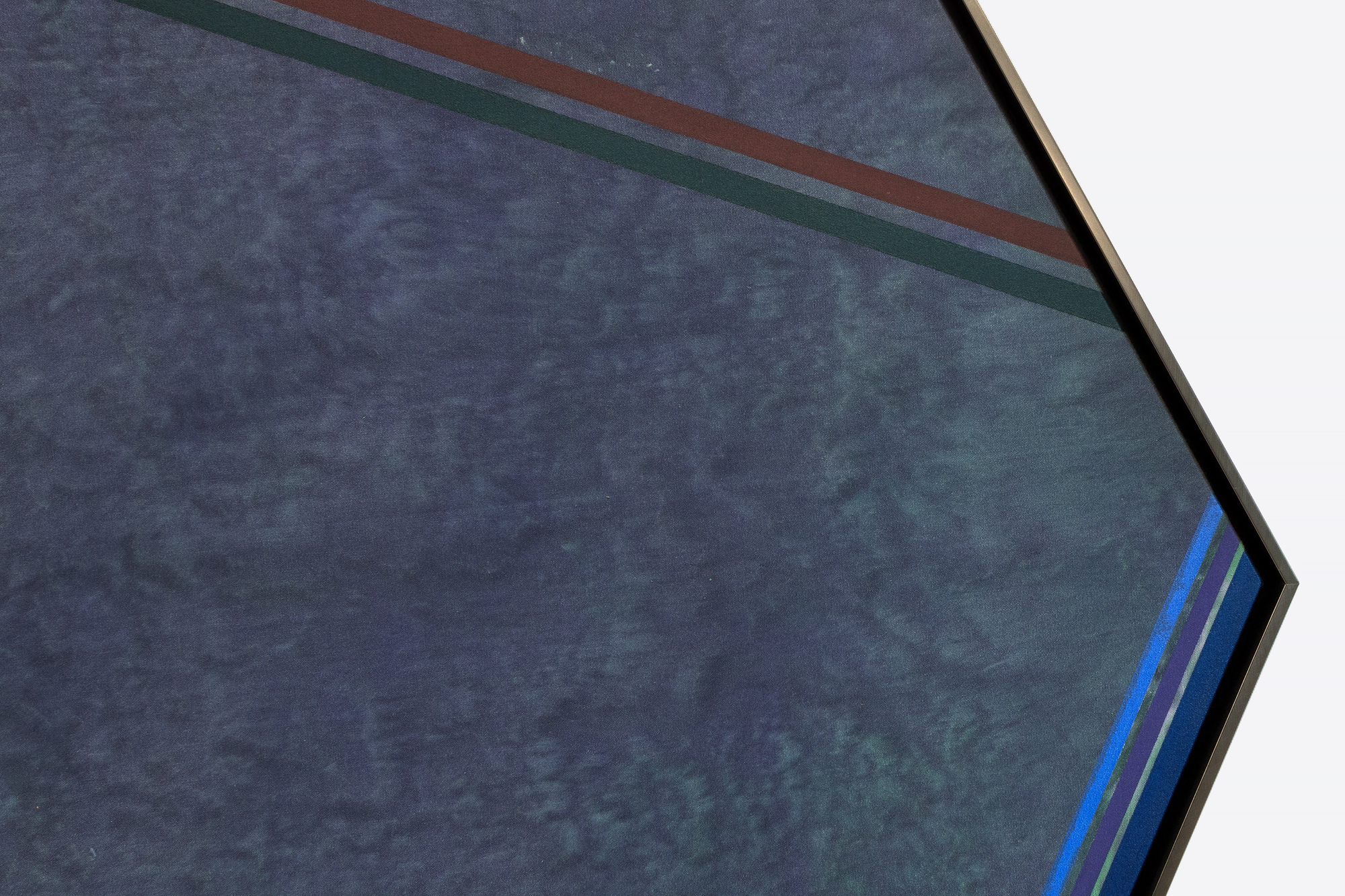
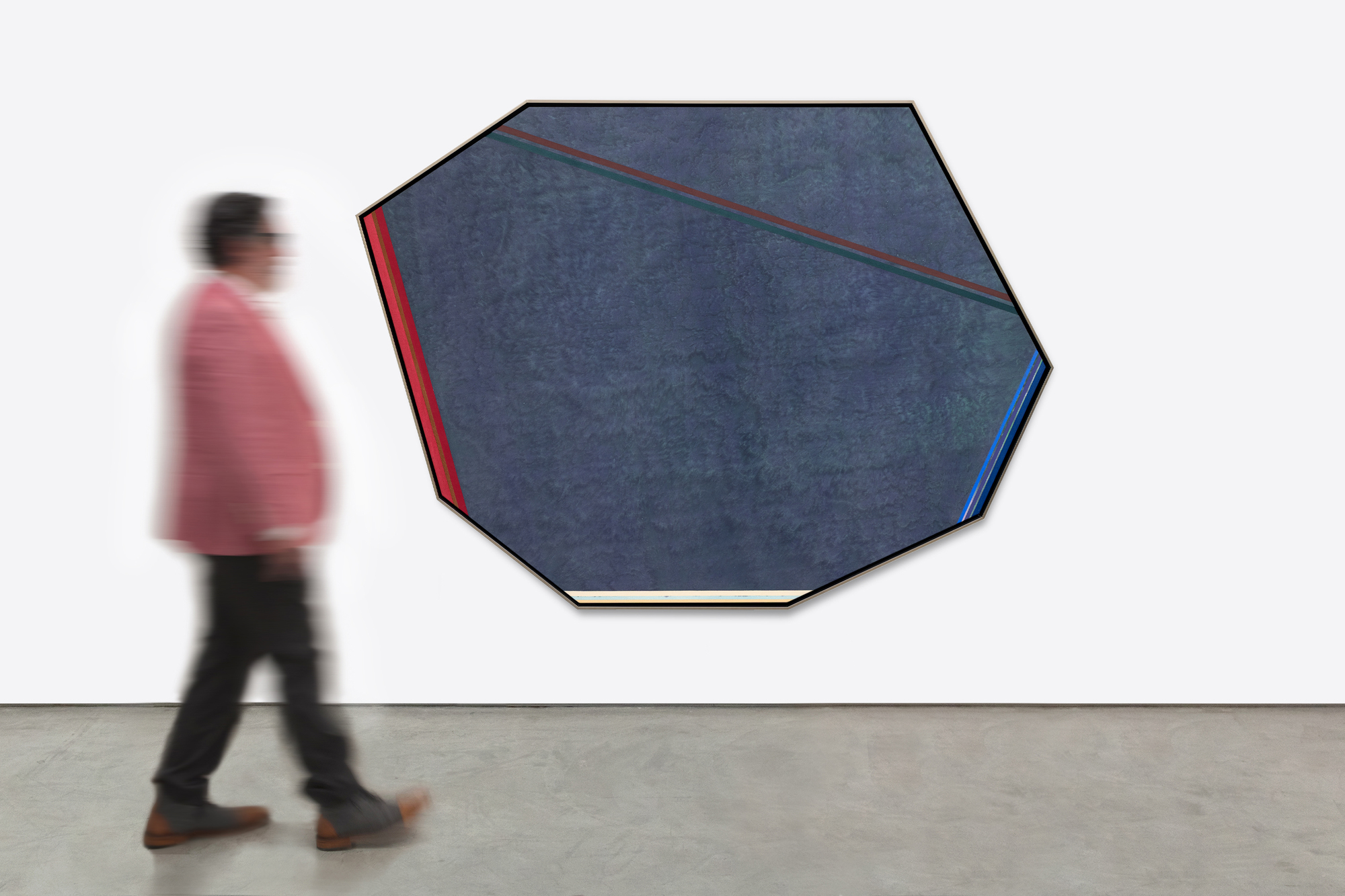
<div><font face=Lato size=3 color=black>Kenneth Noland’s <em>Gray Reflection</em> (1978) comes from the late 1970s, when the artist was deeply engaged with shaped canvases and the refinement of surface and form. The cool slate ground is animated by faint tonal shifts and angled color bands that cut across the polygonal field, creating both balance and quiet momentum.<br><br></font></div><br><br><div><font face=Lato size=3 color=black>This period was far less prolific than his celebrated 1960s circle paintings, making works such as <em>Gray Reflection </em>comparatively rare. While not part of a named series, it resonates with other late-1970s explorations like <em>Burnt Beige </em>at the Cranbrook Art Museum.<br><br></font></div><br><br><div><font face=Lato size=3 color=black>Noland, a central figure of post-painterly abstraction alongside Morris Louis and Helen Frankenthaler, is represented in major museum collections including MoMA, Tate, and the National Gallery of Art.</font></div> <div><font face=Lato size=3 color=black>Kenneth Noland’s <em>Gray Reflection</em> (1978) comes from the late 1970s, when the artist was deeply engaged with shaped canvases and the refinement of surface and form. The cool slate ground is animated by faint tonal shifts and angled color bands that cut across the polygonal field, creating both balance and quiet momentum.<br><br></font></div><br><br><div><font face=Lato size=3 color=black>This period was far less prolific than his celebrated 1960s circle paintings, making works such as <em>Gray Reflection </em>comparatively rare. While not part of a named series, it resonates with other late-1970s explorations like <em>Burnt Beige </em>at the Cranbrook Art Museum.<br><br></font></div><br><br><div><font face=Lato size=3 color=black>Noland, a central figure of post-painterly abstraction alongside Morris Louis and Helen Frankenthaler, is represented in major museum collections including MoMA, Tate, and the National Gallery of Art.</font></div> <div><font face=Lato size=3 color=black>Kenneth Noland’s <em>Gray Reflection</em> (1978) comes from the late 1970s, when the artist was deeply engaged with shaped canvases and the refinement of surface and form. The cool slate ground is animated by faint tonal shifts and angled color bands that cut across the polygonal field, creating both balance and quiet momentum.<br><br></font></div><br><br><div><font face=Lato size=3 color=black>This period was far less prolific than his celebrated 1960s circle paintings, making works such as <em>Gray Reflection </em>comparatively rare. While not part of a named series, it resonates with other late-1970s explorations like <em>Burnt Beige </em>at the Cranbrook Art Museum.<br><br></font></div><br><br><div><font face=Lato size=3 color=black>Noland, a central figure of post-painterly abstraction alongside Morris Louis and Helen Frankenthaler, is represented in major museum collections including MoMA, Tate, and the National Gallery of Art.</font></div> <div><font face=Lato size=3 color=black>Kenneth Noland’s <em>Gray Reflection</em> (1978) comes from the late 1970s, when the artist was deeply engaged with shaped canvases and the refinement of surface and form. The cool slate ground is animated by faint tonal shifts and angled color bands that cut across the polygonal field, creating both balance and quiet momentum.<br><br></font></div><br><br><div><font face=Lato size=3 color=black>This period was far less prolific than his celebrated 1960s circle paintings, making works such as <em>Gray Reflection </em>comparatively rare. While not part of a named series, it resonates with other late-1970s explorations like <em>Burnt Beige </em>at the Cranbrook Art Museum.<br><br></font></div><br><br><div><font face=Lato size=3 color=black>Noland, a central figure of post-painterly abstraction alongside Morris Louis and Helen Frankenthaler, is represented in major museum collections including MoMA, Tate, and the National Gallery of Art.</font></div> <div><font face=Lato size=3 color=black>Kenneth Noland’s <em>Gray Reflection</em> (1978) comes from the late 1970s, when the artist was deeply engaged with shaped canvases and the refinement of surface and form. The cool slate ground is animated by faint tonal shifts and angled color bands that cut across the polygonal field, creating both balance and quiet momentum.<br><br></font></div><br><br><div><font face=Lato size=3 color=black>This period was far less prolific than his celebrated 1960s circle paintings, making works such as <em>Gray Reflection </em>comparatively rare. While not part of a named series, it resonates with other late-1970s explorations like <em>Burnt Beige </em>at the Cranbrook Art Museum.<br><br></font></div><br><br><div><font face=Lato size=3 color=black>Noland, a central figure of post-painterly abstraction alongside Morris Louis and Helen Frankenthaler, is represented in major museum collections including MoMA, Tate, and the National Gallery of Art.</font></div> <div><font face=Lato size=3 color=black>Kenneth Noland’s <em>Gray Reflection</em> (1978) comes from the late 1970s, when the artist was deeply engaged with shaped canvases and the refinement of surface and form. The cool slate ground is animated by faint tonal shifts and angled color bands that cut across the polygonal field, creating both balance and quiet momentum.<br><br></font></div><br><br><div><font face=Lato size=3 color=black>This period was far less prolific than his celebrated 1960s circle paintings, making works such as <em>Gray Reflection </em>comparatively rare. While not part of a named series, it resonates with other late-1970s explorations like <em>Burnt Beige </em>at the Cranbrook Art Museum.<br><br></font></div><br><br><div><font face=Lato size=3 color=black>Noland, a central figure of post-painterly abstraction alongside Morris Louis and Helen Frankenthaler, is represented in major museum collections including MoMA, Tate, and the National Gallery of Art.</font></div> <div><font face=Lato size=3 color=black>Kenneth Noland’s <em>Gray Reflection</em> (1978) comes from the late 1970s, when the artist was deeply engaged with shaped canvases and the refinement of surface and form. The cool slate ground is animated by faint tonal shifts and angled color bands that cut across the polygonal field, creating both balance and quiet momentum.<br><br></font></div><br><br><div><font face=Lato size=3 color=black>This period was far less prolific than his celebrated 1960s circle paintings, making works such as <em>Gray Reflection </em>comparatively rare. While not part of a named series, it resonates with other late-1970s explorations like <em>Burnt Beige </em>at the Cranbrook Art Museum.<br><br></font></div><br><br><div><font face=Lato size=3 color=black>Noland, a central figure of post-painterly abstraction alongside Morris Louis and Helen Frankenthaler, is represented in major museum collections including MoMA, Tate, and the National Gallery of Art.</font></div> <div><font face=Lato size=3 color=black>Kenneth Noland’s <em>Gray Reflection</em> (1978) comes from the late 1970s, when the artist was deeply engaged with shaped canvases and the refinement of surface and form. The cool slate ground is animated by faint tonal shifts and angled color bands that cut across the polygonal field, creating both balance and quiet momentum.<br><br></font></div><br><br><div><font face=Lato size=3 color=black>This period was far less prolific than his celebrated 1960s circle paintings, making works such as <em>Gray Reflection </em>comparatively rare. While not part of a named series, it resonates with other late-1970s explorations like <em>Burnt Beige </em>at the Cranbrook Art Museum.<br><br></font></div><br><br><div><font face=Lato size=3 color=black>Noland, a central figure of post-painterly abstraction alongside Morris Louis and Helen Frankenthaler, is represented in major museum collections including MoMA, Tate, and the National Gallery of Art.</font></div> <div><font face=Lato size=3 color=black>Kenneth Noland’s <em>Gray Reflection</em> (1978) comes from the late 1970s, when the artist was deeply engaged with shaped canvases and the refinement of surface and form. The cool slate ground is animated by faint tonal shifts and angled color bands that cut across the polygonal field, creating both balance and quiet momentum.<br><br></font></div><br><br><div><font face=Lato size=3 color=black>This period was far less prolific than his celebrated 1960s circle paintings, making works such as <em>Gray Reflection </em>comparatively rare. While not part of a named series, it resonates with other late-1970s explorations like <em>Burnt Beige </em>at the Cranbrook Art Museum.<br><br></font></div><br><br><div><font face=Lato size=3 color=black>Noland, a central figure of post-painterly abstraction alongside Morris Louis and Helen Frankenthaler, is represented in major museum collections including MoMA, Tate, and the National Gallery of Art.</font></div> <div><font face=Lato size=3 color=black>Kenneth Noland’s <em>Gray Reflection</em> (1978) comes from the late 1970s, when the artist was deeply engaged with shaped canvases and the refinement of surface and form. The cool slate ground is animated by faint tonal shifts and angled color bands that cut across the polygonal field, creating both balance and quiet momentum.<br><br></font></div><br><br><div><font face=Lato size=3 color=black>This period was far less prolific than his celebrated 1960s circle paintings, making works such as <em>Gray Reflection </em>comparatively rare. While not part of a named series, it resonates with other late-1970s explorations like <em>Burnt Beige </em>at the Cranbrook Art Museum.<br><br></font></div><br><br><div><font face=Lato size=3 color=black>Noland, a central figure of post-painterly abstraction alongside Morris Louis and Helen Frankenthaler, is represented in major museum collections including MoMA, Tate, and the National Gallery of Art.</font></div>
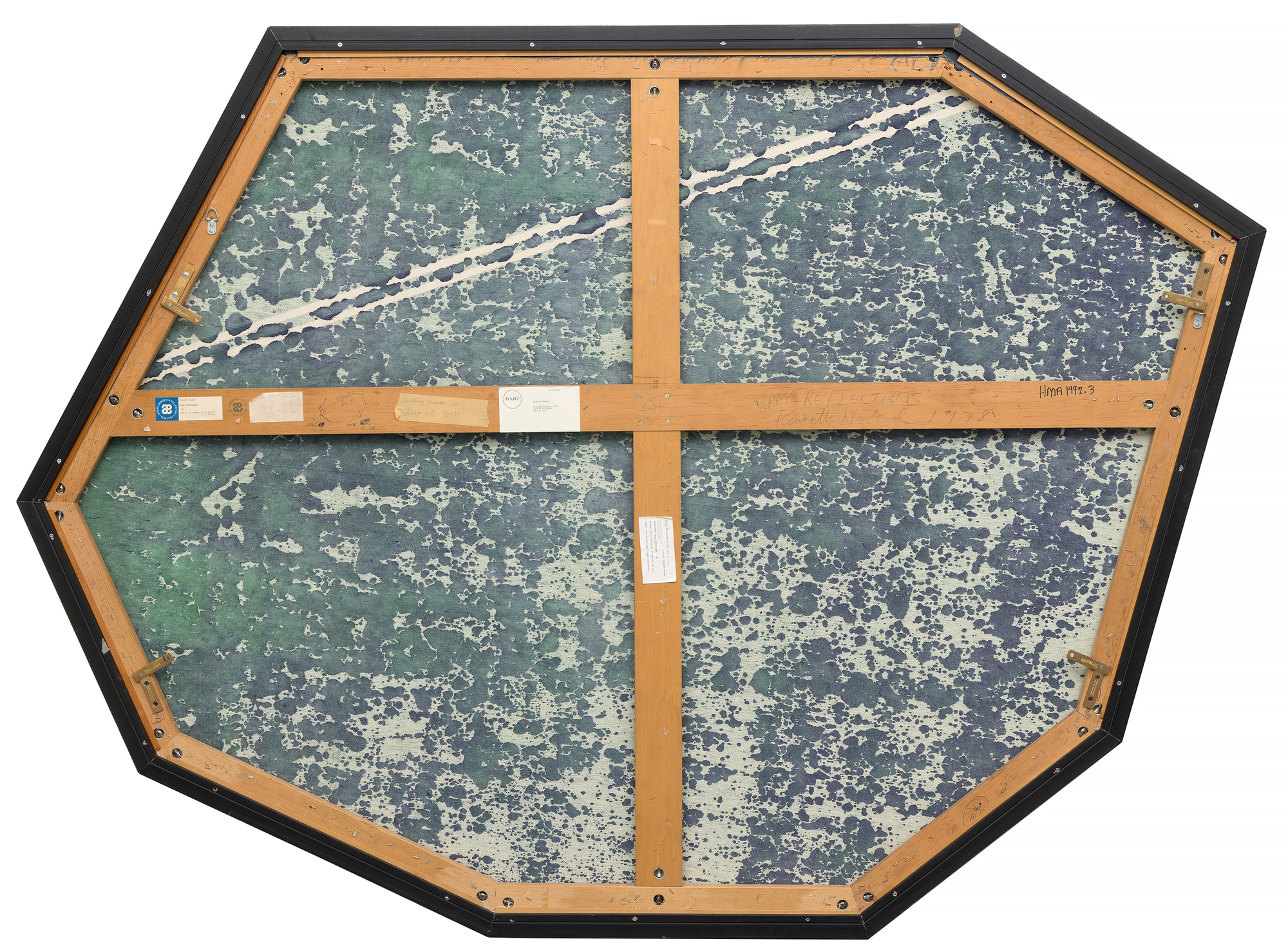
灰色の反射1978年66 1/4 x 88 1/2 インチ(168.28 x 224.79 x 2.54 cm) キャンバスにアクリル
出所
アンドレ・エメリッヒ・ギャラリー株式会社、ニューヨーク
ダート・ギャラリー、シカゴ
アン&ウィリアム・J・ホーキン夫妻、シカゴ
上記より20世紀美術取得基金を通じて寄贈
サザビーズ・ニューヨーク、2012年11月14日(水)、ロット275
個人コレクション(上記より取得)
ケネス・ノーランドの『グレイ・リフレクション』(1978年)は、1970年代後半の作品である。この時期、作家は形状キャンバスと表面・形態の洗練に深く取り組んでいた。 冷たいスレート色の地は、かすかなトーンの変化と多角形の領域を横切る斜めのカラーバンドによって活気づけられ、均衡と静かな勢いを同時に生み出している。


この時期の制作量は、彼の有名な1960年代の円形絵画に比べてはるかに少なく、『グレイ・リフレクション』のような作品は比較的稀である。特定のシリーズには属さないが、クランブルック美術館所蔵の『バーント・ベージュ』など、1970年代後半の他の探求と共鳴している。


ノーランドは、モリス・ルイスやヘレン・フランケンターラーと並びポストペインテリー・アブストラクションの中心的人物であり、MoMA、テート、ナショナル・ギャラリー・オブ・アートなどの主要美術館コレクションに作品が収蔵されている。
お 問い合わせ