
戻る

アンディ・ウォーホル (1928-1987)

 
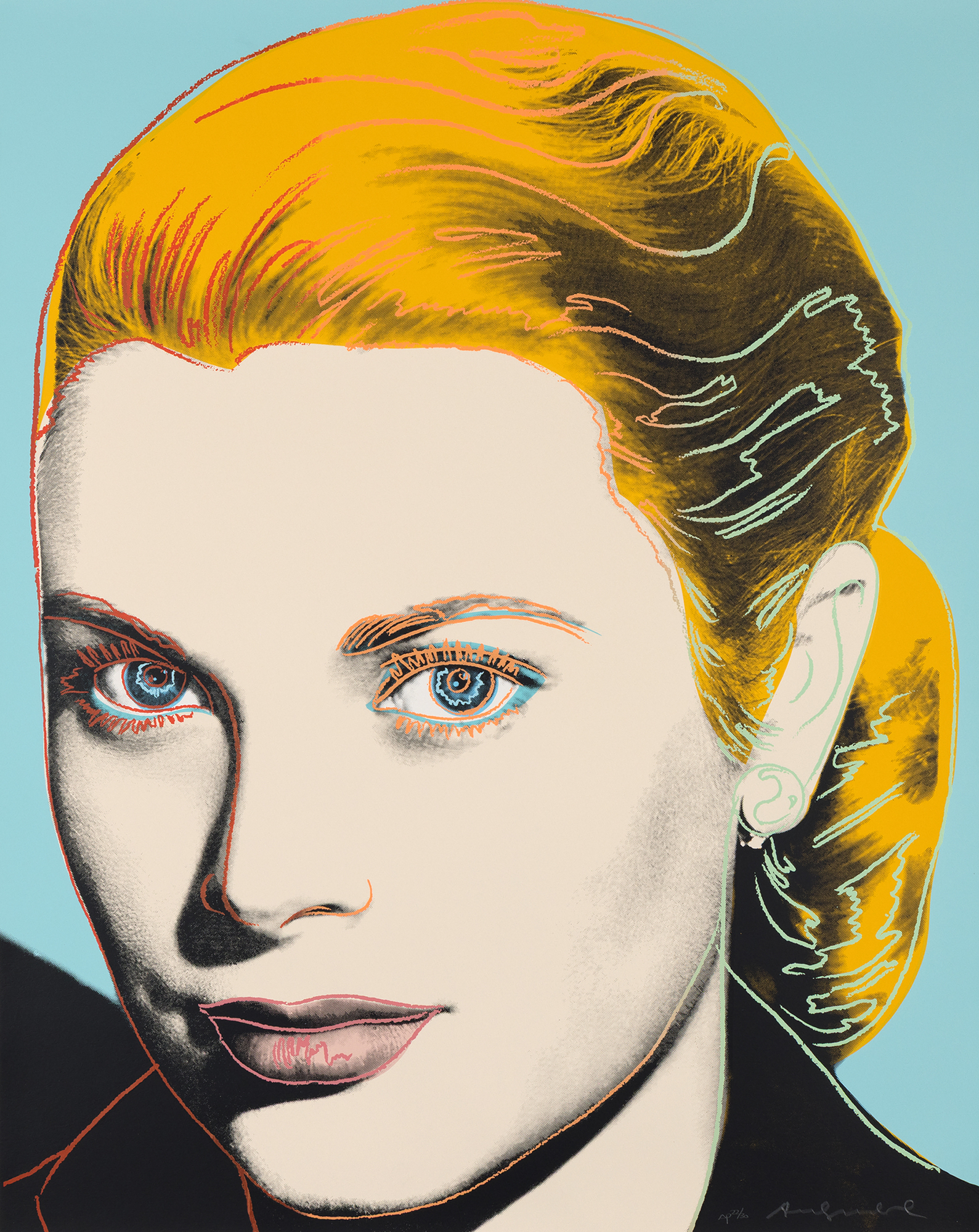
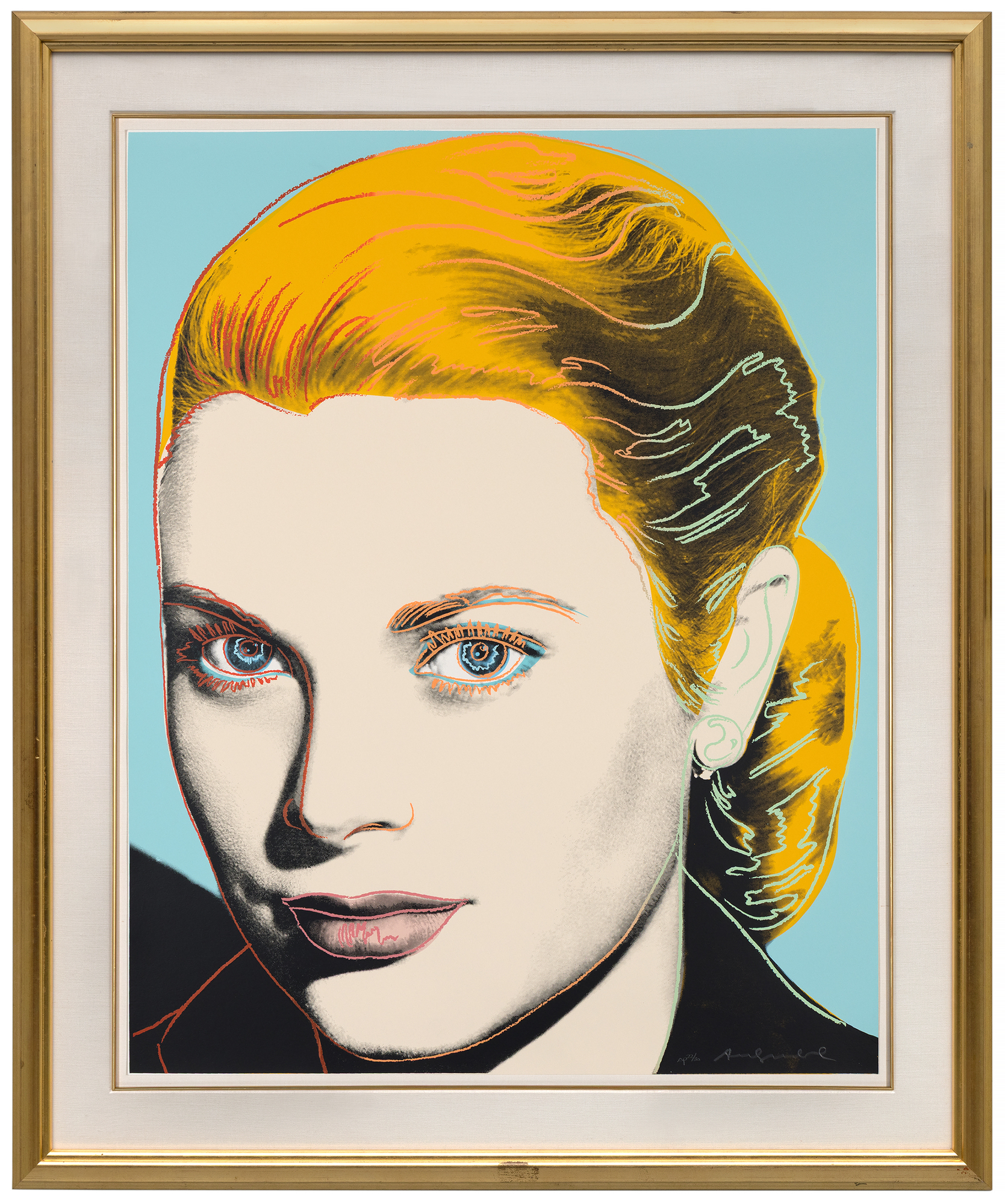
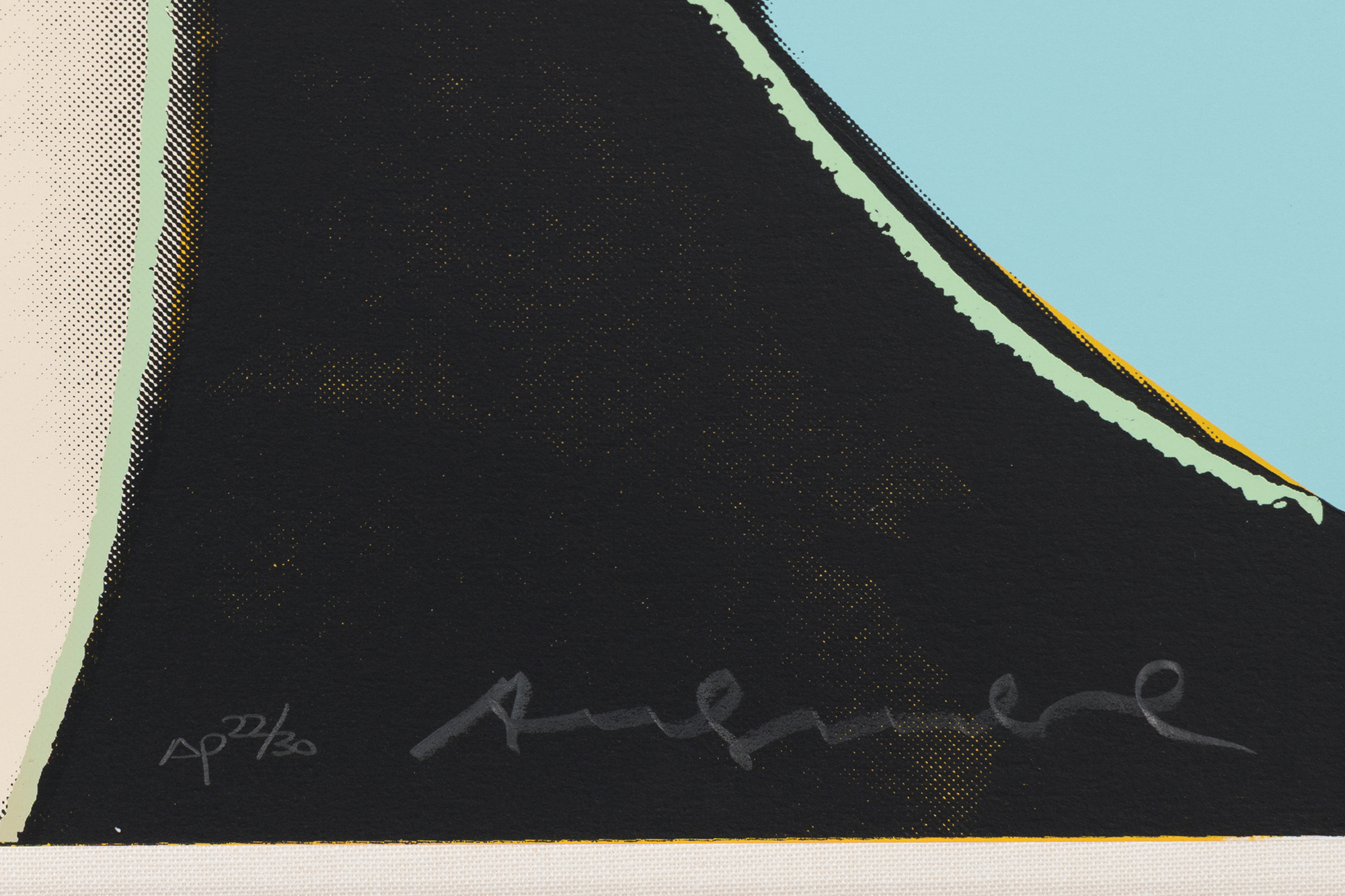
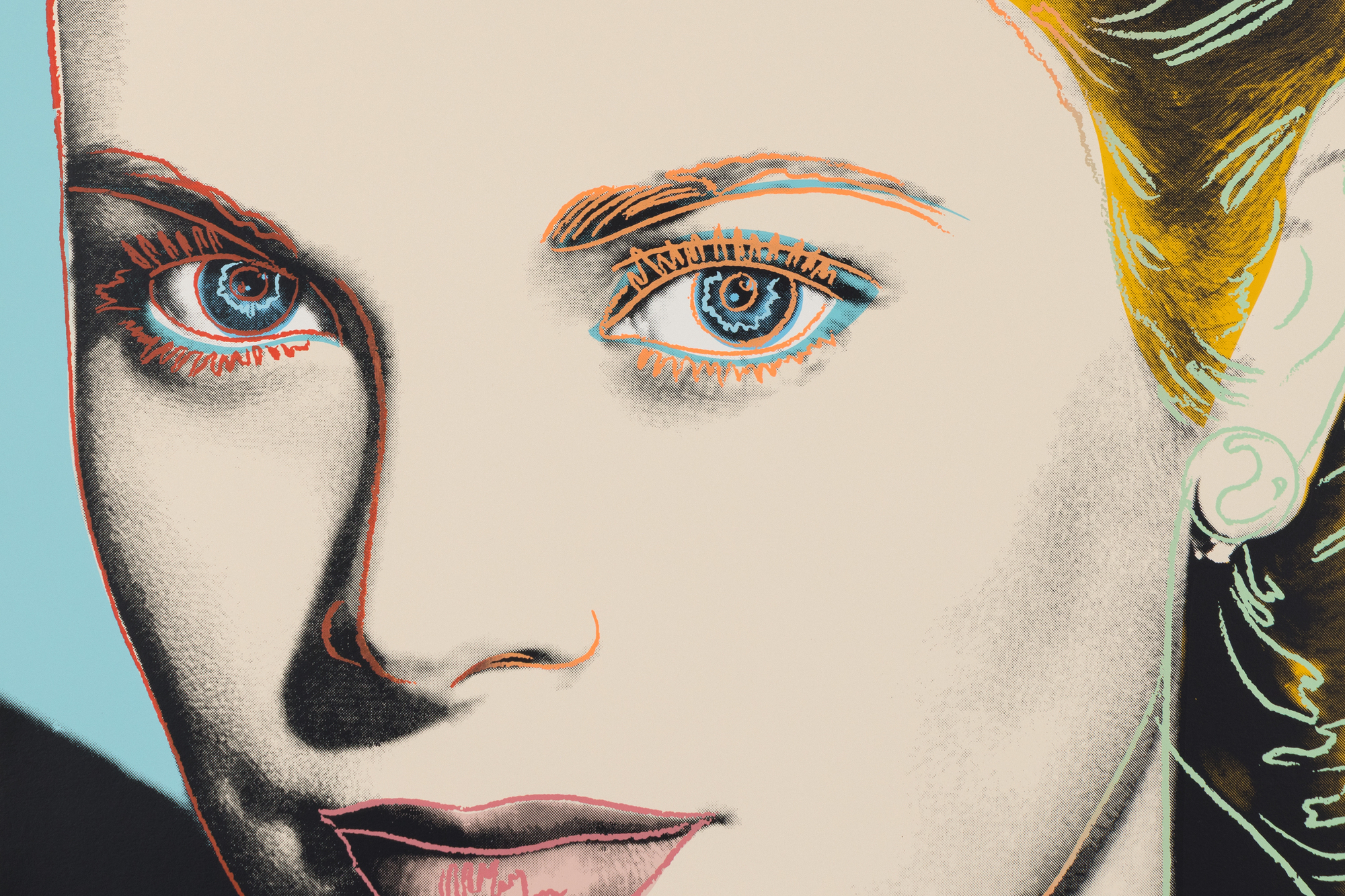
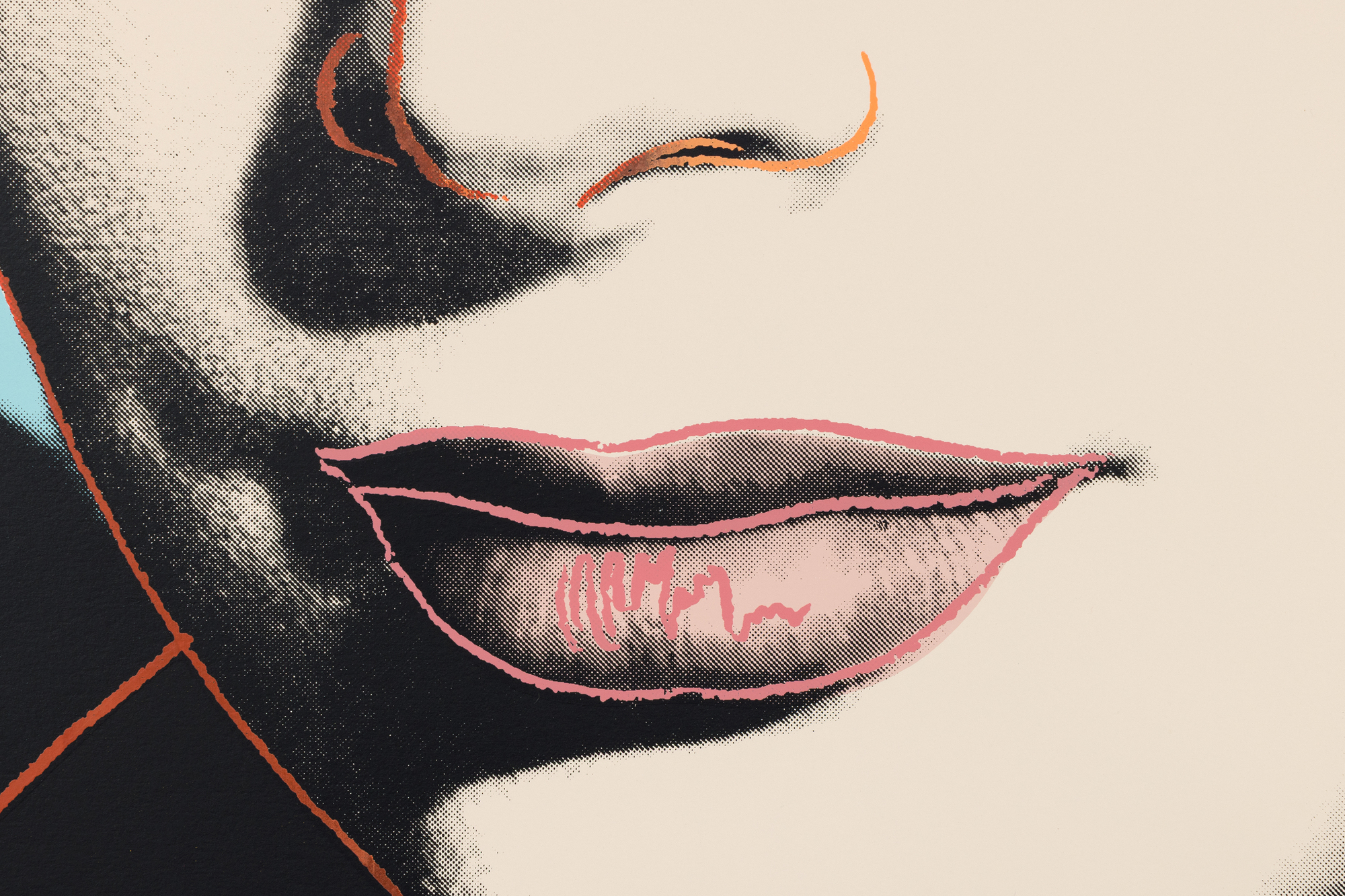
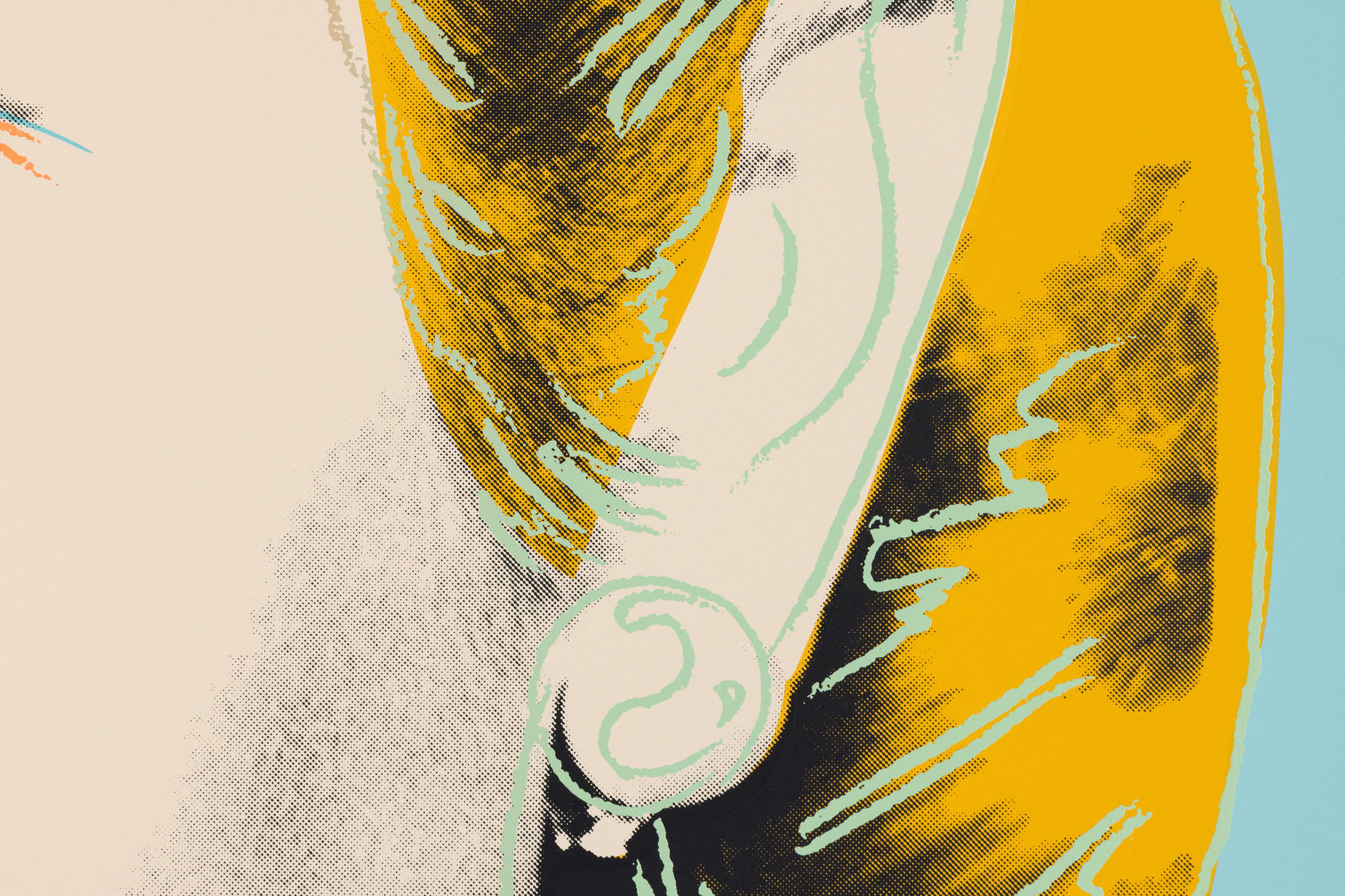
<div><font face=Lato size=3>Andy Warhol’s <em>Grace Kelly</em> (1984) is a dazzling screenprint that immortalizes one of Hollywood’s most iconic stars, who later became Princess of Monaco. This impression, one of 30 artist’s proofs aside from the regular edition of 225, depicts Kelly with radiant canary yellow hair set against a turquoise ground. Her face, rendered through Warhol’s crisp silkscreened contours, is at once immediately recognizable and transformed into a bold graphic emblem. </font></div><br><br><div><font face=Lato size=3> </font></div><br><br><div><font face=Lato size=3>The image is based on a film still from<em> Fourteen Hours</em> (1951), Kelly’s screen debut, which Warhol reimagines through his signature Pop sensibility. By isolating and intensifying her features with vibrant color contrasts, he heightens both the glamour of the actress and the constructed nature of celebrity imagery. The turquoise background vibrates against Kelly’s luminous hair, underscoring Warhol’s mastery of color as a tool of both allure and abstraction. </font></div><br><br><div><font face=Lato size=3> </font></div><br><br><div><font face=Lato size=3>Created during a period when Warhol was revisiting the great icons of his earlier career, <em>Grace Kelly</em> encapsulates his fascination with beauty, fame, and cultural mythmaking. The work distills Kelly’s presence into a timeless symbol—simultaneously a celebration of her cinematic allure and a meditation on the transformation of star into legend. </font></div><br><br><div><font face=Lato size=3> </font></div><br><br><div><font face=Lato size=3> </font></div> <div><font face=Lato size=3>Andy Warhol’s <em>Grace Kelly</em> (1984) is a dazzling screenprint that immortalizes one of Hollywood’s most iconic stars, who later became Princess of Monaco. This impression, one of 30 artist’s proofs aside from the regular edition of 225, depicts Kelly with radiant canary yellow hair set against a turquoise ground. Her face, rendered through Warhol’s crisp silkscreened contours, is at once immediately recognizable and transformed into a bold graphic emblem. </font></div><br><br><div><font face=Lato size=3> </font></div><br><br><div><font face=Lato size=3>The image is based on a film still from<em> Fourteen Hours</em> (1951), Kelly’s screen debut, which Warhol reimagines through his signature Pop sensibility. By isolating and intensifying her features with vibrant color contrasts, he heightens both the glamour of the actress and the constructed nature of celebrity imagery. The turquoise background vibrates against Kelly’s luminous hair, underscoring Warhol’s mastery of color as a tool of both allure and abstraction. </font></div><br><br><div><font face=Lato size=3> </font></div><br><br><div><font face=Lato size=3>Created during a period when Warhol was revisiting the great icons of his earlier career, <em>Grace Kelly</em> encapsulates his fascination with beauty, fame, and cultural mythmaking. The work distills Kelly’s presence into a timeless symbol—simultaneously a celebration of her cinematic allure and a meditation on the transformation of star into legend. </font></div><br><br><div><font face=Lato size=3> </font></div><br><br><div><font face=Lato size=3> </font></div> <div><font face=Lato size=3>Andy Warhol’s <em>Grace Kelly</em> (1984) is a dazzling screenprint that immortalizes one of Hollywood’s most iconic stars, who later became Princess of Monaco. This impression, one of 30 artist’s proofs aside from the regular edition of 225, depicts Kelly with radiant canary yellow hair set against a turquoise ground. Her face, rendered through Warhol’s crisp silkscreened contours, is at once immediately recognizable and transformed into a bold graphic emblem. </font></div><br><br><div><font face=Lato size=3> </font></div><br><br><div><font face=Lato size=3>The image is based on a film still from<em> Fourteen Hours</em> (1951), Kelly’s screen debut, which Warhol reimagines through his signature Pop sensibility. By isolating and intensifying her features with vibrant color contrasts, he heightens both the glamour of the actress and the constructed nature of celebrity imagery. The turquoise background vibrates against Kelly’s luminous hair, underscoring Warhol’s mastery of color as a tool of both allure and abstraction. </font></div><br><br><div><font face=Lato size=3> </font></div><br><br><div><font face=Lato size=3>Created during a period when Warhol was revisiting the great icons of his earlier career, <em>Grace Kelly</em> encapsulates his fascination with beauty, fame, and cultural mythmaking. The work distills Kelly’s presence into a timeless symbol—simultaneously a celebration of her cinematic allure and a meditation on the transformation of star into legend. </font></div><br><br><div><font face=Lato size=3> </font></div><br><br><div><font face=Lato size=3> </font></div> <div><font face=Lato size=3>Andy Warhol’s <em>Grace Kelly</em> (1984) is a dazzling screenprint that immortalizes one of Hollywood’s most iconic stars, who later became Princess of Monaco. This impression, one of 30 artist’s proofs aside from the regular edition of 225, depicts Kelly with radiant canary yellow hair set against a turquoise ground. Her face, rendered through Warhol’s crisp silkscreened contours, is at once immediately recognizable and transformed into a bold graphic emblem. </font></div><br><br><div><font face=Lato size=3> </font></div><br><br><div><font face=Lato size=3>The image is based on a film still from<em> Fourteen Hours</em> (1951), Kelly’s screen debut, which Warhol reimagines through his signature Pop sensibility. By isolating and intensifying her features with vibrant color contrasts, he heightens both the glamour of the actress and the constructed nature of celebrity imagery. The turquoise background vibrates against Kelly’s luminous hair, underscoring Warhol’s mastery of color as a tool of both allure and abstraction. </font></div><br><br><div><font face=Lato size=3> </font></div><br><br><div><font face=Lato size=3>Created during a period when Warhol was revisiting the great icons of his earlier career, <em>Grace Kelly</em> encapsulates his fascination with beauty, fame, and cultural mythmaking. The work distills Kelly’s presence into a timeless symbol—simultaneously a celebration of her cinematic allure and a meditation on the transformation of star into legend. </font></div><br><br><div><font face=Lato size=3> </font></div><br><br><div><font face=Lato size=3> </font></div> <div><font face=Lato size=3>Andy Warhol’s <em>Grace Kelly</em> (1984) is a dazzling screenprint that immortalizes one of Hollywood’s most iconic stars, who later became Princess of Monaco. This impression, one of 30 artist’s proofs aside from the regular edition of 225, depicts Kelly with radiant canary yellow hair set against a turquoise ground. Her face, rendered through Warhol’s crisp silkscreened contours, is at once immediately recognizable and transformed into a bold graphic emblem. </font></div><br><br><div><font face=Lato size=3> </font></div><br><br><div><font face=Lato size=3>The image is based on a film still from<em> Fourteen Hours</em> (1951), Kelly’s screen debut, which Warhol reimagines through his signature Pop sensibility. By isolating and intensifying her features with vibrant color contrasts, he heightens both the glamour of the actress and the constructed nature of celebrity imagery. The turquoise background vibrates against Kelly’s luminous hair, underscoring Warhol’s mastery of color as a tool of both allure and abstraction. </font></div><br><br><div><font face=Lato size=3> </font></div><br><br><div><font face=Lato size=3>Created during a period when Warhol was revisiting the great icons of his earlier career, <em>Grace Kelly</em> encapsulates his fascination with beauty, fame, and cultural mythmaking. The work distills Kelly’s presence into a timeless symbol—simultaneously a celebration of her cinematic allure and a meditation on the transformation of star into legend. </font></div><br><br><div><font face=Lato size=3> </font></div><br><br><div><font face=Lato size=3> </font></div> <div><font face=Lato size=3>Andy Warhol’s <em>Grace Kelly</em> (1984) is a dazzling screenprint that immortalizes one of Hollywood’s most iconic stars, who later became Princess of Monaco. This impression, one of 30 artist’s proofs aside from the regular edition of 225, depicts Kelly with radiant canary yellow hair set against a turquoise ground. Her face, rendered through Warhol’s crisp silkscreened contours, is at once immediately recognizable and transformed into a bold graphic emblem. </font></div><br><br><div><font face=Lato size=3> </font></div><br><br><div><font face=Lato size=3>The image is based on a film still from<em> Fourteen Hours</em> (1951), Kelly’s screen debut, which Warhol reimagines through his signature Pop sensibility. By isolating and intensifying her features with vibrant color contrasts, he heightens both the glamour of the actress and the constructed nature of celebrity imagery. The turquoise background vibrates against Kelly’s luminous hair, underscoring Warhol’s mastery of color as a tool of both allure and abstraction. </font></div><br><br><div><font face=Lato size=3> </font></div><br><br><div><font face=Lato size=3>Created during a period when Warhol was revisiting the great icons of his earlier career, <em>Grace Kelly</em> encapsulates his fascination with beauty, fame, and cultural mythmaking. The work distills Kelly’s presence into a timeless symbol—simultaneously a celebration of her cinematic allure and a meditation on the transformation of star into legend. </font></div><br><br><div><font face=Lato size=3> </font></div><br><br><div><font face=Lato size=3> </font></div> <div><font face=Lato size=3>Andy Warhol’s <em>Grace Kelly</em> (1984) is a dazzling screenprint that immortalizes one of Hollywood’s most iconic stars, who later became Princess of Monaco. This impression, one of 30 artist’s proofs aside from the regular edition of 225, depicts Kelly with radiant canary yellow hair set against a turquoise ground. Her face, rendered through Warhol’s crisp silkscreened contours, is at once immediately recognizable and transformed into a bold graphic emblem. </font></div><br><br><div><font face=Lato size=3> </font></div><br><br><div><font face=Lato size=3>The image is based on a film still from<em> Fourteen Hours</em> (1951), Kelly’s screen debut, which Warhol reimagines through his signature Pop sensibility. By isolating and intensifying her features with vibrant color contrasts, he heightens both the glamour of the actress and the constructed nature of celebrity imagery. The turquoise background vibrates against Kelly’s luminous hair, underscoring Warhol’s mastery of color as a tool of both allure and abstraction. </font></div><br><br><div><font face=Lato size=3> </font></div><br><br><div><font face=Lato size=3>Created during a period when Warhol was revisiting the great icons of his earlier career, <em>Grace Kelly</em> encapsulates his fascination with beauty, fame, and cultural mythmaking. The work distills Kelly’s presence into a timeless symbol—simultaneously a celebration of her cinematic allure and a meditation on the transformation of star into legend. </font></div><br><br><div><font face=Lato size=3> </font></div><br><br><div><font face=Lato size=3> </font></div> <div><font face=Lato size=3>Andy Warhol’s <em>Grace Kelly</em> (1984) is a dazzling screenprint that immortalizes one of Hollywood’s most iconic stars, who later became Princess of Monaco. This impression, one of 30 artist’s proofs aside from the regular edition of 225, depicts Kelly with radiant canary yellow hair set against a turquoise ground. Her face, rendered through Warhol’s crisp silkscreened contours, is at once immediately recognizable and transformed into a bold graphic emblem. </font></div><br><br><div><font face=Lato size=3> </font></div><br><br><div><font face=Lato size=3>The image is based on a film still from<em> Fourteen Hours</em> (1951), Kelly’s screen debut, which Warhol reimagines through his signature Pop sensibility. By isolating and intensifying her features with vibrant color contrasts, he heightens both the glamour of the actress and the constructed nature of celebrity imagery. The turquoise background vibrates against Kelly’s luminous hair, underscoring Warhol’s mastery of color as a tool of both allure and abstraction. </font></div><br><br><div><font face=Lato size=3> </font></div><br><br><div><font face=Lato size=3>Created during a period when Warhol was revisiting the great icons of his earlier career, <em>Grace Kelly</em> encapsulates his fascination with beauty, fame, and cultural mythmaking. The work distills Kelly’s presence into a timeless symbol—simultaneously a celebration of her cinematic allure and a meditation on the transformation of star into legend. </font></div><br><br><div><font face=Lato size=3> </font></div><br><br><div><font face=Lato size=3> </font></div> <div><font face=Lato size=3>Andy Warhol’s <em>Grace Kelly</em> (1984) is a dazzling screenprint that immortalizes one of Hollywood’s most iconic stars, who later became Princess of Monaco. This impression, one of 30 artist’s proofs aside from the regular edition of 225, depicts Kelly with radiant canary yellow hair set against a turquoise ground. Her face, rendered through Warhol’s crisp silkscreened contours, is at once immediately recognizable and transformed into a bold graphic emblem. </font></div><br><br><div><font face=Lato size=3> </font></div><br><br><div><font face=Lato size=3>The image is based on a film still from<em> Fourteen Hours</em> (1951), Kelly’s screen debut, which Warhol reimagines through his signature Pop sensibility. By isolating and intensifying her features with vibrant color contrasts, he heightens both the glamour of the actress and the constructed nature of celebrity imagery. The turquoise background vibrates against Kelly’s luminous hair, underscoring Warhol’s mastery of color as a tool of both allure and abstraction. </font></div><br><br><div><font face=Lato size=3> </font></div><br><br><div><font face=Lato size=3>Created during a period when Warhol was revisiting the great icons of his earlier career, <em>Grace Kelly</em> encapsulates his fascination with beauty, fame, and cultural mythmaking. The work distills Kelly’s presence into a timeless symbol—simultaneously a celebration of her cinematic allure and a meditation on the transformation of star into legend. </font></div><br><br><div><font face=Lato size=3> </font></div><br><br><div><font face=Lato size=3> </font></div> <div><font face=Lato size=3>Andy Warhol’s <em>Grace Kelly</em> (1984) is a dazzling screenprint that immortalizes one of Hollywood’s most iconic stars, who later became Princess of Monaco. This impression, one of 30 artist’s proofs aside from the regular edition of 225, depicts Kelly with radiant canary yellow hair set against a turquoise ground. Her face, rendered through Warhol’s crisp silkscreened contours, is at once immediately recognizable and transformed into a bold graphic emblem. </font></div><br><br><div><font face=Lato size=3> </font></div><br><br><div><font face=Lato size=3>The image is based on a film still from<em> Fourteen Hours</em> (1951), Kelly’s screen debut, which Warhol reimagines through his signature Pop sensibility. By isolating and intensifying her features with vibrant color contrasts, he heightens both the glamour of the actress and the constructed nature of celebrity imagery. The turquoise background vibrates against Kelly’s luminous hair, underscoring Warhol’s mastery of color as a tool of both allure and abstraction. </font></div><br><br><div><font face=Lato size=3> </font></div><br><br><div><font face=Lato size=3>Created during a period when Warhol was revisiting the great icons of his earlier career, <em>Grace Kelly</em> encapsulates his fascination with beauty, fame, and cultural mythmaking. The work distills Kelly’s presence into a timeless symbol—simultaneously a celebration of her cinematic allure and a meditation on the transformation of star into legend. </font></div><br><br><div><font face=Lato size=3> </font></div><br><br><div><font face=Lato size=3> </font></div>
グレース・ケリー198440 x 32 in.(101.6 x 81.28 cm)カラースクリーンプリント
出所
ハミルトン・セルウェイ・ファイン・アート
プライベートコレクション
ヘザー・ジェームス・ファインアート
文学
Frayda Feldman & Jorg Schellmann, Andy Warhol Prints:A Catalogue Raisonne: 1962-1987, New York, 2003, no.II.305
アンディ・ウォーホルの『グレース・ケリー』(1984年)は、ハリウッドを代表するスターの一人で、後にモナコ公妃となったケリーを不朽の名作として描いた、まばゆいばかりのスクリーンプリントである。225部の通常版とは別に、30部のアーティスト・プルーフのうちの1部であるこの印象画は、ターコイズブルーの地に輝くカナリアイエローの髪のケリーを描いている。ウォーホルの鮮明なシルクスクリーンの輪郭によって描かれた彼女の顔は、一目でそれとわかると同時に、大胆なグラフィック・エンブレムに変貌している。


このイメージは、ケリーのスクリーンデビュー作である『14時間』(1951年)のスチール写真に基づくもので、ウォーホルはこれを彼の特徴的なポップ感覚によって再構築している。鮮やかな色のコントラストで彼女の特徴を際立たせ、強調することで、彼は女優の魅力と有名人のイメージの構築的な性質の両方を高めている。ターコイズブルーの背景がケリーの輝く髪に映え、ウォーホルが魅惑的かつ抽象的な道具として色を使いこなしていることを強調している。


グレース・ケリー」は、ウォーホルが自身の初期のキャリアにおける偉大なアイコンを再考していた時期に制作されたもので、美、名声、文化的な神話作りに対する彼の憧憬が凝縮されている。この作品は、ケリーの存在を時代を超越したシンボルへと抽出し、同時に彼女の映画的魅力の賛美であり、スターが伝説へと変貌することへの瞑想でもある。


お 問い合わせ