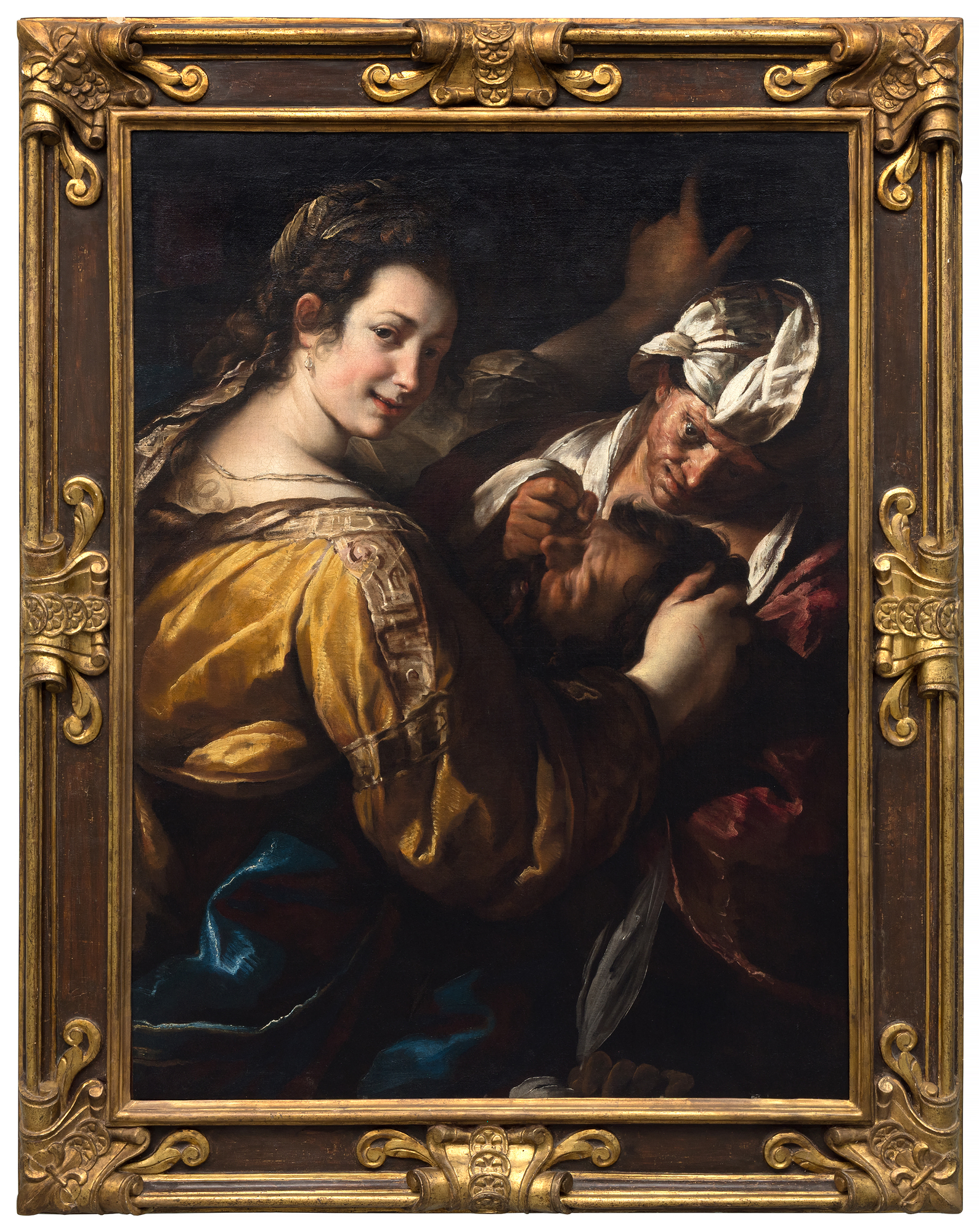
ジュリオ・チェザーレ・プロカッチーニ (1574-1621)

$1,700,000
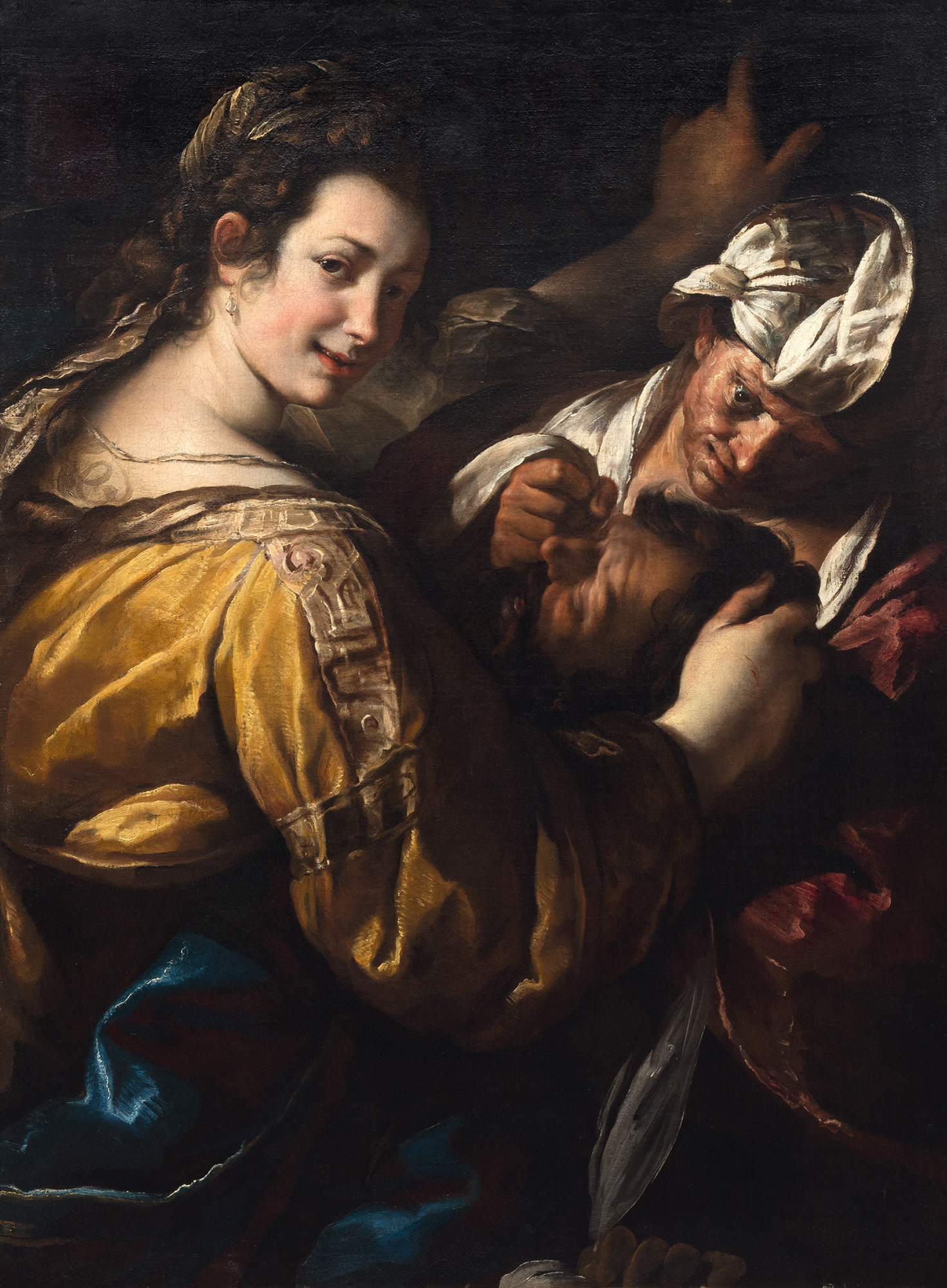
 
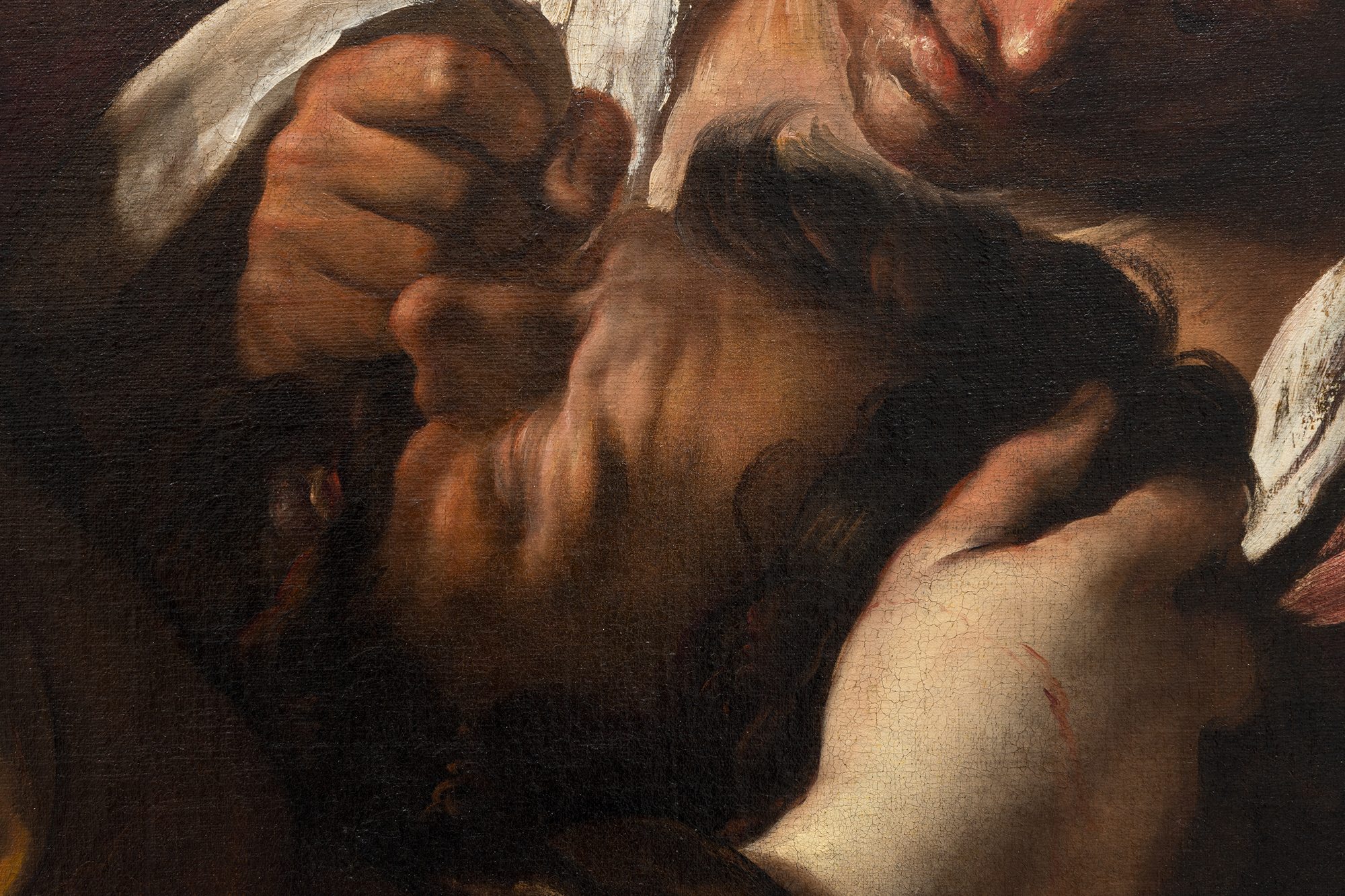
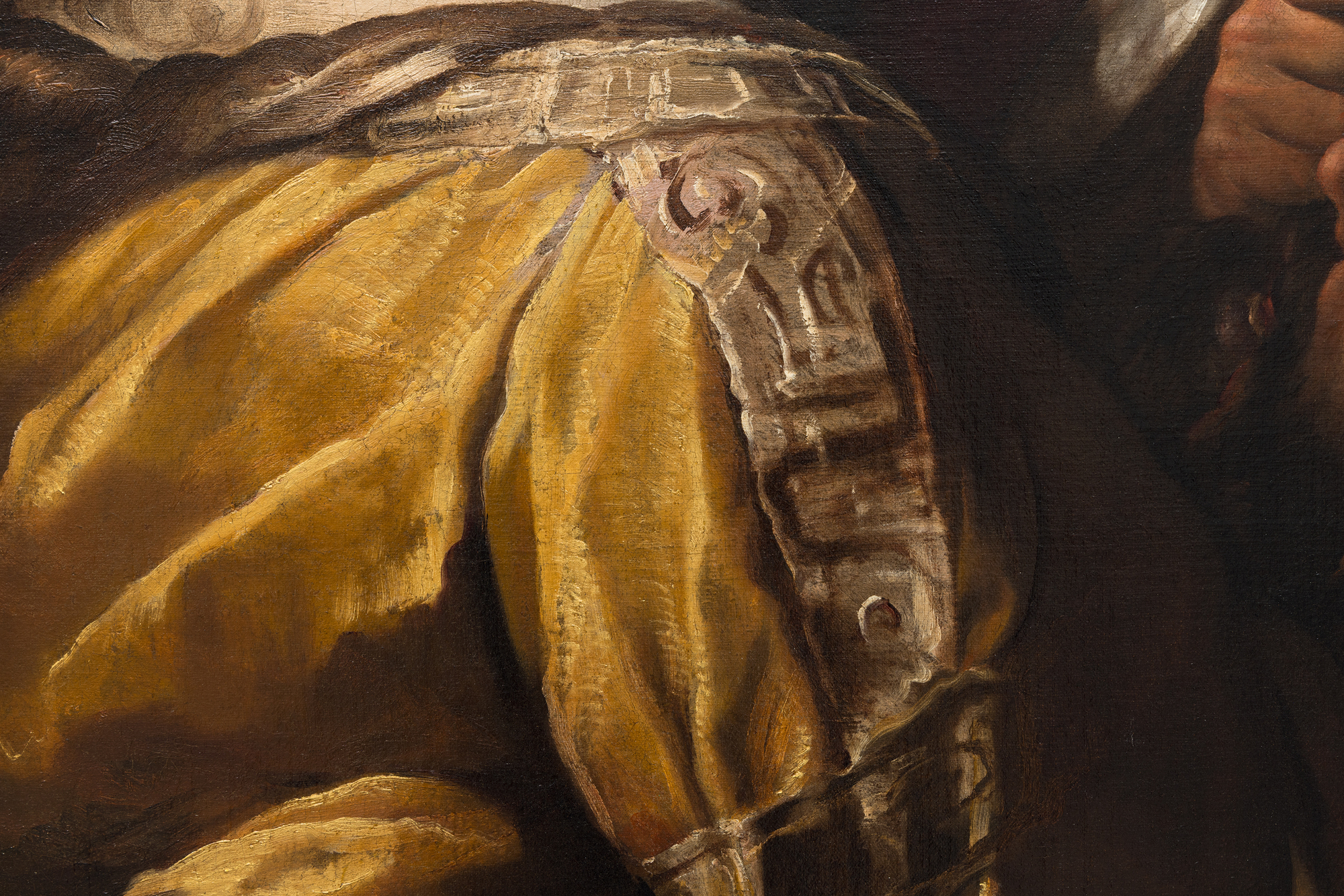
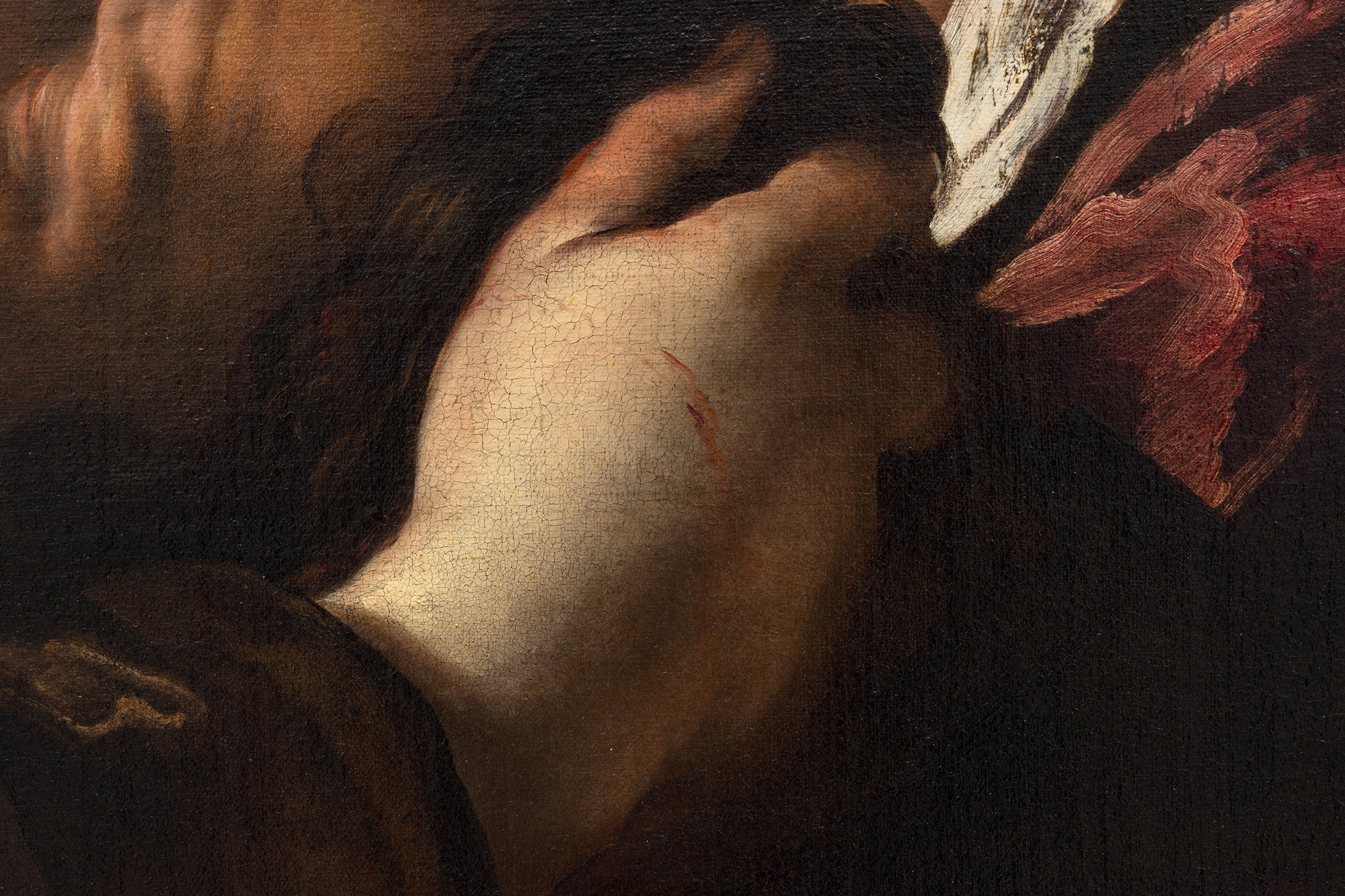
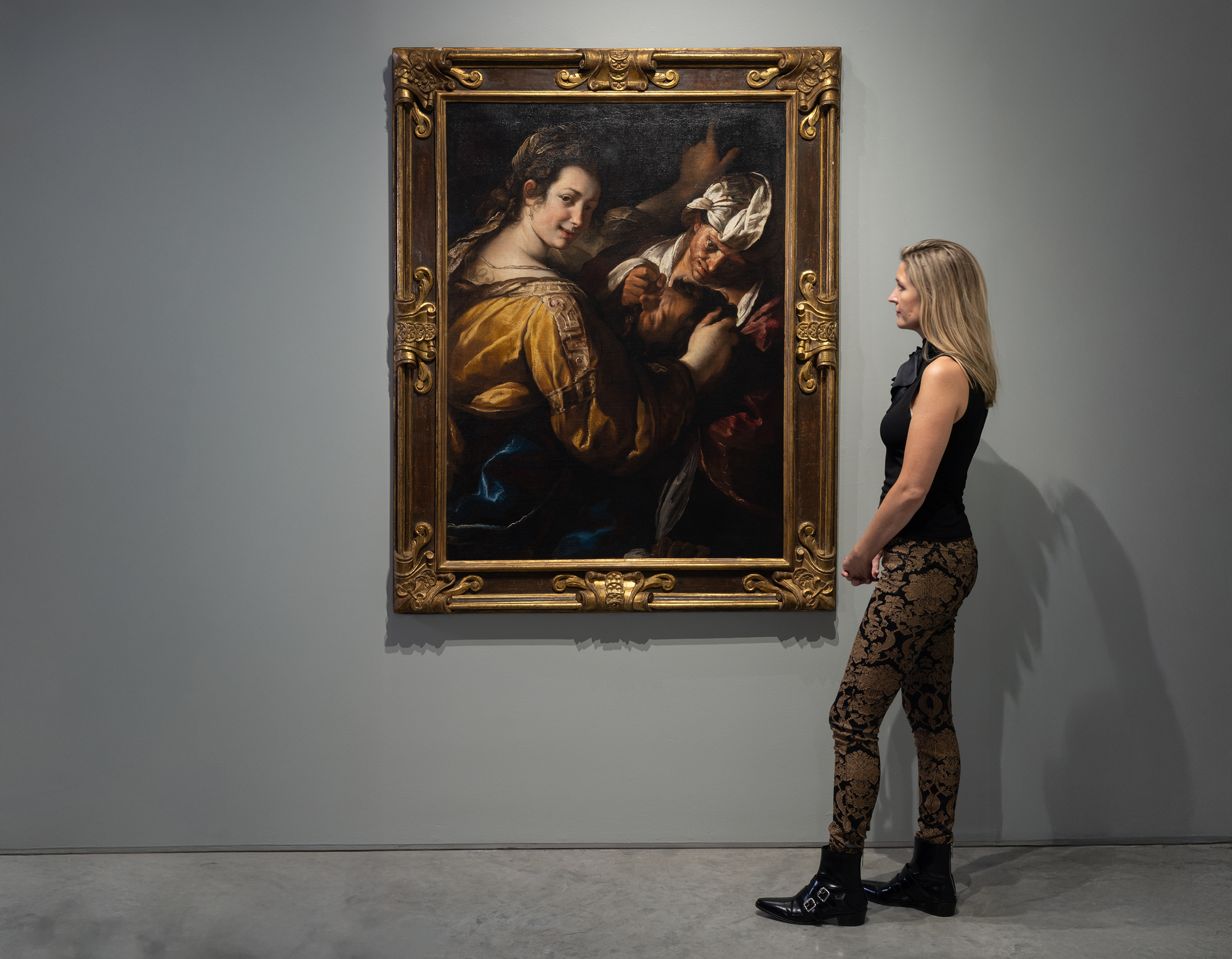
<div><font face=Lato size=3 color=black>A rare and important painting by Giulio Cesare Procaccini depicting the legendary Judith Beheading Holofernes—a subject that has captivated artists from Caravaggio and Artemisia Gentileschi to Kehinde Wiley and Robert Longo. The dramatic biblical scene, rendered with striking chiaroscuro, exemplifies Procaccini’s mastery of light and emotion and his engagement with one of art history’s most enduring themes of justice and triumph.</font></div><br><br><div><font face=Lato size=3 color=black> </font></div><br><br><div><font face=Lato size=3 color=black>This work holds exceptional provenance, having been commissioned by Giovanni Carlo Doria, one of Genoa’s most prominent collectors whose holdings included works by Leonardo da Vinci, Titian, and Van Dyck, remaining in the Doria family collection for approximately 300 years. It is recorded in the artist’s catalogue raisonné and has an extensive literature history.</font></div><br><br><div><font face=Lato size=3 color=black> </font></div><br><br><div><font face=Lato size=3 color=black>Comparable compositions by Procaccini appear in major museum collections such as the National Gallery of Art, Washington, D.C., and the Hermitage Museum, Saint Petersburg.  This painting represents a rare opportunity to acquire a museum-caliber example of the artist’s work, distinguished by both its art historical significance and exceptional provenance.</font></div><br><br><div><font color=black> </font></div> <div><font face=Lato size=3 color=black>A rare and important painting by Giulio Cesare Procaccini depicting the legendary Judith Beheading Holofernes—a subject that has captivated artists from Caravaggio and Artemisia Gentileschi to Kehinde Wiley and Robert Longo. The dramatic biblical scene, rendered with striking chiaroscuro, exemplifies Procaccini’s mastery of light and emotion and his engagement with one of art history’s most enduring themes of justice and triumph.</font></div><br><br><div><font face=Lato size=3 color=black> </font></div><br><br><div><font face=Lato size=3 color=black>This work holds exceptional provenance, having been commissioned by Giovanni Carlo Doria, one of Genoa’s most prominent collectors whose holdings included works by Leonardo da Vinci, Titian, and Van Dyck, remaining in the Doria family collection for approximately 300 years. It is recorded in the artist’s catalogue raisonné and has an extensive literature history.</font></div><br><br><div><font face=Lato size=3 color=black> </font></div><br><br><div><font face=Lato size=3 color=black>Comparable compositions by Procaccini appear in major museum collections such as the National Gallery of Art, Washington, D.C., and the Hermitage Museum, Saint Petersburg.  This painting represents a rare opportunity to acquire a museum-caliber example of the artist’s work, distinguished by both its art historical significance and exceptional provenance.</font></div><br><br><div><font color=black> </font></div> <div><font face=Lato size=3 color=black>A rare and important painting by Giulio Cesare Procaccini depicting the legendary Judith Beheading Holofernes—a subject that has captivated artists from Caravaggio and Artemisia Gentileschi to Kehinde Wiley and Robert Longo. The dramatic biblical scene, rendered with striking chiaroscuro, exemplifies Procaccini’s mastery of light and emotion and his engagement with one of art history’s most enduring themes of justice and triumph.</font></div><br><br><div><font face=Lato size=3 color=black> </font></div><br><br><div><font face=Lato size=3 color=black>This work holds exceptional provenance, having been commissioned by Giovanni Carlo Doria, one of Genoa’s most prominent collectors whose holdings included works by Leonardo da Vinci, Titian, and Van Dyck, remaining in the Doria family collection for approximately 300 years. It is recorded in the artist’s catalogue raisonné and has an extensive literature history.</font></div><br><br><div><font face=Lato size=3 color=black> </font></div><br><br><div><font face=Lato size=3 color=black>Comparable compositions by Procaccini appear in major museum collections such as the National Gallery of Art, Washington, D.C., and the Hermitage Museum, Saint Petersburg.  This painting represents a rare opportunity to acquire a museum-caliber example of the artist’s work, distinguished by both its art historical significance and exceptional provenance.</font></div><br><br><div><font color=black> </font></div> <div><font face=Lato size=3 color=black>A rare and important painting by Giulio Cesare Procaccini depicting the legendary Judith Beheading Holofernes—a subject that has captivated artists from Caravaggio and Artemisia Gentileschi to Kehinde Wiley and Robert Longo. The dramatic biblical scene, rendered with striking chiaroscuro, exemplifies Procaccini’s mastery of light and emotion and his engagement with one of art history’s most enduring themes of justice and triumph.</font></div><br><br><div><font face=Lato size=3 color=black> </font></div><br><br><div><font face=Lato size=3 color=black>This work holds exceptional provenance, having been commissioned by Giovanni Carlo Doria, one of Genoa’s most prominent collectors whose holdings included works by Leonardo da Vinci, Titian, and Van Dyck, remaining in the Doria family collection for approximately 300 years. It is recorded in the artist’s catalogue raisonné and has an extensive literature history.</font></div><br><br><div><font face=Lato size=3 color=black> </font></div><br><br><div><font face=Lato size=3 color=black>Comparable compositions by Procaccini appear in major museum collections such as the National Gallery of Art, Washington, D.C., and the Hermitage Museum, Saint Petersburg.  This painting represents a rare opportunity to acquire a museum-caliber example of the artist’s work, distinguished by both its art historical significance and exceptional provenance.</font></div><br><br><div><font color=black> </font></div> <div><font face=Lato size=3 color=black>A rare and important painting by Giulio Cesare Procaccini depicting the legendary Judith Beheading Holofernes—a subject that has captivated artists from Caravaggio and Artemisia Gentileschi to Kehinde Wiley and Robert Longo. The dramatic biblical scene, rendered with striking chiaroscuro, exemplifies Procaccini’s mastery of light and emotion and his engagement with one of art history’s most enduring themes of justice and triumph.</font></div><br><br><div><font face=Lato size=3 color=black> </font></div><br><br><div><font face=Lato size=3 color=black>This work holds exceptional provenance, having been commissioned by Giovanni Carlo Doria, one of Genoa’s most prominent collectors whose holdings included works by Leonardo da Vinci, Titian, and Van Dyck, remaining in the Doria family collection for approximately 300 years. It is recorded in the artist’s catalogue raisonné and has an extensive literature history.</font></div><br><br><div><font face=Lato size=3 color=black> </font></div><br><br><div><font face=Lato size=3 color=black>Comparable compositions by Procaccini appear in major museum collections such as the National Gallery of Art, Washington, D.C., and the Hermitage Museum, Saint Petersburg.  This painting represents a rare opportunity to acquire a museum-caliber example of the artist’s work, distinguished by both its art historical significance and exceptional provenance.</font></div><br><br><div><font color=black> </font></div> <div><font face=Lato size=3 color=black>A rare and important painting by Giulio Cesare Procaccini depicting the legendary Judith Beheading Holofernes—a subject that has captivated artists from Caravaggio and Artemisia Gentileschi to Kehinde Wiley and Robert Longo. The dramatic biblical scene, rendered with striking chiaroscuro, exemplifies Procaccini’s mastery of light and emotion and his engagement with one of art history’s most enduring themes of justice and triumph.</font></div><br><br><div><font face=Lato size=3 color=black> </font></div><br><br><div><font face=Lato size=3 color=black>This work holds exceptional provenance, having been commissioned by Giovanni Carlo Doria, one of Genoa’s most prominent collectors whose holdings included works by Leonardo da Vinci, Titian, and Van Dyck, remaining in the Doria family collection for approximately 300 years. It is recorded in the artist’s catalogue raisonné and has an extensive literature history.</font></div><br><br><div><font face=Lato size=3 color=black> </font></div><br><br><div><font face=Lato size=3 color=black>Comparable compositions by Procaccini appear in major museum collections such as the National Gallery of Art, Washington, D.C., and the Hermitage Museum, Saint Petersburg.  This painting represents a rare opportunity to acquire a museum-caliber example of the artist’s work, distinguished by both its art historical significance and exceptional provenance.</font></div><br><br><div><font color=black> </font></div> <div><font face=Lato size=3 color=black>A rare and important painting by Giulio Cesare Procaccini depicting the legendary Judith Beheading Holofernes—a subject that has captivated artists from Caravaggio and Artemisia Gentileschi to Kehinde Wiley and Robert Longo. The dramatic biblical scene, rendered with striking chiaroscuro, exemplifies Procaccini’s mastery of light and emotion and his engagement with one of art history’s most enduring themes of justice and triumph.</font></div><br><br><div><font face=Lato size=3 color=black> </font></div><br><br><div><font face=Lato size=3 color=black>This work holds exceptional provenance, having been commissioned by Giovanni Carlo Doria, one of Genoa’s most prominent collectors whose holdings included works by Leonardo da Vinci, Titian, and Van Dyck, remaining in the Doria family collection for approximately 300 years. It is recorded in the artist’s catalogue raisonné and has an extensive literature history.</font></div><br><br><div><font face=Lato size=3 color=black> </font></div><br><br><div><font face=Lato size=3 color=black>Comparable compositions by Procaccini appear in major museum collections such as the National Gallery of Art, Washington, D.C., and the Hermitage Museum, Saint Petersburg.  This painting represents a rare opportunity to acquire a museum-caliber example of the artist’s work, distinguished by both its art historical significance and exceptional provenance.</font></div><br><br><div><font color=black> </font></div> <div><font face=Lato size=3 color=black>A rare and important painting by Giulio Cesare Procaccini depicting the legendary Judith Beheading Holofernes—a subject that has captivated artists from Caravaggio and Artemisia Gentileschi to Kehinde Wiley and Robert Longo. The dramatic biblical scene, rendered with striking chiaroscuro, exemplifies Procaccini’s mastery of light and emotion and his engagement with one of art history’s most enduring themes of justice and triumph.</font></div><br><br><div><font face=Lato size=3 color=black> </font></div><br><br><div><font face=Lato size=3 color=black>This work holds exceptional provenance, having been commissioned by Giovanni Carlo Doria, one of Genoa’s most prominent collectors whose holdings included works by Leonardo da Vinci, Titian, and Van Dyck, remaining in the Doria family collection for approximately 300 years. It is recorded in the artist’s catalogue raisonné and has an extensive literature history.</font></div><br><br><div><font face=Lato size=3 color=black> </font></div><br><br><div><font face=Lato size=3 color=black>Comparable compositions by Procaccini appear in major museum collections such as the National Gallery of Art, Washington, D.C., and the Hermitage Museum, Saint Petersburg.  This painting represents a rare opportunity to acquire a museum-caliber example of the artist’s work, distinguished by both its art historical significance and exceptional provenance.</font></div><br><br><div><font color=black> </font></div> <div><font face=Lato size=3 color=black>A rare and important painting by Giulio Cesare Procaccini depicting the legendary Judith Beheading Holofernes—a subject that has captivated artists from Caravaggio and Artemisia Gentileschi to Kehinde Wiley and Robert Longo. The dramatic biblical scene, rendered with striking chiaroscuro, exemplifies Procaccini’s mastery of light and emotion and his engagement with one of art history’s most enduring themes of justice and triumph.</font></div><br><br><div><font face=Lato size=3 color=black> </font></div><br><br><div><font face=Lato size=3 color=black>This work holds exceptional provenance, having been commissioned by Giovanni Carlo Doria, one of Genoa’s most prominent collectors whose holdings included works by Leonardo da Vinci, Titian, and Van Dyck, remaining in the Doria family collection for approximately 300 years. It is recorded in the artist’s catalogue raisonné and has an extensive literature history.</font></div><br><br><div><font face=Lato size=3 color=black> </font></div><br><br><div><font face=Lato size=3 color=black>Comparable compositions by Procaccini appear in major museum collections such as the National Gallery of Art, Washington, D.C., and the Hermitage Museum, Saint Petersburg.  This painting represents a rare opportunity to acquire a museum-caliber example of the artist’s work, distinguished by both its art historical significance and exceptional provenance.</font></div><br><br><div><font color=black> </font></div> <div><font face=Lato size=3 color=black>A rare and important painting by Giulio Cesare Procaccini depicting the legendary Judith Beheading Holofernes—a subject that has captivated artists from Caravaggio and Artemisia Gentileschi to Kehinde Wiley and Robert Longo. The dramatic biblical scene, rendered with striking chiaroscuro, exemplifies Procaccini’s mastery of light and emotion and his engagement with one of art history’s most enduring themes of justice and triumph.</font></div><br><br><div><font face=Lato size=3 color=black> </font></div><br><br><div><font face=Lato size=3 color=black>This work holds exceptional provenance, having been commissioned by Giovanni Carlo Doria, one of Genoa’s most prominent collectors whose holdings included works by Leonardo da Vinci, Titian, and Van Dyck, remaining in the Doria family collection for approximately 300 years. It is recorded in the artist’s catalogue raisonné and has an extensive literature history.</font></div><br><br><div><font face=Lato size=3 color=black> </font></div><br><br><div><font face=Lato size=3 color=black>Comparable compositions by Procaccini appear in major museum collections such as the National Gallery of Art, Washington, D.C., and the Hermitage Museum, Saint Petersburg.  This painting represents a rare opportunity to acquire a museum-caliber example of the artist’s work, distinguished by both its art historical significance and exceptional provenance.</font></div><br><br><div><font color=black> </font></div>
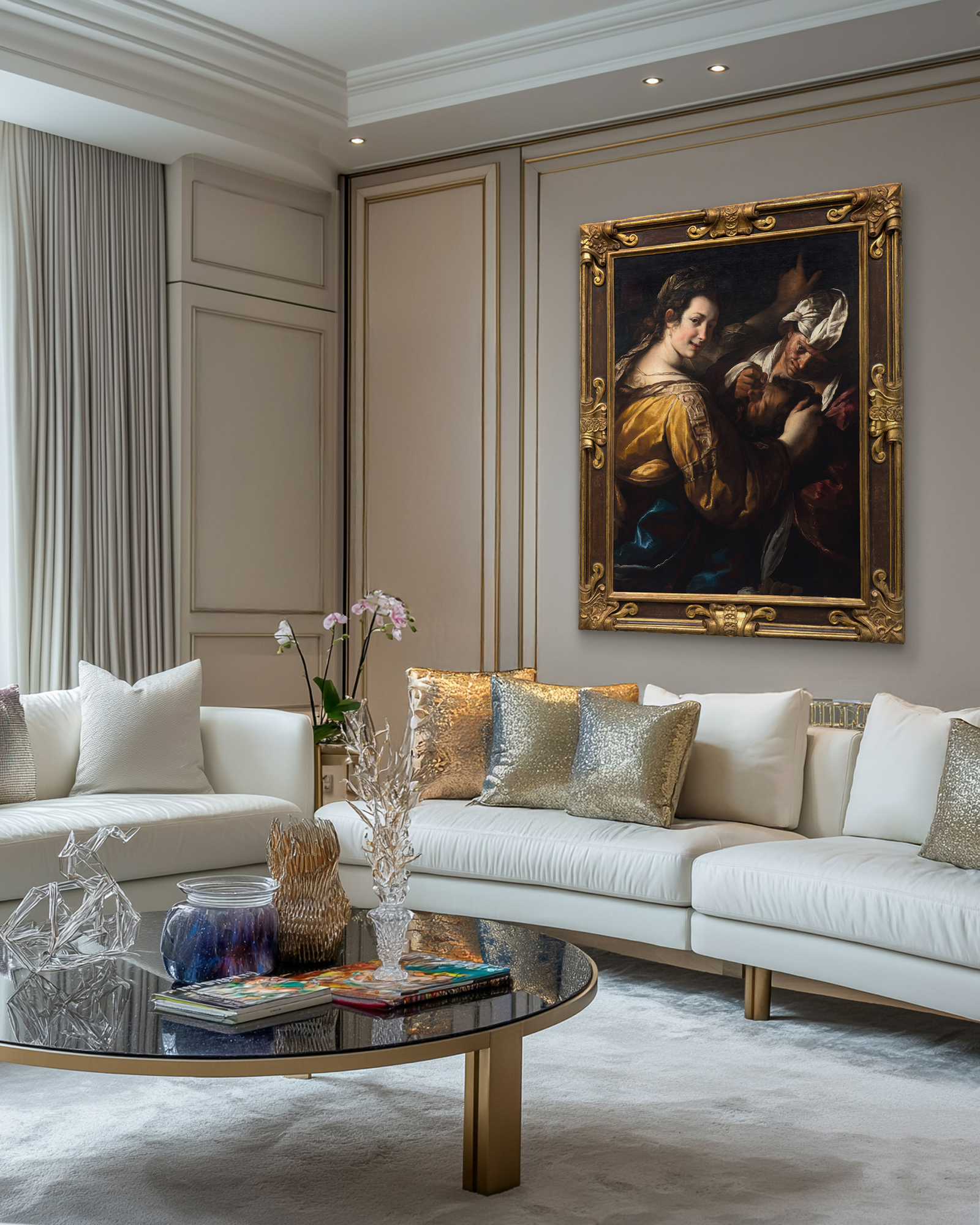
ホロフェルネスの首を持つユディト52 x 38 3/4 インチ(132.08 x 98.43 cm) 油彩・キャンバス
出所
ジョヴァン・カルロ・ドリア(1576–1625)より委嘱、ジェノヴァ、1617–21年頃
子アゴスティーノ・ドリア(1615–1640)へ相続、ジェノヴァ、1625–40年頃
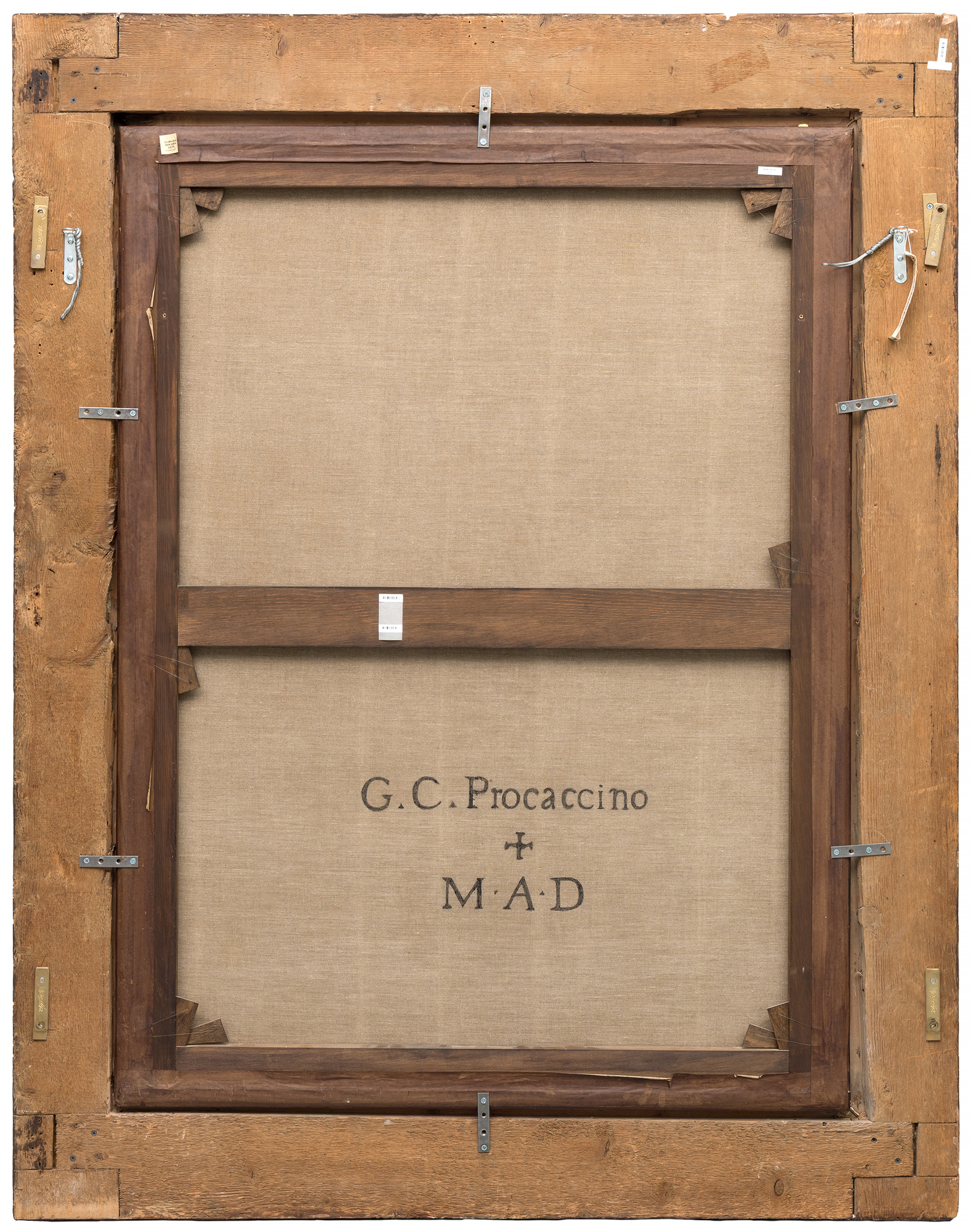
父方の叔父マルカントニオ・ドリア(1572–1651)へ相続、ジェノヴァ(原画キャンバス裏面に彼のイニシャル刻印)、1641年
息子ニッコロ・ドリア(1599–1688)へ相続、ジェノヴァ、1651年
相続によりマルカントニオ4世・ドリア(1765–1837)アングリ公へ、ジェノヴァ、1780年頃まで
相続によりその子フランチェスコ・ドリア(1797–1874)へ
相続によりその子マルカントニオへ
...もっとその。。。イオ・V・ドリア(1824–1870)
父から息子エルネスト・ドリア(1863–1933)へ相続により
父マルカントニオ5世・ドリア(1904–1985)から、最初の妻アンナ・ローザ・ブエス(1872–1906)を経て、その息子へ継承された。
プライベート・コレクション、ジュネーブ
サザビーズ、ロンドン、貴族の所蔵品、1992年7月8日、ロット89
ロンドン、ホイットフィールド・ファインアートにて、1994年
マーク・フィッシュとレイチェル・デイヴィッドソン(フィッシュ・デイヴィッドソン・コレクション)、上記より取得、1995年
サザビーズ、ニューヨーク、2023年1月26日、ロット2
個人蔵、上記より入手
クリスティーズ、ニューヨーク、2024年1月31日、ロット41
プライベート コレクション
展示会
ニューヨーク、ホール&ナイト、アメリカにおけるプロカッチーニ展、2002年10月15日~11月23日、作品番号10
文学
カルロ・ジュゼッペ・ラッティ著『ジェノヴァにおける絵画、彫刻、建築など、最も美しいものを見学するための案内』ジェノヴァ、1780年、332ページ
ヒュー・ブリッグストック「書評:ジャコモ・ベッラ著『ジュリオ・チェザーレ・プロカッチーニの彫刻活動。文書と証言』:プロカッチーノ。 チェラーノ。モラッツォーネ。ジェノヴァ市立コレクション所蔵 17世紀初頭のロンバルディア絵画」『バーリントン・マガジン』第136巻第1090号、1994年1月、図版36、34-35頁、図版掲載
ヒュー・ブリッグストック『アメリカにおけるプロカッチーニ』ニューヨーク、2002年、カタログ番号10、図版76、41ページ、98-101ページ、130-131ページ、137ページ、139ページ、191ページ、カラー図版掲載
ヴァレリア・ファリーナ、ジョヴァン・カルロ・ドーリア、17世紀初頭のジェノヴァにおける芸術の推進者、2002年、p. 201, 207
フランチェスコ・マリア・フェッロ「ジュリオ・チェザーレ・プロカッチーニへの注記」、『第二千年紀のロンバルディア美術:ジャン・アルベルト・デル・アクアへの献呈論文集』、ミラノ、2003年、43頁
ヴァレリア・ファリーナ「ジョヴァンニ・カルロ・ドーリア(1576-1625)」、『ルーベンスの時代:ジェノヴァの邸宅、依頼者、収集家たち』展覧会カタログ、P. ボッカルド編、ミラノ、2004年、図版2、191頁、図版掲載
フェデリコ・フランジ、ダニエレ・クレスピ:『再発見された青春』、セグラーテ、2012年、80頁、脚注19
アレッサンドロ・モランドッティ『レキ美術館、初期研究と再発見』ブレシア、2012年、図録番号14、60頁
オルネッラ・ダルボ「『インスブレのコレッジョ』の評判について。17~19世紀のヨーロッパコレクションにおけるジュリオ・チェザーレ・プロカッチーニの受容に関する初歩的考察」『ロンバルディアとヨーロッパ:歴史と文化の交差』所収、ミラノ、2014年、205頁
オデット・ダルボ『ジュリオ・チェザーレ・プロカッチーニ、絵画目録のために』博士論文、ミラノ・カトリック大学、2016年、図録番号96、280頁、図版掲載
ヒュー・ブリッグストックとオルネラ・ダルボ著『ジュリオ・チェザーレ・プロカッチーニ 生涯と作品』トリノ、2020年、41頁、354頁、372頁、437-438頁、図録番号104、137頁、カラー図版掲載
オルネッラ・ダルボ「ジュリオ・チェザーレ・プロカッチーニとジェノヴァ」『ナポリ、ジェノヴァ、ミラノ:スペインと結びついた都市間の芸術的・文化的交流(1610-1640年)』トリノ・ジェノヴァ研究会議論文集、ミラノ、2020年、図版7、259-260頁、265頁
アンドレア・オルランド、ジュリオ・チェザーレ・プロカッチーニ著『ジュディッタ・ドリアとジェノヴァ』私家版、2023年
...少ない。。。
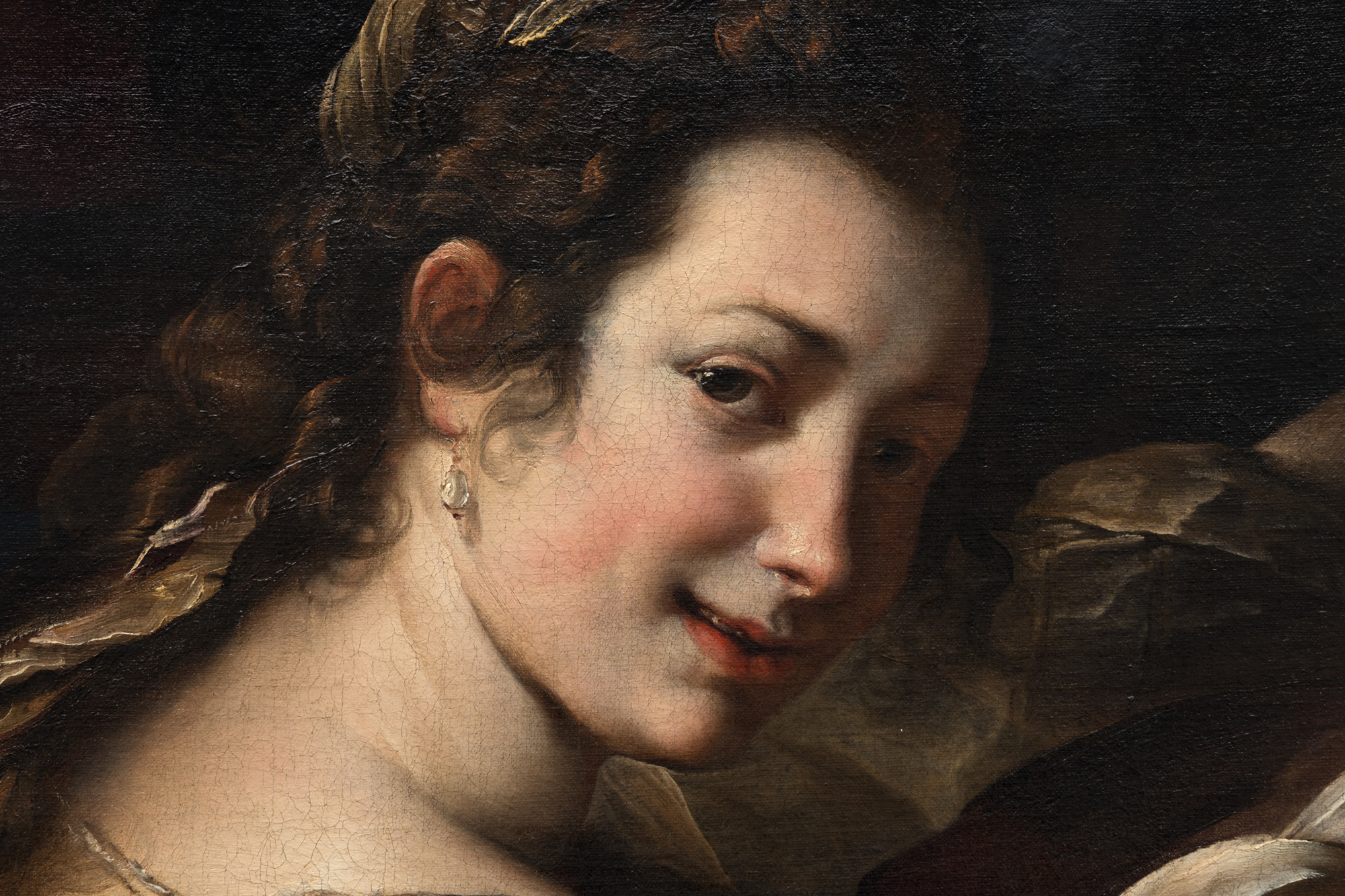
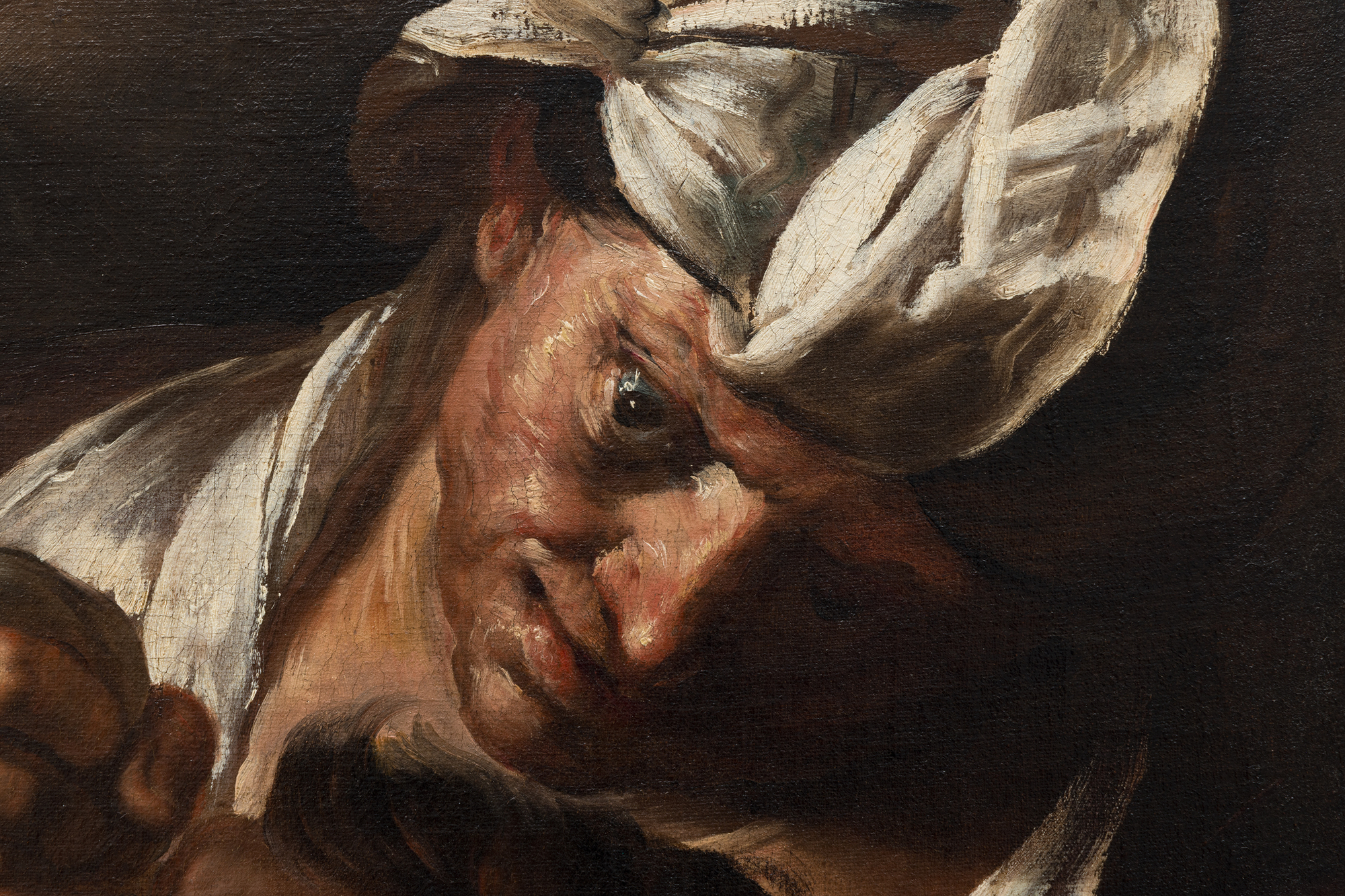
ジュリオ・チェザーレ・プロカッチーニによる稀有かつ重要な絵画。伝説のユディトがホロフェルネスの首を斬る場面を描いた本作は、カラヴァッジョやアルテミジア・ジェンティレスキからケヒンデ・ワイリー、ロバート・ロンゴに至るまで、数多くの芸術家を魅了してきた主題である。劇的な聖書の一場面は、印象的な明暗法で表現され、プロカッチーニの光と感情の掌握、そして美術史において最も永続的なテーマの一つである正義と勝利への取り組みを体現している。


本作品は卓越した来歴を有する。ジェノヴァ随一の収集家ジョヴァンニ・カルロ・ドリア(レオナルド・ダ・ヴィンチ、ティツィアーノ、ヴァン・ダイクらの作品を所蔵)の委嘱により制作され、約300年にわたりドリア家コレクションに所蔵されていた。作家の作品総覧(カタログ・レゾネ)に記載され、豊富な文献史料が存在する。


プロカッチーニの類似構図作品は、ワシントンD.C.のナショナル・ギャラリー・オブ・アートやサンクトペテルブルクのエルミタージュ美術館など主要美術館所蔵品に見られる。本作品は、美術史的意義と卓越した来歴の両面で際立つ、美術館級作品を入手する稀有な機会である。


お 問い合わせ