返回

雷-帕克(1922-1990)

 
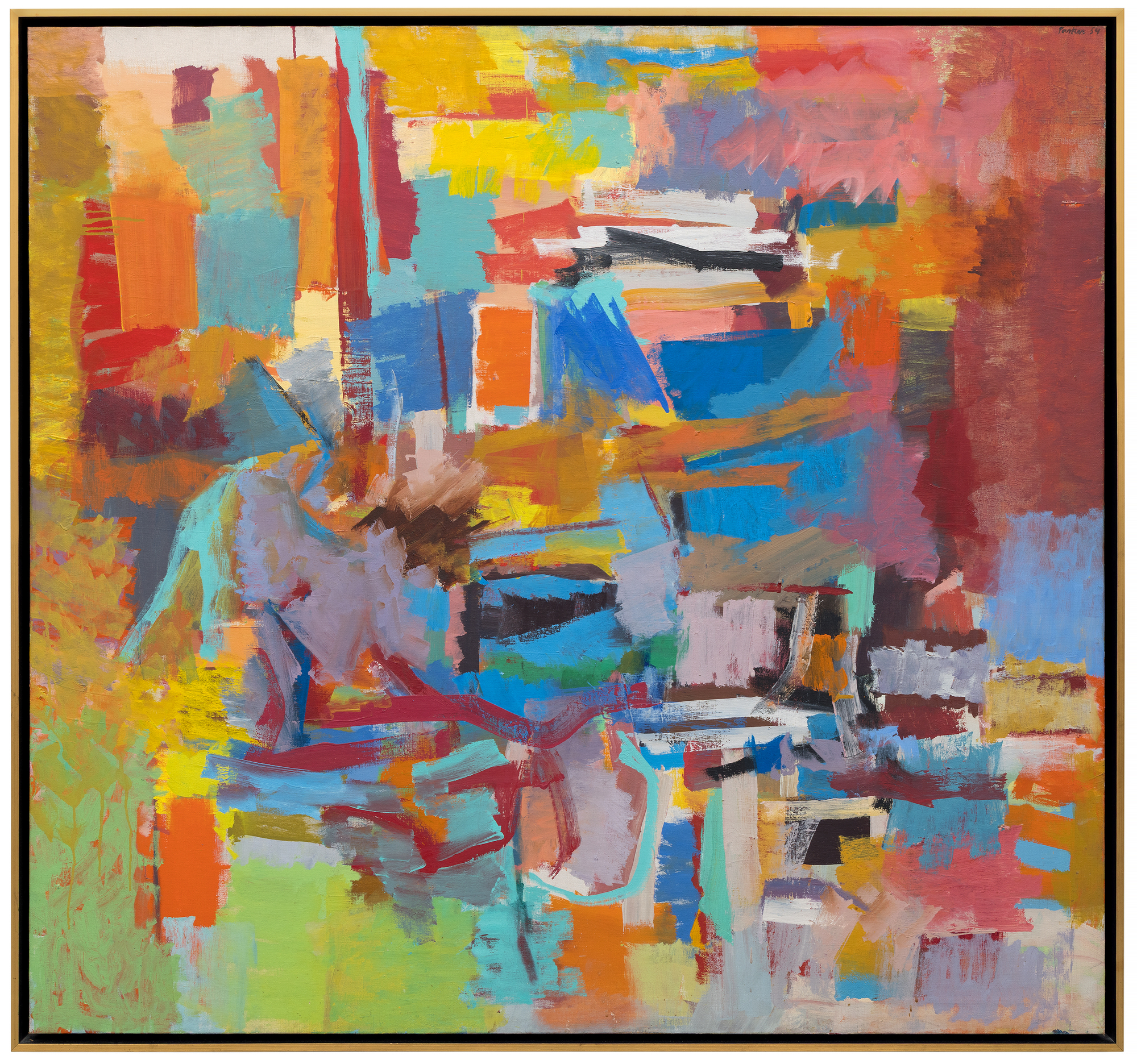
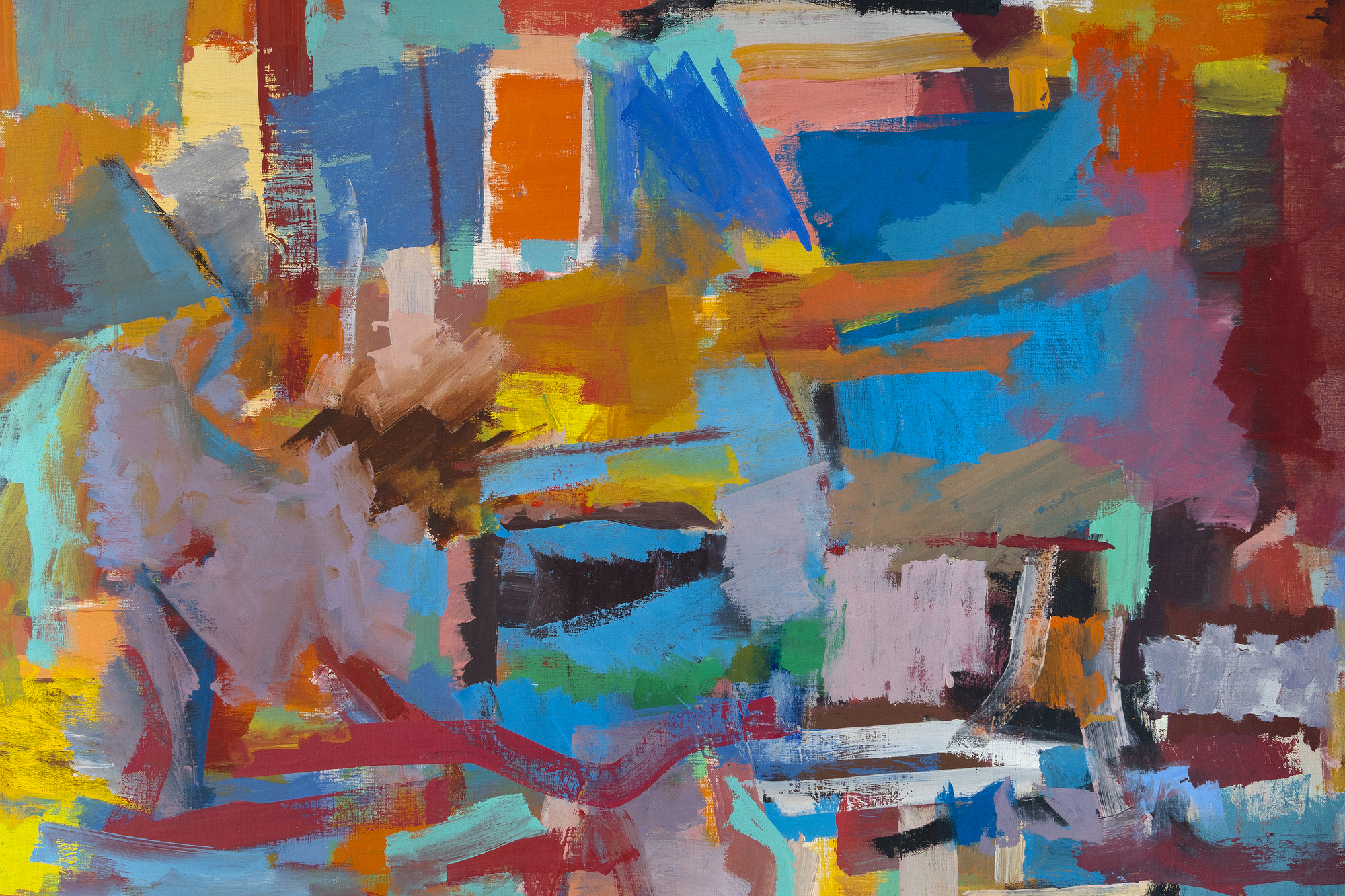
<div><font face=Lato size=3 color=black>Painted in 1954, this "Untitled" canvas exemplifies Ray Parker’s early engagement with Abstract Expressionism, a moment when he was forging a language of bold color and gestural immediacy. Parker worked directly on unstretched canvas, building the composition through broad, saturated brushstrokes that retain a sense of spontaneity and improvisation. The edges of form remain fluid, emphasizing the immediacy of his process. </font></div><br><br><div> </div><br><br><div><font face=Lato size=3 color=black>Although Parker would later become best known for his “Simple Paintings,” these early works are both rare and foundational, bridging the raw energy of Abstract Expressionism with the clarity of form that defined his mature style. With fewer than 310 works recorded at auction and very few from the 1950s, canvases of this scale and date seldom appear on the market. A related early abstraction, "Untitled" (1956), is in the collection of the Whitney Museum of American Art. "Untitled" (1954) represents a significant example of Parker’s innovative contribution to postwar American painting. </font></div> <div><font face=Lato size=3 color=black>Painted in 1954, this "Untitled" canvas exemplifies Ray Parker’s early engagement with Abstract Expressionism, a moment when he was forging a language of bold color and gestural immediacy. Parker worked directly on unstretched canvas, building the composition through broad, saturated brushstrokes that retain a sense of spontaneity and improvisation. The edges of form remain fluid, emphasizing the immediacy of his process. </font></div><br><br><div> </div><br><br><div><font face=Lato size=3 color=black>Although Parker would later become best known for his “Simple Paintings,” these early works are both rare and foundational, bridging the raw energy of Abstract Expressionism with the clarity of form that defined his mature style. With fewer than 310 works recorded at auction and very few from the 1950s, canvases of this scale and date seldom appear on the market. A related early abstraction, "Untitled" (1956), is in the collection of the Whitney Museum of American Art. "Untitled" (1954) represents a significant example of Parker’s innovative contribution to postwar American painting. </font></div> <div><font face=Lato size=3 color=black>Painted in 1954, this "Untitled" canvas exemplifies Ray Parker’s early engagement with Abstract Expressionism, a moment when he was forging a language of bold color and gestural immediacy. Parker worked directly on unstretched canvas, building the composition through broad, saturated brushstrokes that retain a sense of spontaneity and improvisation. The edges of form remain fluid, emphasizing the immediacy of his process. </font></div><br><br><div> </div><br><br><div><font face=Lato size=3 color=black>Although Parker would later become best known for his “Simple Paintings,” these early works are both rare and foundational, bridging the raw energy of Abstract Expressionism with the clarity of form that defined his mature style. With fewer than 310 works recorded at auction and very few from the 1950s, canvases of this scale and date seldom appear on the market. A related early abstraction, "Untitled" (1956), is in the collection of the Whitney Museum of American Art. "Untitled" (1954) represents a significant example of Parker’s innovative contribution to postwar American painting. </font></div> <div><font face=Lato size=3 color=black>Painted in 1954, this "Untitled" canvas exemplifies Ray Parker’s early engagement with Abstract Expressionism, a moment when he was forging a language of bold color and gestural immediacy. Parker worked directly on unstretched canvas, building the composition through broad, saturated brushstrokes that retain a sense of spontaneity and improvisation. The edges of form remain fluid, emphasizing the immediacy of his process. </font></div><br><br><div> </div><br><br><div><font face=Lato size=3 color=black>Although Parker would later become best known for his “Simple Paintings,” these early works are both rare and foundational, bridging the raw energy of Abstract Expressionism with the clarity of form that defined his mature style. With fewer than 310 works recorded at auction and very few from the 1950s, canvases of this scale and date seldom appear on the market. A related early abstraction, "Untitled" (1956), is in the collection of the Whitney Museum of American Art. "Untitled" (1954) represents a significant example of Parker’s innovative contribution to postwar American painting. </font></div> <div><font face=Lato size=3 color=black>Painted in 1954, this "Untitled" canvas exemplifies Ray Parker’s early engagement with Abstract Expressionism, a moment when he was forging a language of bold color and gestural immediacy. Parker worked directly on unstretched canvas, building the composition through broad, saturated brushstrokes that retain a sense of spontaneity and improvisation. The edges of form remain fluid, emphasizing the immediacy of his process. </font></div><br><br><div> </div><br><br><div><font face=Lato size=3 color=black>Although Parker would later become best known for his “Simple Paintings,” these early works are both rare and foundational, bridging the raw energy of Abstract Expressionism with the clarity of form that defined his mature style. With fewer than 310 works recorded at auction and very few from the 1950s, canvases of this scale and date seldom appear on the market. A related early abstraction, "Untitled" (1956), is in the collection of the Whitney Museum of American Art. "Untitled" (1954) represents a significant example of Parker’s innovative contribution to postwar American painting. </font></div> <div><font face=Lato size=3 color=black>Painted in 1954, this "Untitled" canvas exemplifies Ray Parker’s early engagement with Abstract Expressionism, a moment when he was forging a language of bold color and gestural immediacy. Parker worked directly on unstretched canvas, building the composition through broad, saturated brushstrokes that retain a sense of spontaneity and improvisation. The edges of form remain fluid, emphasizing the immediacy of his process. </font></div><br><br><div> </div><br><br><div><font face=Lato size=3 color=black>Although Parker would later become best known for his “Simple Paintings,” these early works are both rare and foundational, bridging the raw energy of Abstract Expressionism with the clarity of form that defined his mature style. With fewer than 310 works recorded at auction and very few from the 1950s, canvases of this scale and date seldom appear on the market. A related early abstraction, "Untitled" (1956), is in the collection of the Whitney Museum of American Art. "Untitled" (1954) represents a significant example of Parker’s innovative contribution to postwar American painting. </font></div> <div><font face=Lato size=3 color=black>Painted in 1954, this "Untitled" canvas exemplifies Ray Parker’s early engagement with Abstract Expressionism, a moment when he was forging a language of bold color and gestural immediacy. Parker worked directly on unstretched canvas, building the composition through broad, saturated brushstrokes that retain a sense of spontaneity and improvisation. The edges of form remain fluid, emphasizing the immediacy of his process. </font></div><br><br><div> </div><br><br><div><font face=Lato size=3 color=black>Although Parker would later become best known for his “Simple Paintings,” these early works are both rare and foundational, bridging the raw energy of Abstract Expressionism with the clarity of form that defined his mature style. With fewer than 310 works recorded at auction and very few from the 1950s, canvases of this scale and date seldom appear on the market. A related early abstraction, "Untitled" (1956), is in the collection of the Whitney Museum of American Art. "Untitled" (1954) represents a significant example of Parker’s innovative contribution to postwar American painting. </font></div> <div><font face=Lato size=3 color=black>Painted in 1954, this "Untitled" canvas exemplifies Ray Parker’s early engagement with Abstract Expressionism, a moment when he was forging a language of bold color and gestural immediacy. Parker worked directly on unstretched canvas, building the composition through broad, saturated brushstrokes that retain a sense of spontaneity and improvisation. The edges of form remain fluid, emphasizing the immediacy of his process. </font></div><br><br><div> </div><br><br><div><font face=Lato size=3 color=black>Although Parker would later become best known for his “Simple Paintings,” these early works are both rare and foundational, bridging the raw energy of Abstract Expressionism with the clarity of form that defined his mature style. With fewer than 310 works recorded at auction and very few from the 1950s, canvases of this scale and date seldom appear on the market. A related early abstraction, "Untitled" (1956), is in the collection of the Whitney Museum of American Art. "Untitled" (1954) represents a significant example of Parker’s innovative contribution to postwar American painting. </font></div> <div><font face=Lato size=3 color=black>Painted in 1954, this "Untitled" canvas exemplifies Ray Parker’s early engagement with Abstract Expressionism, a moment when he was forging a language of bold color and gestural immediacy. Parker worked directly on unstretched canvas, building the composition through broad, saturated brushstrokes that retain a sense of spontaneity and improvisation. The edges of form remain fluid, emphasizing the immediacy of his process. </font></div><br><br><div> </div><br><br><div><font face=Lato size=3 color=black>Although Parker would later become best known for his “Simple Paintings,” these early works are both rare and foundational, bridging the raw energy of Abstract Expressionism with the clarity of form that defined his mature style. With fewer than 310 works recorded at auction and very few from the 1950s, canvases of this scale and date seldom appear on the market. A related early abstraction, "Untitled" (1956), is in the collection of the Whitney Museum of American Art. "Untitled" (1954) represents a significant example of Parker’s innovative contribution to postwar American painting. </font></div> <div><font face=Lato size=3 color=black>Painted in 1954, this "Untitled" canvas exemplifies Ray Parker’s early engagement with Abstract Expressionism, a moment when he was forging a language of bold color and gestural immediacy. Parker worked directly on unstretched canvas, building the composition through broad, saturated brushstrokes that retain a sense of spontaneity and improvisation. The edges of form remain fluid, emphasizing the immediacy of his process. </font></div><br><br><div> </div><br><br><div><font face=Lato size=3 color=black>Although Parker would later become best known for his “Simple Paintings,” these early works are both rare and foundational, bridging the raw energy of Abstract Expressionism with the clarity of form that defined his mature style. With fewer than 310 works recorded at auction and very few from the 1950s, canvases of this scale and date seldom appear on the market. A related early abstraction, "Untitled" (1956), is in the collection of the Whitney Museum of American Art. "Untitled" (1954) represents a significant example of Parker’s innovative contribution to postwar American painting. </font></div>
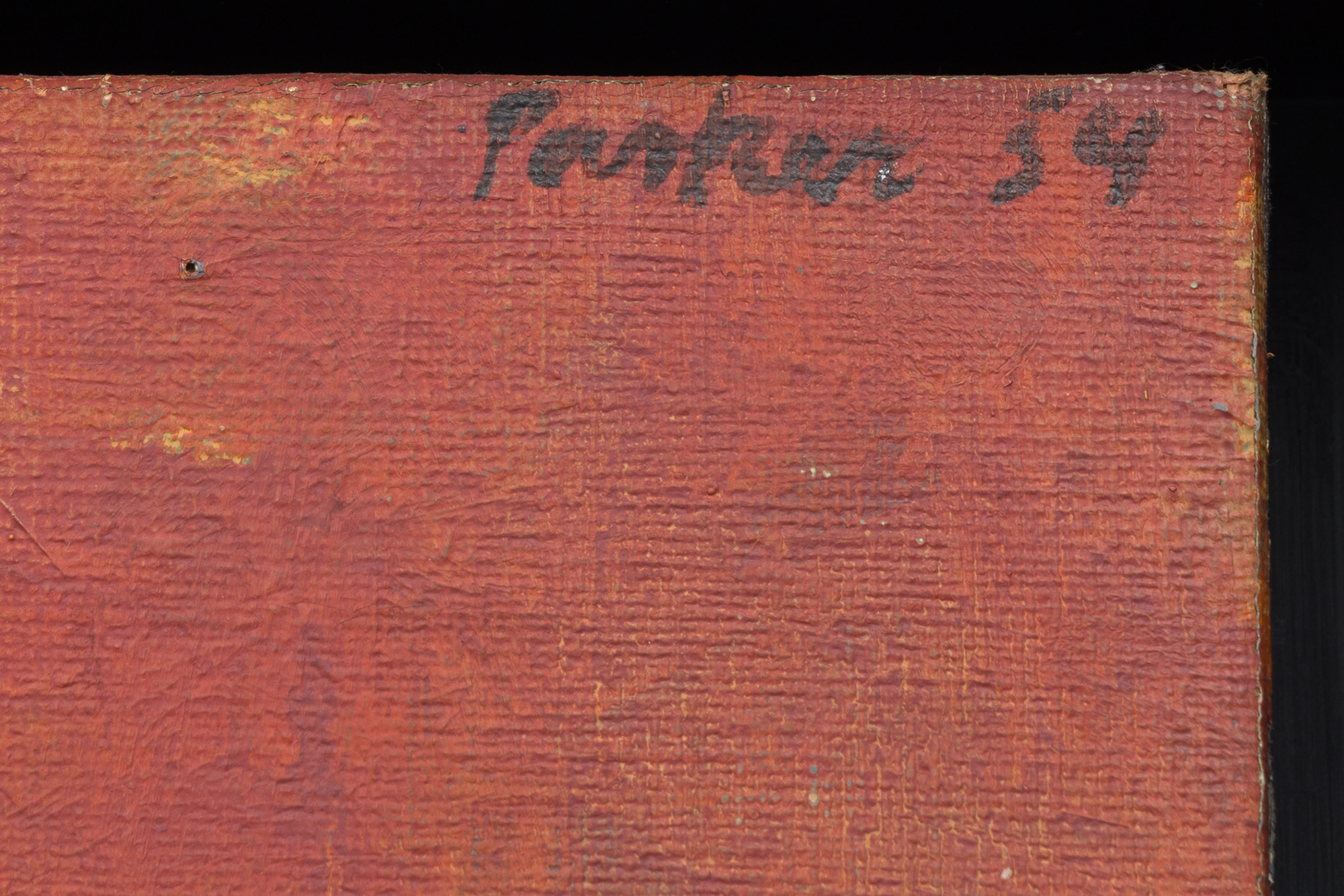
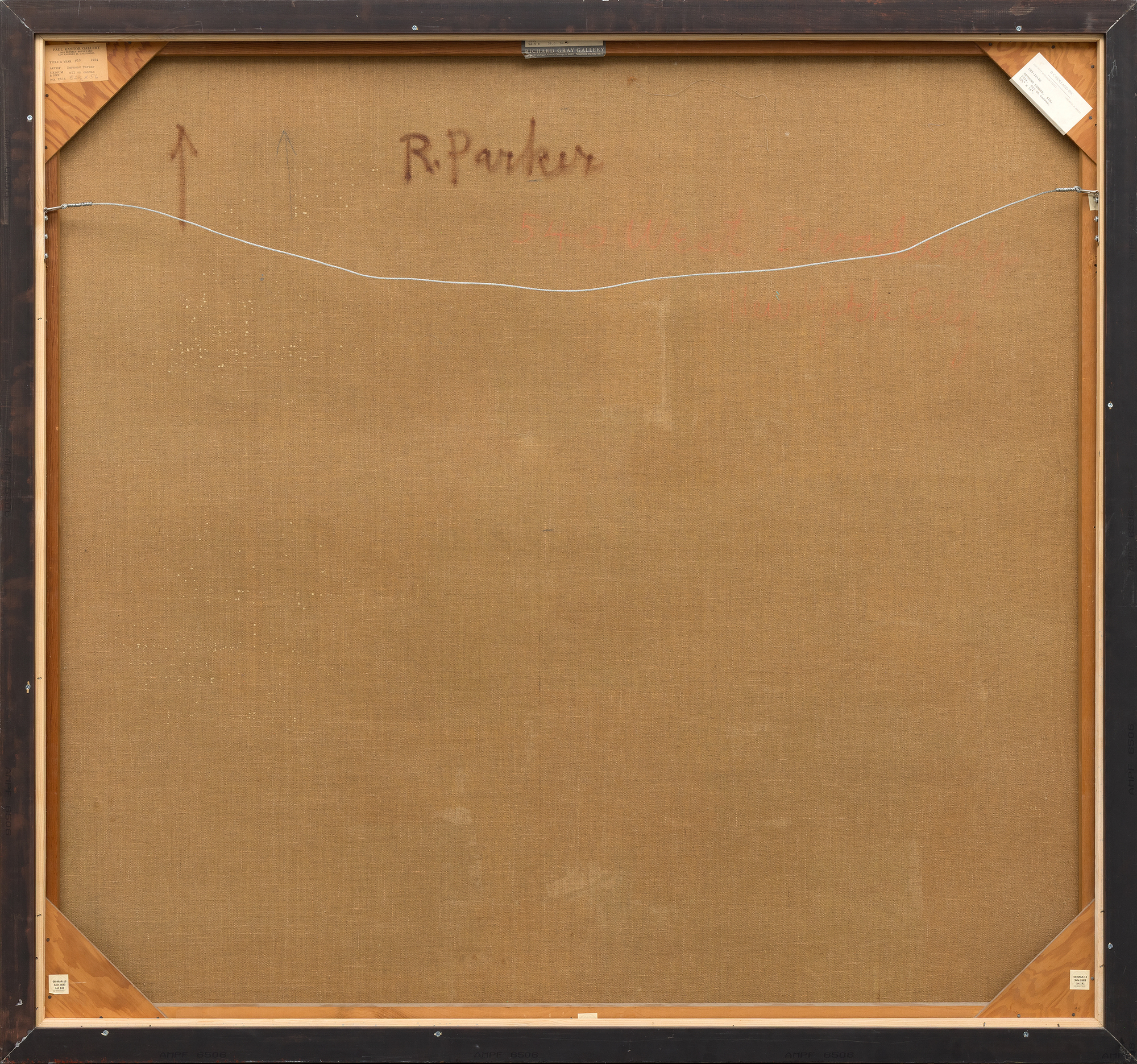
无题195452 1/4 x 56 x 1 英寸(132.72 x 142.24 x 2.54 厘米) 布面油画
种源
佳士得私人销售
私人收藏,购自上述渠道
这幅创作于1954年的《无题》画作,生动展现了雷·帕克早期对抽象表现主义的探索。当时他正致力于构建一种以大胆色彩与即兴笔触为特征的艺术语言。帕克直接在未绷紧的画布上创作,通过饱满浓烈的宽阔笔触构建画面,保留了创作的即兴与随性特质。形态边缘保持流动感,凸显了创作过程的即时性。


尽管帕克后来以"简约绘画"闻名于世,这些早期作品既珍稀又奠基,既承载着抽象表现主义的原始能量,又孕育着其成熟风格中清晰的形态特征。拍卖记录中存世作品不足310件,且1950年代作品尤为罕见,如此尺幅与年代的画作极少现身市场。 与之相关的早期抽象作品《无题》(1956)现藏于惠特尼美国艺术博物馆。《无题》(1954)作为帕克对战后美国绘画创新性贡献的重要例证,具有非凡艺术价值。
询问