希瑟·詹姆斯美术致力于为全球私人客户和博物馆带来卓越的艺术,同时提供最大的个性化物流、策展和金融服务。

希瑟-詹姆斯的故事。
与业主的对话

海瑟-詹姆斯美术公司。
认识我们的团队

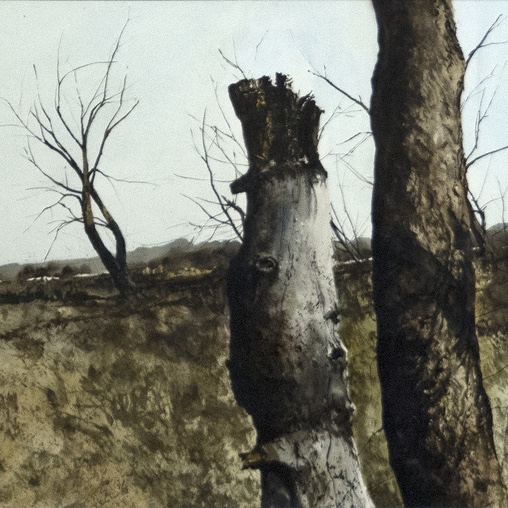
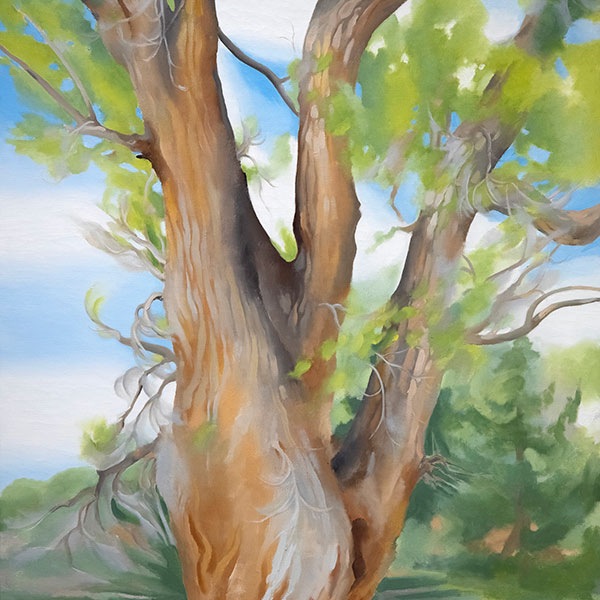
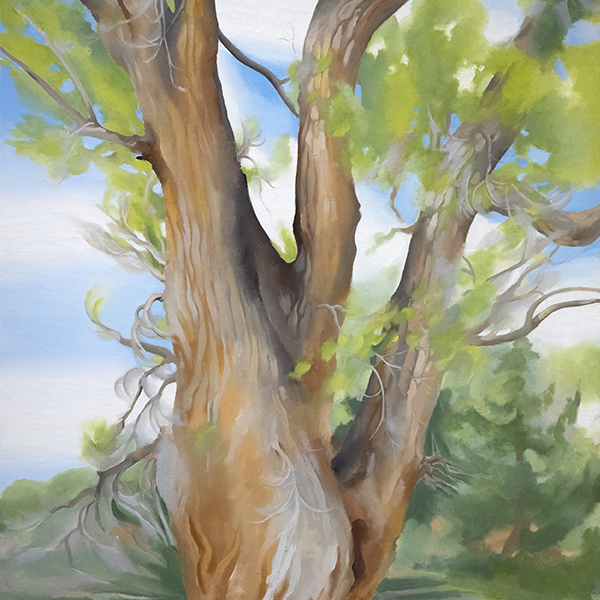
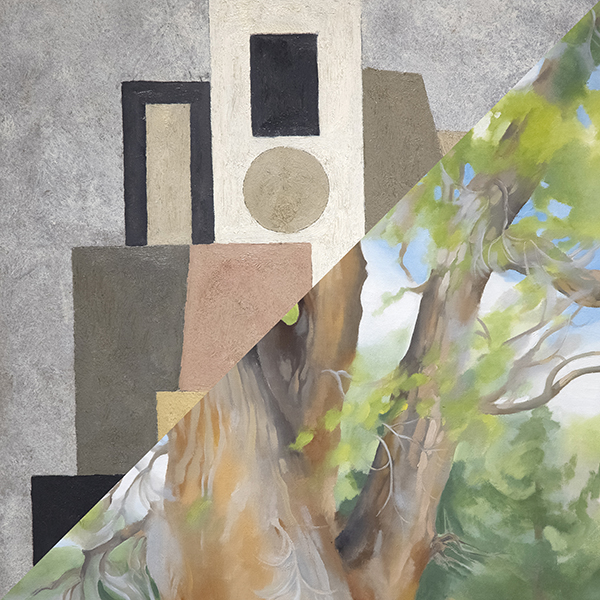
Cottonwood Tree (Near Abiquiu), New Mexico (1943) by celebrated American artist Georgia O’Keeffe is exemplary of the airier, more naturalistic style that the desert inspired in her. O’Keeffe had great affinity for the distinctive beauty of the Southwest, and made her home there among the spindly trees, dramatic vistas, and bleached animal skulls that she so frequently painted. O’Keeffe took up residence at Ghost Ranch, a dude ranch twelve miles outside of the village of Abiquiú in northern New Mexico and painted this cottonwood tree around there. The softer style befitting this subject is a departure from her bold architectural landscapes and jewel-toned flowers.<br><br>The cottonwood tree is abstracted into soft patches of verdant greens through which more delineated branches are seen, spiraling in space against pockets of blue sky. The modeling of the trunk and delicate energy in the leaves carry forward past experimentations with the regional trees of the Northeast that had captivated O’Keeffe years earlier: maples, chestnuts, cedars, and poplars, among others. Two dramatic canvases from 1924, Autumn Trees, The Maple and The Chestnut Grey, are early instances of lyrical and resolute centrality, respectively. As seen in these early tree paintings, O’Keeffe exaggerated the sensibility of her subject with color and form.<br><br>In her 1974 book, O’Keeffe explained: “The meaning of a word— to me— is not as exact as the meaning of a color. Color and shapes make a more definite statement than words.” Her exacting, expressive color intrigued. The Precisionist painter Charles Demuth described how, in O’Keeffe’s work, “each color almost regains the fun it must have felt within itself on forming the first rainbow” (As quoted in C. Eldridge, Georgia O’Keeffe, New York, 1991, p. 33). As well, congruities between forms knit together her oeuvre. Subjects like hills and petals undulate alike, while antlers, trees, and tributaries correspond in their branching morphology.<br><br>The sinewy contours and gradated hues characteristic of O’Keeffe find an incredible range across decades of her tree paintings. In New Mexico, O’Keeffe returned to the cottonwood motif many times, and the seasonality of this desert tree inspired many forms. The vernal thrill of new growth was channeled into spiraling compositions like Spring Tree No.1 (1945). Then, cottonwood trees turned a vivid autumnal yellow provided a breathtaking compliment to the blue backdrop of Mount Pedernal. The ossified curves of Dead Cottonweed Tree (1943) contain dramatic pools of light and dark, providing a foil to the warm, breathing quality of this painting, Cottonwood Tree (Near Abiquiu). The aural quality of this feathered cottonwood compels a feeling guided by O’Keeffe’s use of form of color.
GEORGIA O'KEEFFE

胡安·米罗 - 女神头像 - 青铜,黑色铜绿 - 66 x 36 1/2 x 30 英寸

琼·米罗

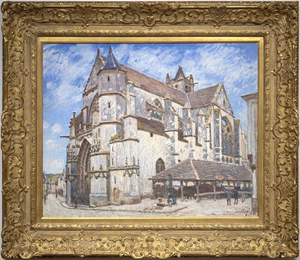
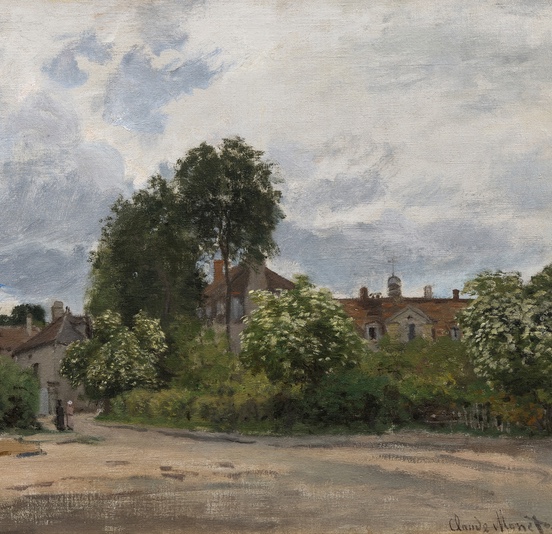
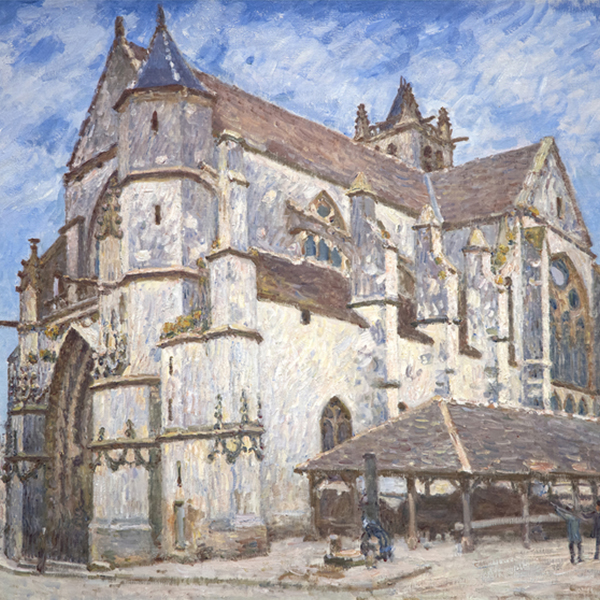
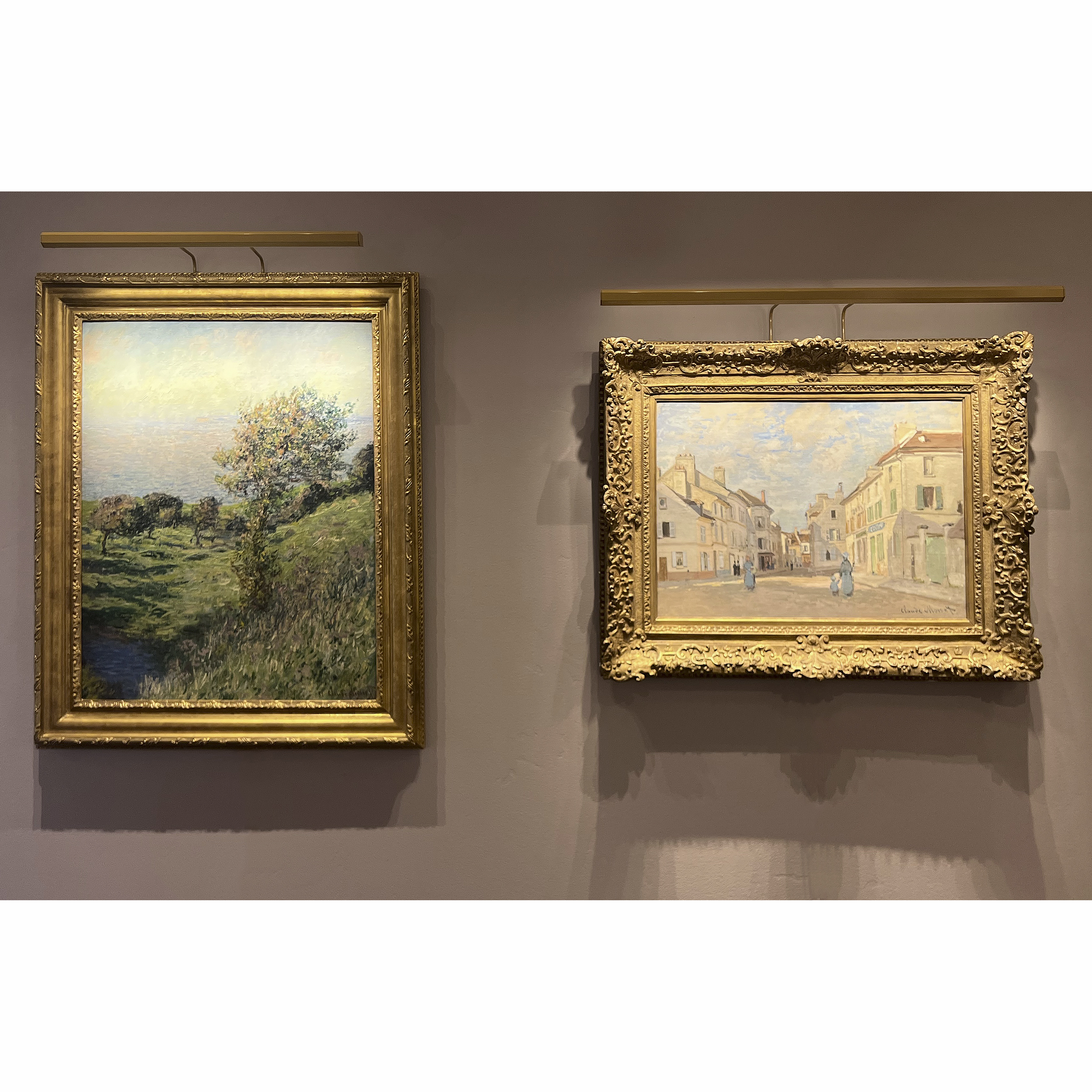
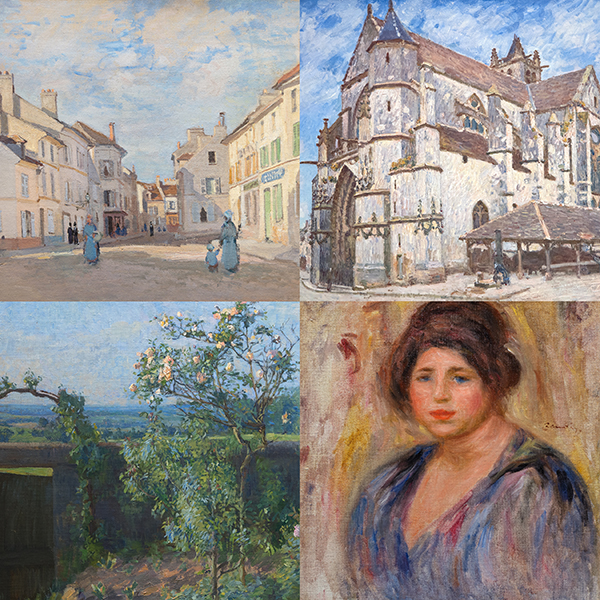
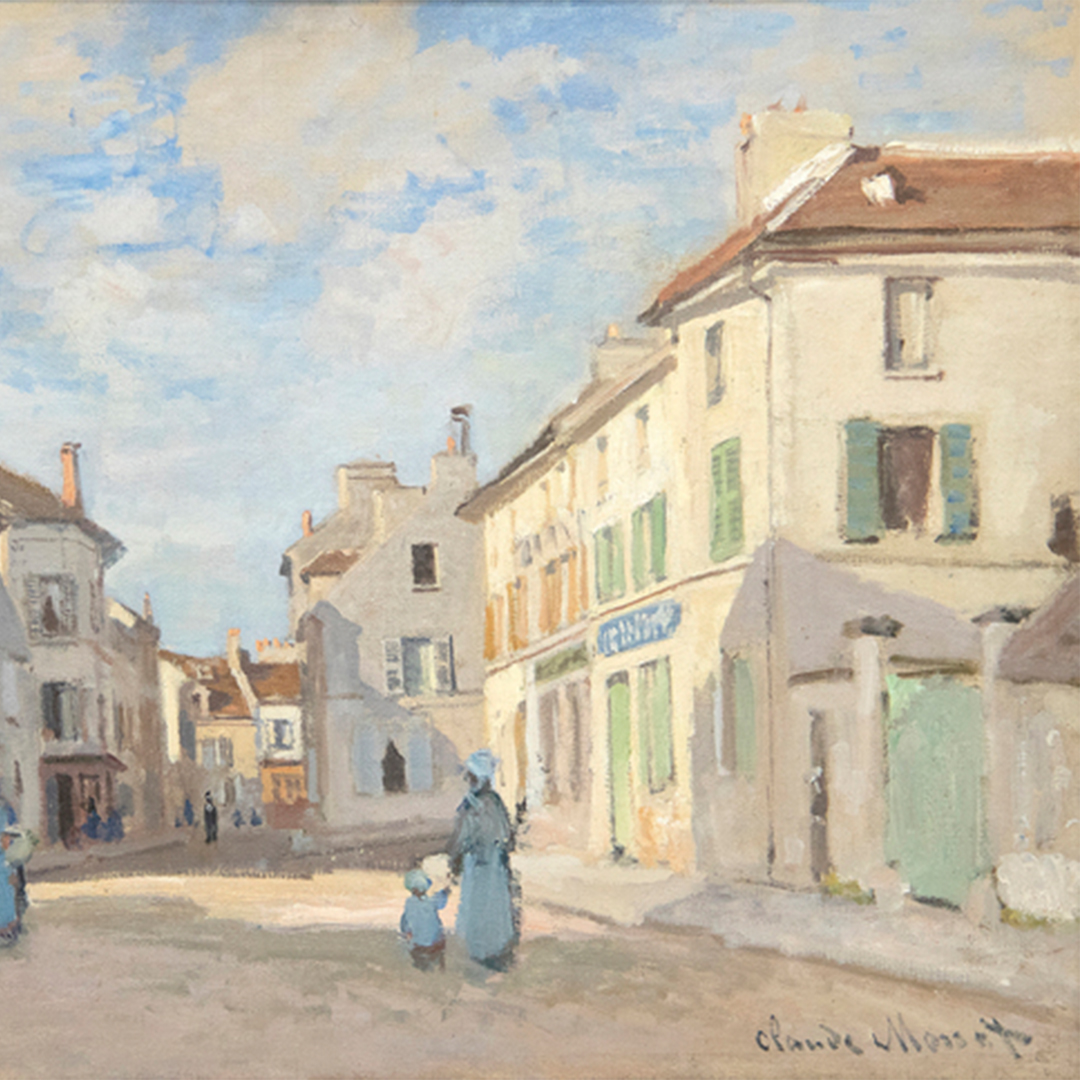
Between Île-de-France and Burgundy and on the edge of the Fontainebleau Forest lies the medieval village of Moret-sur-Loing, established in the 12th century. When Alfred Sisley described its character to Monet in a letter dated 31 August 1881 as “a chocolate-box landscape…” he meant it as a memento of enticement; that its keep, the ramparts, the church, the fortified gates, and the ornate facades nestled along the river were, for a painter, a setting of unmatched charm. An ancient church, always the most striking townscape feature along the Seine Valley, would be a presence in Sisley’s townscape views as it was for Corot, and for Monet at Vétheuil. But unlike Monet whose thirty views of Rouen Cathedral were executed so he could trace the play of light and shadow across the cathedral façade and capture the ephemeral nature of moment-to-moment changes of light and atmosphere, Sisley set out to affirm the permanent nature of the church of Notre-Dame at Moret-sur-Loing.  Monet’s sole concern was air and light, and Sisley’s appears to be an homage keepsake. The painting exudes respect for the original architects and builders of a structure so impregnable and resolute, it stood then as it did in those medieval times, and which for us, stands today, as it will, for time immemorial.<br><br>Nevertheless, Sisley strived to show the changing appearance of the motif through a series of atmospheric changes. He gave the works titles such as “In Sunshine”, “Under Frost”, and “In Rain” and exhibited them as a group at the Salon du Champ-de-Mars in 1894, factors that suggest he thought of them as serial interpretations. Nevertheless, unlike Monet’s work, l’église de Moret, le Soir reveals that Sisley chose to display the motif within a spatial context that accentuates its compositional attributes — the plunging perspective of the narrow street at left, the strong diagonal recession of the building lines as a counterbalance to the right, and the imposing weight of the stony building above the line of sight.

阿尔弗雷德·西斯利

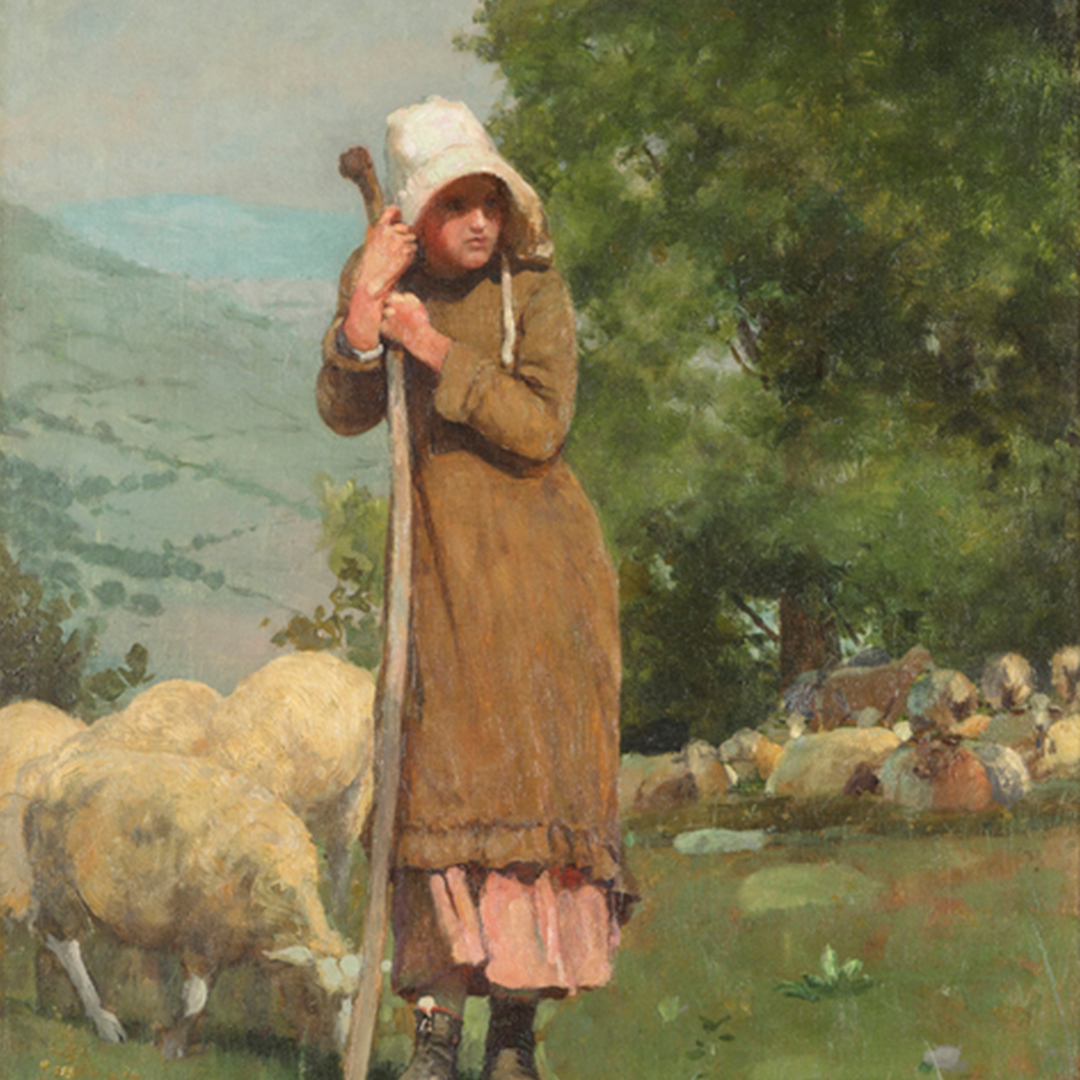
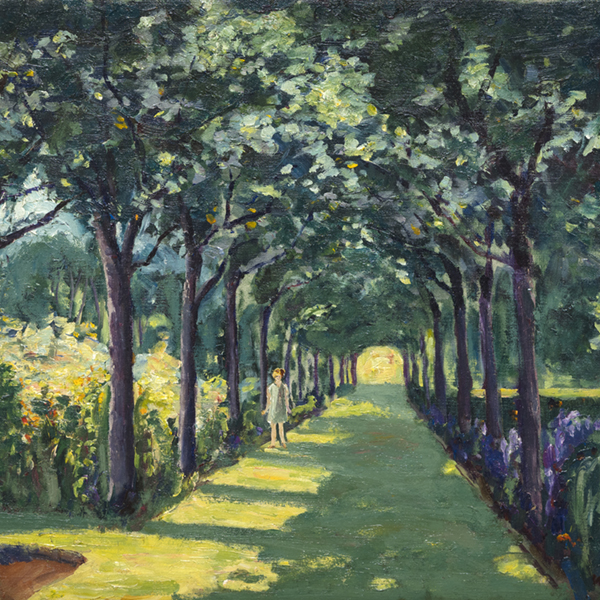
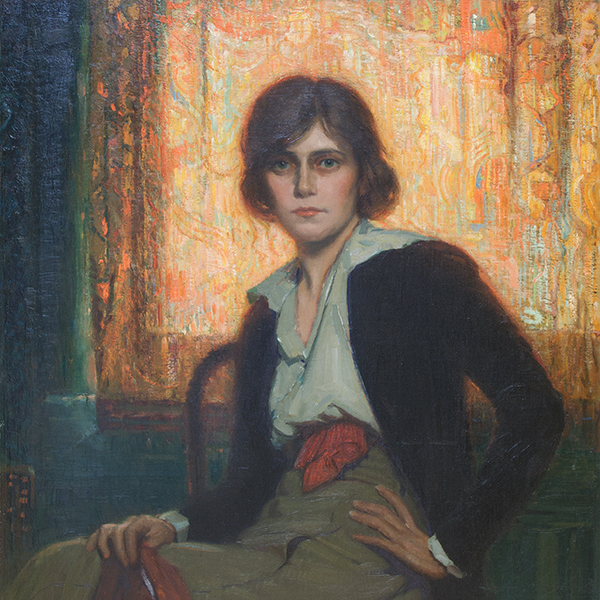
19世纪70年代初,温斯洛-霍默经常在位于纽约州哈德逊河和卡茨基尔山之间的一个小农庄附近绘制乡村生活场景,该小农庄因其出色的麦田而世代闻名。今天,赫尔利因激发了荷马最伟大的作品之一--1872年夏天绘制的《鞭子的Snap》而更为著名。在其他许多受该地区启发的画作中,《站在麦田里的女孩》感情丰富,但没有过度感伤。它与1866年在法国画的一幅题为《在麦田里》的研究报告以及次年他回到美国后画的另一幅报告直接相关。但荷马无疑会对这幅作品感到最自豪。这是一幅肖像画,一幅服装研究画,一幅具有欧洲田园画伟大传统的风俗画,也是一幅戏剧性的逆光、大气的巡回画,浸透在迅速消逝的阴暗时刻的光线中,并带有羊脂玉般的花香和麦穗的点缀。1874年,荷马送了四幅画给国家设计学院的展览。其中一幅名为 "女孩"。难道不是这一幅吗?

温斯洛荷马

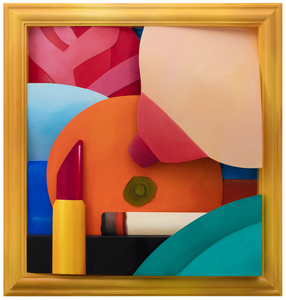
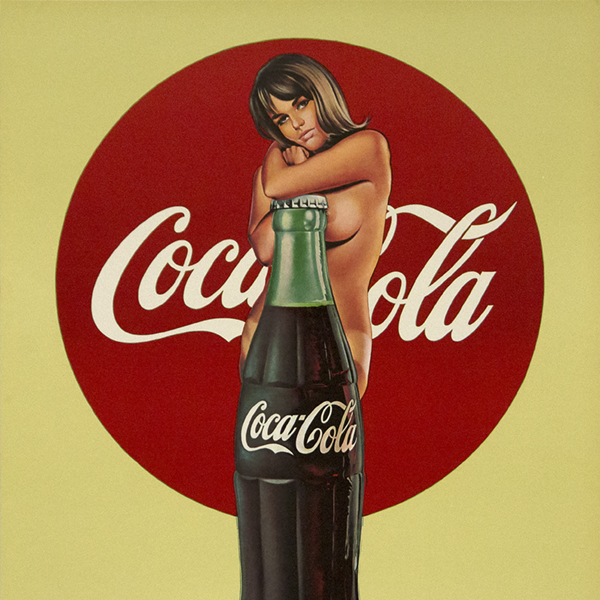
Tom Wesselmann was a leader of the Pop Art movement. He is best remembered for large-scale works, including his Great American Nude series, in which Wesselmann combined sensual imagery with everyday objects depicted in bold and vibrant colors. As he developed in his practice, Wesselmann grew beyond the traditional canvas format and began creating shaped canvases and aluminum cut-outs that often functioned as sculptural drawings. Continuing his interest in playing with scale, Wesselmann began focusing more closely on the body parts that make up his nudes. He created his Mouth series and his Bedroom series in which particular elements, rather than the entire sitter, become the focus.<br> <br>Bedroom Breast (2004) combines these techniques, using vivid hues painted on cut-out aluminum. The work was a special commission for a private collector's residence, and the idea of a bedroom breast piece in oil on 3-D cut-out aluminum was one Wesselmann had been working with for many years prior to this work's creation. The current owner of the piece believed in Wesselmann's vision and loved the idea of bringing the subject to his home.<br><br>It's one of, if not the last, piece Wesselmann completed before he passed away. The present work is the only piece of its kind - there has never been an oil on aluminum in 3D at this scale or of this iconography.  

托姆·韦塞尔曼

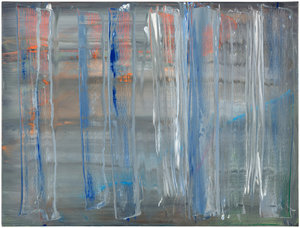
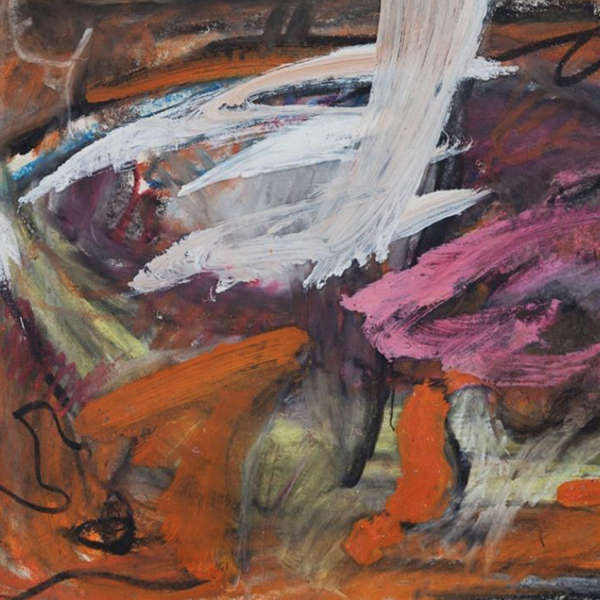
<div><font face=Lato size=3>Widely recognized as one of the most consequential artists of our time, Gerhard Richters career now rivals that of Picasso's in terms of productivity and genius. The multi-faceted subject matter, ranging from slightly out-of-focus photographic oil paintings to Kelly-esque grid paintings to his "squeegee" works, Richter never settles for repeating the same thought- but is constantly evolving his vision. Richter has been honored by significant retrospective exhibitions, including the pivotal 2002 show,  "Gerhard Richter: Forty Years of Painting," at the Museum of Modern Art, New York.    "Abstraktes Bild 758-2" (1992) comes from a purely abstract period in Richter's work- where the message is conveyed using a truly physical painting style, where applied paint layers are distorted with a wooden "Squeegee" tool. Essentially, Richter is sculpting the layers of paint, revealing the underlayers and their unique color combinations; there is a degree of "art by chance". If the painting does not work, Richter will move on- a method pioneered by Jackson Pollock decades earlier.    Richter is included in prominent museums and collections worldwide, including the Tate, London, The Museum of Modern Art, New York, and the San Francisco Museum of Modern Art, among many others.</font></div>

格哈德·里希特

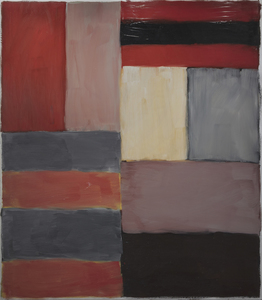
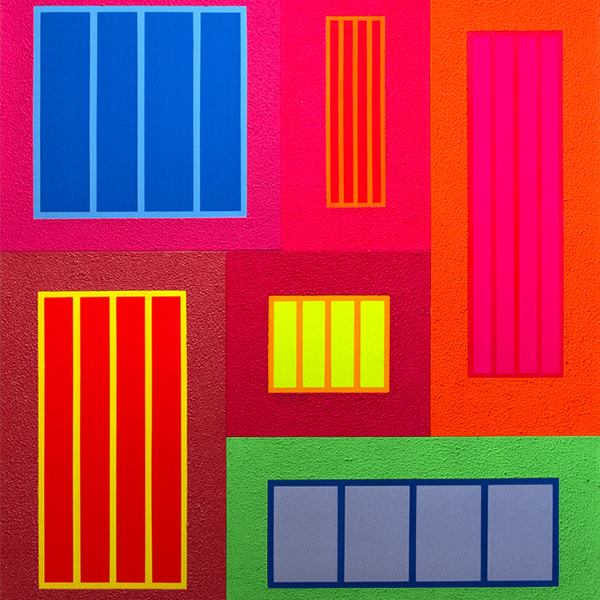
The frame of reference for Irish American Sean Scully’s signature blocks and stripes is vast. From Malevich’s central premise that geometry can provide the means for universal understanding to Rothko’s impassioned approach to color and rendering of the dramatic sublime, Scully learned how to condense the splendor of the natural world into simple modes of color, light, and composition. Born in Dublin in 1945 and London-raised, Scully was well-schooled in figurative drawing when he decided to catch the spirit of his lodestar, Henri Matisse, by visiting Morocco in 1969. He was captivated by the dazzling tessellated mosaics and richly dyed fabrics and began to paint grids and stipes of color. Subsequent adventures provided further inspiration as the play of intense light on the reflective surfaces of Mayan ruins and the ancient slabs of stone at Stonehenge brought the sensation of light, space, and geometric movement to Scully’s paintings. The ability to trace the impact of Scully’s travels throughout his paintings reaffirms the value of abstract art as a touchstone for real-life experience.<br><br><br>Painted in rich, deep hues and layered, nuanced surfaces, Grey Red is both poetic and full of muscular formalism. Scully appropriately refers to these elemental forms as ‘bricks,’ suggesting the formal calculations of an architect. As he explained, “these relationships that I see in the street doorways, in windows between buildings, and in the traces of structures that were once full of life, I take for my work. I use these colors and forms and put them together in a way that perhaps reminds you of something, though you’re not sure of that” (David Carrier, Sean Scully, 2004, pg. 98). His approach is organic, less formulaic; intuitive painter’s choices are layering one color upon another so that contrasting hues and colors vibrate with subliminal energy. Diebenkorn comes to mind in his pursuit of radiant light. But here, the radiant bands of terracotta red, gray, taupe, and black of Grey Red resonate with deep, smoldering energy and evoke far more affecting passion than you would think it could impart. As his good friend, Bono wrote, “Sean approaches the canvas like a kickboxer, a plasterer, a builder. The quality of painting screams of a life being lived.”

塞恩·斯卡利

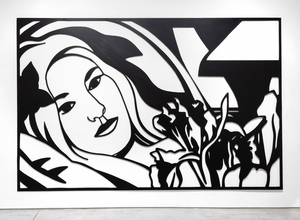
Tom Wesselmann will undoubtedly be remembered for associating his erotic themes with the colors of the American flag. But Wesselmann had considerable gifts as a draftsman, and the line was his principal preoccupation, first as a cartoonist and later as an ardent admirer of Matisse. That he also pioneered a method of turning drawings into laser-cut steel wall reliefs proved a revelation. He began to focus ever more on drawing for the sake of drawing, enchanted that the new medium could be lifted and held: “It really is like being able to pick up a delicate line drawing from the paper.”<br><br>The Steel Drawings caused both excitement and confusion in the art world. After acquiring one of the ground-breaking works in 1985, the Whitney Museum of American Art wrote Wesselmann wondering if it should be cataloged as a drawing or a sculpture. The work had caused such a stir that when Eric Fischl visited Wesselmann at his studio and saw steel-cut works for the first time, he remembered feeling jealous. He wanted to try it but dared not. It was clear: ‘Tom owned the technique completely.’<br><br>Wesselmann owed much of that technique to his year-long collaboration with metalwork fabricator Alfred Lippincott. Together, in 1984 they honed a method for cutting the steel with a laser that provided the precision he needed to show the spontaneity of his sketches. Wesselmann called it ‘the best year of my life’, elated at the results that he never fully achieved with aluminum that required each shape be hand-cut.  “I anticipated how exciting it would be for me to get a drawing back in steel. I could hold it in my hands. I could pick it up by the lines…it was so exciting…a kind of near ecstasy, anyway, but there’s really been something about the new work that grabbed me.”<br><br>Bedroom Brunette with Irises is a Steel Drawing masterwork that despite its uber-generous scale, utilizes tight cropping to provide an unimposing intimacy while maintaining a free and spontaneous quality. The figure’s outstretched arms and limbs and body intertwine with the petals and the interior elements providing a flowing investigative foray of black lines and white ‘drop out’ shapes provided by the wall. It recalls Matisse and any number of his reclining odalisque paintings. Wesselmann often tested monochromatic values to discover the extent to which color would transform his hybrid objects into newly developed Steel Drawing works and, in this case, continued with a color steel-cut version of the composition Bedroom Blonde with Irises (1987) and later still, in 1993 with a large-scale drawing in charcoal and pastel on paper.

托姆·韦塞尔曼

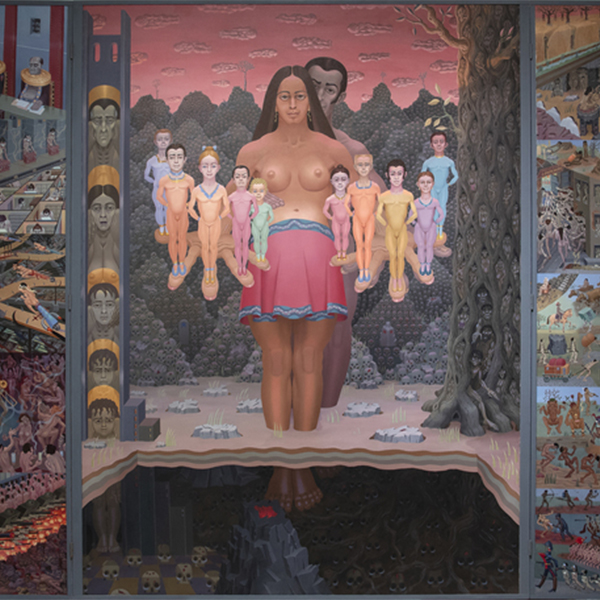
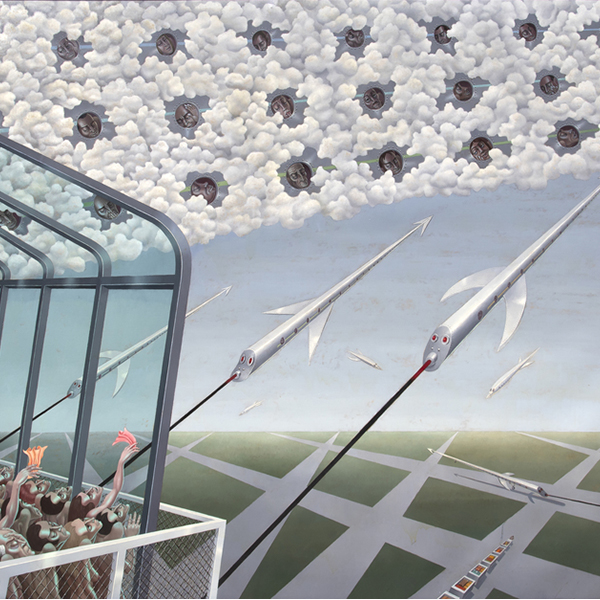
<div><font face=Lato size=3 color=black>Irving Norman conceived and created <em>The Human Condition</em> at a time when he must have reflected deeply on the totality of his life. Given its grand scale and cinematic treatment, it impresses as a profound culmination of his artistic journey, synthesizing decades of themes, insights, and experiences into a single monumental work. A man of great humility and an artist of uncommon skill, he translated a horrendous war experience into impactful allegories of unforgettable, often visceral imagery. He worked in solitude with relentless forbearance in a veritable vacuum without fame or financial security. Looking to the past, acutely aware of present trends, he knew, given the human predicament, he was forecasting the future. As one New York Times reviewer mused in 2008, "In light of current circumstances, Mr. Norman's dystopian vision may strike some…as eerily pertinent," an observation that recalled recent events.<br><br></font></div><br><br><div><font face=Lato size=3 color=black>Irving Norman's figures, manipulated by their environment and physical space, are of a style that exaggerates the malleability of the human form to underscore their vulnerability and subjugation. This literal and symbolic elasticity suggests that these figures are stretched, compressed, or twisted by the forces of their environment, emphasizing their lack of autonomy and the oppressive systems that govern their existence. While these figures reflect vulnerability, Norman's structural choice in <em>The Human Condition</em> creates a stark juxtaposition that shifts attention toward the central tableau. A commanding female figure, rising above the calamitous failures and atrocities of the past, is joined by a man, forming a symbolic "couple,” suggesting the unity and shared responsibility of a new vision. Their hands, magnified and upturned, present these children as a vision offering hope and renewal for the future. The gesture, combined with the futuristic clothing of the diminutive figures, reinforces the idea of an alternative path—a brighter, forward-looking humanity. The central tableau acts as a metaphorical offering, inviting the viewer to consider a future untouched by the weight of darkness from which these figures emerge.<br><br></font></div><br><br><div><font face=Lato size=3 color=black>Here, Norman underscores a hopeful, if not optimistic, vision for generations ahead. The structural decision suggests a deliberate shift in focus: the darker scenes relegated to the sides represent the burdens, past and present. At the same time, the central figures embody the potential for a future shaped by resilience and renewal. This juxtaposition distinguishes <em>The Human Condition</em> as a reflection of Norman's later years, where a tempered hope emerges to claim the high ground over the war-mongering, abject corruption, frantic pleasure-seeking, and the dehumanizing effects of modern society.<br><br></font></div><br><br><div><font face=Lato size=3 color=black>Throughout his long career, Norman stood tall in his convictions; he turned, faced the large, empty canvases, and designed and painted complex, densely populated scenes. As for recognition, he rationalized the situation—fame or fortune risked the unsullied nature of an artist's quest. Ultimately, <em>The Human Condition</em> is a summation of Norman's life and work and a call to action, urging us to examine our complicity in the systems he so vividly depicted. Through meticulous craftsmanship and allegorical intensity, it is a museum-worthy masterwork that continues to resonate, its themes as pertinent today as they were when Norman painstakingly brought his vision to life.</font></div>

欧文·诺曼

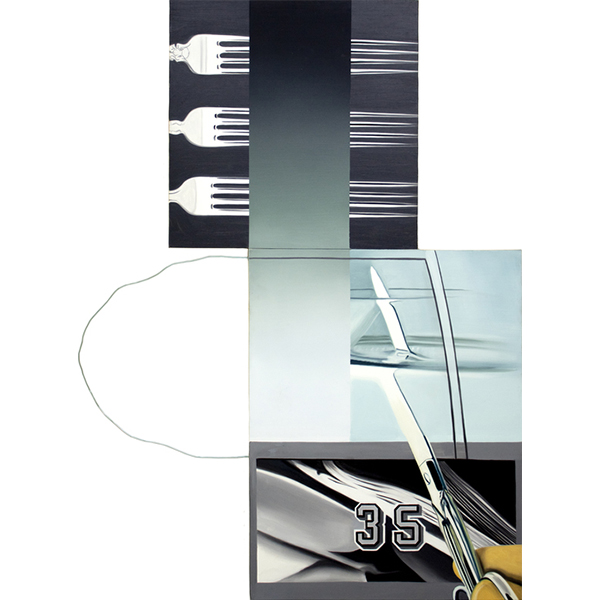
TOM WESSELMANN - 1962 加上 35 裸体素描 II - 画布上的醇酸油 - 43 x 58 5/8 in.

托姆·韦塞尔曼

美好时代到镀金时代
当前

美好时代到镀金时代

2025年12月2日 - 2026年5月31日
汤姆·韦塞尔曼:形体与形态
当前

汤姆·韦塞尔曼:形体与形态

2025年12月1日 - 2026年5月31日
格雷戈里-墨田收藏
档案

格雷戈里-墨田收藏

2025 年 8 月至 12 月
抽象:今天的工具
档案

抽象:今天的工具

2025 年 7 月 1 日至 10 月 31 日
声音与奇观:Harry Bertoia 和 George Rickey
档案

声音与奇观:Harry Bertoia 和 George Rickey

2025 年 6 月 1 日至 9 月 30 日
雕塑精选
档案

雕塑精选

2024 年 10 月 23 日至 2025 年 9 月 30 日
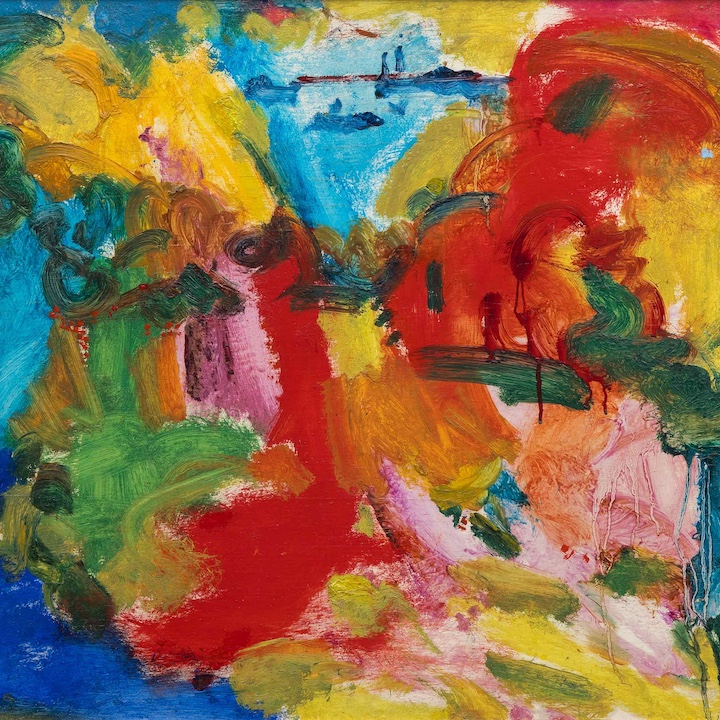
汉斯-霍夫曼:抽象表现主义之父
档案

汉斯-霍夫曼:抽象表现主义之父

2025 年 2 月 3 日至 7 月 31 日
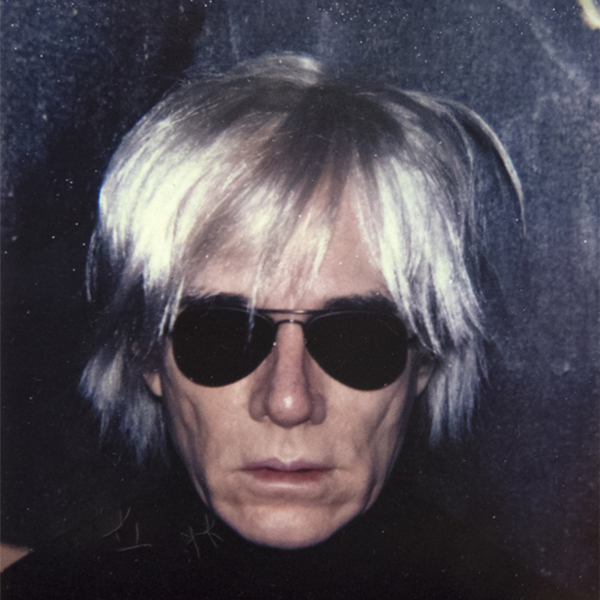
安迪-沃霍尔的宝丽来照片。我,我自己和我
档案

安迪-沃霍尔的宝丽来照片。我,我自己和我

2024 年 12 月 10 日至 2025 年 6 月 30 日
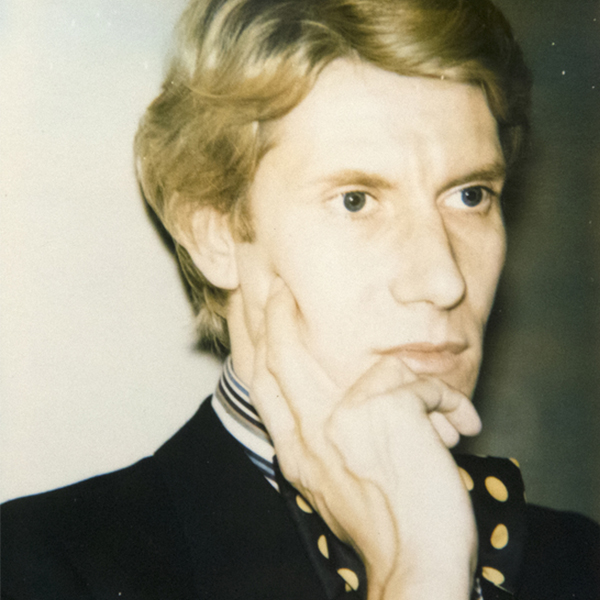
安迪-沃霍尔的宝丽来照片。把它带到T台上
档案

安迪-沃霍尔的宝丽来照片。把它带到T台上

2024 年 12 月 1 日至 2025 年 6 月 30 日
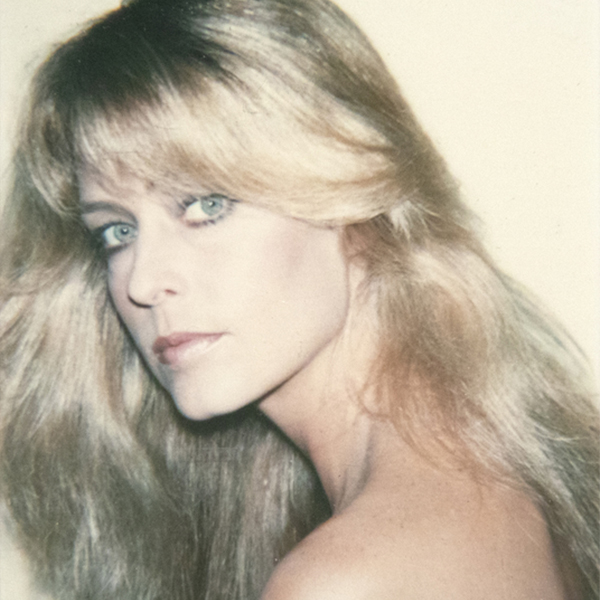
安迪-沃霍尔的宝丽来照片。闪闪发光
档案

安迪-沃霍尔的宝丽来照片。闪闪发光

2024 年 12 月 10 日至 2025 年 6 月 30 日
安迪-沃霍尔的宝丽来照片。邪恶的奇迹
档案

安迪-沃霍尔的宝丽来照片。邪恶的奇迹

2021 年 12 月 13 日至 2025 年 6 月 30 日
安迪-沃霍尔的宝丽来照片。Ars Longa
档案

安迪-沃霍尔的宝丽来照片。Ars Longa

2024 年 12 月 10 日至 2025 年 6 月 30 日
安迪-沃霍尔:一切都很美好
档案

安迪-沃霍尔:一切都很美好

2023 年 8 月 17 日 - 2025 年 6 月 30 日
遇见生活。N.C. Wyeth和大都会人寿的壁画
档案

遇见生活。N.C. Wyeth和大都会人寿的壁画

2022 年 7 月 18 日至 2025 年 4 月 30 日
亚历山大-考尔德塑造原始宇宙
档案

亚历山大-考尔德塑造原始宇宙

2023 年 8 月 23 日至 2025 年 3 月 25 日
汉斯-霍夫曼
档案

汉斯-霍夫曼

2024 年 8 月 14 日至 2025 年 2 月 28 日
土地的遗产乔治亚-奥基夫和艾米莉-卡梅-金瓦瑞耶
档案

土地的遗产乔治亚-奥基夫和艾米莉-卡梅-金瓦瑞耶

2024 年 7 月 10 日至 2025 年 1 月 31 日
低于 10 万美元的艺术品
档案

低于 10 万美元的艺术品

2024 年 7 月 25 日至 2025 年 1 月 31 日
2024 年假日送礼的艺术
档案

2024 年假日送礼的艺术

2024 年 11 月 4 日至 2025 年 1 月 31 日
你的心血。艺术与文学的交汇点
档案

你的心血。艺术与文学的交汇点

2022 年 9 月 12 日至 2024 年 12 月 31 日
第一个圆。艺术中的圆圈
档案

第一个圆。艺术中的圆圈

2023 年 2 月 14 日至 2024 年 8 月 31 日
春天的花,破土而出
档案

春天的花,破土而出

2023 年 5 月 8 日 - 2024 年 8 月 31 日
美国西部艺术杰出收藏
档案

美国西部艺术杰出收藏

2023 年 8 月 24 日至 2024 年 8 月 31 日
多萝西-胡德的画作
档案

多萝西-胡德的画作

2024 年 3 月 18 日至 7 月 19 日
欧文·诺曼:暗物质
档案

欧文·诺曼:暗物质

2019 年 11 月 27 日至 2024 年 6 月 30 日
毕加索:画布之外
档案

毕加索:画布之外

2023 年 10 月 4 日至 2024 年 4 月 30 日
发现创造力美国艺术大师
档案

发现创造力美国艺术大师

2024 年 1 月 10 日至 3 月 17 日
剪纸。独特的纸上作品
档案

剪纸。独特的纸上作品

2022年4月27日 - 2023年10月31日
安迪-沃霍尔:边缘的魅力
档案

安迪-沃霍尔:边缘的魅力

2021年10月27日 - 2023年9月30日
更多关于生活:来自莫奈及其他的印象派对话
档案

更多关于生活:来自莫奈及其他的印象派对话

2022年8月17日 - 2023年8月31日
亚历山大-考尔德。绘画的宇宙
档案

亚历山大-考尔德。绘画的宇宙

2022年8月10日 - 2023年8月31日
这在80年代是可以接受的
档案

这在80年代是可以接受的

2021年4月27日 - 2023年8月31日
美丽的时代:镀金时代的美国艺术
档案

美丽的时代:镀金时代的美国艺术

2021年6月24日 - 2023年8月31日
保罗·詹金斯:着色现象
档案

保罗·詹金斯:着色现象

2019年12月27日 - 2023年3月31日
N.C. Wyeth:绘画的十年
档案

N.C. Wyeth:绘画的十年

2022年9月29日 - 2023年3月31日
乔治亚-奥基夫和马斯登-哈特利。现代心态
档案

乔治亚-奥基夫和马斯登-哈特利。现代心态

2022年2月1日 - 2023年2月28日
诺曼·扎米特:色彩的前进
档案

诺曼·扎米特:色彩的前进

2020年3月19日 - 2023年2月28日
美洲的具象艺术大师
档案

美洲的具象艺术大师

2023年1月4日至2月12日
抽象表现主义。超越激进主义
档案

抽象表现主义。超越激进主义

2022年1月12日 - 2023年1月31日
詹姆斯-罗森奎斯特:有潜力的流行音乐
档案

詹姆斯-罗森奎斯特:有潜力的流行音乐

2021年6月7日-2023年1月31日
我自己的皮肤。弗里达-卡洛和迭戈-里维拉
档案

我自己的皮肤。弗里达-卡洛和迭戈-里维拉

2022年6月16日至12月31日
约瑟夫-阿尔贝斯。绘画的核心
档案

约瑟夫-阿尔贝斯。绘画的核心

2022年5月12日-11月30日
克劳德-莫奈:一个印象派的天才
档案

克劳德-莫奈:一个印象派的天才

2022年8月18日至10月31日
印象派在Heather James Fine Art
档案

印象派在Heather James Fine Art

2022年9月1日至10月31日
毕加索 - 版画和纸上作品
档案

毕加索 - 版画和纸上作品

2022年9月1日至10月12日
马克-夏加尔:爱的颜色
档案

马克-夏加尔:爱的颜色

2022年9月8日至10月12日
抽象表现主义。顽强的女性
档案

抽象表现主义。顽强的女性

2021年11月1日 - 2022年8月31日
亚历山大-考尔德。描绘宇宙
档案

亚历山大-考尔德。描绘宇宙

2022年3月2日至8月12日
奔驰的物质。神奇的品质
档案

奔驰的物质。神奇的品质

2021年3月22日 - 2022年6月30日
摩尔!摩尔!摩尔!亨利-摩尔与雕塑
档案

摩尔!摩尔!摩尔!亨利-摩尔与雕塑

2021年3月3日 - 2022年4月30日
亚历山大-考尔德。大胆的水粉画
档案

亚历山大-考尔德。大胆的水粉画

2020年3月25日-2022年3月2日
伊莱恩和威廉-德库宁。光中的绘画
档案

伊莱恩和威廉-德库宁。光中的绘画

2021年8月3日 - 2022年1月31日
美国之眼:帕迪收藏精选集
档案

美国之眼:帕迪收藏精选集

2021年2月28日-12月31日
犹太现代主义第二部分:从夏加尔到诺曼的塑像。
档案

犹太现代主义第二部分:从夏加尔到诺曼的塑像。

2020年4月30日 - 2021年12月31日
Gloria Luria系列
档案

Gloria Luria系列

2020年3月16日 - 2021年10月31日
印象派与现代艺术的宝石
档案

印象派与现代艺术的宝石

2020年2月19日至10月31日
酷酷的不列颠尼亚:英国青年艺术家
档案

酷酷的不列颠尼亚:英国青年艺术家

2020年4月2日至9月30日
加州人
档案

加州人

2019年11月1日至2020年2月14日
我们一直在这里:日美战后艺术先驱
档案

我们一直在这里:日美战后艺术先驱

2019年4月4日至7月15日
山姆·弗朗西斯:从黄昏到黎明
档案

山姆·弗朗西斯:从黄昏到黎明

2018年11月15日- 2019年4月29日
德库宁 x 德库宁
档案

德库宁 x 德库宁

2018年11月8日 - 2019年2月28日
温斯顿·丘吉尔爵士的画作
档案

温斯顿·丘吉尔爵士的画作

2018年8月1日至9月16日
温斯顿·丘吉尔爵士的画作
档案

温斯顿·丘吉尔爵士的画作

六月 1 - 七月 27, 2018
沃伊切赫·方戈尔:20世纪60年代初
档案

沃伊切赫·方戈尔:20世纪60年代初

2018年4月19日至6月30日
N.C. 惠氏:绘画和插图
档案

N.C. 惠氏:绘画和插图

2018年2月1日至5月31日
温斯顿·丘吉尔爵士的画作
档案

温斯顿·丘吉尔爵士的画作

2018年3月21日至5月30日
法拉利与未来主义者:意大利人对速度的观察
档案

法拉利与未来主义者:意大利人对速度的观察

2016 年 11 月 21 日 - 2017 年 1 月 30 日
诺曼·罗克韦尔:艺术家在工作
档案

诺曼·罗克韦尔:艺术家在工作

2016年6月30日至9月30日
亚历山大·卡尔德
档案

亚历山大·卡尔德

2015 年 11 月 21 日 - 2016 年 5 月 28 日
加州印象派大师
档案

加州印象派大师

2014 年 11 月 22 日 - 2015 年 5 月 23 日
绘画抽象:AbEx的球体
档案

绘画抽象:AbEx的球体

2011年11月25日 - 2012年5月31日
印象派与现代艺术大师
档案

印象派与现代艺术大师

2010年11月20日 - 2011年9月25日
毕加索
档案

毕加索

2009年11月20日 - 2010年5月25日
图表

2023年3月的艺术市场

Heather James Fine Art的联合创始人Jim Carona讨论了艺术市场的复原力,并提供了在金融熊时期投资艺术品的见解。

采访视频 _ 拇指

艺术市场的复原力

Heather James Fine Art的联合创始人Jim Carona回顾了艺术市场在以往经济衰退时期的表现,并就艺术市场为什么被证明比其他资产更有弹性提出了关键意见。

阿尔塔斯投资1

艺术作为一种投资

艺术品被列为2022年的最佳赌注之一。请看我们对艺术品作为你的投资组合的资产的深入分析。

画廊

45188 Portola Avenue
Palm Desert, CA 92260

(760) 346-8926
营业时间周一至周六上午 9 点至下午 5 点

172 Center Street, Suite 101
P.O. Box 3580
Jackson Hole, WY 83001
(307) 200-6090
开放时间:2025 年 12 月 1 日至 2026 年 3 月 28 日2025 年 12 月 1 日至 2026 年 3 月 28 日
周二至周六 上午 10 点至下午 5 点

顾问