
返回

安迪·沃霍尔(1928-1987)

 
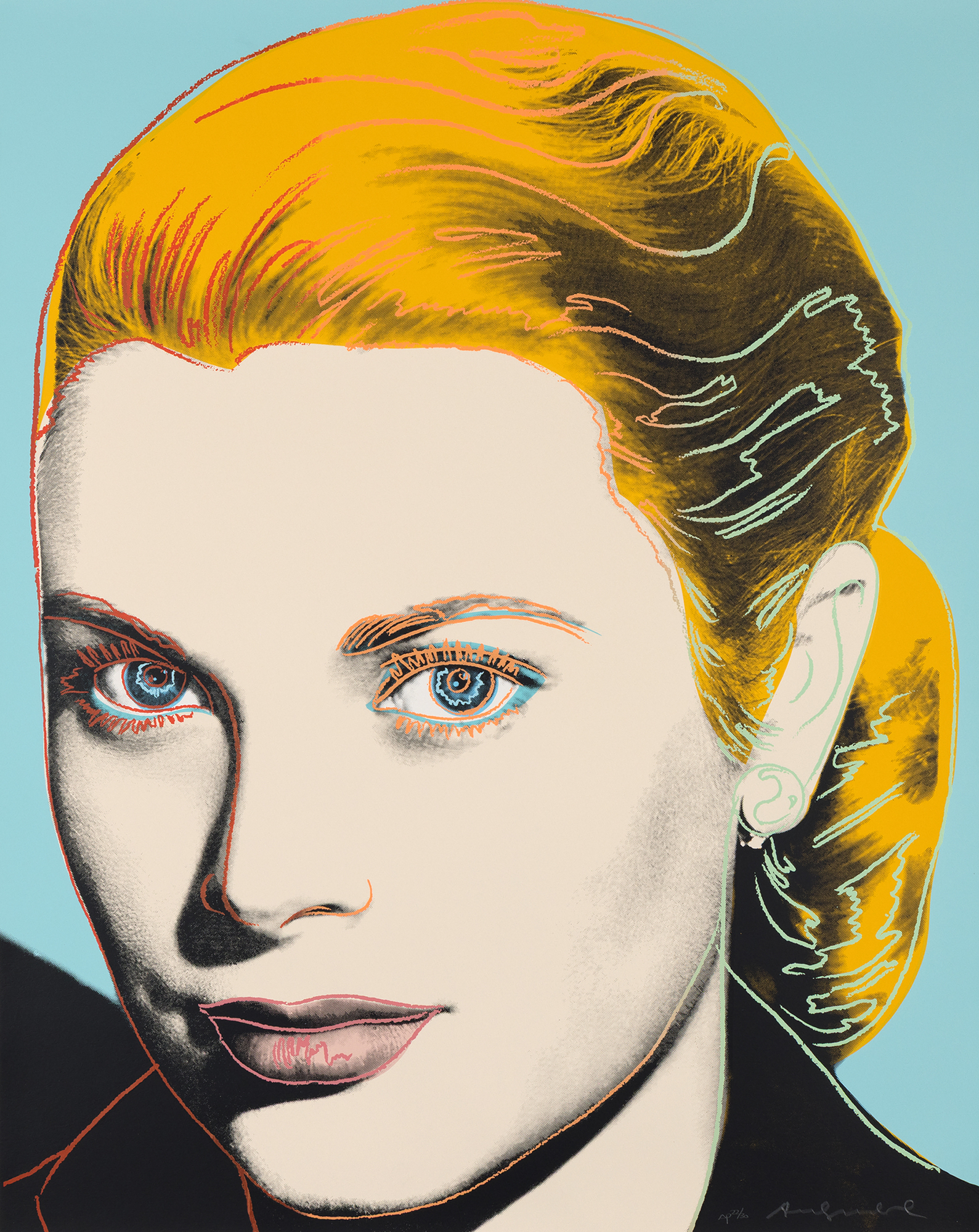
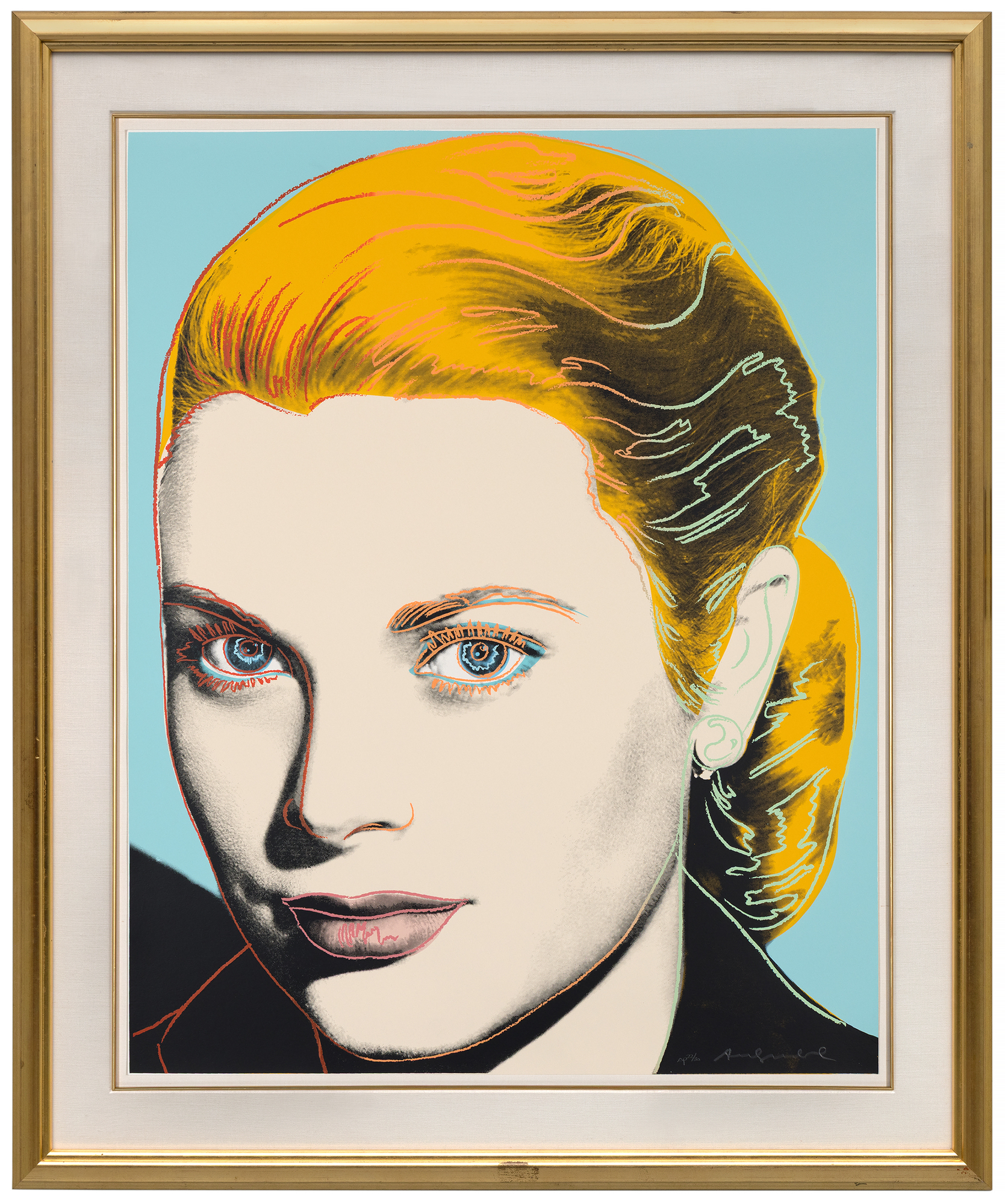
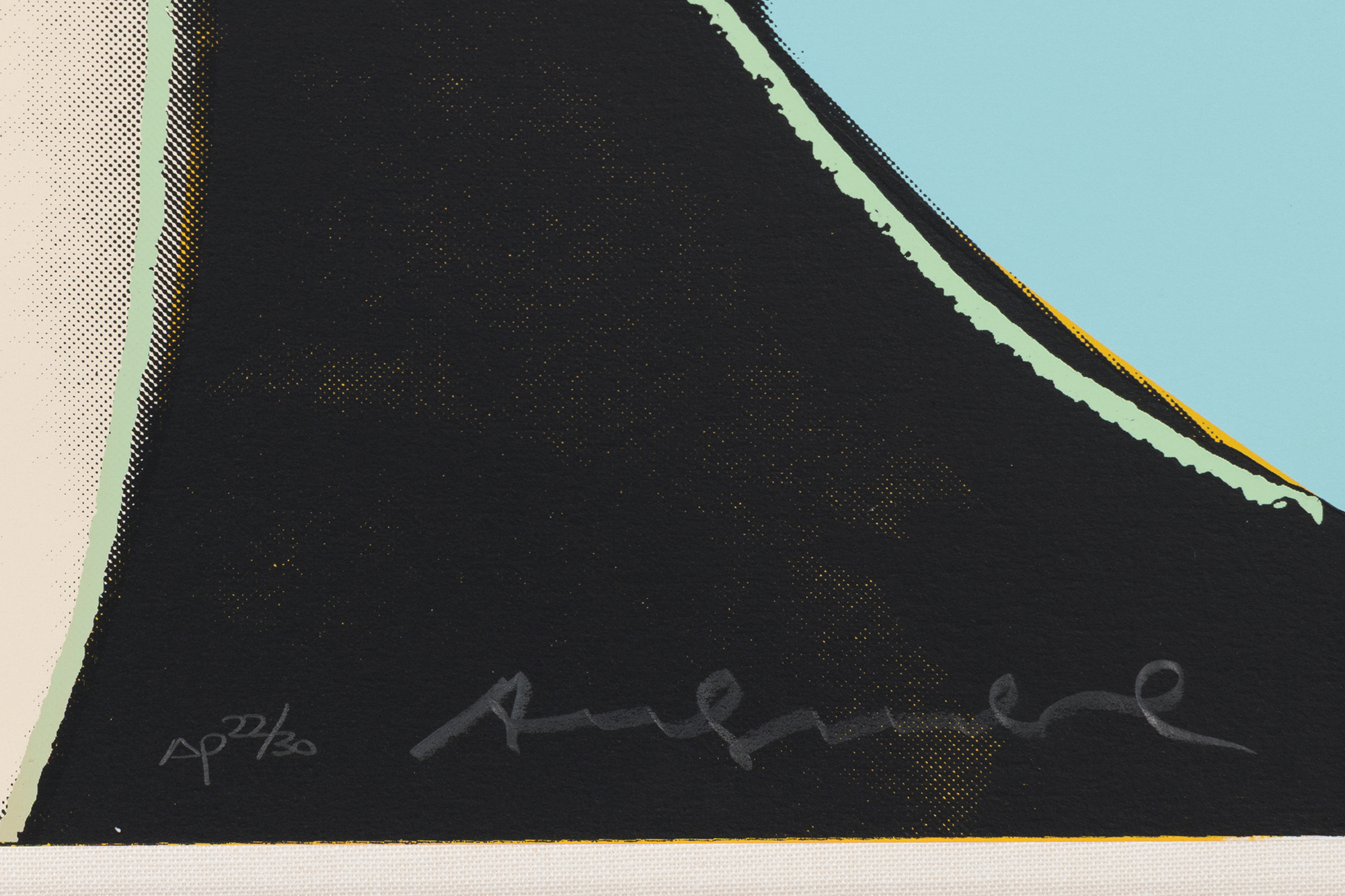
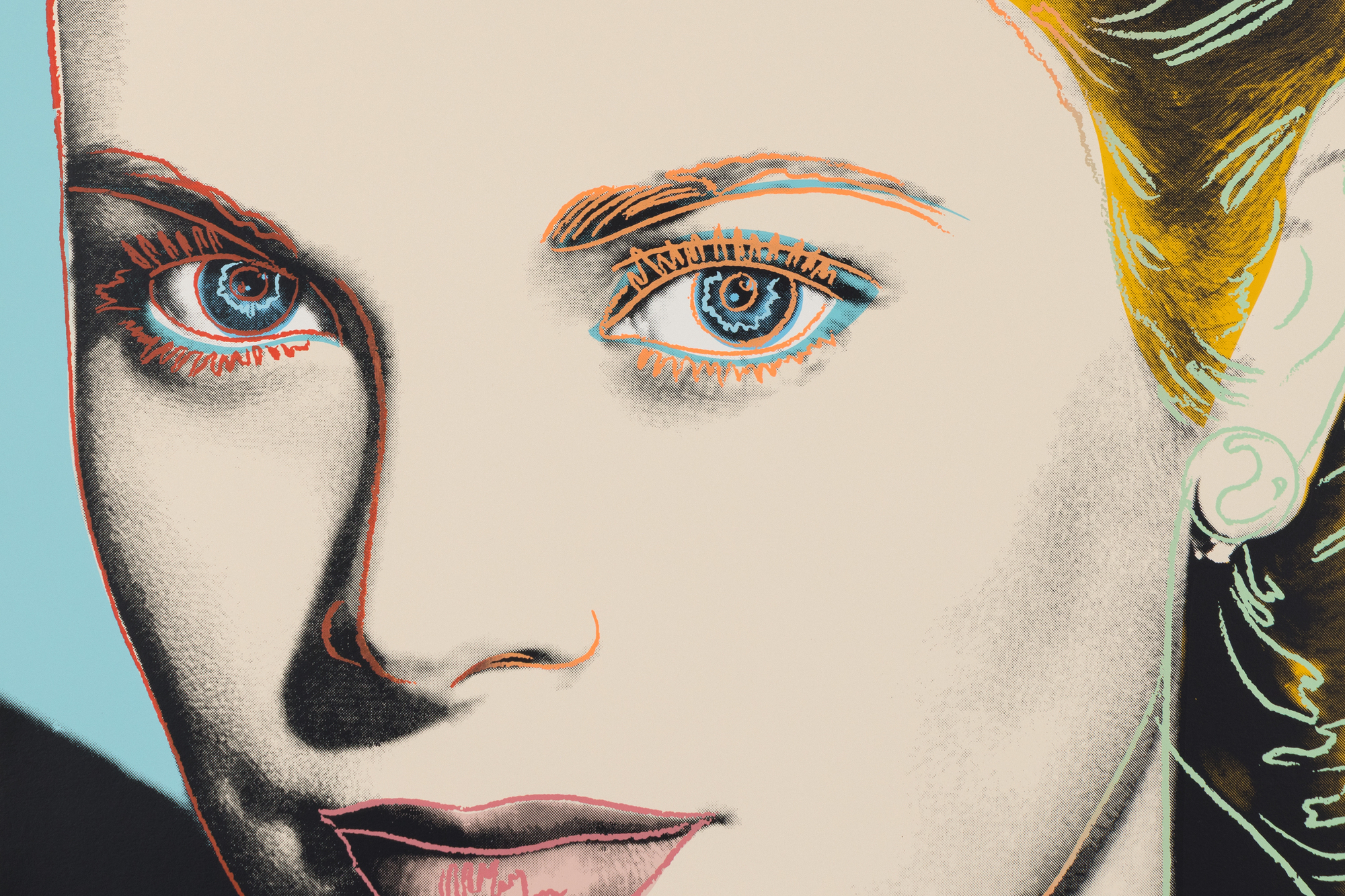
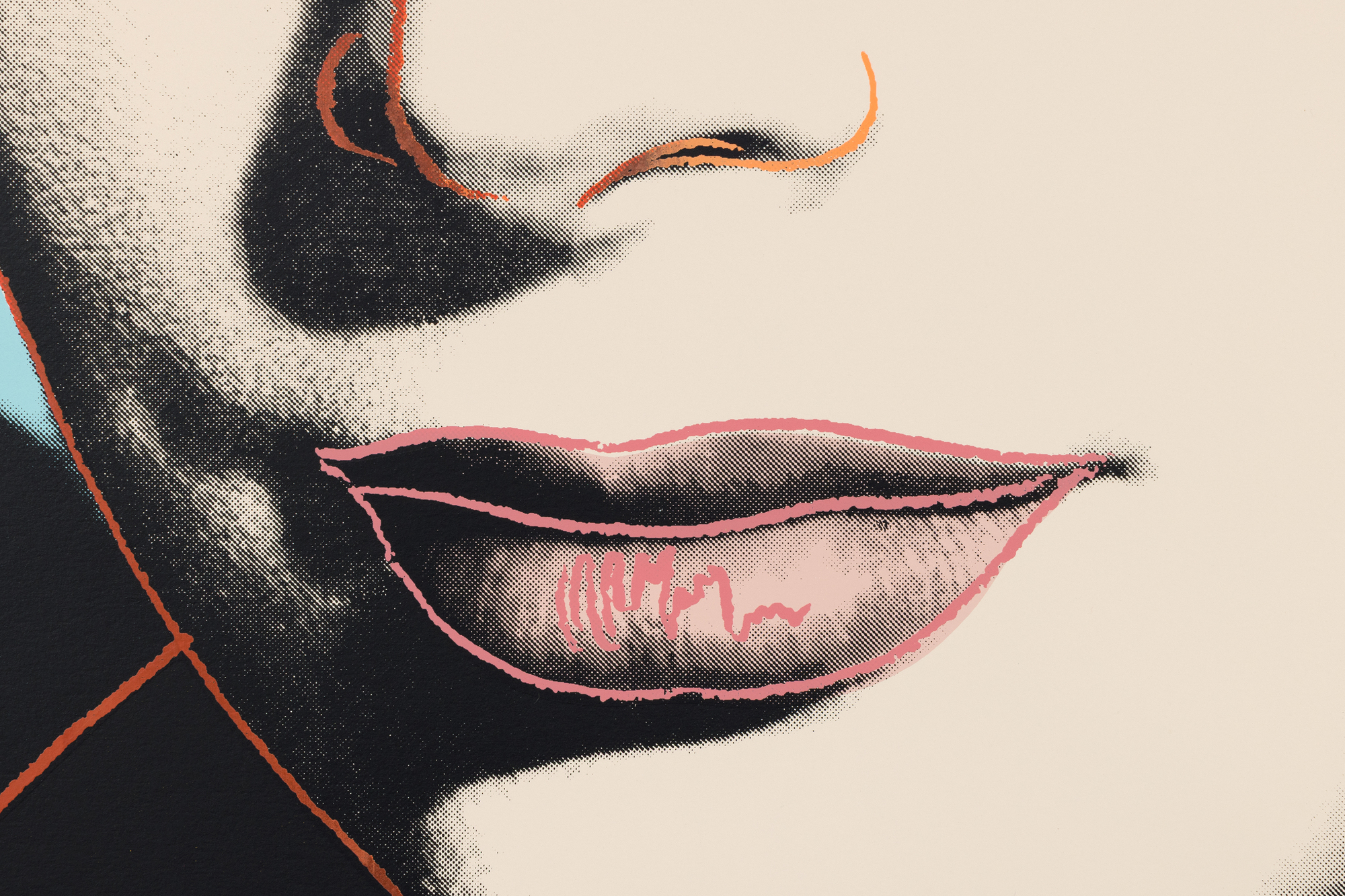
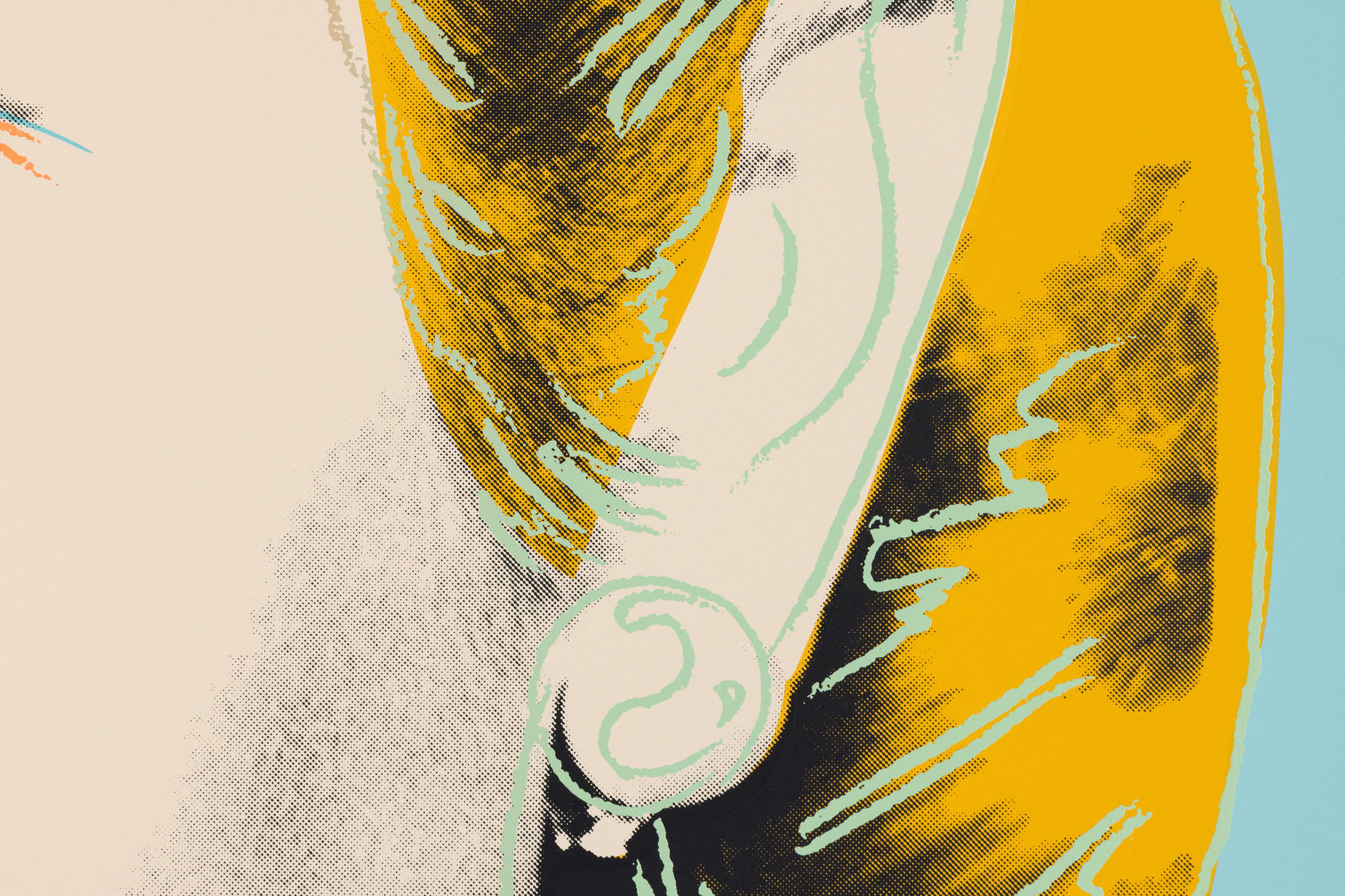
<div><font face=Lato size=3>Andy Warhol’s <em>Grace Kelly</em> (1984) is a dazzling screenprint that immortalizes one of Hollywood’s most iconic stars, who later became Princess of Monaco. This impression, one of 30 artist’s proofs aside from the regular edition of 225, depicts Kelly with radiant canary yellow hair set against a turquoise ground. Her face, rendered through Warhol’s crisp silkscreened contours, is at once immediately recognizable and transformed into a bold graphic emblem. </font></div><br><br><div><font face=Lato size=3> </font></div><br><br><div><font face=Lato size=3>The image is based on a film still from<em> Fourteen Hours</em> (1951), Kelly’s screen debut, which Warhol reimagines through his signature Pop sensibility. By isolating and intensifying her features with vibrant color contrasts, he heightens both the glamour of the actress and the constructed nature of celebrity imagery. The turquoise background vibrates against Kelly’s luminous hair, underscoring Warhol’s mastery of color as a tool of both allure and abstraction. </font></div><br><br><div><font face=Lato size=3> </font></div><br><br><div><font face=Lato size=3>Created during a period when Warhol was revisiting the great icons of his earlier career, <em>Grace Kelly</em> encapsulates his fascination with beauty, fame, and cultural mythmaking. The work distills Kelly’s presence into a timeless symbol—simultaneously a celebration of her cinematic allure and a meditation on the transformation of star into legend. </font></div><br><br><div><font face=Lato size=3> </font></div><br><br><div><font face=Lato size=3> </font></div> <div><font face=Lato size=3>Andy Warhol’s <em>Grace Kelly</em> (1984) is a dazzling screenprint that immortalizes one of Hollywood’s most iconic stars, who later became Princess of Monaco. This impression, one of 30 artist’s proofs aside from the regular edition of 225, depicts Kelly with radiant canary yellow hair set against a turquoise ground. Her face, rendered through Warhol’s crisp silkscreened contours, is at once immediately recognizable and transformed into a bold graphic emblem. </font></div><br><br><div><font face=Lato size=3> </font></div><br><br><div><font face=Lato size=3>The image is based on a film still from<em> Fourteen Hours</em> (1951), Kelly’s screen debut, which Warhol reimagines through his signature Pop sensibility. By isolating and intensifying her features with vibrant color contrasts, he heightens both the glamour of the actress and the constructed nature of celebrity imagery. The turquoise background vibrates against Kelly’s luminous hair, underscoring Warhol’s mastery of color as a tool of both allure and abstraction. </font></div><br><br><div><font face=Lato size=3> </font></div><br><br><div><font face=Lato size=3>Created during a period when Warhol was revisiting the great icons of his earlier career, <em>Grace Kelly</em> encapsulates his fascination with beauty, fame, and cultural mythmaking. The work distills Kelly’s presence into a timeless symbol—simultaneously a celebration of her cinematic allure and a meditation on the transformation of star into legend. </font></div><br><br><div><font face=Lato size=3> </font></div><br><br><div><font face=Lato size=3> </font></div> <div><font face=Lato size=3>Andy Warhol’s <em>Grace Kelly</em> (1984) is a dazzling screenprint that immortalizes one of Hollywood’s most iconic stars, who later became Princess of Monaco. This impression, one of 30 artist’s proofs aside from the regular edition of 225, depicts Kelly with radiant canary yellow hair set against a turquoise ground. Her face, rendered through Warhol’s crisp silkscreened contours, is at once immediately recognizable and transformed into a bold graphic emblem. </font></div><br><br><div><font face=Lato size=3> </font></div><br><br><div><font face=Lato size=3>The image is based on a film still from<em> Fourteen Hours</em> (1951), Kelly’s screen debut, which Warhol reimagines through his signature Pop sensibility. By isolating and intensifying her features with vibrant color contrasts, he heightens both the glamour of the actress and the constructed nature of celebrity imagery. The turquoise background vibrates against Kelly’s luminous hair, underscoring Warhol’s mastery of color as a tool of both allure and abstraction. </font></div><br><br><div><font face=Lato size=3> </font></div><br><br><div><font face=Lato size=3>Created during a period when Warhol was revisiting the great icons of his earlier career, <em>Grace Kelly</em> encapsulates his fascination with beauty, fame, and cultural mythmaking. The work distills Kelly’s presence into a timeless symbol—simultaneously a celebration of her cinematic allure and a meditation on the transformation of star into legend. </font></div><br><br><div><font face=Lato size=3> </font></div><br><br><div><font face=Lato size=3> </font></div> <div><font face=Lato size=3>Andy Warhol’s <em>Grace Kelly</em> (1984) is a dazzling screenprint that immortalizes one of Hollywood’s most iconic stars, who later became Princess of Monaco. This impression, one of 30 artist’s proofs aside from the regular edition of 225, depicts Kelly with radiant canary yellow hair set against a turquoise ground. Her face, rendered through Warhol’s crisp silkscreened contours, is at once immediately recognizable and transformed into a bold graphic emblem. </font></div><br><br><div><font face=Lato size=3> </font></div><br><br><div><font face=Lato size=3>The image is based on a film still from<em> Fourteen Hours</em> (1951), Kelly’s screen debut, which Warhol reimagines through his signature Pop sensibility. By isolating and intensifying her features with vibrant color contrasts, he heightens both the glamour of the actress and the constructed nature of celebrity imagery. The turquoise background vibrates against Kelly’s luminous hair, underscoring Warhol’s mastery of color as a tool of both allure and abstraction. </font></div><br><br><div><font face=Lato size=3> </font></div><br><br><div><font face=Lato size=3>Created during a period when Warhol was revisiting the great icons of his earlier career, <em>Grace Kelly</em> encapsulates his fascination with beauty, fame, and cultural mythmaking. The work distills Kelly’s presence into a timeless symbol—simultaneously a celebration of her cinematic allure and a meditation on the transformation of star into legend. </font></div><br><br><div><font face=Lato size=3> </font></div><br><br><div><font face=Lato size=3> </font></div> <div><font face=Lato size=3>Andy Warhol’s <em>Grace Kelly</em> (1984) is a dazzling screenprint that immortalizes one of Hollywood’s most iconic stars, who later became Princess of Monaco. This impression, one of 30 artist’s proofs aside from the regular edition of 225, depicts Kelly with radiant canary yellow hair set against a turquoise ground. Her face, rendered through Warhol’s crisp silkscreened contours, is at once immediately recognizable and transformed into a bold graphic emblem. </font></div><br><br><div><font face=Lato size=3> </font></div><br><br><div><font face=Lato size=3>The image is based on a film still from<em> Fourteen Hours</em> (1951), Kelly’s screen debut, which Warhol reimagines through his signature Pop sensibility. By isolating and intensifying her features with vibrant color contrasts, he heightens both the glamour of the actress and the constructed nature of celebrity imagery. The turquoise background vibrates against Kelly’s luminous hair, underscoring Warhol’s mastery of color as a tool of both allure and abstraction. </font></div><br><br><div><font face=Lato size=3> </font></div><br><br><div><font face=Lato size=3>Created during a period when Warhol was revisiting the great icons of his earlier career, <em>Grace Kelly</em> encapsulates his fascination with beauty, fame, and cultural mythmaking. The work distills Kelly’s presence into a timeless symbol—simultaneously a celebration of her cinematic allure and a meditation on the transformation of star into legend. </font></div><br><br><div><font face=Lato size=3> </font></div><br><br><div><font face=Lato size=3> </font></div> <div><font face=Lato size=3>Andy Warhol’s <em>Grace Kelly</em> (1984) is a dazzling screenprint that immortalizes one of Hollywood’s most iconic stars, who later became Princess of Monaco. This impression, one of 30 artist’s proofs aside from the regular edition of 225, depicts Kelly with radiant canary yellow hair set against a turquoise ground. Her face, rendered through Warhol’s crisp silkscreened contours, is at once immediately recognizable and transformed into a bold graphic emblem. </font></div><br><br><div><font face=Lato size=3> </font></div><br><br><div><font face=Lato size=3>The image is based on a film still from<em> Fourteen Hours</em> (1951), Kelly’s screen debut, which Warhol reimagines through his signature Pop sensibility. By isolating and intensifying her features with vibrant color contrasts, he heightens both the glamour of the actress and the constructed nature of celebrity imagery. The turquoise background vibrates against Kelly’s luminous hair, underscoring Warhol’s mastery of color as a tool of both allure and abstraction. </font></div><br><br><div><font face=Lato size=3> </font></div><br><br><div><font face=Lato size=3>Created during a period when Warhol was revisiting the great icons of his earlier career, <em>Grace Kelly</em> encapsulates his fascination with beauty, fame, and cultural mythmaking. The work distills Kelly’s presence into a timeless symbol—simultaneously a celebration of her cinematic allure and a meditation on the transformation of star into legend. </font></div><br><br><div><font face=Lato size=3> </font></div><br><br><div><font face=Lato size=3> </font></div> <div><font face=Lato size=3>Andy Warhol’s <em>Grace Kelly</em> (1984) is a dazzling screenprint that immortalizes one of Hollywood’s most iconic stars, who later became Princess of Monaco. This impression, one of 30 artist’s proofs aside from the regular edition of 225, depicts Kelly with radiant canary yellow hair set against a turquoise ground. Her face, rendered through Warhol’s crisp silkscreened contours, is at once immediately recognizable and transformed into a bold graphic emblem. </font></div><br><br><div><font face=Lato size=3> </font></div><br><br><div><font face=Lato size=3>The image is based on a film still from<em> Fourteen Hours</em> (1951), Kelly’s screen debut, which Warhol reimagines through his signature Pop sensibility. By isolating and intensifying her features with vibrant color contrasts, he heightens both the glamour of the actress and the constructed nature of celebrity imagery. The turquoise background vibrates against Kelly’s luminous hair, underscoring Warhol’s mastery of color as a tool of both allure and abstraction. </font></div><br><br><div><font face=Lato size=3> </font></div><br><br><div><font face=Lato size=3>Created during a period when Warhol was revisiting the great icons of his earlier career, <em>Grace Kelly</em> encapsulates his fascination with beauty, fame, and cultural mythmaking. The work distills Kelly’s presence into a timeless symbol—simultaneously a celebration of her cinematic allure and a meditation on the transformation of star into legend. </font></div><br><br><div><font face=Lato size=3> </font></div><br><br><div><font face=Lato size=3> </font></div> <div><font face=Lato size=3>Andy Warhol’s <em>Grace Kelly</em> (1984) is a dazzling screenprint that immortalizes one of Hollywood’s most iconic stars, who later became Princess of Monaco. This impression, one of 30 artist’s proofs aside from the regular edition of 225, depicts Kelly with radiant canary yellow hair set against a turquoise ground. Her face, rendered through Warhol’s crisp silkscreened contours, is at once immediately recognizable and transformed into a bold graphic emblem. </font></div><br><br><div><font face=Lato size=3> </font></div><br><br><div><font face=Lato size=3>The image is based on a film still from<em> Fourteen Hours</em> (1951), Kelly’s screen debut, which Warhol reimagines through his signature Pop sensibility. By isolating and intensifying her features with vibrant color contrasts, he heightens both the glamour of the actress and the constructed nature of celebrity imagery. The turquoise background vibrates against Kelly’s luminous hair, underscoring Warhol’s mastery of color as a tool of both allure and abstraction. </font></div><br><br><div><font face=Lato size=3> </font></div><br><br><div><font face=Lato size=3>Created during a period when Warhol was revisiting the great icons of his earlier career, <em>Grace Kelly</em> encapsulates his fascination with beauty, fame, and cultural mythmaking. The work distills Kelly’s presence into a timeless symbol—simultaneously a celebration of her cinematic allure and a meditation on the transformation of star into legend. </font></div><br><br><div><font face=Lato size=3> </font></div><br><br><div><font face=Lato size=3> </font></div> <div><font face=Lato size=3>Andy Warhol’s <em>Grace Kelly</em> (1984) is a dazzling screenprint that immortalizes one of Hollywood’s most iconic stars, who later became Princess of Monaco. This impression, one of 30 artist’s proofs aside from the regular edition of 225, depicts Kelly with radiant canary yellow hair set against a turquoise ground. Her face, rendered through Warhol’s crisp silkscreened contours, is at once immediately recognizable and transformed into a bold graphic emblem. </font></div><br><br><div><font face=Lato size=3> </font></div><br><br><div><font face=Lato size=3>The image is based on a film still from<em> Fourteen Hours</em> (1951), Kelly’s screen debut, which Warhol reimagines through his signature Pop sensibility. By isolating and intensifying her features with vibrant color contrasts, he heightens both the glamour of the actress and the constructed nature of celebrity imagery. The turquoise background vibrates against Kelly’s luminous hair, underscoring Warhol’s mastery of color as a tool of both allure and abstraction. </font></div><br><br><div><font face=Lato size=3> </font></div><br><br><div><font face=Lato size=3>Created during a period when Warhol was revisiting the great icons of his earlier career, <em>Grace Kelly</em> encapsulates his fascination with beauty, fame, and cultural mythmaking. The work distills Kelly’s presence into a timeless symbol—simultaneously a celebration of her cinematic allure and a meditation on the transformation of star into legend. </font></div><br><br><div><font face=Lato size=3> </font></div><br><br><div><font face=Lato size=3> </font></div> <div><font face=Lato size=3>Andy Warhol’s <em>Grace Kelly</em> (1984) is a dazzling screenprint that immortalizes one of Hollywood’s most iconic stars, who later became Princess of Monaco. This impression, one of 30 artist’s proofs aside from the regular edition of 225, depicts Kelly with radiant canary yellow hair set against a turquoise ground. Her face, rendered through Warhol’s crisp silkscreened contours, is at once immediately recognizable and transformed into a bold graphic emblem. </font></div><br><br><div><font face=Lato size=3> </font></div><br><br><div><font face=Lato size=3>The image is based on a film still from<em> Fourteen Hours</em> (1951), Kelly’s screen debut, which Warhol reimagines through his signature Pop sensibility. By isolating and intensifying her features with vibrant color contrasts, he heightens both the glamour of the actress and the constructed nature of celebrity imagery. The turquoise background vibrates against Kelly’s luminous hair, underscoring Warhol’s mastery of color as a tool of both allure and abstraction. </font></div><br><br><div><font face=Lato size=3> </font></div><br><br><div><font face=Lato size=3>Created during a period when Warhol was revisiting the great icons of his earlier career, <em>Grace Kelly</em> encapsulates his fascination with beauty, fame, and cultural mythmaking. The work distills Kelly’s presence into a timeless symbol—simultaneously a celebration of her cinematic allure and a meditation on the transformation of star into legend. </font></div><br><br><div><font face=Lato size=3> </font></div><br><br><div><font face=Lato size=3> </font></div>
格蕾丝-凯利198440 x 32 英寸(101.6 x 81.28 厘米(101.6 x 81.28 厘米)彩色丝网印刷
种源
汉密尔顿-塞尔维美术馆
私人收藏
希瑟-詹姆斯美术馆
文学
Frayda Feldman & Jorg Schellmann,《安迪-沃霍尔版画》:A Catalogue Raisonne: 1962-1987, New York, 2003, no.II.305
安迪-沃霍尔的《格蕾丝-凯利》(1984 年)是一幅耀眼的丝网版画,它使好莱坞最具代表性的明星之一永垂不朽,这位明星后来成为了摩纳哥王妃。这幅作品是除普通版 225 幅作品之外的 30 幅艺术家打样作品之一,描绘的是凯莉在绿松石底色的衬托下,一头金丝雀般的黄发光彩照人。她的面容通过沃霍尔清晰的丝网印刷轮廓渲染出来,让人一眼就能辨认出来,同时也变成了一个大胆的图形标志。


这幅作品取材于凯利的银幕处女作《十四小时》(Fourteen Hours,1951 年)中的一张电影剧照,沃霍尔以其标志性的波普风格对其进行了重新塑造。沃霍尔通过鲜艳的色彩对比,将凯利的五官进行分离和强化,既突出了这位女演员的魅力,又突出了名人形象的构造性。绿松石背景与凯莉的亮丽秀发相映成趣,彰显了沃霍尔将色彩作为诱惑和抽象工具的精湛技艺。


格蕾丝-凯利》创作于沃霍尔重新审视其早期职业生涯中的伟大偶像的时期,体现了他对美貌、名声和文化神话的迷恋。作品将凯莉的形象提炼为一个永恒的符号--既是对她电影魅力的赞美,也是对明星蜕变为传奇的沉思。


询问