

返回

利昂·波尔克·史密斯(1906-1996)

 
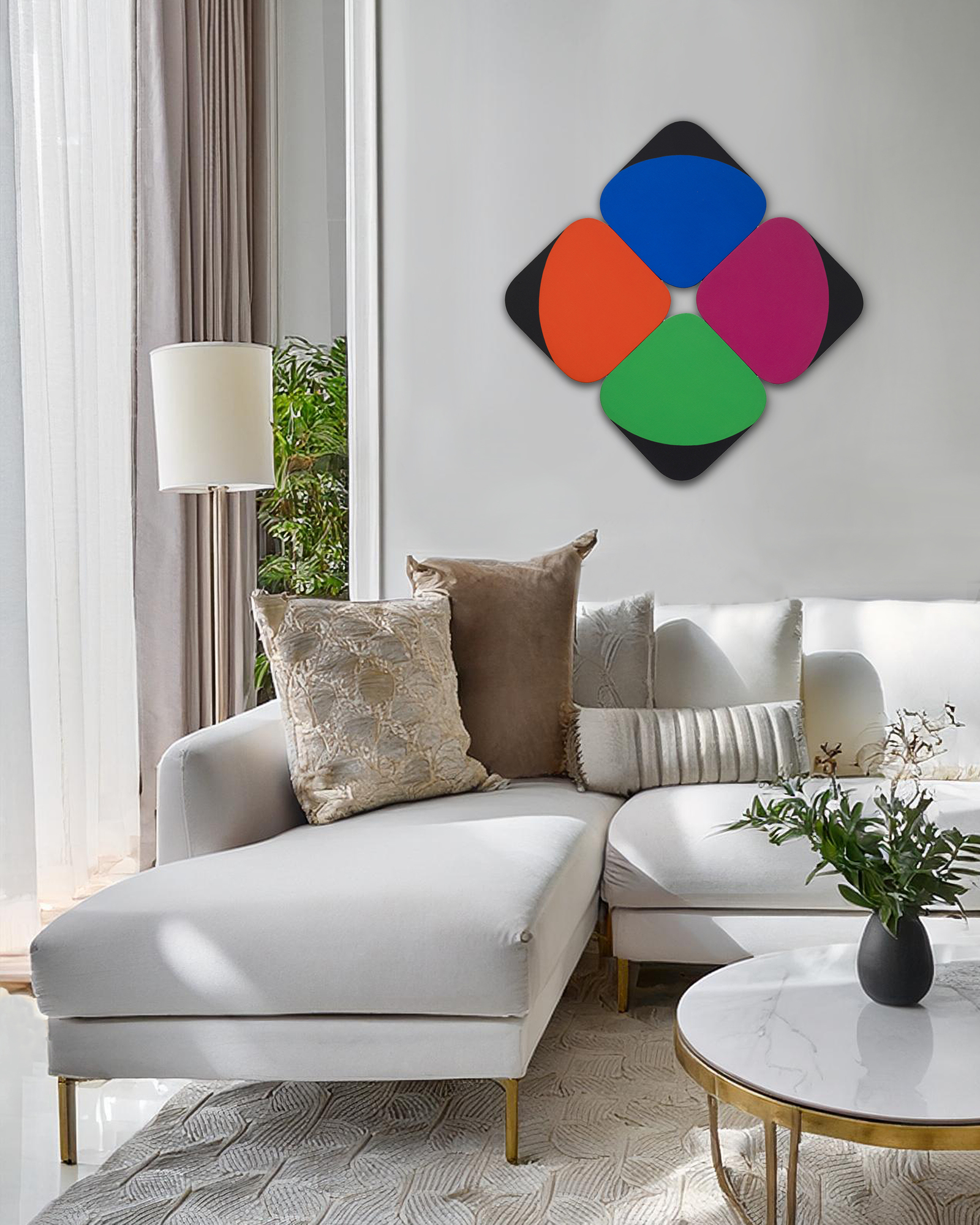
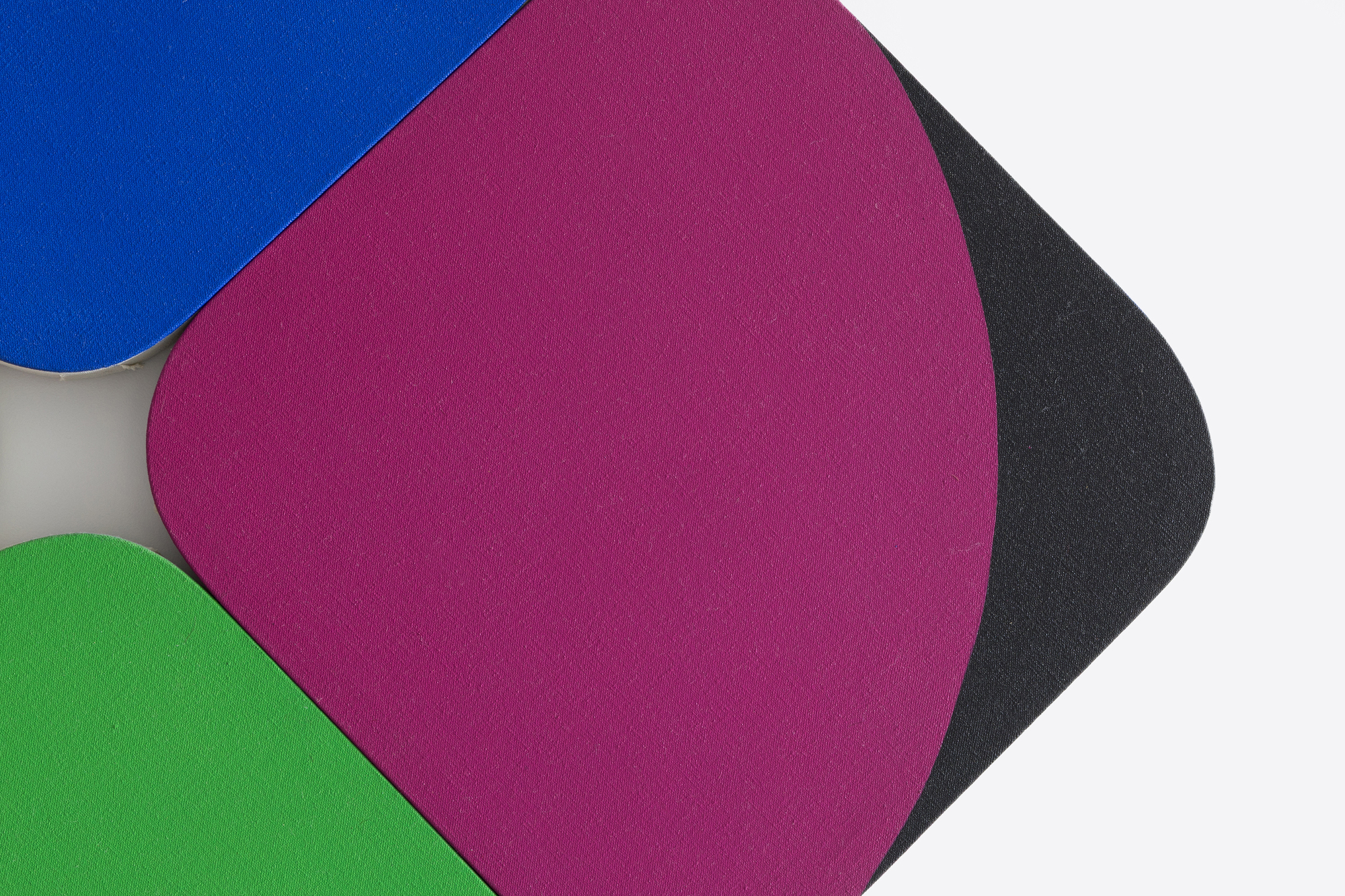
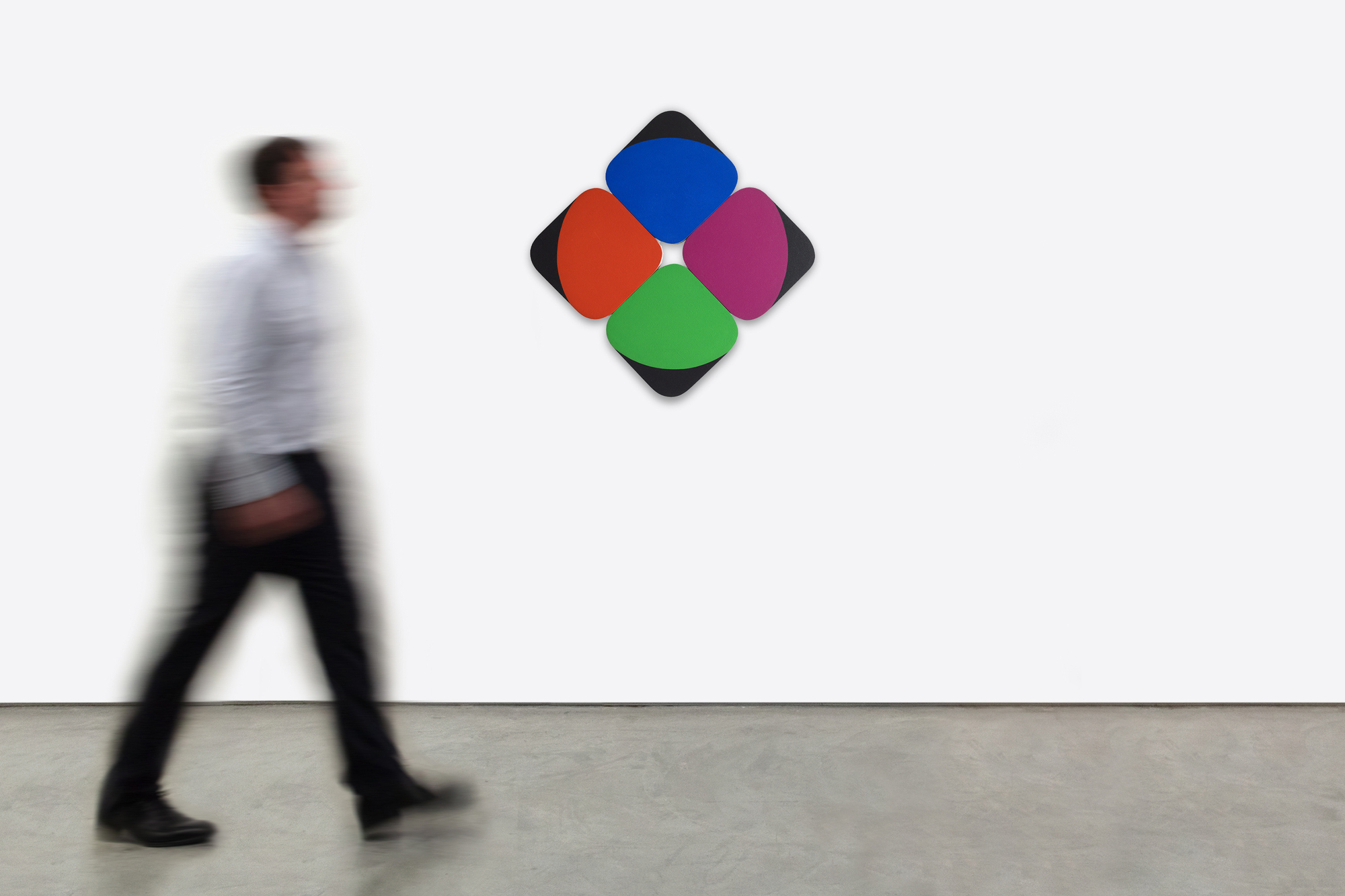
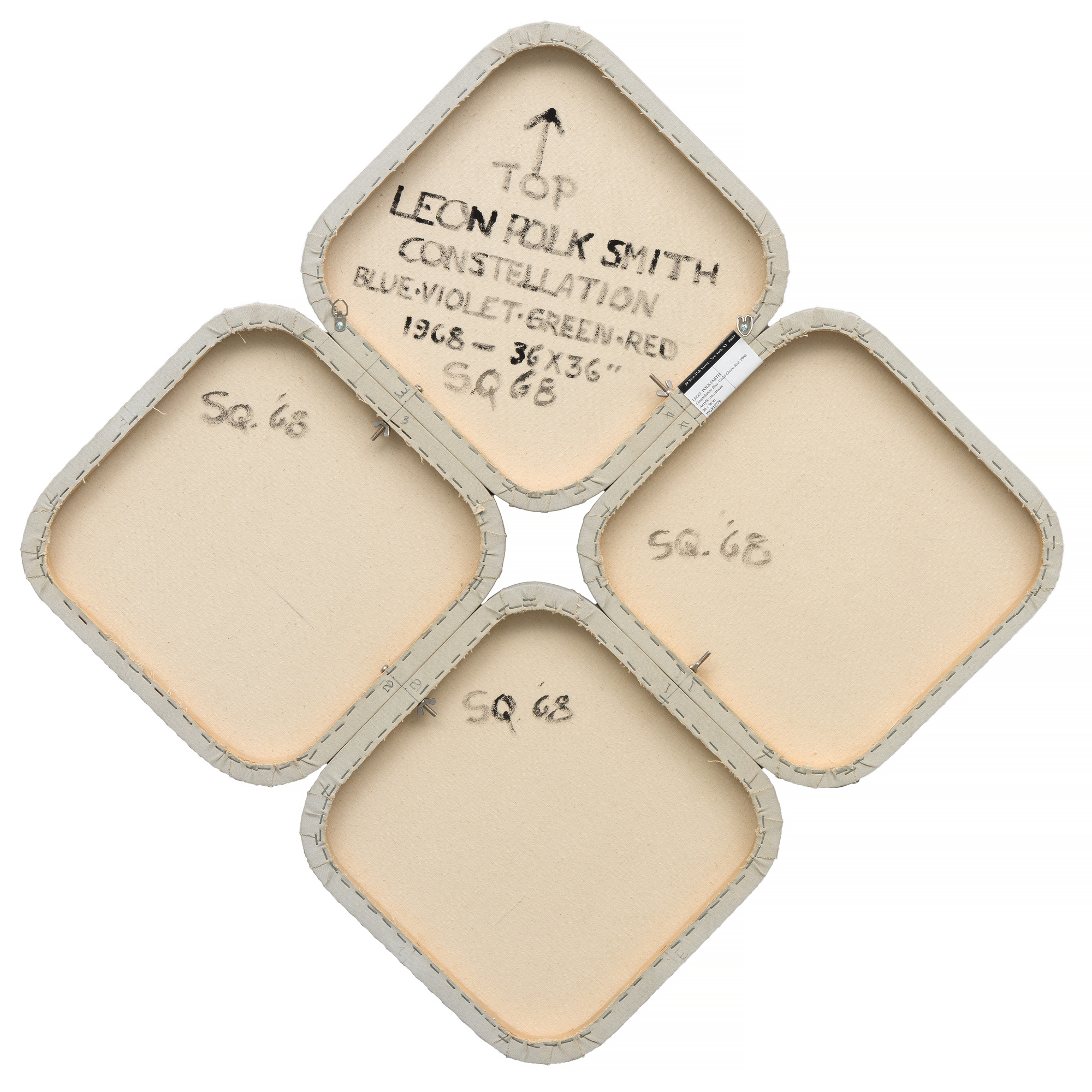
<div><font face=Lato size=3>Leon Polk Smith’s "Constellation Blue Violet Green Red" (1968) is a striking example of the artist’s radical exploration of form and color in postwar abstraction. Executed in acrylic on canvas, the work consists of four rounded-square panels arranged in a diamond formation. Each panel bears a crisp division of color: black at the outer edge, paired with one of four luminous hues—blue, violet, green, and red—creating a rhythmic interplay of symmetry and variation. </font></div><br><br><div><font face=Lato size=3> </font></div><br><br><div><font face=Lato size=3>Smith was a central figure in the development of hard-edge painting and geometric abstraction, aligned with contemporaries such as Ellsworth Kelly and Carmen Herrera. His "Constellation" series, begun in the 1960s, was groundbreaking for its use of multiple shaped canvases installed directly on the wall, eschewing traditional frames in favor of compositions that expand dynamically into surrounding space. </font></div><br><br><div><font face=Lato size=3> </font></div><br><br><div><font face=Lato size=3>While Smith was highly prolific in both works on paper and monumental single-panel paintings, multi-panel "Constellation" works remain less common within his oeuvre. Today, his paintings are represented in major institutions including The Museum of Modern Art, the Whitney Museum of American Art, and the Brooklyn Museum. In "Constellation Blue Violet Green Red", the clarity of Smith’s vision is on full display—color and geometry united in a constellation that feels both precise and expansive, disciplined yet alive with visual energy. </font></div> <div><font face=Lato size=3>Leon Polk Smith’s "Constellation Blue Violet Green Red" (1968) is a striking example of the artist’s radical exploration of form and color in postwar abstraction. Executed in acrylic on canvas, the work consists of four rounded-square panels arranged in a diamond formation. Each panel bears a crisp division of color: black at the outer edge, paired with one of four luminous hues—blue, violet, green, and red—creating a rhythmic interplay of symmetry and variation. </font></div><br><br><div><font face=Lato size=3> </font></div><br><br><div><font face=Lato size=3>Smith was a central figure in the development of hard-edge painting and geometric abstraction, aligned with contemporaries such as Ellsworth Kelly and Carmen Herrera. His "Constellation" series, begun in the 1960s, was groundbreaking for its use of multiple shaped canvases installed directly on the wall, eschewing traditional frames in favor of compositions that expand dynamically into surrounding space. </font></div><br><br><div><font face=Lato size=3> </font></div><br><br><div><font face=Lato size=3>While Smith was highly prolific in both works on paper and monumental single-panel paintings, multi-panel "Constellation" works remain less common within his oeuvre. Today, his paintings are represented in major institutions including The Museum of Modern Art, the Whitney Museum of American Art, and the Brooklyn Museum. In "Constellation Blue Violet Green Red", the clarity of Smith’s vision is on full display—color and geometry united in a constellation that feels both precise and expansive, disciplined yet alive with visual energy. </font></div> <div><font face=Lato size=3>Leon Polk Smith’s "Constellation Blue Violet Green Red" (1968) is a striking example of the artist’s radical exploration of form and color in postwar abstraction. Executed in acrylic on canvas, the work consists of four rounded-square panels arranged in a diamond formation. Each panel bears a crisp division of color: black at the outer edge, paired with one of four luminous hues—blue, violet, green, and red—creating a rhythmic interplay of symmetry and variation. </font></div><br><br><div><font face=Lato size=3> </font></div><br><br><div><font face=Lato size=3>Smith was a central figure in the development of hard-edge painting and geometric abstraction, aligned with contemporaries such as Ellsworth Kelly and Carmen Herrera. His "Constellation" series, begun in the 1960s, was groundbreaking for its use of multiple shaped canvases installed directly on the wall, eschewing traditional frames in favor of compositions that expand dynamically into surrounding space. </font></div><br><br><div><font face=Lato size=3> </font></div><br><br><div><font face=Lato size=3>While Smith was highly prolific in both works on paper and monumental single-panel paintings, multi-panel "Constellation" works remain less common within his oeuvre. Today, his paintings are represented in major institutions including The Museum of Modern Art, the Whitney Museum of American Art, and the Brooklyn Museum. In "Constellation Blue Violet Green Red", the clarity of Smith’s vision is on full display—color and geometry united in a constellation that feels both precise and expansive, disciplined yet alive with visual energy. </font></div> <div><font face=Lato size=3>Leon Polk Smith’s "Constellation Blue Violet Green Red" (1968) is a striking example of the artist’s radical exploration of form and color in postwar abstraction. Executed in acrylic on canvas, the work consists of four rounded-square panels arranged in a diamond formation. Each panel bears a crisp division of color: black at the outer edge, paired with one of four luminous hues—blue, violet, green, and red—creating a rhythmic interplay of symmetry and variation. </font></div><br><br><div><font face=Lato size=3> </font></div><br><br><div><font face=Lato size=3>Smith was a central figure in the development of hard-edge painting and geometric abstraction, aligned with contemporaries such as Ellsworth Kelly and Carmen Herrera. His "Constellation" series, begun in the 1960s, was groundbreaking for its use of multiple shaped canvases installed directly on the wall, eschewing traditional frames in favor of compositions that expand dynamically into surrounding space. </font></div><br><br><div><font face=Lato size=3> </font></div><br><br><div><font face=Lato size=3>While Smith was highly prolific in both works on paper and monumental single-panel paintings, multi-panel "Constellation" works remain less common within his oeuvre. Today, his paintings are represented in major institutions including The Museum of Modern Art, the Whitney Museum of American Art, and the Brooklyn Museum. In "Constellation Blue Violet Green Red", the clarity of Smith’s vision is on full display—color and geometry united in a constellation that feels both precise and expansive, disciplined yet alive with visual energy. </font></div> <div><font face=Lato size=3>Leon Polk Smith’s "Constellation Blue Violet Green Red" (1968) is a striking example of the artist’s radical exploration of form and color in postwar abstraction. Executed in acrylic on canvas, the work consists of four rounded-square panels arranged in a diamond formation. Each panel bears a crisp division of color: black at the outer edge, paired with one of four luminous hues—blue, violet, green, and red—creating a rhythmic interplay of symmetry and variation. </font></div><br><br><div><font face=Lato size=3> </font></div><br><br><div><font face=Lato size=3>Smith was a central figure in the development of hard-edge painting and geometric abstraction, aligned with contemporaries such as Ellsworth Kelly and Carmen Herrera. His "Constellation" series, begun in the 1960s, was groundbreaking for its use of multiple shaped canvases installed directly on the wall, eschewing traditional frames in favor of compositions that expand dynamically into surrounding space. </font></div><br><br><div><font face=Lato size=3> </font></div><br><br><div><font face=Lato size=3>While Smith was highly prolific in both works on paper and monumental single-panel paintings, multi-panel "Constellation" works remain less common within his oeuvre. Today, his paintings are represented in major institutions including The Museum of Modern Art, the Whitney Museum of American Art, and the Brooklyn Museum. In "Constellation Blue Violet Green Red", the clarity of Smith’s vision is on full display—color and geometry united in a constellation that feels both precise and expansive, disciplined yet alive with visual energy. </font></div> <div><font face=Lato size=3>Leon Polk Smith’s "Constellation Blue Violet Green Red" (1968) is a striking example of the artist’s radical exploration of form and color in postwar abstraction. Executed in acrylic on canvas, the work consists of four rounded-square panels arranged in a diamond formation. Each panel bears a crisp division of color: black at the outer edge, paired with one of four luminous hues—blue, violet, green, and red—creating a rhythmic interplay of symmetry and variation. </font></div><br><br><div><font face=Lato size=3> </font></div><br><br><div><font face=Lato size=3>Smith was a central figure in the development of hard-edge painting and geometric abstraction, aligned with contemporaries such as Ellsworth Kelly and Carmen Herrera. His "Constellation" series, begun in the 1960s, was groundbreaking for its use of multiple shaped canvases installed directly on the wall, eschewing traditional frames in favor of compositions that expand dynamically into surrounding space. </font></div><br><br><div><font face=Lato size=3> </font></div><br><br><div><font face=Lato size=3>While Smith was highly prolific in both works on paper and monumental single-panel paintings, multi-panel "Constellation" works remain less common within his oeuvre. Today, his paintings are represented in major institutions including The Museum of Modern Art, the Whitney Museum of American Art, and the Brooklyn Museum. In "Constellation Blue Violet Green Red", the clarity of Smith’s vision is on full display—color and geometry united in a constellation that feels both precise and expansive, disciplined yet alive with visual energy. </font></div> <div><font face=Lato size=3>Leon Polk Smith’s "Constellation Blue Violet Green Red" (1968) is a striking example of the artist’s radical exploration of form and color in postwar abstraction. Executed in acrylic on canvas, the work consists of four rounded-square panels arranged in a diamond formation. Each panel bears a crisp division of color: black at the outer edge, paired with one of four luminous hues—blue, violet, green, and red—creating a rhythmic interplay of symmetry and variation. </font></div><br><br><div><font face=Lato size=3> </font></div><br><br><div><font face=Lato size=3>Smith was a central figure in the development of hard-edge painting and geometric abstraction, aligned with contemporaries such as Ellsworth Kelly and Carmen Herrera. His "Constellation" series, begun in the 1960s, was groundbreaking for its use of multiple shaped canvases installed directly on the wall, eschewing traditional frames in favor of compositions that expand dynamically into surrounding space. </font></div><br><br><div><font face=Lato size=3> </font></div><br><br><div><font face=Lato size=3>While Smith was highly prolific in both works on paper and monumental single-panel paintings, multi-panel "Constellation" works remain less common within his oeuvre. Today, his paintings are represented in major institutions including The Museum of Modern Art, the Whitney Museum of American Art, and the Brooklyn Museum. In "Constellation Blue Violet Green Red", the clarity of Smith’s vision is on full display—color and geometry united in a constellation that feels both precise and expansive, disciplined yet alive with visual energy. </font></div> <div><font face=Lato size=3>Leon Polk Smith’s "Constellation Blue Violet Green Red" (1968) is a striking example of the artist’s radical exploration of form and color in postwar abstraction. Executed in acrylic on canvas, the work consists of four rounded-square panels arranged in a diamond formation. Each panel bears a crisp division of color: black at the outer edge, paired with one of four luminous hues—blue, violet, green, and red—creating a rhythmic interplay of symmetry and variation. </font></div><br><br><div><font face=Lato size=3> </font></div><br><br><div><font face=Lato size=3>Smith was a central figure in the development of hard-edge painting and geometric abstraction, aligned with contemporaries such as Ellsworth Kelly and Carmen Herrera. His "Constellation" series, begun in the 1960s, was groundbreaking for its use of multiple shaped canvases installed directly on the wall, eschewing traditional frames in favor of compositions that expand dynamically into surrounding space. </font></div><br><br><div><font face=Lato size=3> </font></div><br><br><div><font face=Lato size=3>While Smith was highly prolific in both works on paper and monumental single-panel paintings, multi-panel "Constellation" works remain less common within his oeuvre. Today, his paintings are represented in major institutions including The Museum of Modern Art, the Whitney Museum of American Art, and the Brooklyn Museum. In "Constellation Blue Violet Green Red", the clarity of Smith’s vision is on full display—color and geometry united in a constellation that feels both precise and expansive, disciplined yet alive with visual energy. </font></div> <div><font face=Lato size=3>Leon Polk Smith’s "Constellation Blue Violet Green Red" (1968) is a striking example of the artist’s radical exploration of form and color in postwar abstraction. Executed in acrylic on canvas, the work consists of four rounded-square panels arranged in a diamond formation. Each panel bears a crisp division of color: black at the outer edge, paired with one of four luminous hues—blue, violet, green, and red—creating a rhythmic interplay of symmetry and variation. </font></div><br><br><div><font face=Lato size=3> </font></div><br><br><div><font face=Lato size=3>Smith was a central figure in the development of hard-edge painting and geometric abstraction, aligned with contemporaries such as Ellsworth Kelly and Carmen Herrera. His "Constellation" series, begun in the 1960s, was groundbreaking for its use of multiple shaped canvases installed directly on the wall, eschewing traditional frames in favor of compositions that expand dynamically into surrounding space. </font></div><br><br><div><font face=Lato size=3> </font></div><br><br><div><font face=Lato size=3>While Smith was highly prolific in both works on paper and monumental single-panel paintings, multi-panel "Constellation" works remain less common within his oeuvre. Today, his paintings are represented in major institutions including The Museum of Modern Art, the Whitney Museum of American Art, and the Brooklyn Museum. In "Constellation Blue Violet Green Red", the clarity of Smith’s vision is on full display—color and geometry united in a constellation that feels both precise and expansive, disciplined yet alive with visual energy. </font></div> <div><font face=Lato size=3>Leon Polk Smith’s "Constellation Blue Violet Green Red" (1968) is a striking example of the artist’s radical exploration of form and color in postwar abstraction. Executed in acrylic on canvas, the work consists of four rounded-square panels arranged in a diamond formation. Each panel bears a crisp division of color: black at the outer edge, paired with one of four luminous hues—blue, violet, green, and red—creating a rhythmic interplay of symmetry and variation. </font></div><br><br><div><font face=Lato size=3> </font></div><br><br><div><font face=Lato size=3>Smith was a central figure in the development of hard-edge painting and geometric abstraction, aligned with contemporaries such as Ellsworth Kelly and Carmen Herrera. His "Constellation" series, begun in the 1960s, was groundbreaking for its use of multiple shaped canvases installed directly on the wall, eschewing traditional frames in favor of compositions that expand dynamically into surrounding space. </font></div><br><br><div><font face=Lato size=3> </font></div><br><br><div><font face=Lato size=3>While Smith was highly prolific in both works on paper and monumental single-panel paintings, multi-panel "Constellation" works remain less common within his oeuvre. Today, his paintings are represented in major institutions including The Museum of Modern Art, the Whitney Museum of American Art, and the Brooklyn Museum. In "Constellation Blue Violet Green Red", the clarity of Smith’s vision is on full display—color and geometry united in a constellation that feels both precise and expansive, disciplined yet alive with visual energy. </font></div>
星座 蓝 紫 绿 红196836 x 36 1/4 英寸(91.44 x 92.08 厘米) 布面丙烯
种源
利森画廊,纽约
私人收藏,购自上述画廊
里昂·波尔克·史密斯的《星座蓝紫绿红》(1968)是这位艺术家在战后抽象艺术中对形式与色彩进行激进探索的惊艳范例。这幅丙烯画布作品由四块圆角方形画板组成,呈菱形排列。 每块面板都呈现出鲜明的色彩分界:外缘为黑色,内侧则搭配四种明亮色调之一——蓝、紫、绿、红,形成对称与变化的韵律交织。


史密斯是硬边绘画与几何抽象艺术发展的核心人物,与埃尔斯沃思·凯利、卡门·埃雷拉等同时代艺术家并驾齐驱。 其始于1960年代的《星座》系列开创性地采用多幅异形画布直接安装于墙面,摒弃传统画框,使构图动态延伸至周边空间。


尽管史密斯在纸上作品与巨幅单幅画作领域均产量颇丰,但多幅联作的《星座》系列在其创作生涯中仍属罕见。 如今,他的画作被各大机构收藏,包括纽约现代艺术博物馆、惠特尼美国艺术博物馆和布鲁克林博物馆。在《星座蓝紫绿红》中,史密斯的艺术视野清晰展现——色彩与几何在星座中交融,既精准又开阔,既严谨又充满视觉能量。
询问