返回

JULES OLITSKI (1922-2007)

 
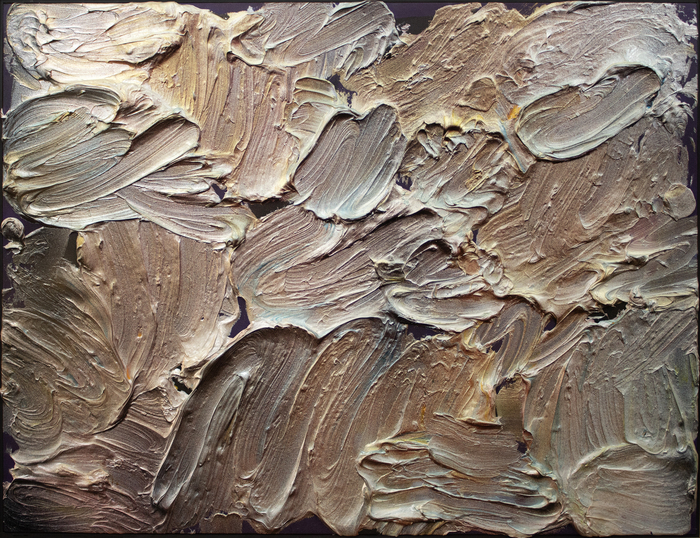
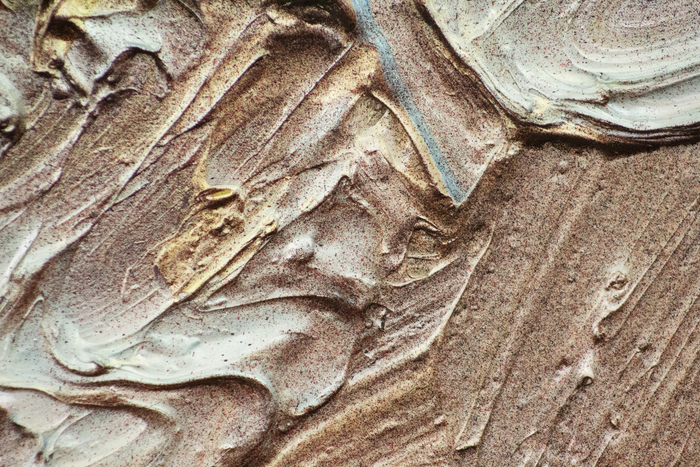
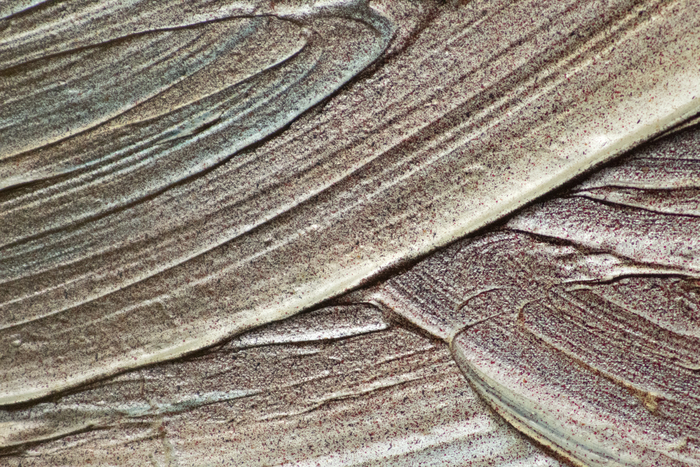
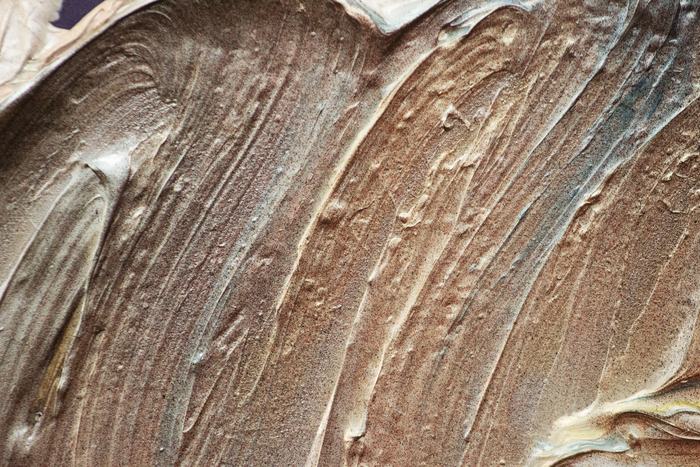
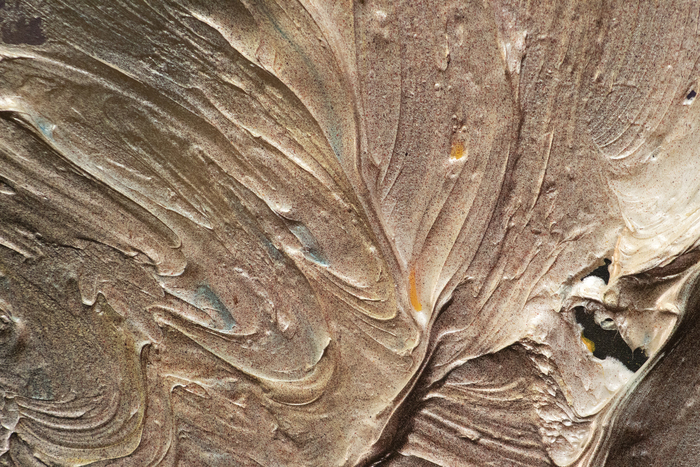
<div><font face=HelveticaNeue size=3 color="#191919">Jules Olitski’s <em>Beauty of Eve</em> (1989) exemplifies the artist’s signature “mitt” paintings, where color field abstraction, gesture, and texture converge into a richly tactile surface. Thick layers of acrylic are applied with expressive movement using unconventional tools such as mitts, brooms, and squeegees to explore the physical depth and material presence of paint. <em>Beauty of Eve</em> captures the height of this experimentation.</font></div><br><br><div> </div><br><br><div><font face=HelveticaNeue size=3 color="#191919">Olitski received major recognition at the Metropolitan Museum of Art in 1969, where he became the first living artist given a solo exhibition at the museum. His work is represented in many major permanent and public collections, including The Boston Museum of Fine Arts, Boston, MA; The Art Institute of Chicago, Chicago, IL; The Hirshhorn Museum and Sculpture Garden, Washington, D.C.; The Museum of Fine Arts, Houston, TX; Tate Modern, London, UK; Toledo Museum of Art, Toledo, OH; The Metropolitan Museum of Art; The Museum of Modern Art; The Solomon R. Guggenheim Museum; and The Whitney Museum of American Art, New York</font></div> <div><font face=HelveticaNeue size=3 color="#191919">Jules Olitski’s <em>Beauty of Eve</em> (1989) exemplifies the artist’s signature “mitt” paintings, where color field abstraction, gesture, and texture converge into a richly tactile surface. Thick layers of acrylic are applied with expressive movement using unconventional tools such as mitts, brooms, and squeegees to explore the physical depth and material presence of paint. <em>Beauty of Eve</em> captures the height of this experimentation.</font></div><br><br><div> </div><br><br><div><font face=HelveticaNeue size=3 color="#191919">Olitski received major recognition at the Metropolitan Museum of Art in 1969, where he became the first living artist given a solo exhibition at the museum. His work is represented in many major permanent and public collections, including The Boston Museum of Fine Arts, Boston, MA; The Art Institute of Chicago, Chicago, IL; The Hirshhorn Museum and Sculpture Garden, Washington, D.C.; The Museum of Fine Arts, Houston, TX; Tate Modern, London, UK; Toledo Museum of Art, Toledo, OH; The Metropolitan Museum of Art; The Museum of Modern Art; The Solomon R. Guggenheim Museum; and The Whitney Museum of American Art, New York</font></div> <div><font face=HelveticaNeue size=3 color="#191919">Jules Olitski’s <em>Beauty of Eve</em> (1989) exemplifies the artist’s signature “mitt” paintings, where color field abstraction, gesture, and texture converge into a richly tactile surface. Thick layers of acrylic are applied with expressive movement using unconventional tools such as mitts, brooms, and squeegees to explore the physical depth and material presence of paint. <em>Beauty of Eve</em> captures the height of this experimentation.</font></div><br><br><div> </div><br><br><div><font face=HelveticaNeue size=3 color="#191919">Olitski received major recognition at the Metropolitan Museum of Art in 1969, where he became the first living artist given a solo exhibition at the museum. His work is represented in many major permanent and public collections, including The Boston Museum of Fine Arts, Boston, MA; The Art Institute of Chicago, Chicago, IL; The Hirshhorn Museum and Sculpture Garden, Washington, D.C.; The Museum of Fine Arts, Houston, TX; Tate Modern, London, UK; Toledo Museum of Art, Toledo, OH; The Metropolitan Museum of Art; The Museum of Modern Art; The Solomon R. Guggenheim Museum; and The Whitney Museum of American Art, New York</font></div> <div><font face=HelveticaNeue size=3 color="#191919">Jules Olitski’s <em>Beauty of Eve</em> (1989) exemplifies the artist’s signature “mitt” paintings, where color field abstraction, gesture, and texture converge into a richly tactile surface. Thick layers of acrylic are applied with expressive movement using unconventional tools such as mitts, brooms, and squeegees to explore the physical depth and material presence of paint. <em>Beauty of Eve</em> captures the height of this experimentation.</font></div><br><br><div> </div><br><br><div><font face=HelveticaNeue size=3 color="#191919">Olitski received major recognition at the Metropolitan Museum of Art in 1969, where he became the first living artist given a solo exhibition at the museum. His work is represented in many major permanent and public collections, including The Boston Museum of Fine Arts, Boston, MA; The Art Institute of Chicago, Chicago, IL; The Hirshhorn Museum and Sculpture Garden, Washington, D.C.; The Museum of Fine Arts, Houston, TX; Tate Modern, London, UK; Toledo Museum of Art, Toledo, OH; The Metropolitan Museum of Art; The Museum of Modern Art; The Solomon R. Guggenheim Museum; and The Whitney Museum of American Art, New York</font></div> <div><font face=HelveticaNeue size=3 color="#191919">Jules Olitski’s <em>Beauty of Eve</em> (1989) exemplifies the artist’s signature “mitt” paintings, where color field abstraction, gesture, and texture converge into a richly tactile surface. Thick layers of acrylic are applied with expressive movement using unconventional tools such as mitts, brooms, and squeegees to explore the physical depth and material presence of paint. <em>Beauty of Eve</em> captures the height of this experimentation.</font></div><br><br><div> </div><br><br><div><font face=HelveticaNeue size=3 color="#191919">Olitski received major recognition at the Metropolitan Museum of Art in 1969, where he became the first living artist given a solo exhibition at the museum. His work is represented in many major permanent and public collections, including The Boston Museum of Fine Arts, Boston, MA; The Art Institute of Chicago, Chicago, IL; The Hirshhorn Museum and Sculpture Garden, Washington, D.C.; The Museum of Fine Arts, Houston, TX; Tate Modern, London, UK; Toledo Museum of Art, Toledo, OH; The Metropolitan Museum of Art; The Museum of Modern Art; The Solomon R. Guggenheim Museum; and The Whitney Museum of American Art, New York</font></div> <div><font face=HelveticaNeue size=3 color="#191919">Jules Olitski’s <em>Beauty of Eve</em> (1989) exemplifies the artist’s signature “mitt” paintings, where color field abstraction, gesture, and texture converge into a richly tactile surface. Thick layers of acrylic are applied with expressive movement using unconventional tools such as mitts, brooms, and squeegees to explore the physical depth and material presence of paint. <em>Beauty of Eve</em> captures the height of this experimentation.</font></div><br><br><div> </div><br><br><div><font face=HelveticaNeue size=3 color="#191919">Olitski received major recognition at the Metropolitan Museum of Art in 1969, where he became the first living artist given a solo exhibition at the museum. His work is represented in many major permanent and public collections, including The Boston Museum of Fine Arts, Boston, MA; The Art Institute of Chicago, Chicago, IL; The Hirshhorn Museum and Sculpture Garden, Washington, D.C.; The Museum of Fine Arts, Houston, TX; Tate Modern, London, UK; Toledo Museum of Art, Toledo, OH; The Metropolitan Museum of Art; The Museum of Modern Art; The Solomon R. Guggenheim Museum; and The Whitney Museum of American Art, New York</font></div> <div><font face=HelveticaNeue size=3 color="#191919">Jules Olitski’s <em>Beauty of Eve</em> (1989) exemplifies the artist’s signature “mitt” paintings, where color field abstraction, gesture, and texture converge into a richly tactile surface. Thick layers of acrylic are applied with expressive movement using unconventional tools such as mitts, brooms, and squeegees to explore the physical depth and material presence of paint. <em>Beauty of Eve</em> captures the height of this experimentation.</font></div><br><br><div> </div><br><br><div><font face=HelveticaNeue size=3 color="#191919">Olitski received major recognition at the Metropolitan Museum of Art in 1969, where he became the first living artist given a solo exhibition at the museum. His work is represented in many major permanent and public collections, including The Boston Museum of Fine Arts, Boston, MA; The Art Institute of Chicago, Chicago, IL; The Hirshhorn Museum and Sculpture Garden, Washington, D.C.; The Museum of Fine Arts, Houston, TX; Tate Modern, London, UK; Toledo Museum of Art, Toledo, OH; The Metropolitan Museum of Art; The Museum of Modern Art; The Solomon R. Guggenheim Museum; and The Whitney Museum of American Art, New York</font></div>
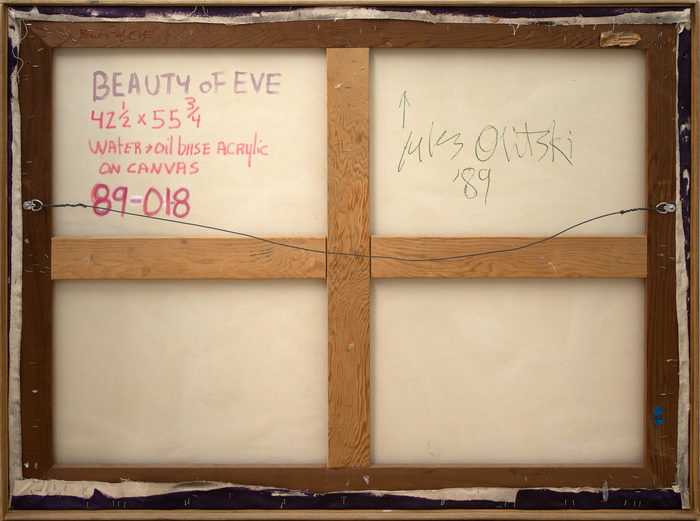
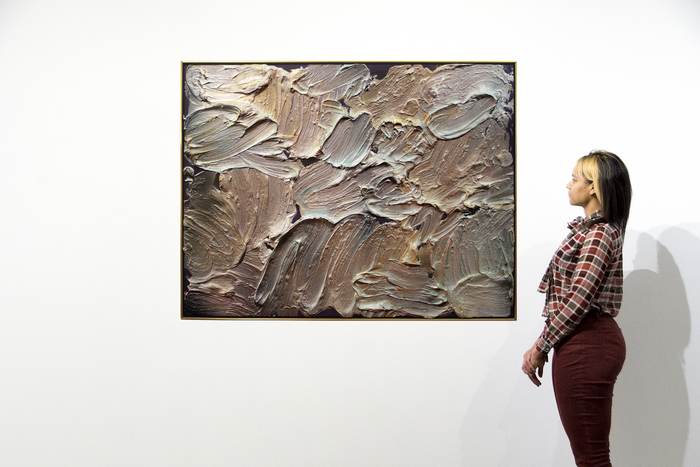
夏娃之美198942 1/2 x 55 3/4 英寸(107.95 x 141.61 厘米)。(107.95 x 141.61厘米)水和油基丙烯酸画布
种源
藝術家遺產
私人收藏
朱尔斯·奥利茨基的《夏娃之美》(1989)堪称其标志性"手套画"的典范之作,色彩场抽象、笔触与质感在此交融,形成极具触感张力的画面。艺术家运用手套、扫帚、刮刀等非常规工具,以富有表现力的动作涂抹厚重丙烯颜料,探索颜料的物理深度与物质存在感。《夏娃之美》正是这种实验精神的巅峰之作。


1969年,奥利茨基在纽约大都会艺术博物馆获得重大认可,成为该馆首位获举办个展的在世艺术家。其作品被众多重要永久性及公共收藏机构珍藏,包括:波士顿美术博物馆(马萨诸塞州波士顿)、芝加哥艺术学院(伊利诺伊州芝加哥)、赫希洪博物馆与雕塑园(华盛顿特区)、 休斯顿美术博物馆(得克萨斯州);泰特现代美术馆(英国伦敦);托莱多艺术博物馆(俄亥俄州托莱多市);大都会艺术博物馆;现代艺术博物馆;所罗门·R·古根海姆博物馆;以及惠特尼美国艺术博物馆(纽约)。
询问