贾斯珀-约翰斯 (生于 1930 年)

 
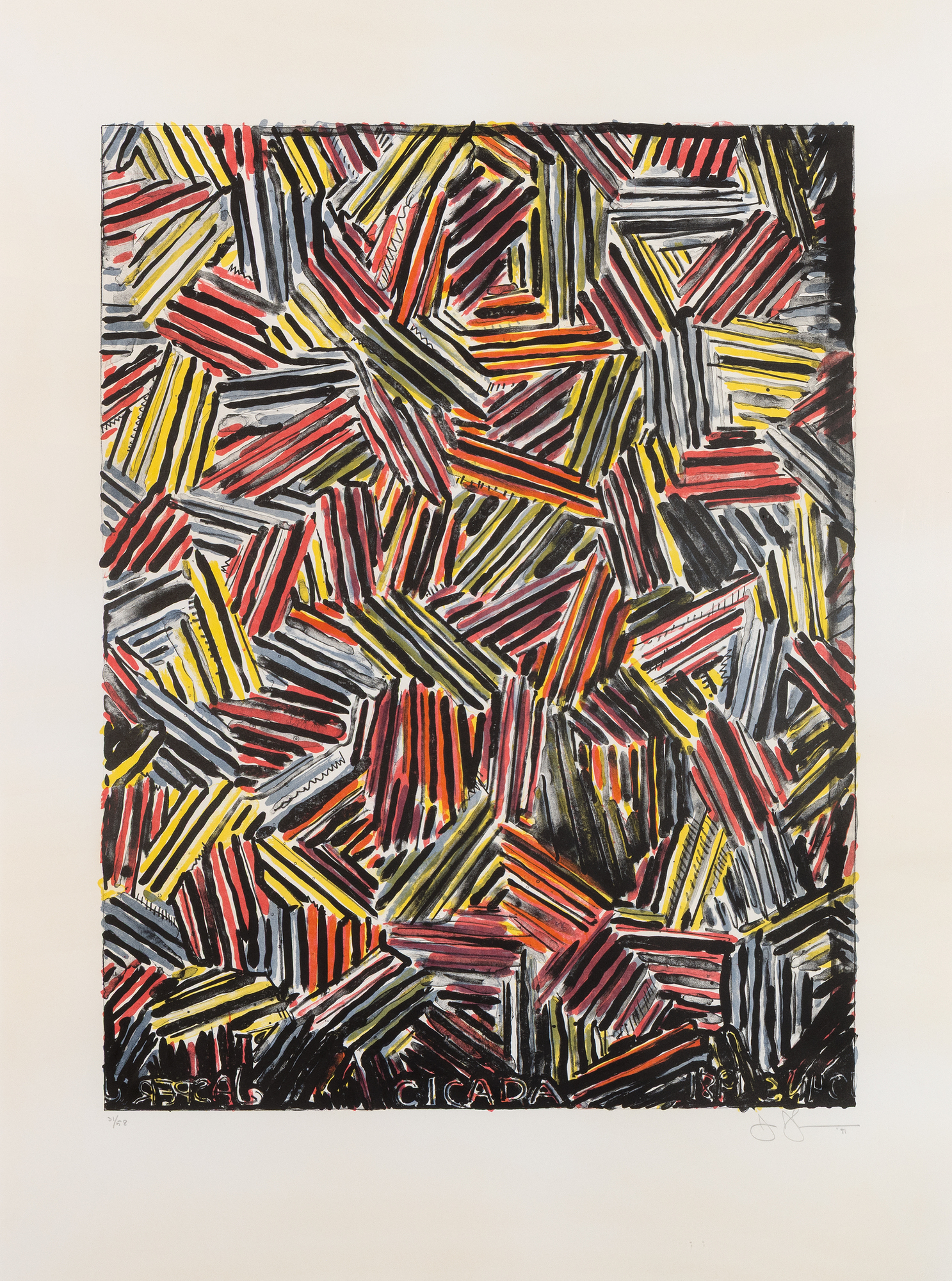
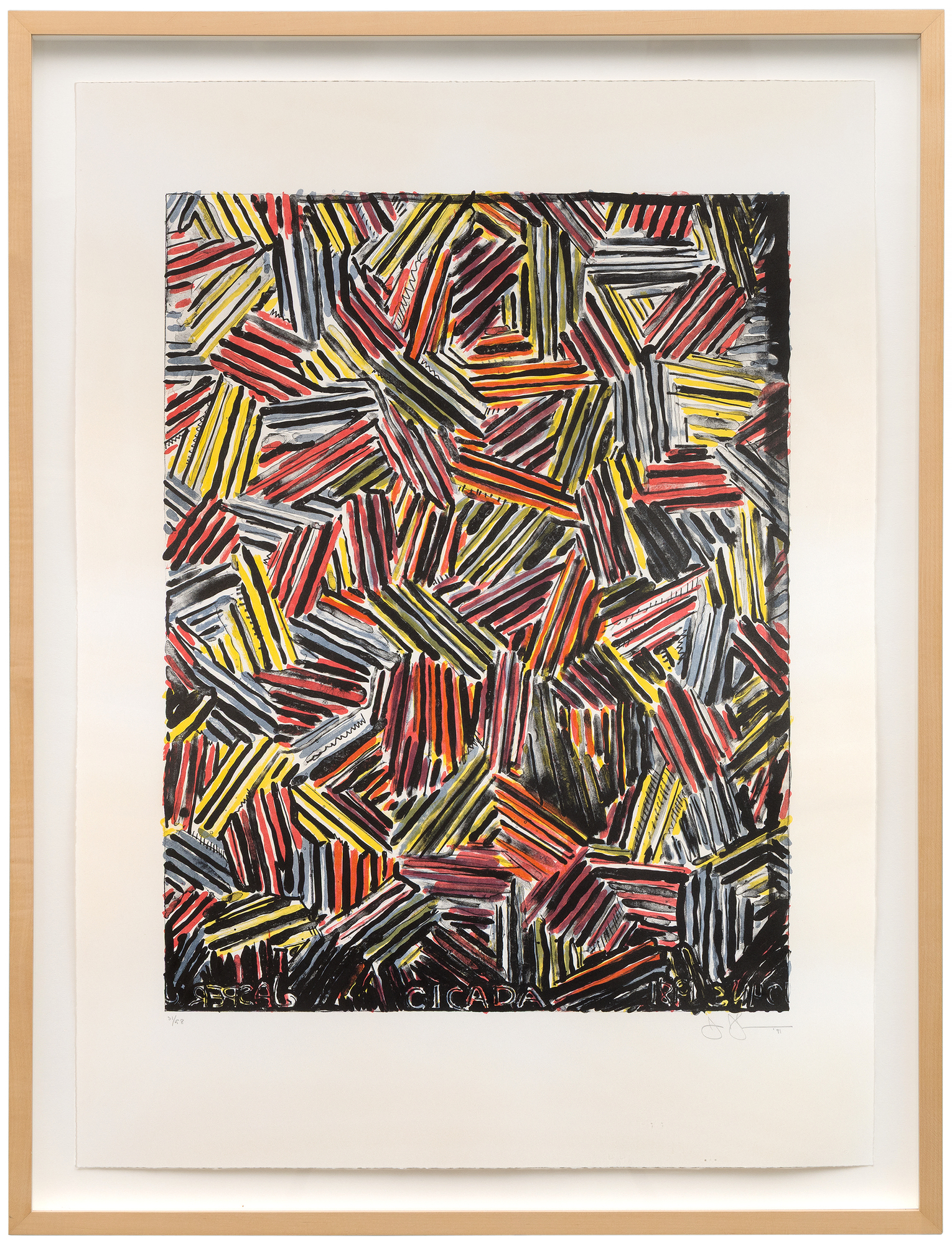
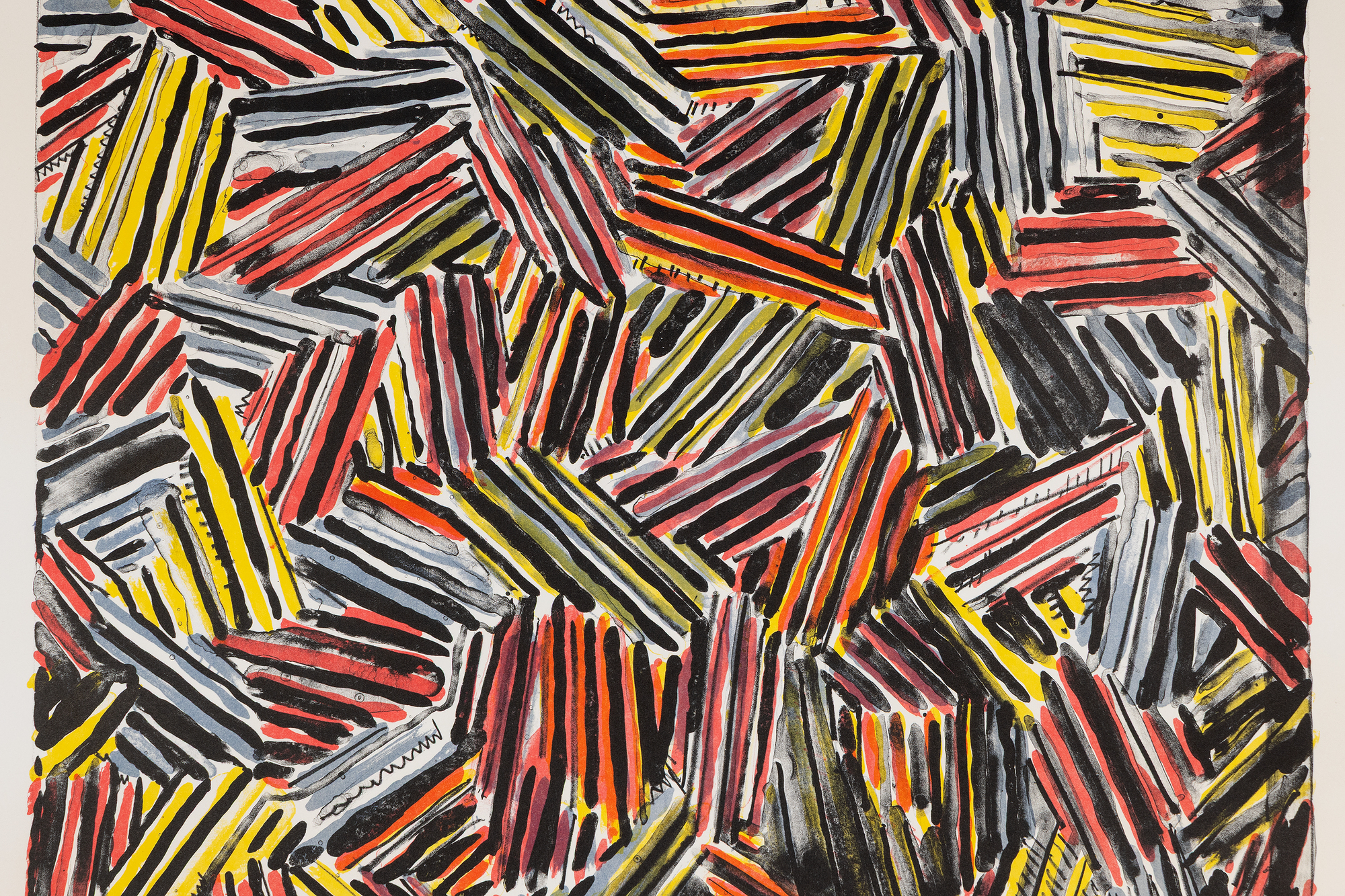
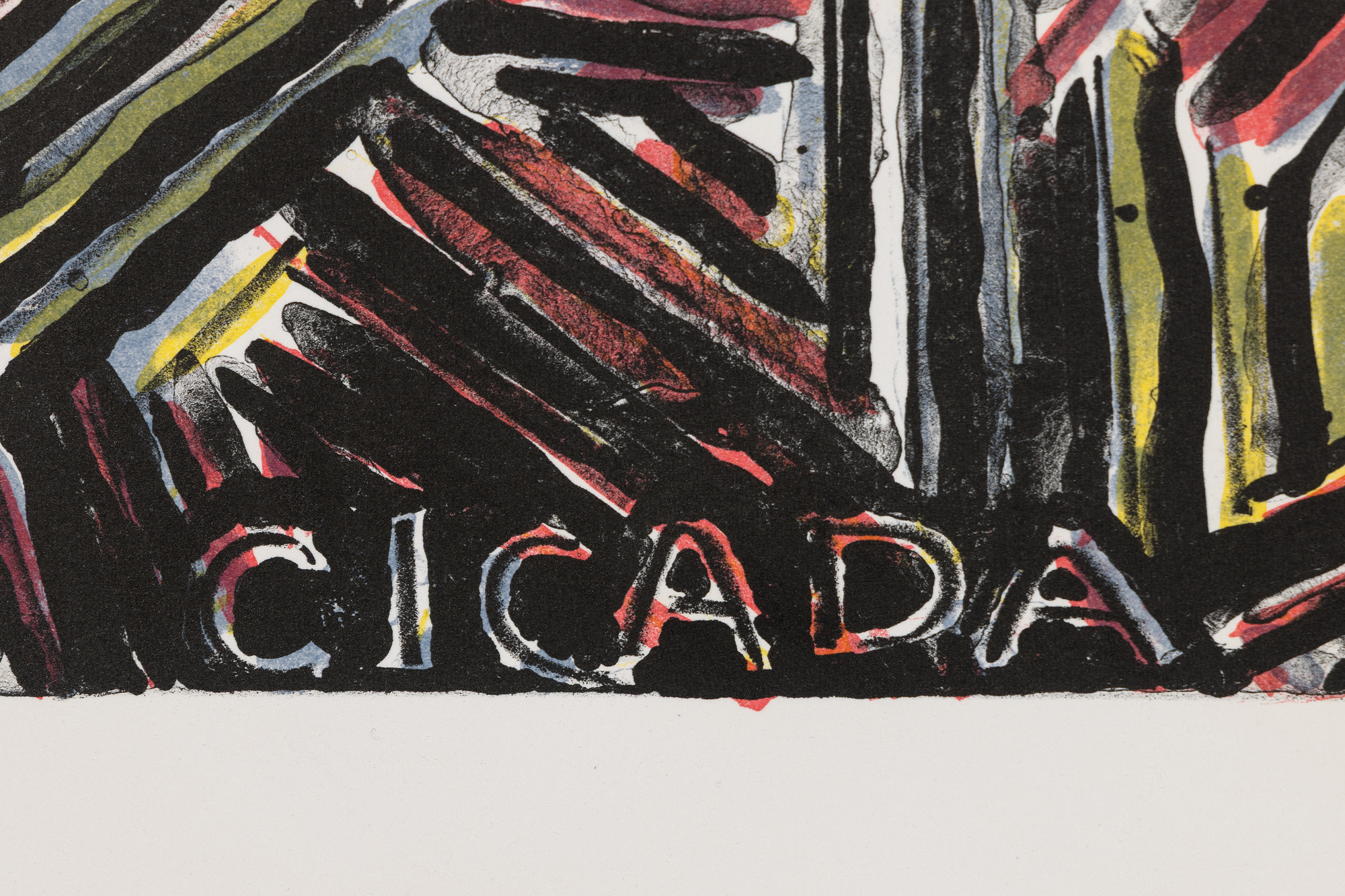
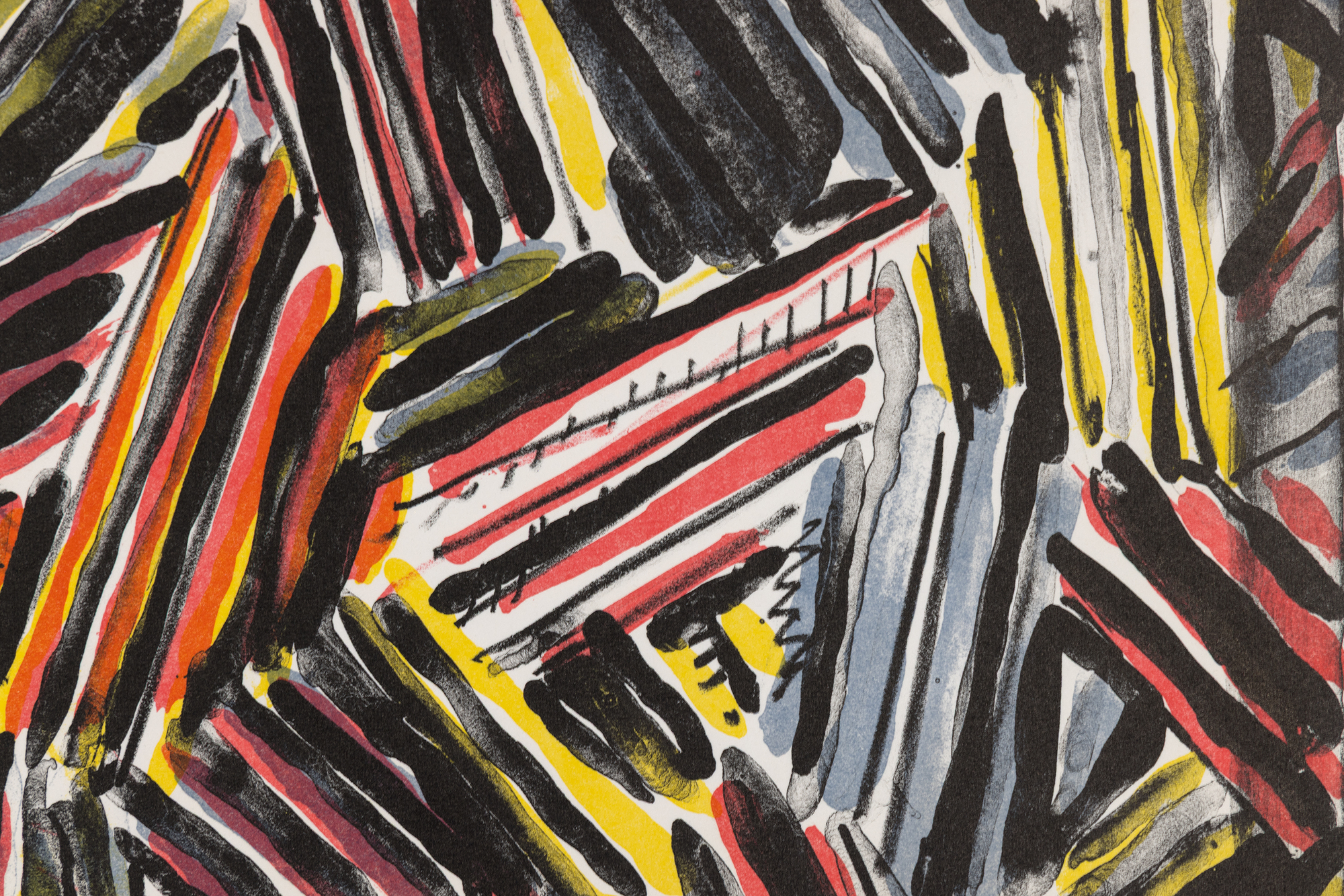
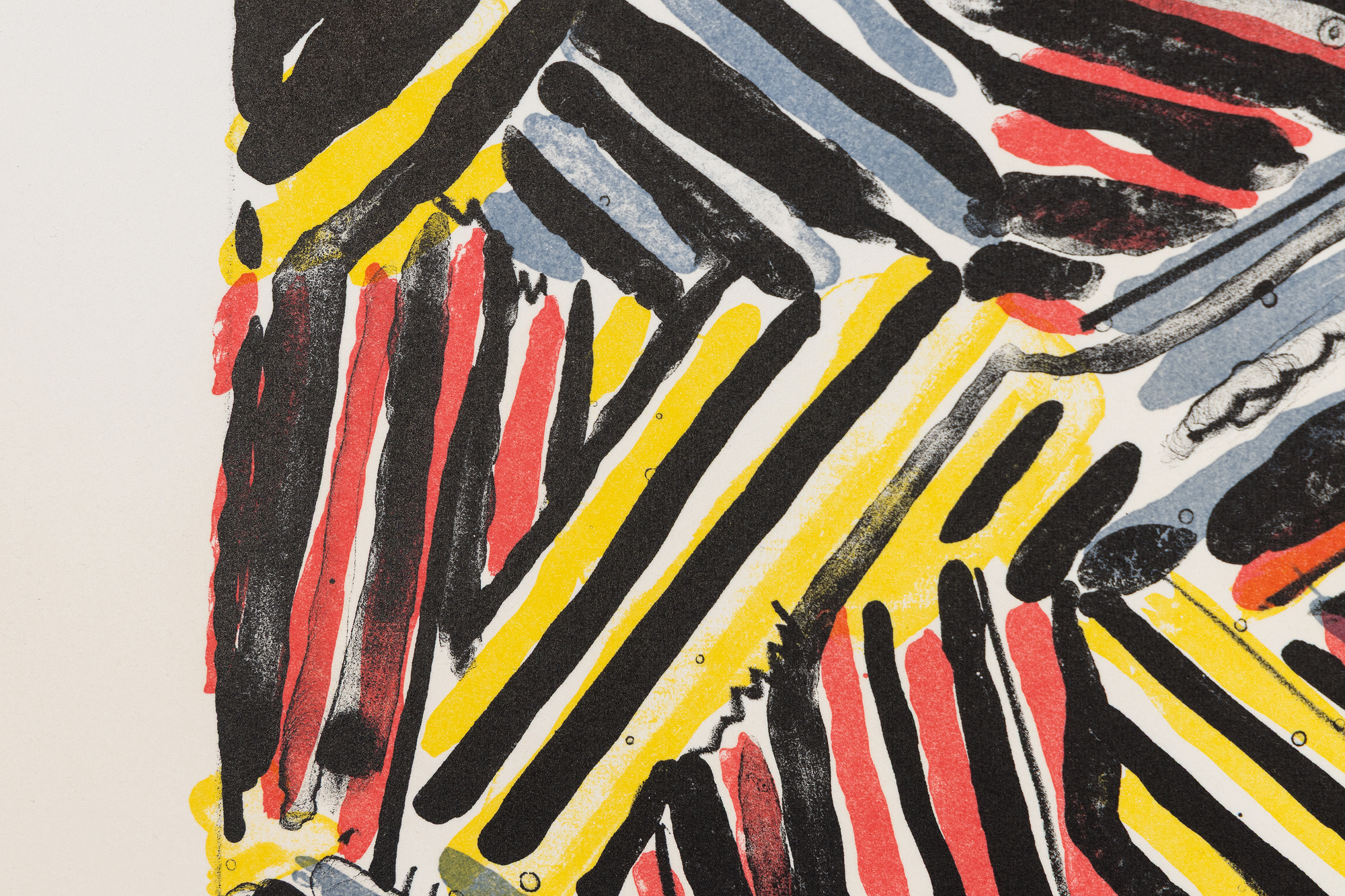
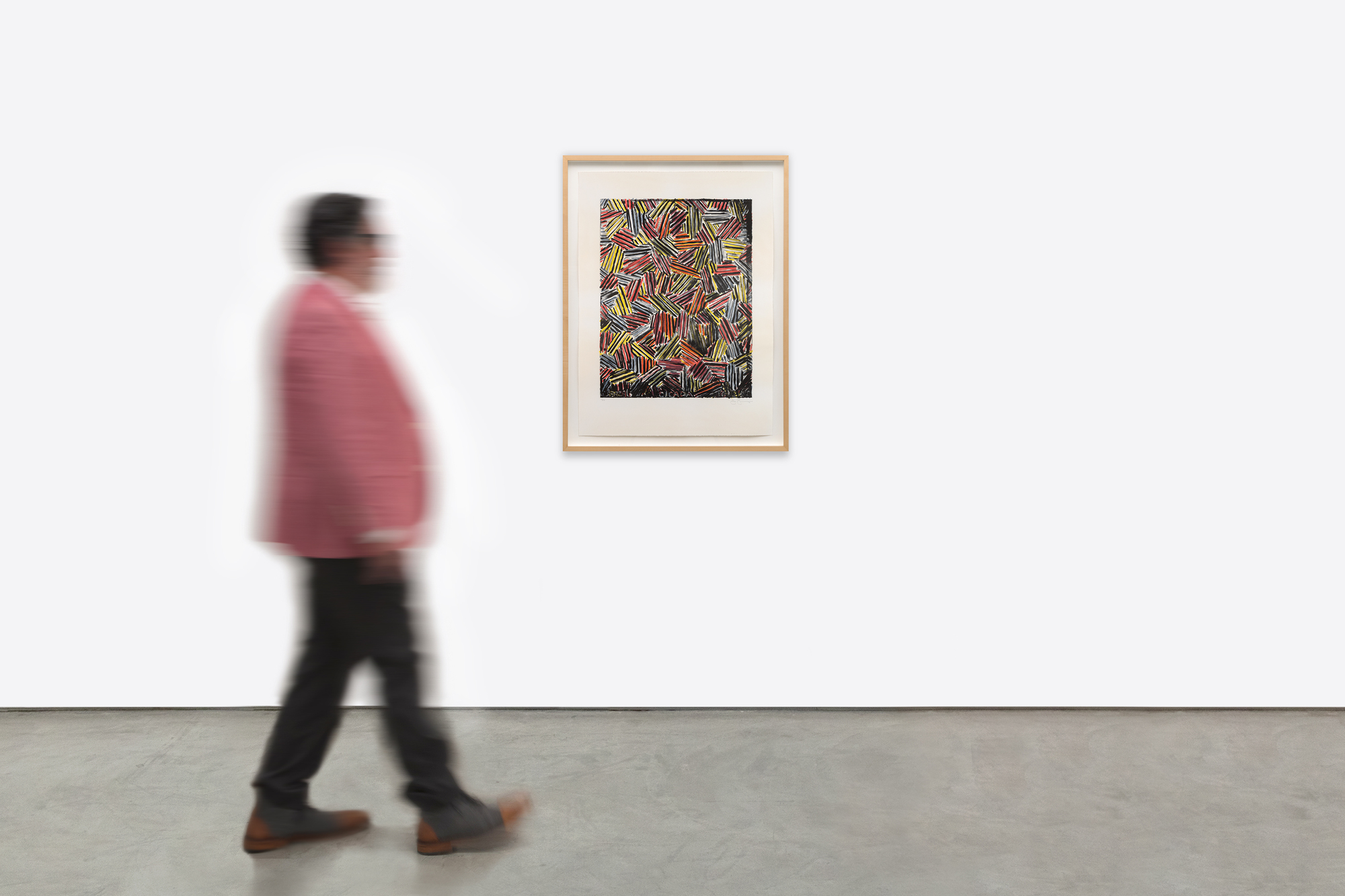
<div><font face=Lato size=3 color=black>Jasper Johns’ <em>Cicada</em> (1981) is a color lithograph published by Gemini G.E.L. in an edition of 58. The title evokes the insect’s cyclical emergence, echoing Johns’s interest in recurrence and transformation.</font></div><br><br><div> </div><br><br><div><font face=Lato size=3 color=black>Created during his “crosshatch” period (1972–83), the work exemplifies his move from flags and targets toward abstract systems of mark-making. Through layered color and texture, Johns explores the possibilities of lithography as a medium of repetition and variation.</font></div><br><br><div> </div><br><br><div><font face=Lato size=3 color=black>Impressions of <em>Cicada</em> are held in the collections of the Museum of Modern Art and the Whitney Museum of American Art, underscoring its importance within Johns’s printmaking practice.</font></div> <div><font face=Lato size=3 color=black>Jasper Johns’ <em>Cicada</em> (1981) is a color lithograph published by Gemini G.E.L. in an edition of 58. The title evokes the insect’s cyclical emergence, echoing Johns’s interest in recurrence and transformation.</font></div><br><br><div> </div><br><br><div><font face=Lato size=3 color=black>Created during his “crosshatch” period (1972–83), the work exemplifies his move from flags and targets toward abstract systems of mark-making. Through layered color and texture, Johns explores the possibilities of lithography as a medium of repetition and variation.</font></div><br><br><div> </div><br><br><div><font face=Lato size=3 color=black>Impressions of <em>Cicada</em> are held in the collections of the Museum of Modern Art and the Whitney Museum of American Art, underscoring its importance within Johns’s printmaking practice.</font></div> <div><font face=Lato size=3 color=black>Jasper Johns’ <em>Cicada</em> (1981) is a color lithograph published by Gemini G.E.L. in an edition of 58. The title evokes the insect’s cyclical emergence, echoing Johns’s interest in recurrence and transformation.</font></div><br><br><div> </div><br><br><div><font face=Lato size=3 color=black>Created during his “crosshatch” period (1972–83), the work exemplifies his move from flags and targets toward abstract systems of mark-making. Through layered color and texture, Johns explores the possibilities of lithography as a medium of repetition and variation.</font></div><br><br><div> </div><br><br><div><font face=Lato size=3 color=black>Impressions of <em>Cicada</em> are held in the collections of the Museum of Modern Art and the Whitney Museum of American Art, underscoring its importance within Johns’s printmaking practice.</font></div> <div><font face=Lato size=3 color=black>Jasper Johns’ <em>Cicada</em> (1981) is a color lithograph published by Gemini G.E.L. in an edition of 58. The title evokes the insect’s cyclical emergence, echoing Johns’s interest in recurrence and transformation.</font></div><br><br><div> </div><br><br><div><font face=Lato size=3 color=black>Created during his “crosshatch” period (1972–83), the work exemplifies his move from flags and targets toward abstract systems of mark-making. Through layered color and texture, Johns explores the possibilities of lithography as a medium of repetition and variation.</font></div><br><br><div> </div><br><br><div><font face=Lato size=3 color=black>Impressions of <em>Cicada</em> are held in the collections of the Museum of Modern Art and the Whitney Museum of American Art, underscoring its importance within Johns’s printmaking practice.</font></div> <div><font face=Lato size=3 color=black>Jasper Johns’ <em>Cicada</em> (1981) is a color lithograph published by Gemini G.E.L. in an edition of 58. The title evokes the insect’s cyclical emergence, echoing Johns’s interest in recurrence and transformation.</font></div><br><br><div> </div><br><br><div><font face=Lato size=3 color=black>Created during his “crosshatch” period (1972–83), the work exemplifies his move from flags and targets toward abstract systems of mark-making. Through layered color and texture, Johns explores the possibilities of lithography as a medium of repetition and variation.</font></div><br><br><div> </div><br><br><div><font face=Lato size=3 color=black>Impressions of <em>Cicada</em> are held in the collections of the Museum of Modern Art and the Whitney Museum of American Art, underscoring its importance within Johns’s printmaking practice.</font></div> <div><font face=Lato size=3 color=black>Jasper Johns’ <em>Cicada</em> (1981) is a color lithograph published by Gemini G.E.L. in an edition of 58. The title evokes the insect’s cyclical emergence, echoing Johns’s interest in recurrence and transformation.</font></div><br><br><div> </div><br><br><div><font face=Lato size=3 color=black>Created during his “crosshatch” period (1972–83), the work exemplifies his move from flags and targets toward abstract systems of mark-making. Through layered color and texture, Johns explores the possibilities of lithography as a medium of repetition and variation.</font></div><br><br><div> </div><br><br><div><font face=Lato size=3 color=black>Impressions of <em>Cicada</em> are held in the collections of the Museum of Modern Art and the Whitney Museum of American Art, underscoring its importance within Johns’s printmaking practice.</font></div> <div><font face=Lato size=3 color=black>Jasper Johns’ <em>Cicada</em> (1981) is a color lithograph published by Gemini G.E.L. in an edition of 58. The title evokes the insect’s cyclical emergence, echoing Johns’s interest in recurrence and transformation.</font></div><br><br><div> </div><br><br><div><font face=Lato size=3 color=black>Created during his “crosshatch” period (1972–83), the work exemplifies his move from flags and targets toward abstract systems of mark-making. Through layered color and texture, Johns explores the possibilities of lithography as a medium of repetition and variation.</font></div><br><br><div> </div><br><br><div><font face=Lato size=3 color=black>Impressions of <em>Cicada</em> are held in the collections of the Museum of Modern Art and the Whitney Museum of American Art, underscoring its importance within Johns’s printmaking practice.</font></div> <div><font face=Lato size=3 color=black>Jasper Johns’ <em>Cicada</em> (1981) is a color lithograph published by Gemini G.E.L. in an edition of 58. The title evokes the insect’s cyclical emergence, echoing Johns’s interest in recurrence and transformation.</font></div><br><br><div> </div><br><br><div><font face=Lato size=3 color=black>Created during his “crosshatch” period (1972–83), the work exemplifies his move from flags and targets toward abstract systems of mark-making. Through layered color and texture, Johns explores the possibilities of lithography as a medium of repetition and variation.</font></div><br><br><div> </div><br><br><div><font face=Lato size=3 color=black>Impressions of <em>Cicada</em> are held in the collections of the Museum of Modern Art and the Whitney Museum of American Art, underscoring its importance within Johns’s printmaking practice.</font></div> <div><font face=Lato size=3 color=black>Jasper Johns’ <em>Cicada</em> (1981) is a color lithograph published by Gemini G.E.L. in an edition of 58. The title evokes the insect’s cyclical emergence, echoing Johns’s interest in recurrence and transformation.</font></div><br><br><div> </div><br><br><div><font face=Lato size=3 color=black>Created during his “crosshatch” period (1972–83), the work exemplifies his move from flags and targets toward abstract systems of mark-making. Through layered color and texture, Johns explores the possibilities of lithography as a medium of repetition and variation.</font></div><br><br><div> </div><br><br><div><font face=Lato size=3 color=black>Impressions of <em>Cicada</em> are held in the collections of the Museum of Modern Art and the Whitney Museum of American Art, underscoring its importance within Johns’s printmaking practice.</font></div> <div><font face=Lato size=3 color=black>Jasper Johns’ <em>Cicada</em> (1981) is a color lithograph published by Gemini G.E.L. in an edition of 58. The title evokes the insect’s cyclical emergence, echoing Johns’s interest in recurrence and transformation.</font></div><br><br><div> </div><br><br><div><font face=Lato size=3 color=black>Created during his “crosshatch” period (1972–83), the work exemplifies his move from flags and targets toward abstract systems of mark-making. Through layered color and texture, Johns explores the possibilities of lithography as a medium of repetition and variation.</font></div><br><br><div> </div><br><br><div><font face=Lato size=3 color=black>Impressions of <em>Cicada</em> are held in the collections of the Museum of Modern Art and the Whitney Museum of American Art, underscoring its importance within Johns’s printmaking practice.</font></div>
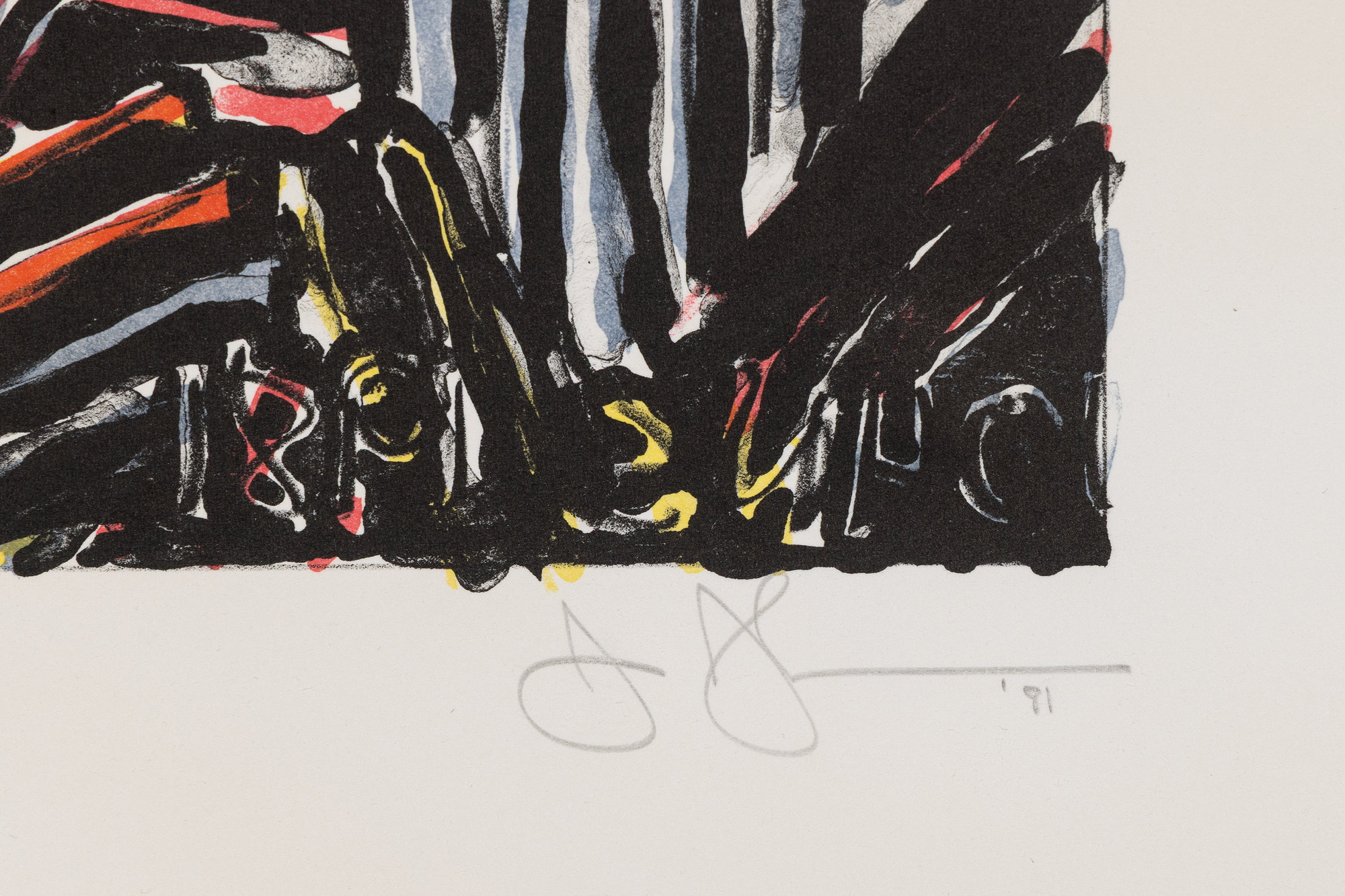
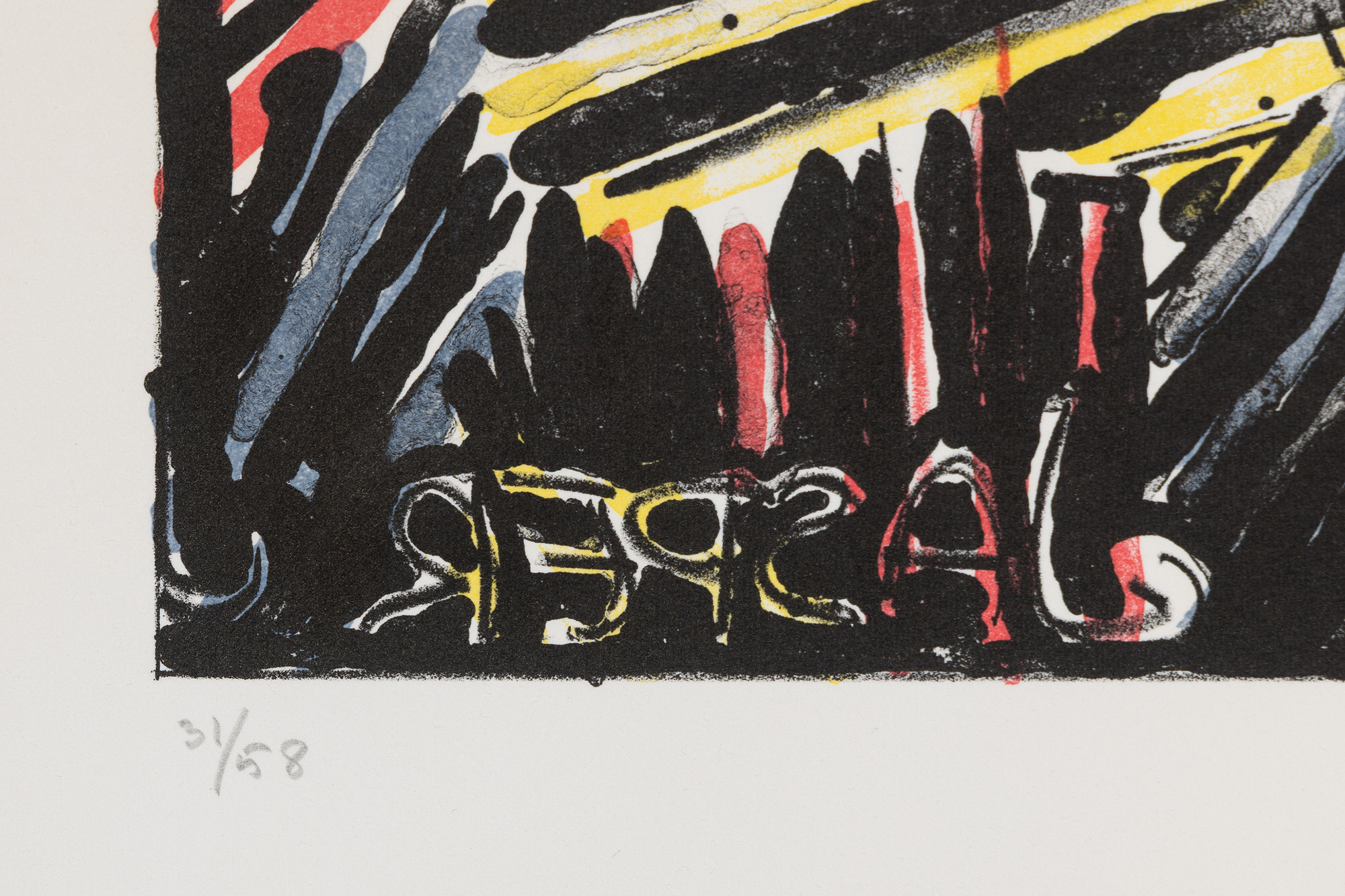
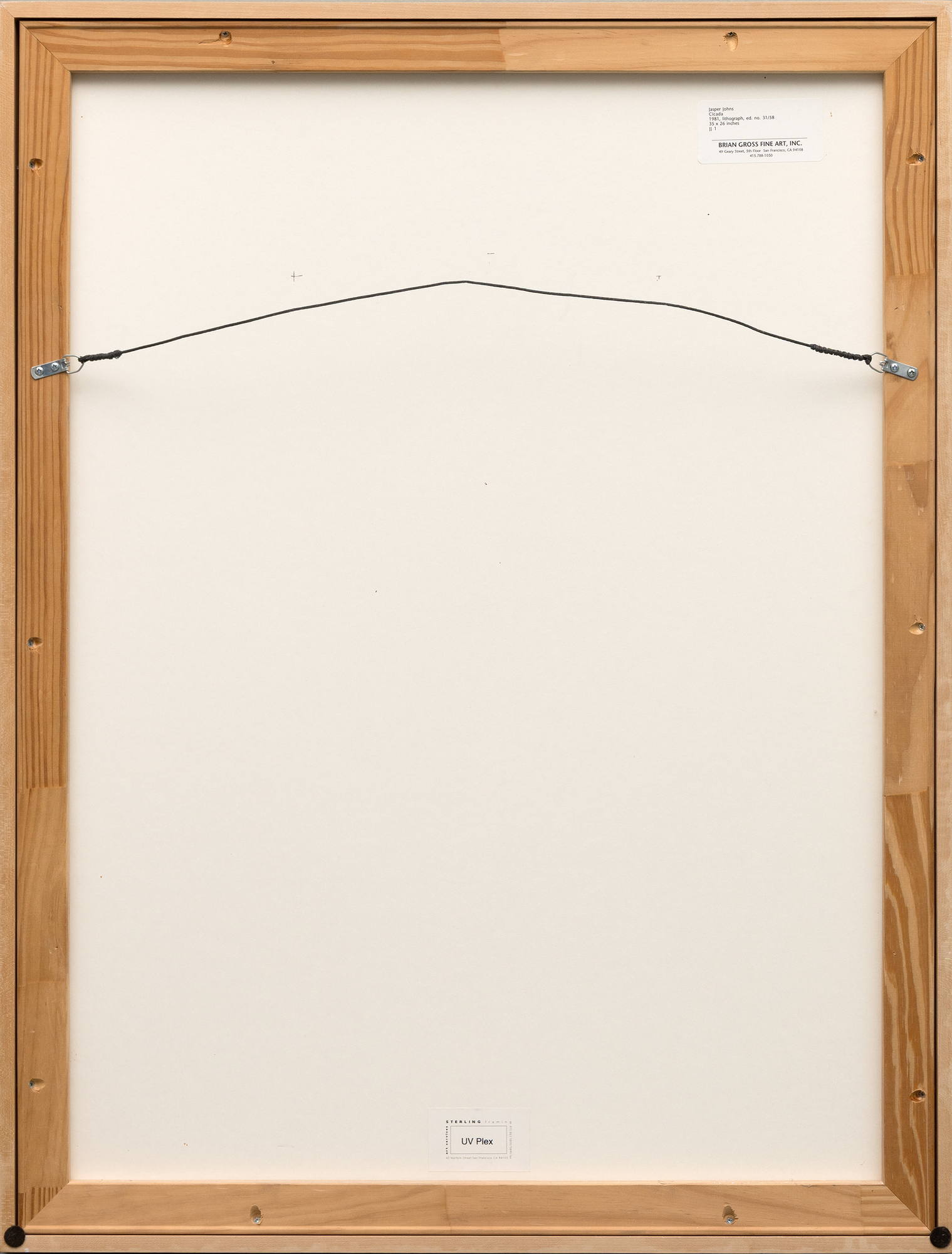
198135 x 26 英寸(88.9 x 66.04 厘米(88.9 x 66.04 厘米)彩色石版画
种源
布莱恩-格罗斯美术馆
私人收藏
希瑟-詹姆斯美术馆
贾斯珀-约翰斯的《蝉》(Cicada,1981 年)是一幅彩色石版画,由 Gemini G.E.L. 出版,每版 58 幅。


这幅作品创作于约翰斯的 "十字划线 "时期(1972-1983 年),是他从旗帜和目标转向抽象标记系统的典范。


《蝉的印象》被现代艺术博物馆和惠特尼美国艺术博物馆收藏,凸显了该作品在约翰斯版画创作实践中的重要性。
询问