返回

克劳德·莫内特(1840-1926 年)

 
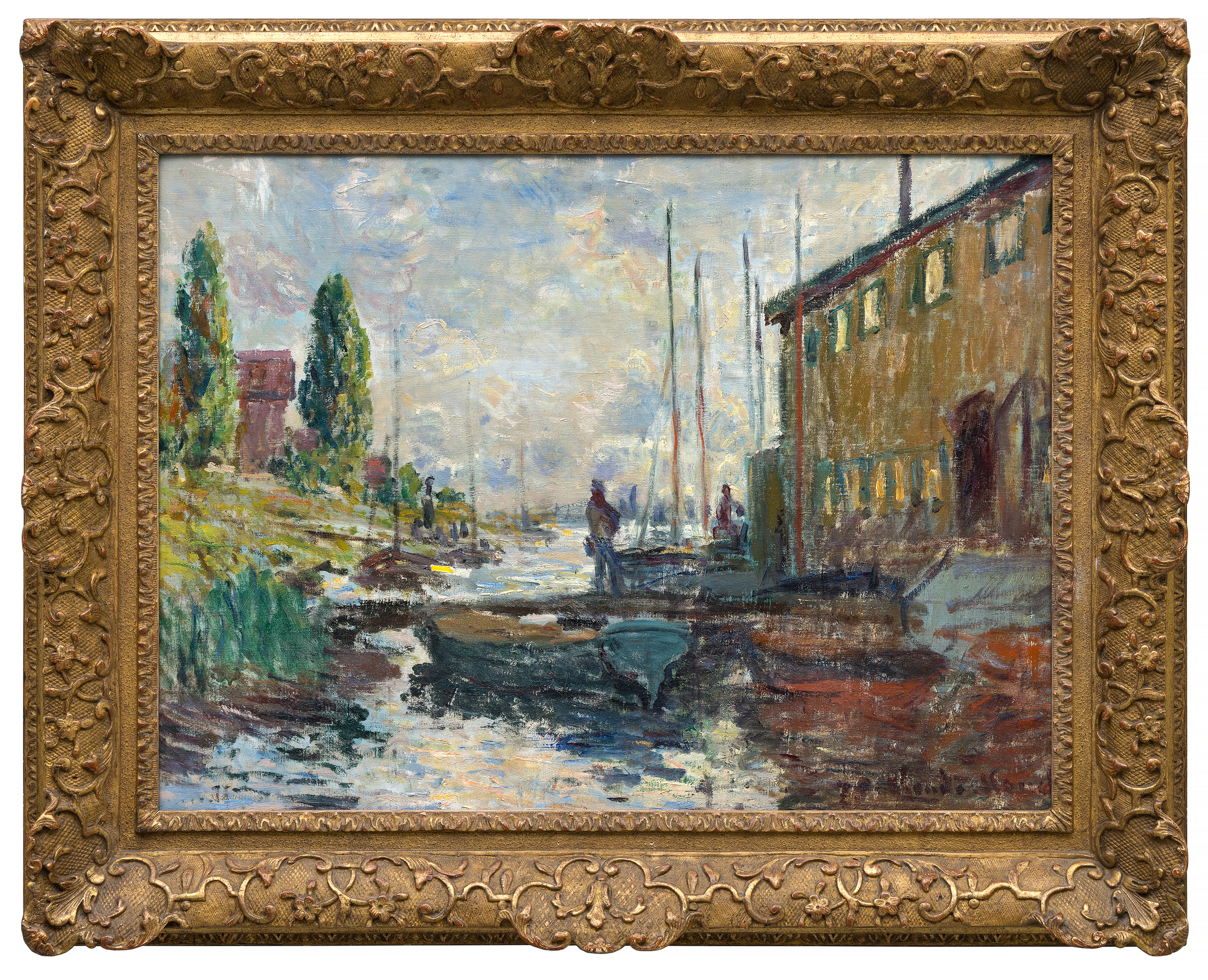
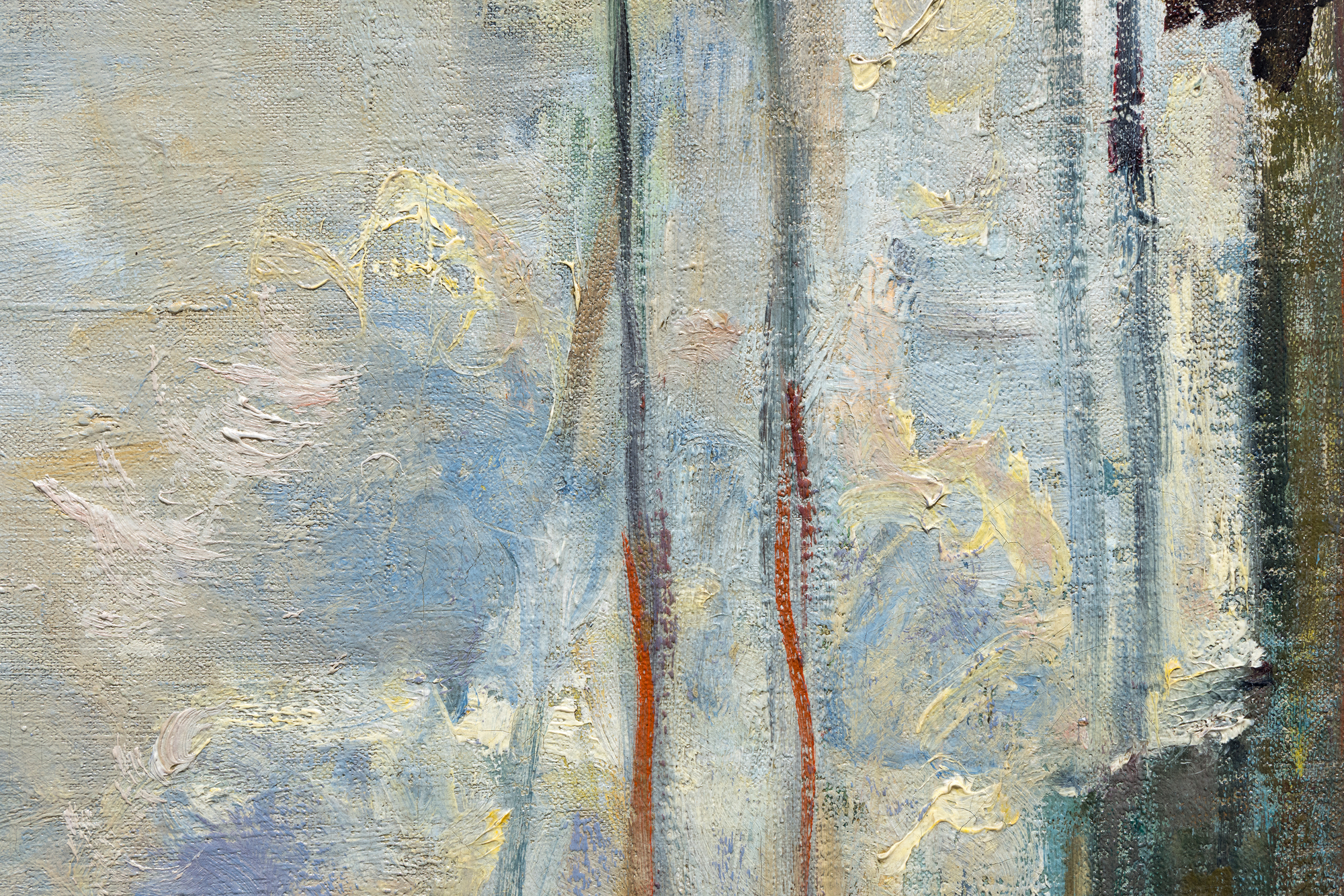
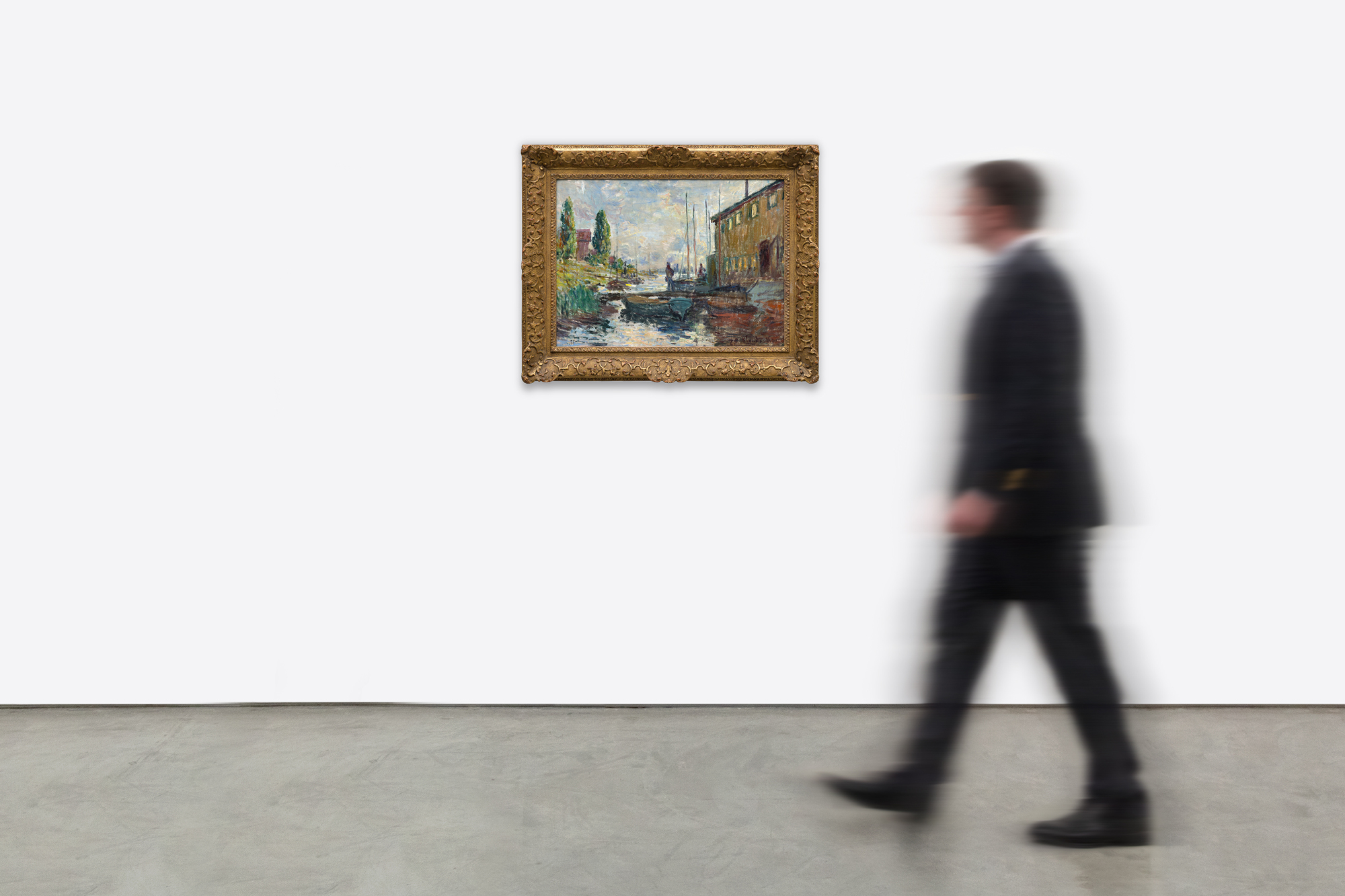
<div>Claude Monet’s <em>Le bassin d’Argenteuil</em> (1875) is a luminous example from one of the most pivotal periods of his career, painted in the late spring or summer of 1875, just one year after the groundbreaking first Impressionist exhibition. Set along the Seine at Argenteuil, the composition captures a quiet basin animated by small boats, figures, and reflections, rendered with loose, expressive brushwork that conveys the fleeting effects of light and atmosphere. The gentle diffusion of water and sky creates a shimmering surface, perfectly suited to Monet’s plein air practice and his desire to record perception in the moment. </div><br><br><div> </div><br><br><div>Argenteuil was central to the crystallization of Impressionism, marking a time when its ideas, subject matter, and collaborative spirit fully coalesced. Between 1871 and 1878, Monet’s presence there drew fellow artists including Renoir, Manet, Sisley, and Caillebotte, fostering an environment of shared experimentation and innovation. </div><br><br><div> </div><br><br><div>The painting’s early provenance further enhances its significance. It was owned by Oscar A. H. Schmitz, the German writer and intellectual known for his writings on Jungian psychology and his discerning collection of 19th-century art. Following Schmitz’s unexpected death in 1933, the collection was sent to the Kunstmuseum Basel. In 1936, the art dealer Wildenstein & Co. took over 62 works from the collection and organized a major exhibition and sale in Paris and New York.<em> Le bassin d’Argenteuil</em> is included in the Daniel Wildenstein catalogue raisonné (1996), vol. II, p. 153, as no. 371, and is published in eight books. </div> <div>Claude Monet’s <em>Le bassin d’Argenteuil</em> (1875) is a luminous example from one of the most pivotal periods of his career, painted in the late spring or summer of 1875, just one year after the groundbreaking first Impressionist exhibition. Set along the Seine at Argenteuil, the composition captures a quiet basin animated by small boats, figures, and reflections, rendered with loose, expressive brushwork that conveys the fleeting effects of light and atmosphere. The gentle diffusion of water and sky creates a shimmering surface, perfectly suited to Monet’s plein air practice and his desire to record perception in the moment. </div><br><br><div> </div><br><br><div>Argenteuil was central to the crystallization of Impressionism, marking a time when its ideas, subject matter, and collaborative spirit fully coalesced. Between 1871 and 1878, Monet’s presence there drew fellow artists including Renoir, Manet, Sisley, and Caillebotte, fostering an environment of shared experimentation and innovation. </div><br><br><div> </div><br><br><div>The painting’s early provenance further enhances its significance. It was owned by Oscar A. H. Schmitz, the German writer and intellectual known for his writings on Jungian psychology and his discerning collection of 19th-century art. Following Schmitz’s unexpected death in 1933, the collection was sent to the Kunstmuseum Basel. In 1936, the art dealer Wildenstein & Co. took over 62 works from the collection and organized a major exhibition and sale in Paris and New York.<em> Le bassin d’Argenteuil</em> is included in the Daniel Wildenstein catalogue raisonné (1996), vol. II, p. 153, as no. 371, and is published in eight books. </div> <div>Claude Monet’s <em>Le bassin d’Argenteuil</em> (1875) is a luminous example from one of the most pivotal periods of his career, painted in the late spring or summer of 1875, just one year after the groundbreaking first Impressionist exhibition. Set along the Seine at Argenteuil, the composition captures a quiet basin animated by small boats, figures, and reflections, rendered with loose, expressive brushwork that conveys the fleeting effects of light and atmosphere. The gentle diffusion of water and sky creates a shimmering surface, perfectly suited to Monet’s plein air practice and his desire to record perception in the moment. </div><br><br><div> </div><br><br><div>Argenteuil was central to the crystallization of Impressionism, marking a time when its ideas, subject matter, and collaborative spirit fully coalesced. Between 1871 and 1878, Monet’s presence there drew fellow artists including Renoir, Manet, Sisley, and Caillebotte, fostering an environment of shared experimentation and innovation. </div><br><br><div> </div><br><br><div>The painting’s early provenance further enhances its significance. It was owned by Oscar A. H. Schmitz, the German writer and intellectual known for his writings on Jungian psychology and his discerning collection of 19th-century art. Following Schmitz’s unexpected death in 1933, the collection was sent to the Kunstmuseum Basel. In 1936, the art dealer Wildenstein & Co. took over 62 works from the collection and organized a major exhibition and sale in Paris and New York.<em> Le bassin d’Argenteuil</em> is included in the Daniel Wildenstein catalogue raisonné (1996), vol. II, p. 153, as no. 371, and is published in eight books. </div> <div>Claude Monet’s <em>Le bassin d’Argenteuil</em> (1875) is a luminous example from one of the most pivotal periods of his career, painted in the late spring or summer of 1875, just one year after the groundbreaking first Impressionist exhibition. Set along the Seine at Argenteuil, the composition captures a quiet basin animated by small boats, figures, and reflections, rendered with loose, expressive brushwork that conveys the fleeting effects of light and atmosphere. The gentle diffusion of water and sky creates a shimmering surface, perfectly suited to Monet’s plein air practice and his desire to record perception in the moment. </div><br><br><div> </div><br><br><div>Argenteuil was central to the crystallization of Impressionism, marking a time when its ideas, subject matter, and collaborative spirit fully coalesced. Between 1871 and 1878, Monet’s presence there drew fellow artists including Renoir, Manet, Sisley, and Caillebotte, fostering an environment of shared experimentation and innovation. </div><br><br><div> </div><br><br><div>The painting’s early provenance further enhances its significance. It was owned by Oscar A. H. Schmitz, the German writer and intellectual known for his writings on Jungian psychology and his discerning collection of 19th-century art. Following Schmitz’s unexpected death in 1933, the collection was sent to the Kunstmuseum Basel. In 1936, the art dealer Wildenstein & Co. took over 62 works from the collection and organized a major exhibition and sale in Paris and New York.<em> Le bassin d’Argenteuil</em> is included in the Daniel Wildenstein catalogue raisonné (1996), vol. II, p. 153, as no. 371, and is published in eight books. </div> <div>Claude Monet’s <em>Le bassin d’Argenteuil</em> (1875) is a luminous example from one of the most pivotal periods of his career, painted in the late spring or summer of 1875, just one year after the groundbreaking first Impressionist exhibition. Set along the Seine at Argenteuil, the composition captures a quiet basin animated by small boats, figures, and reflections, rendered with loose, expressive brushwork that conveys the fleeting effects of light and atmosphere. The gentle diffusion of water and sky creates a shimmering surface, perfectly suited to Monet’s plein air practice and his desire to record perception in the moment. </div><br><br><div> </div><br><br><div>Argenteuil was central to the crystallization of Impressionism, marking a time when its ideas, subject matter, and collaborative spirit fully coalesced. Between 1871 and 1878, Monet’s presence there drew fellow artists including Renoir, Manet, Sisley, and Caillebotte, fostering an environment of shared experimentation and innovation. </div><br><br><div> </div><br><br><div>The painting’s early provenance further enhances its significance. It was owned by Oscar A. H. Schmitz, the German writer and intellectual known for his writings on Jungian psychology and his discerning collection of 19th-century art. Following Schmitz’s unexpected death in 1933, the collection was sent to the Kunstmuseum Basel. In 1936, the art dealer Wildenstein & Co. took over 62 works from the collection and organized a major exhibition and sale in Paris and New York.<em> Le bassin d’Argenteuil</em> is included in the Daniel Wildenstein catalogue raisonné (1996), vol. II, p. 153, as no. 371, and is published in eight books. </div> <div>Claude Monet’s <em>Le bassin d’Argenteuil</em> (1875) is a luminous example from one of the most pivotal periods of his career, painted in the late spring or summer of 1875, just one year after the groundbreaking first Impressionist exhibition. Set along the Seine at Argenteuil, the composition captures a quiet basin animated by small boats, figures, and reflections, rendered with loose, expressive brushwork that conveys the fleeting effects of light and atmosphere. The gentle diffusion of water and sky creates a shimmering surface, perfectly suited to Monet’s plein air practice and his desire to record perception in the moment. </div><br><br><div> </div><br><br><div>Argenteuil was central to the crystallization of Impressionism, marking a time when its ideas, subject matter, and collaborative spirit fully coalesced. Between 1871 and 1878, Monet’s presence there drew fellow artists including Renoir, Manet, Sisley, and Caillebotte, fostering an environment of shared experimentation and innovation. </div><br><br><div> </div><br><br><div>The painting’s early provenance further enhances its significance. It was owned by Oscar A. H. Schmitz, the German writer and intellectual known for his writings on Jungian psychology and his discerning collection of 19th-century art. Following Schmitz’s unexpected death in 1933, the collection was sent to the Kunstmuseum Basel. In 1936, the art dealer Wildenstein & Co. took over 62 works from the collection and organized a major exhibition and sale in Paris and New York.<em> Le bassin d’Argenteuil</em> is included in the Daniel Wildenstein catalogue raisonné (1996), vol. II, p. 153, as no. 371, and is published in eight books. </div> <div>Claude Monet’s <em>Le bassin d’Argenteuil</em> (1875) is a luminous example from one of the most pivotal periods of his career, painted in the late spring or summer of 1875, just one year after the groundbreaking first Impressionist exhibition. Set along the Seine at Argenteuil, the composition captures a quiet basin animated by small boats, figures, and reflections, rendered with loose, expressive brushwork that conveys the fleeting effects of light and atmosphere. The gentle diffusion of water and sky creates a shimmering surface, perfectly suited to Monet’s plein air practice and his desire to record perception in the moment. </div><br><br><div> </div><br><br><div>Argenteuil was central to the crystallization of Impressionism, marking a time when its ideas, subject matter, and collaborative spirit fully coalesced. Between 1871 and 1878, Monet’s presence there drew fellow artists including Renoir, Manet, Sisley, and Caillebotte, fostering an environment of shared experimentation and innovation. </div><br><br><div> </div><br><br><div>The painting’s early provenance further enhances its significance. It was owned by Oscar A. H. Schmitz, the German writer and intellectual known for his writings on Jungian psychology and his discerning collection of 19th-century art. Following Schmitz’s unexpected death in 1933, the collection was sent to the Kunstmuseum Basel. In 1936, the art dealer Wildenstein & Co. took over 62 works from the collection and organized a major exhibition and sale in Paris and New York.<em> Le bassin d’Argenteuil</em> is included in the Daniel Wildenstein catalogue raisonné (1996), vol. II, p. 153, as no. 371, and is published in eight books. </div>
阿尔让特伊水池1875年21 3/4 x 29 1/4 英寸(55.25 x 74.3 厘米) 布面油画
种源
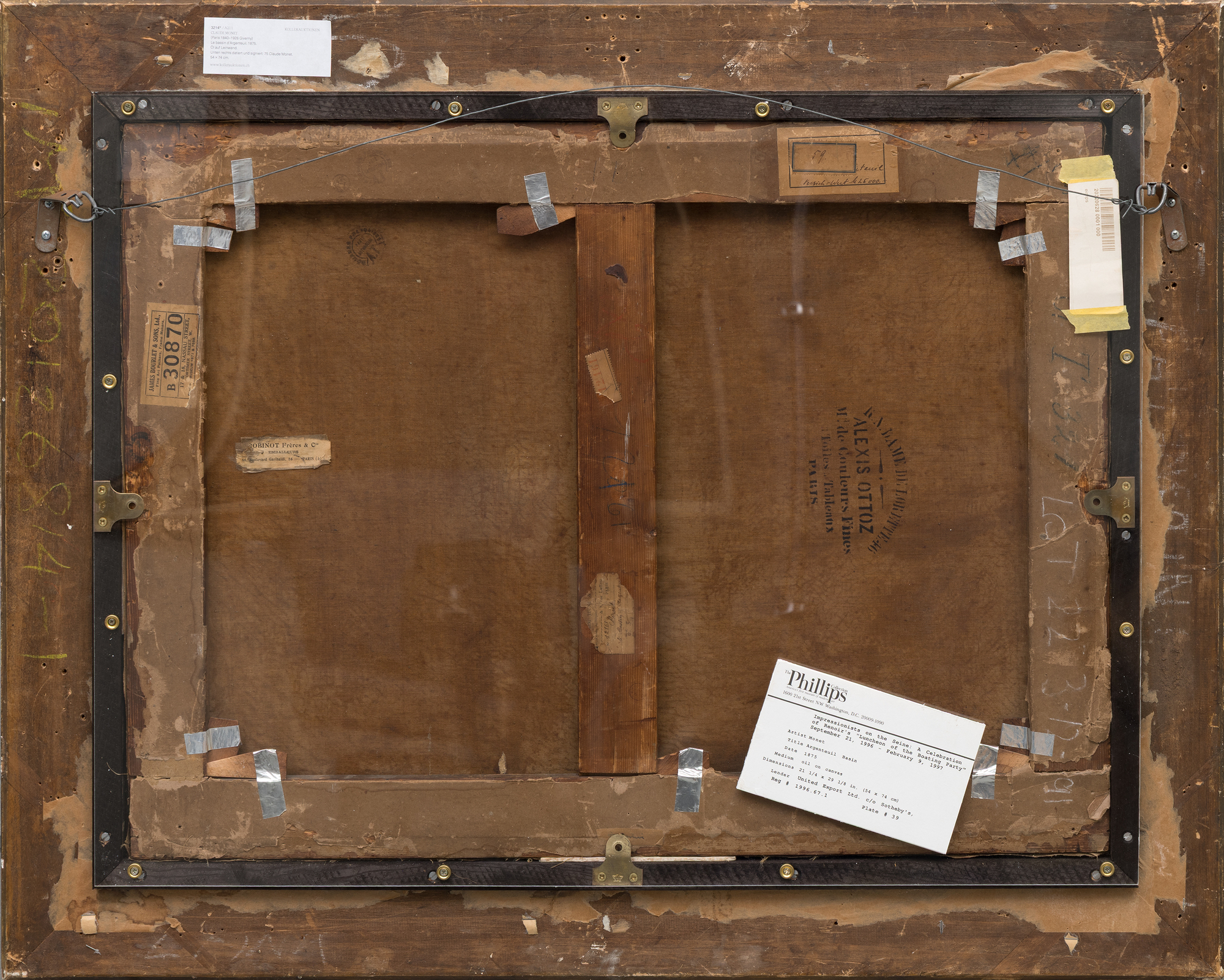
巴黎伯恩海姆-琼画廊藏,编号12161(背标)
1904年德累斯顿奥斯卡·施密茨收藏
苏黎世艺术馆,1931年起由奥斯卡·施密茨收藏借展
巴塞尔艺术博物馆,1934年起由奥斯卡·施密茨收藏借展
伦敦维尔登斯坦画廊,1936年起
英国E.W.法托里尼先生,1940年
伦敦苏富比,1975年4月16日,第25号拍品
英国私人收藏
伦敦苏富比,1991年12月3日,第22号拍品
伦敦私人收藏,购自上述拍卖会
...更。。。
私人收藏,欧洲
科勒拍卖行股份有限公司,苏黎世,2024年11月29日,拍品编号03214
私人收藏,伦敦,购自上述拍卖会
展会信息
苏黎世,苏黎世美术馆,奥斯卡·施密茨收藏,1932年1月14日至2月14日,编号35/47
巴林根市政厅,克劳德·莫奈展,1992年6月18日至8月31日,编号6
华盛顿特区,菲利普斯收藏馆,《塞纳河畔的印象派:致敬雷诺阿〈划船者午餐会〉》,1996年9月21日-1997年2月2日,编号39
文学
丹尼尔·维尔登斯坦,《莫奈作品全集》,波恩,1996年,第二卷,第153页,编号371(附图)
保罗·费希特,《施密茨收藏》,《艺术与艺术家:视觉艺术与工艺美术月刊》,柏林,1909年10月,第21页。
卡尔·舍夫勒,《德累斯顿的奥斯卡·施密茨收藏》,《艺术与艺术家:视觉艺术与工艺美术月刊》,柏林,1920/21年,第186页
玛丽·多尔莫伊,《德累斯顿的施密茨收藏》,载《艺术之爱》,巴黎,1926年10月,第342页。
丹尼尔·维尔登斯坦,《莫奈:生平与作品》,洛桑/巴黎,1974年,第一卷,第237、272页(附图)
乔尔·艾萨克森,《观察与反思:克劳德·莫奈》,牛津,1978年,第95、207页(配图)
保罗·海耶斯·塔克,《莫奈在阿尔让特伊》,纽黑文/伦敦,1982年,第120页(图版编号XXI)
丹尼尔·维尔登斯坦,《莫奈:生平与作品》,洛桑/巴黎,1991年,第五卷,第30页(附图)
...少。。。
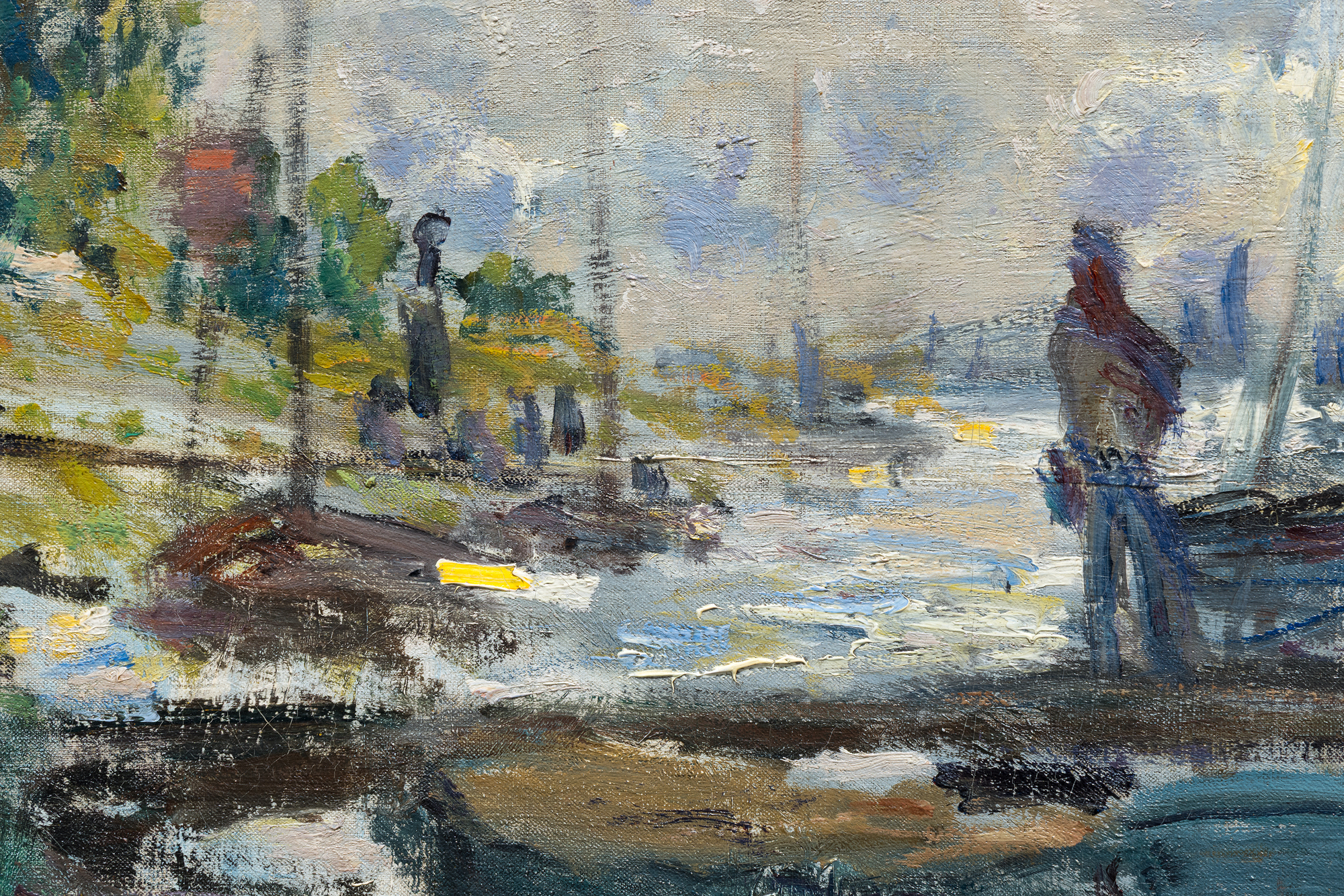
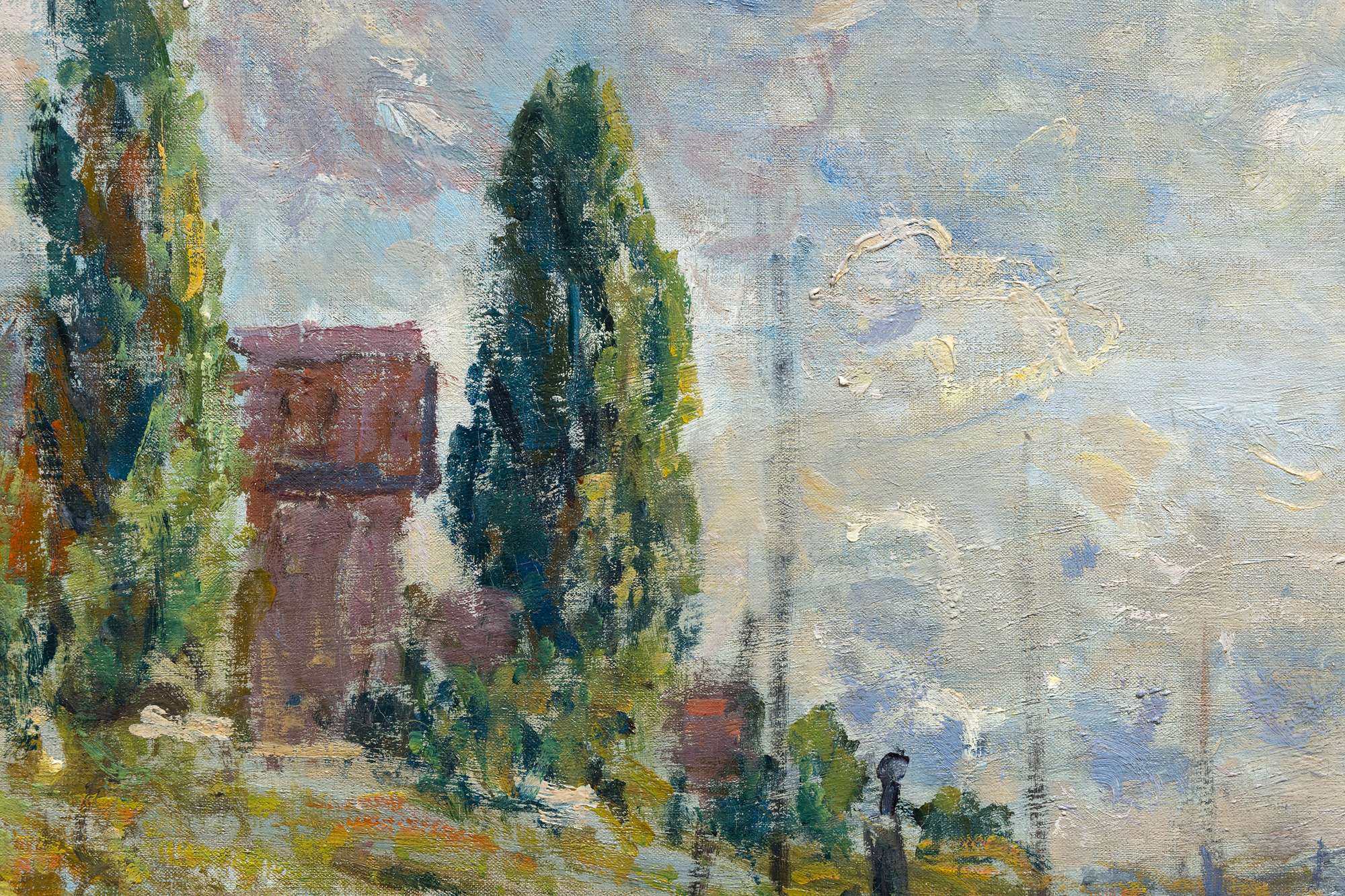
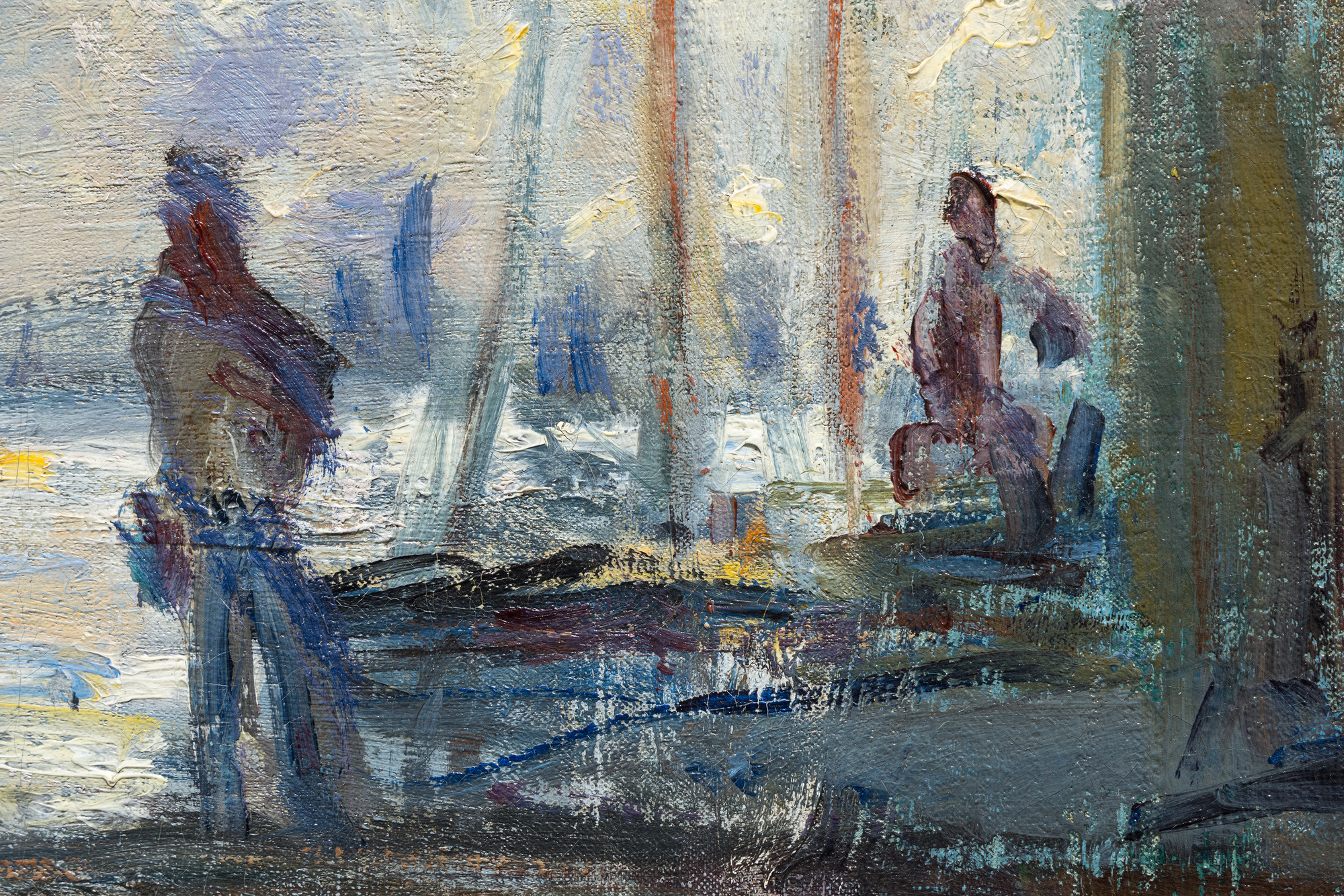
克劳德·莫奈的《阿尔让特伊的池塘》(1875)是其艺术生涯关键时期的一幅杰作,创作于1875年晚春或夏季,距开创性的首届印象派展览仅一年之隔。 画面取景于塞纳河畔的阿尔让特伊,以松散而富有表现力的笔触捕捉了静谧水域中游船、人物与倒影交织的生动景象,精准传递了光影与氛围的瞬息变化。水天交融的柔和晕染营造出波光粼粼的水面,完美契合莫奈的户外写生实践及其捕捉瞬间感知的心愿。


阿让特伊是印象派思想、题材与协作精神全面凝聚的核心地带。1871至1878年间,莫奈在此驻留吸引了雷诺阿、马奈、西斯莱和卡耶博特等艺术家,共同营造出实验与创新的共享环境。


该画作的早期收藏背景更彰显其价值。其前任藏家奥斯卡·A·H·施密茨是德国作家兼知识分子,以荣格心理学著作及精辟的十九世纪艺术收藏闻名。1933年施密茨骤然离世后,藏品被移交巴塞尔美术馆。 1936年,艺术商维登斯坦公司收购该收藏中的62件作品,在巴黎与纽约举办大型展览及拍卖。《阿让特伊池塘》被收录于丹尼尔·维登斯坦作品全集(1996年)第二卷第153页,编号371,并刊载于八部出版物中。
询问