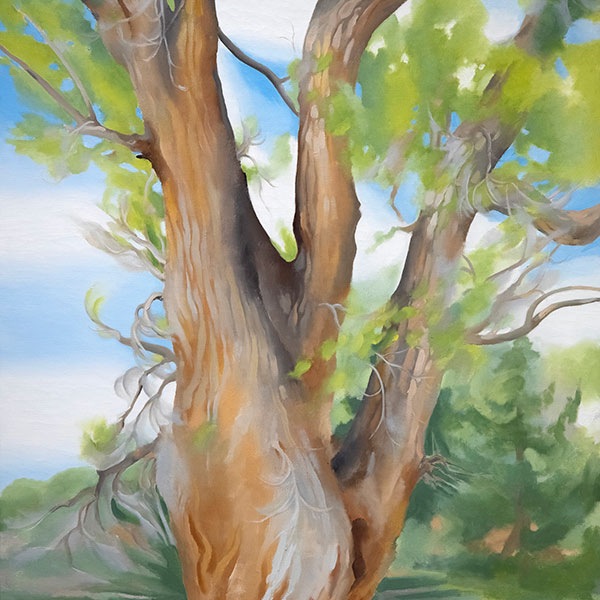
GEORGIA O'KEEFFE (1887-1986)
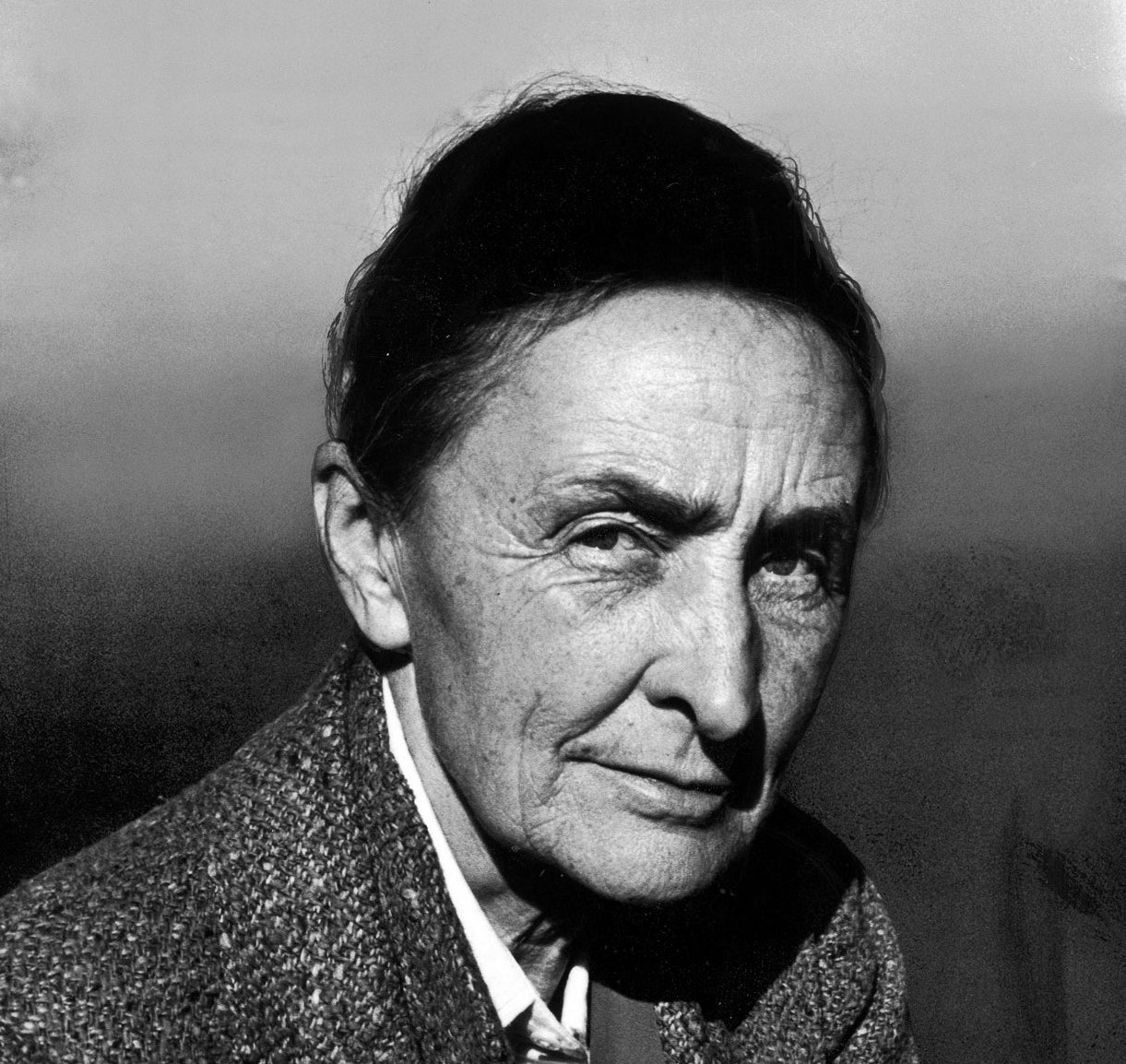 Georgia O’Keeffe (1887–1986) was a pioneering American Modernist whose work reshaped twentieth-century art through its bold clarity, independence of vision, and deep engagement with place. Best known for her large-scale paintings of flowers, bones, and desert landscapes, as well as her early depictions of New York City skyscrapers, O’Keeffe developed a highly personal visual language that emphasized form, color, and abstraction drawn from nature.
Raised on a Wisconsin farm, O’Keeffe showed early artistic talent and pursued formal training in Chicago and New York. Although she mastered academic realism, she soon rejected its constraints in favor of a more expressive approach. This shift marked the beginning of a lifelong commitment to creating art that reflected her own perceptions rather than established traditions. Her work gained early attention through photographer and gallerist Alfred Stieglitz, whose support helped introduce her art to a wider audience.
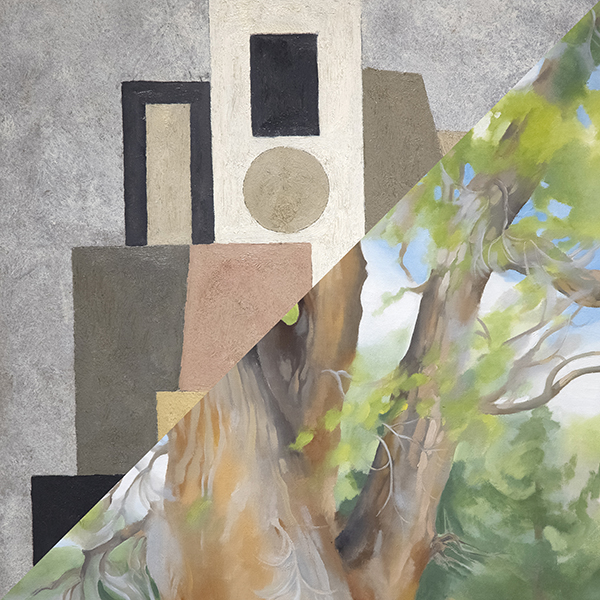
In the 1920s, O’Keeffe became a central figure in the American avant-garde, producing striking urban images alongside her increasingly abstracted studies of natural forms. By the 1930s, she found lasting inspiration in the landscapes of New Mexico, where she eventually settled. There, she painted bones, hills, skies, and architectural forms with a sense of stillness and monumentality that became synonymous with her name.
Throughout her long career, O’Keeffe resisted narrow or gendered interpretations of her work, insisting on its formal and emotional complexity. Today, she is recognized not only as one of America’s most important Modernist painters, but also as a figure who expanded the possibilities for artistic freedom, individuality, and female authorship in modern art.
ARTWORK
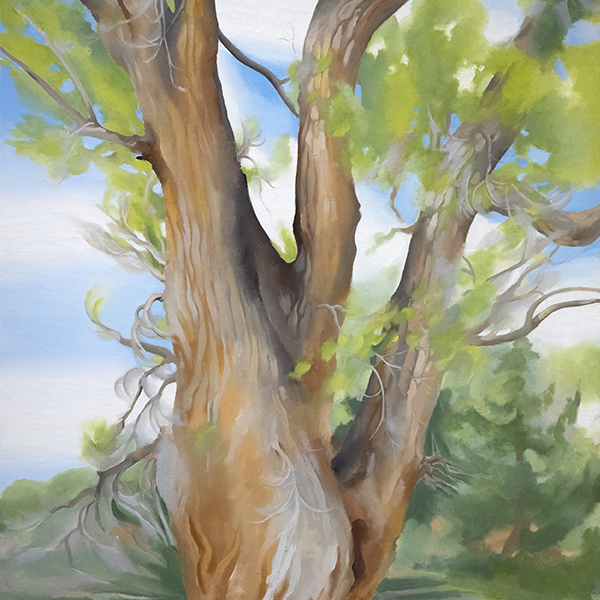
,_new_mexico_tn40147.jpg "GEORGIA O'KEEFFE-Cottonwood Tree (Near Abiquiu), New Mexico")
Exhibitions