Zurück

CLAUDE MONET (1840-1926)

$7,500,000

 
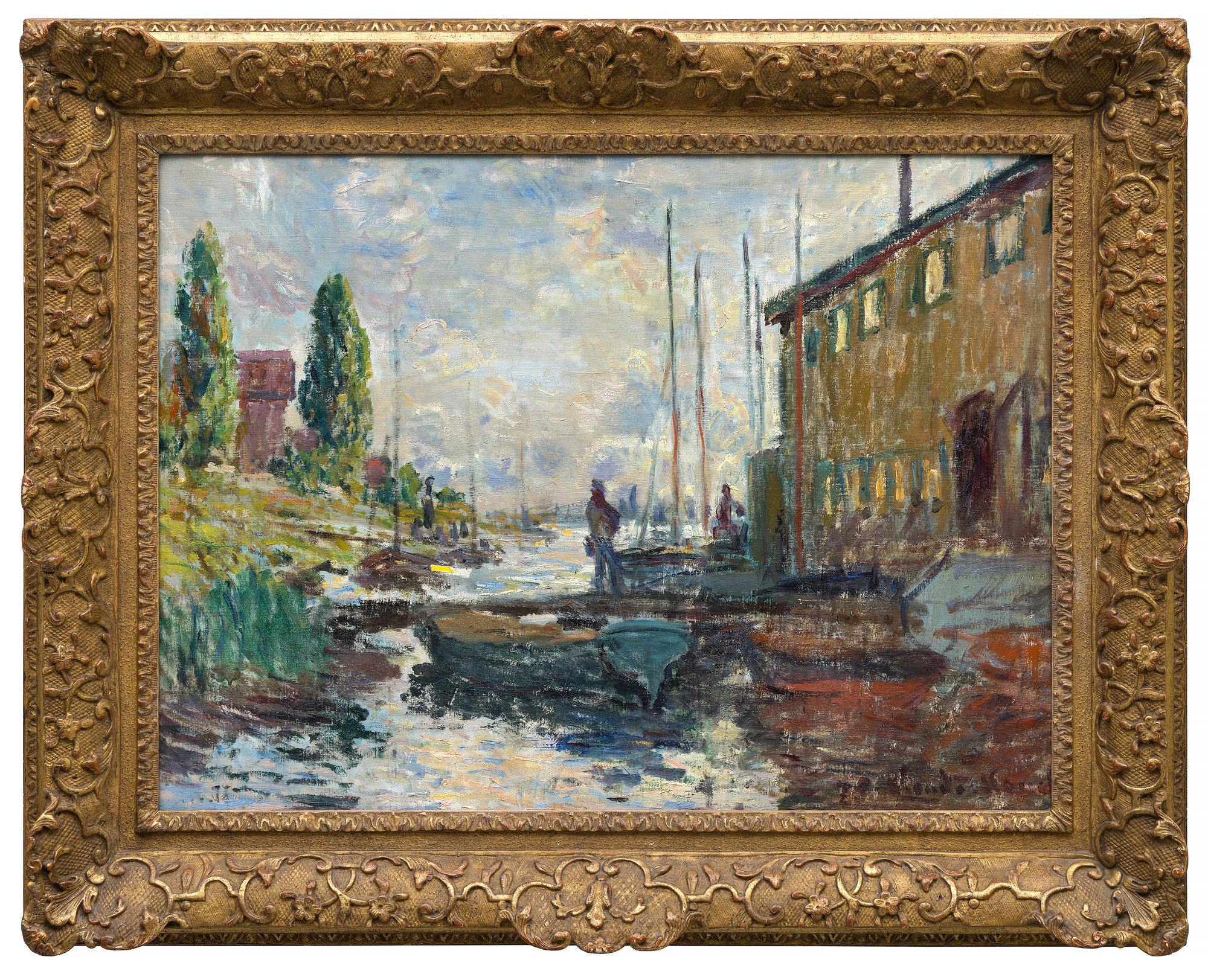
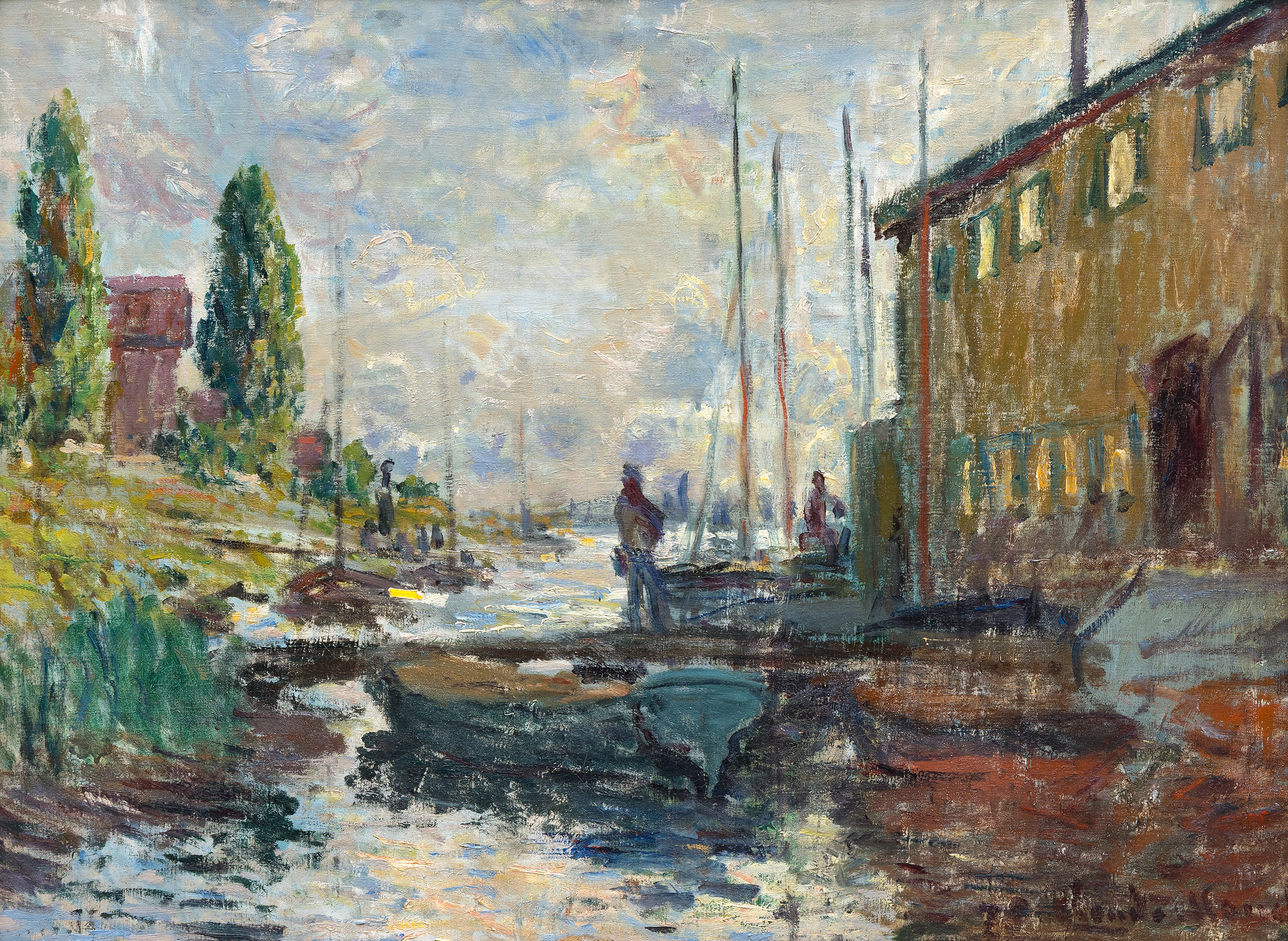
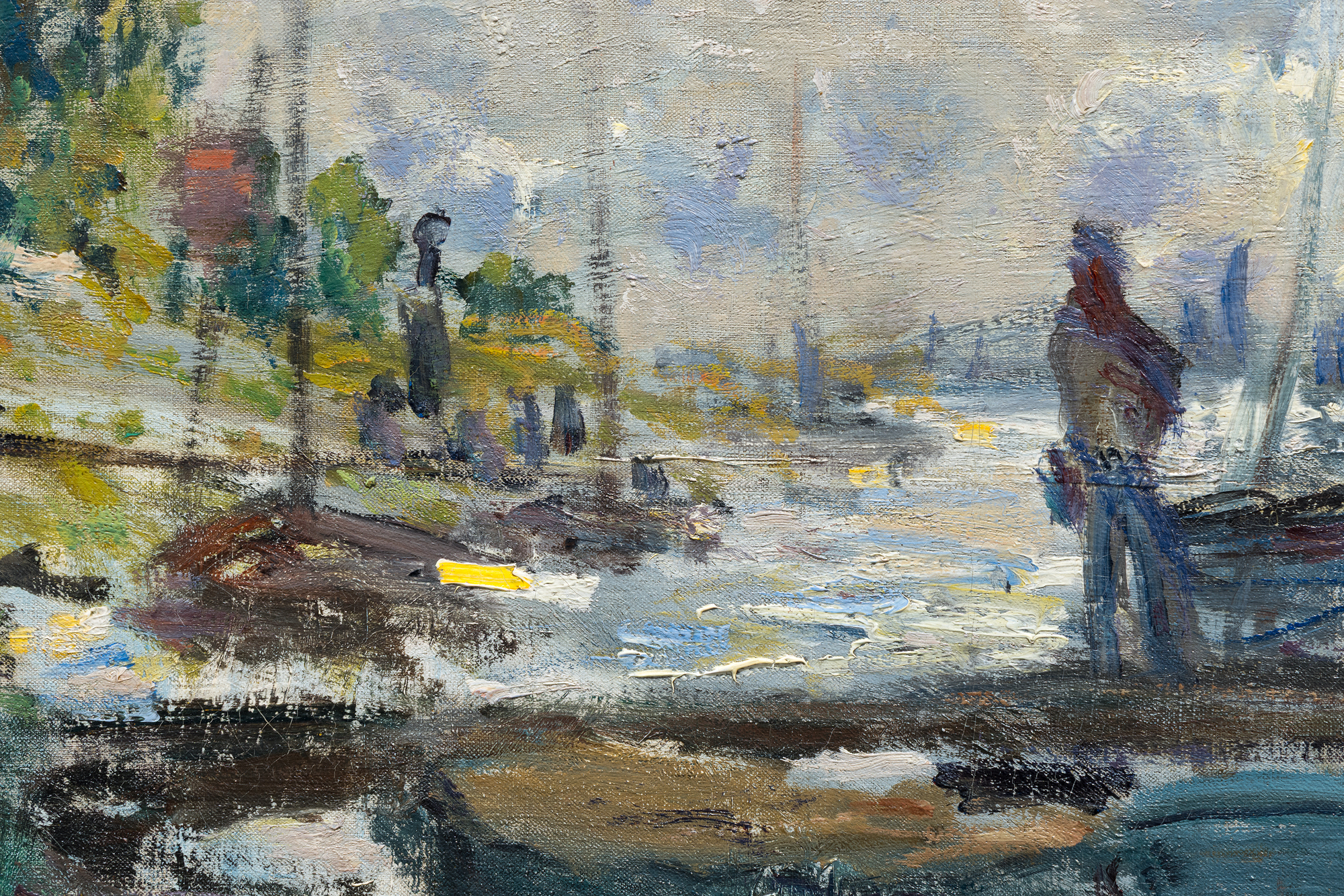
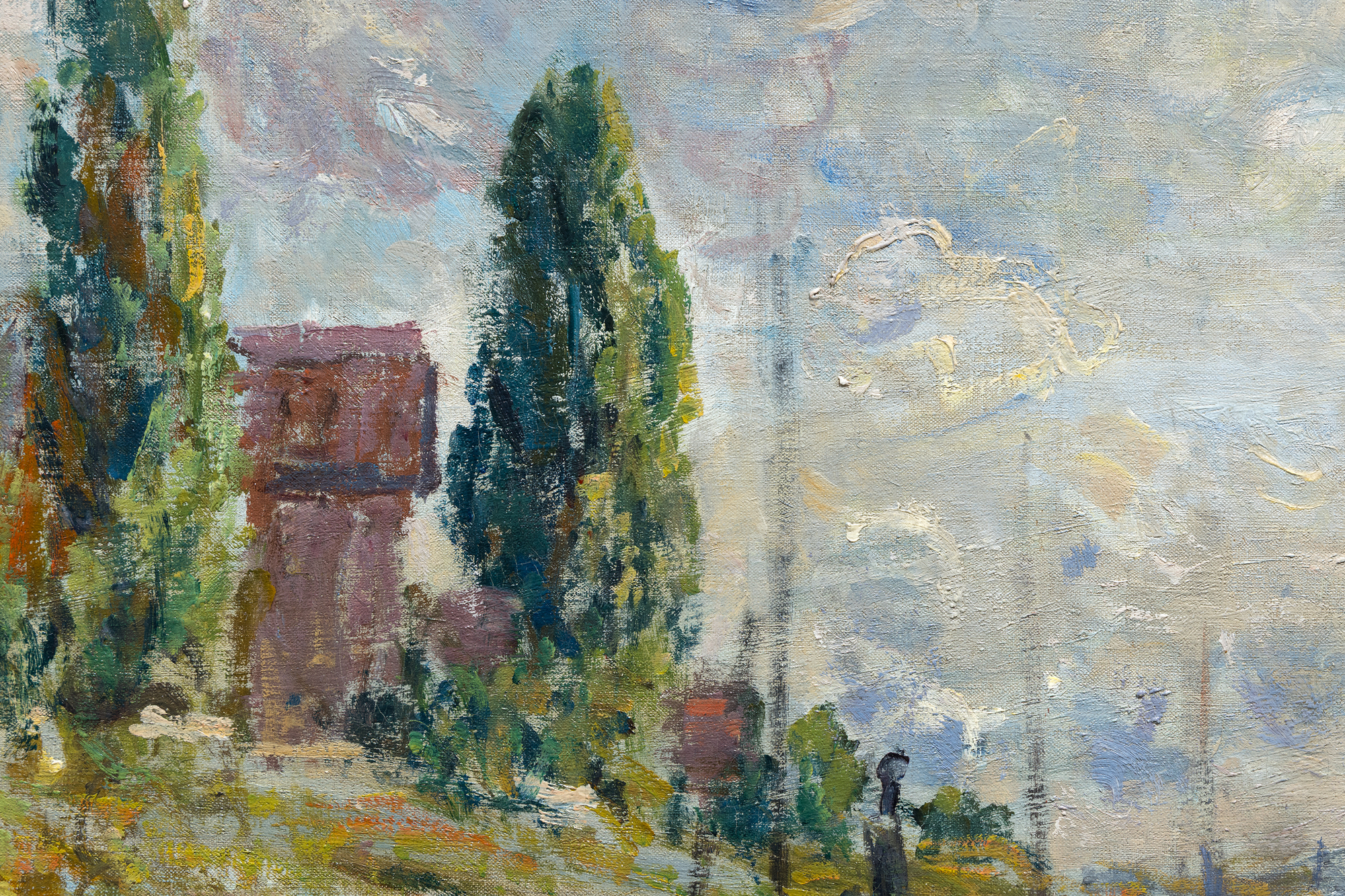
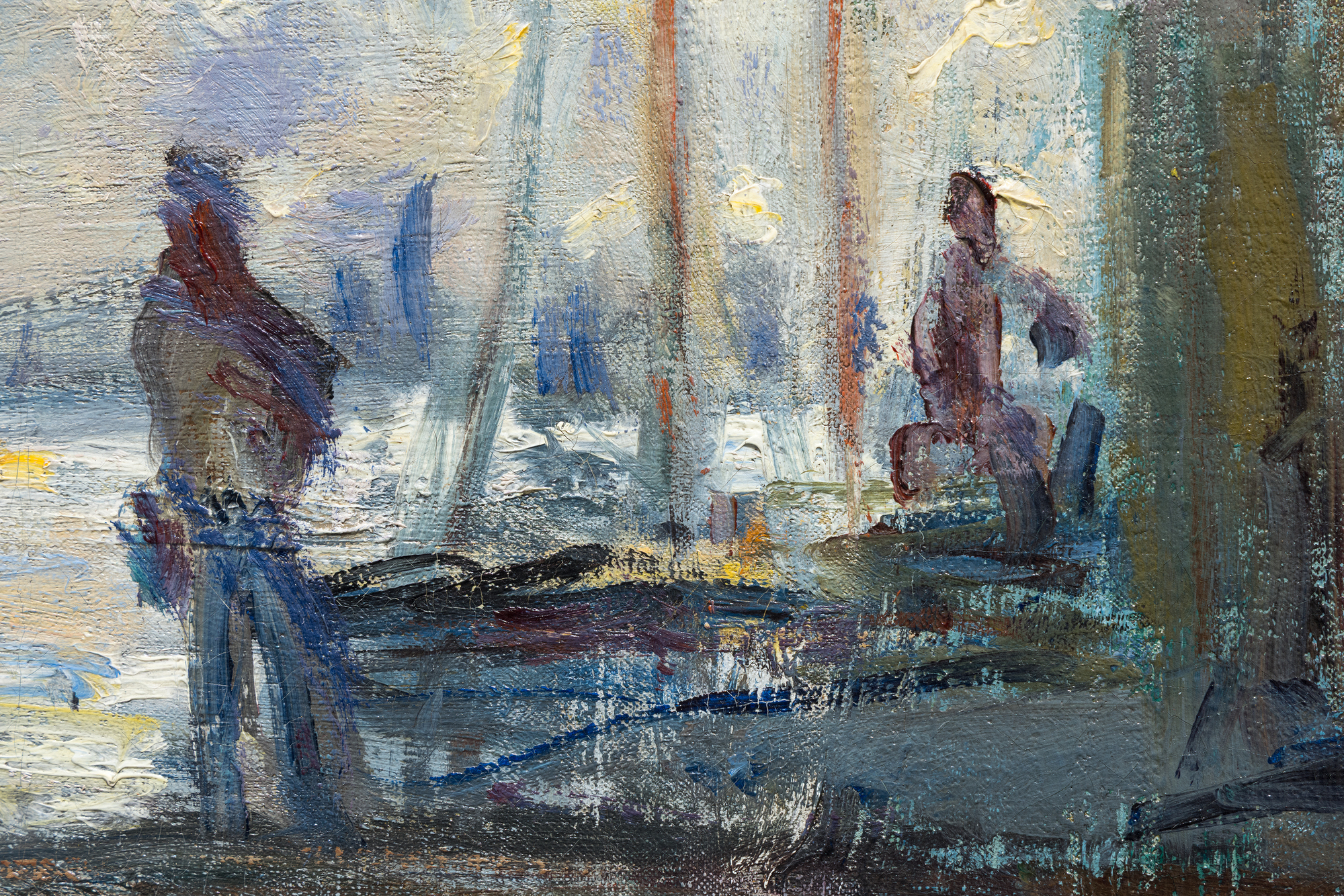
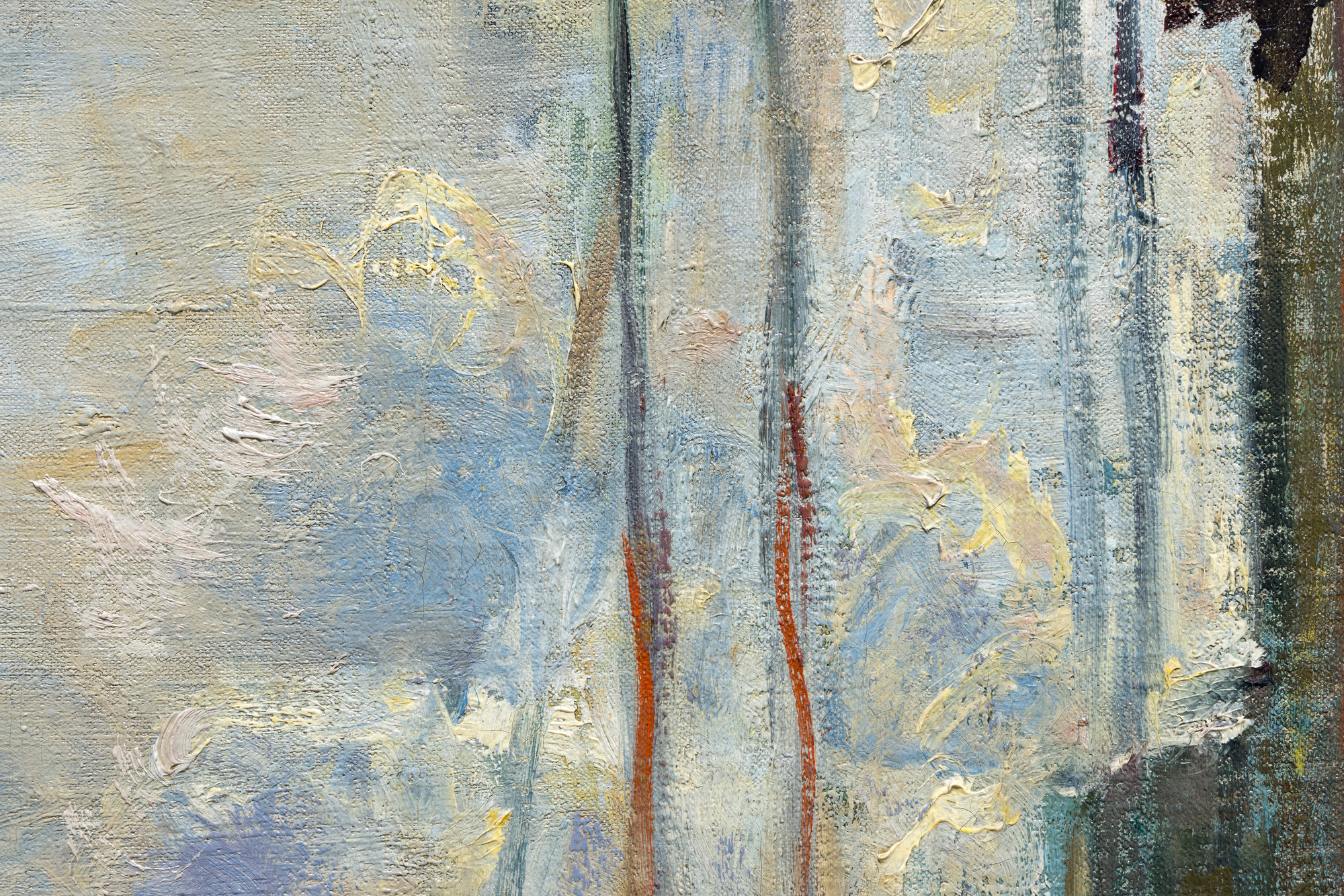
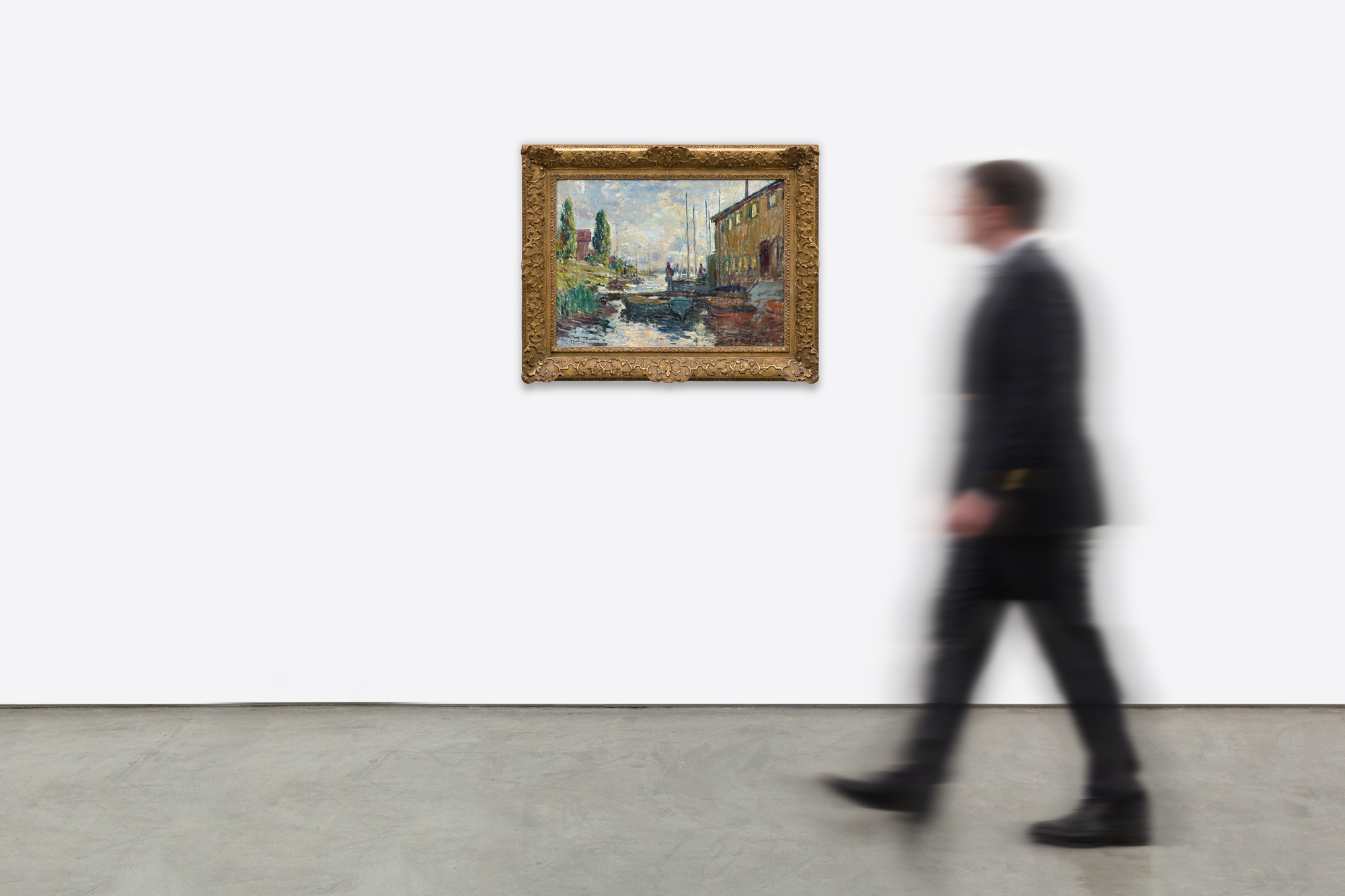
<div>Claude Monet’s <em>Le bassin d’Argenteuil</em> (1875) is a luminous example from one of the most pivotal periods of his career, painted in the late spring or summer of 1875, just one year after the groundbreaking first Impressionist exhibition. Set along the Seine at Argenteuil, the composition captures a quiet basin animated by small boats, figures, and reflections, rendered with loose, expressive brushwork that conveys the fleeting effects of light and atmosphere. The gentle diffusion of water and sky creates a shimmering surface, perfectly suited to Monet’s plein air practice and his desire to record perception in the moment. </div><br><br><div> </div><br><br><div>Argenteuil was central to the crystallization of Impressionism, marking a time when its ideas, subject matter, and collaborative spirit fully coalesced. Between 1871 and 1878, Monet’s presence there drew fellow artists including Renoir, Manet, Sisley, and Caillebotte, fostering an environment of shared experimentation and innovation. </div><br><br><div> </div><br><br><div>The painting’s early provenance further enhances its significance. It was owned by Oscar A. H. Schmitz, the German writer and intellectual known for his writings on Jungian psychology and his discerning collection of 19th-century art. Following Schmitz’s unexpected death in 1933, the collection was sent to the Kunstmuseum Basel. In 1936, the art dealer Wildenstein & Co. took over 62 works from the collection and organized a major exhibition and sale in Paris and New York.<em> Le bassin d’Argenteuil</em> is included in the Daniel Wildenstein catalogue raisonné (1996), vol. II, p. 153, as no. 371, and is published in eight books. </div> <div>Claude Monet’s <em>Le bassin d’Argenteuil</em> (1875) is a luminous example from one of the most pivotal periods of his career, painted in the late spring or summer of 1875, just one year after the groundbreaking first Impressionist exhibition. Set along the Seine at Argenteuil, the composition captures a quiet basin animated by small boats, figures, and reflections, rendered with loose, expressive brushwork that conveys the fleeting effects of light and atmosphere. The gentle diffusion of water and sky creates a shimmering surface, perfectly suited to Monet’s plein air practice and his desire to record perception in the moment. </div><br><br><div> </div><br><br><div>Argenteuil was central to the crystallization of Impressionism, marking a time when its ideas, subject matter, and collaborative spirit fully coalesced. Between 1871 and 1878, Monet’s presence there drew fellow artists including Renoir, Manet, Sisley, and Caillebotte, fostering an environment of shared experimentation and innovation. </div><br><br><div> </div><br><br><div>The painting’s early provenance further enhances its significance. It was owned by Oscar A. H. Schmitz, the German writer and intellectual known for his writings on Jungian psychology and his discerning collection of 19th-century art. Following Schmitz’s unexpected death in 1933, the collection was sent to the Kunstmuseum Basel. In 1936, the art dealer Wildenstein & Co. took over 62 works from the collection and organized a major exhibition and sale in Paris and New York.<em> Le bassin d’Argenteuil</em> is included in the Daniel Wildenstein catalogue raisonné (1996), vol. II, p. 153, as no. 371, and is published in eight books. </div> <div>Claude Monet’s <em>Le bassin d’Argenteuil</em> (1875) is a luminous example from one of the most pivotal periods of his career, painted in the late spring or summer of 1875, just one year after the groundbreaking first Impressionist exhibition. Set along the Seine at Argenteuil, the composition captures a quiet basin animated by small boats, figures, and reflections, rendered with loose, expressive brushwork that conveys the fleeting effects of light and atmosphere. The gentle diffusion of water and sky creates a shimmering surface, perfectly suited to Monet’s plein air practice and his desire to record perception in the moment. </div><br><br><div> </div><br><br><div>Argenteuil was central to the crystallization of Impressionism, marking a time when its ideas, subject matter, and collaborative spirit fully coalesced. Between 1871 and 1878, Monet’s presence there drew fellow artists including Renoir, Manet, Sisley, and Caillebotte, fostering an environment of shared experimentation and innovation. </div><br><br><div> </div><br><br><div>The painting’s early provenance further enhances its significance. It was owned by Oscar A. H. Schmitz, the German writer and intellectual known for his writings on Jungian psychology and his discerning collection of 19th-century art. Following Schmitz’s unexpected death in 1933, the collection was sent to the Kunstmuseum Basel. In 1936, the art dealer Wildenstein & Co. took over 62 works from the collection and organized a major exhibition and sale in Paris and New York.<em> Le bassin d’Argenteuil</em> is included in the Daniel Wildenstein catalogue raisonné (1996), vol. II, p. 153, as no. 371, and is published in eight books. </div> <div>Claude Monet’s <em>Le bassin d’Argenteuil</em> (1875) is a luminous example from one of the most pivotal periods of his career, painted in the late spring or summer of 1875, just one year after the groundbreaking first Impressionist exhibition. Set along the Seine at Argenteuil, the composition captures a quiet basin animated by small boats, figures, and reflections, rendered with loose, expressive brushwork that conveys the fleeting effects of light and atmosphere. The gentle diffusion of water and sky creates a shimmering surface, perfectly suited to Monet’s plein air practice and his desire to record perception in the moment. </div><br><br><div> </div><br><br><div>Argenteuil was central to the crystallization of Impressionism, marking a time when its ideas, subject matter, and collaborative spirit fully coalesced. Between 1871 and 1878, Monet’s presence there drew fellow artists including Renoir, Manet, Sisley, and Caillebotte, fostering an environment of shared experimentation and innovation. </div><br><br><div> </div><br><br><div>The painting’s early provenance further enhances its significance. It was owned by Oscar A. H. Schmitz, the German writer and intellectual known for his writings on Jungian psychology and his discerning collection of 19th-century art. Following Schmitz’s unexpected death in 1933, the collection was sent to the Kunstmuseum Basel. In 1936, the art dealer Wildenstein & Co. took over 62 works from the collection and organized a major exhibition and sale in Paris and New York.<em> Le bassin d’Argenteuil</em> is included in the Daniel Wildenstein catalogue raisonné (1996), vol. II, p. 153, as no. 371, and is published in eight books. </div> <div>Claude Monet’s <em>Le bassin d’Argenteuil</em> (1875) is a luminous example from one of the most pivotal periods of his career, painted in the late spring or summer of 1875, just one year after the groundbreaking first Impressionist exhibition. Set along the Seine at Argenteuil, the composition captures a quiet basin animated by small boats, figures, and reflections, rendered with loose, expressive brushwork that conveys the fleeting effects of light and atmosphere. The gentle diffusion of water and sky creates a shimmering surface, perfectly suited to Monet’s plein air practice and his desire to record perception in the moment. </div><br><br><div> </div><br><br><div>Argenteuil was central to the crystallization of Impressionism, marking a time when its ideas, subject matter, and collaborative spirit fully coalesced. Between 1871 and 1878, Monet’s presence there drew fellow artists including Renoir, Manet, Sisley, and Caillebotte, fostering an environment of shared experimentation and innovation. </div><br><br><div> </div><br><br><div>The painting’s early provenance further enhances its significance. It was owned by Oscar A. H. Schmitz, the German writer and intellectual known for his writings on Jungian psychology and his discerning collection of 19th-century art. Following Schmitz’s unexpected death in 1933, the collection was sent to the Kunstmuseum Basel. In 1936, the art dealer Wildenstein & Co. took over 62 works from the collection and organized a major exhibition and sale in Paris and New York.<em> Le bassin d’Argenteuil</em> is included in the Daniel Wildenstein catalogue raisonné (1996), vol. II, p. 153, as no. 371, and is published in eight books. </div> <div>Claude Monet’s <em>Le bassin d’Argenteuil</em> (1875) is a luminous example from one of the most pivotal periods of his career, painted in the late spring or summer of 1875, just one year after the groundbreaking first Impressionist exhibition. Set along the Seine at Argenteuil, the composition captures a quiet basin animated by small boats, figures, and reflections, rendered with loose, expressive brushwork that conveys the fleeting effects of light and atmosphere. The gentle diffusion of water and sky creates a shimmering surface, perfectly suited to Monet’s plein air practice and his desire to record perception in the moment. </div><br><br><div> </div><br><br><div>Argenteuil was central to the crystallization of Impressionism, marking a time when its ideas, subject matter, and collaborative spirit fully coalesced. Between 1871 and 1878, Monet’s presence there drew fellow artists including Renoir, Manet, Sisley, and Caillebotte, fostering an environment of shared experimentation and innovation. </div><br><br><div> </div><br><br><div>The painting’s early provenance further enhances its significance. It was owned by Oscar A. H. Schmitz, the German writer and intellectual known for his writings on Jungian psychology and his discerning collection of 19th-century art. Following Schmitz’s unexpected death in 1933, the collection was sent to the Kunstmuseum Basel. In 1936, the art dealer Wildenstein & Co. took over 62 works from the collection and organized a major exhibition and sale in Paris and New York.<em> Le bassin d’Argenteuil</em> is included in the Daniel Wildenstein catalogue raisonné (1996), vol. II, p. 153, as no. 371, and is published in eight books. </div> <div>Claude Monet’s <em>Le bassin d’Argenteuil</em> (1875) is a luminous example from one of the most pivotal periods of his career, painted in the late spring or summer of 1875, just one year after the groundbreaking first Impressionist exhibition. Set along the Seine at Argenteuil, the composition captures a quiet basin animated by small boats, figures, and reflections, rendered with loose, expressive brushwork that conveys the fleeting effects of light and atmosphere. The gentle diffusion of water and sky creates a shimmering surface, perfectly suited to Monet’s plein air practice and his desire to record perception in the moment. </div><br><br><div> </div><br><br><div>Argenteuil was central to the crystallization of Impressionism, marking a time when its ideas, subject matter, and collaborative spirit fully coalesced. Between 1871 and 1878, Monet’s presence there drew fellow artists including Renoir, Manet, Sisley, and Caillebotte, fostering an environment of shared experimentation and innovation. </div><br><br><div> </div><br><br><div>The painting’s early provenance further enhances its significance. It was owned by Oscar A. H. Schmitz, the German writer and intellectual known for his writings on Jungian psychology and his discerning collection of 19th-century art. Following Schmitz’s unexpected death in 1933, the collection was sent to the Kunstmuseum Basel. In 1936, the art dealer Wildenstein & Co. took over 62 works from the collection and organized a major exhibition and sale in Paris and New York.<em> Le bassin d’Argenteuil</em> is included in the Daniel Wildenstein catalogue raisonné (1996), vol. II, p. 153, as no. 371, and is published in eight books. </div> <div>Claude Monet’s <em>Le bassin d’Argenteuil</em> (1875) is a luminous example from one of the most pivotal periods of his career, painted in the late spring or summer of 1875, just one year after the groundbreaking first Impressionist exhibition. Set along the Seine at Argenteuil, the composition captures a quiet basin animated by small boats, figures, and reflections, rendered with loose, expressive brushwork that conveys the fleeting effects of light and atmosphere. The gentle diffusion of water and sky creates a shimmering surface, perfectly suited to Monet’s plein air practice and his desire to record perception in the moment. </div><br><br><div> </div><br><br><div>Argenteuil was central to the crystallization of Impressionism, marking a time when its ideas, subject matter, and collaborative spirit fully coalesced. Between 1871 and 1878, Monet’s presence there drew fellow artists including Renoir, Manet, Sisley, and Caillebotte, fostering an environment of shared experimentation and innovation. </div><br><br><div> </div><br><br><div>The painting’s early provenance further enhances its significance. It was owned by Oscar A. H. Schmitz, the German writer and intellectual known for his writings on Jungian psychology and his discerning collection of 19th-century art. Following Schmitz’s unexpected death in 1933, the collection was sent to the Kunstmuseum Basel. In 1936, the art dealer Wildenstein & Co. took over 62 works from the collection and organized a major exhibition and sale in Paris and New York.<em> Le bassin d’Argenteuil</em> is included in the Daniel Wildenstein catalogue raisonné (1996), vol. II, p. 153, as no. 371, and is published in eight books. </div> <div>Claude Monet’s <em>Le bassin d’Argenteuil</em> (1875) is a luminous example from one of the most pivotal periods of his career, painted in the late spring or summer of 1875, just one year after the groundbreaking first Impressionist exhibition. Set along the Seine at Argenteuil, the composition captures a quiet basin animated by small boats, figures, and reflections, rendered with loose, expressive brushwork that conveys the fleeting effects of light and atmosphere. The gentle diffusion of water and sky creates a shimmering surface, perfectly suited to Monet’s plein air practice and his desire to record perception in the moment. </div><br><br><div> </div><br><br><div>Argenteuil was central to the crystallization of Impressionism, marking a time when its ideas, subject matter, and collaborative spirit fully coalesced. Between 1871 and 1878, Monet’s presence there drew fellow artists including Renoir, Manet, Sisley, and Caillebotte, fostering an environment of shared experimentation and innovation. </div><br><br><div> </div><br><br><div>The painting’s early provenance further enhances its significance. It was owned by Oscar A. H. Schmitz, the German writer and intellectual known for his writings on Jungian psychology and his discerning collection of 19th-century art. Following Schmitz’s unexpected death in 1933, the collection was sent to the Kunstmuseum Basel. In 1936, the art dealer Wildenstein & Co. took over 62 works from the collection and organized a major exhibition and sale in Paris and New York.<em> Le bassin d’Argenteuil</em> is included in the Daniel Wildenstein catalogue raisonné (1996), vol. II, p. 153, as no. 371, and is published in eight books. </div> <div>Claude Monet’s <em>Le bassin d’Argenteuil</em> (1875) is a luminous example from one of the most pivotal periods of his career, painted in the late spring or summer of 1875, just one year after the groundbreaking first Impressionist exhibition. Set along the Seine at Argenteuil, the composition captures a quiet basin animated by small boats, figures, and reflections, rendered with loose, expressive brushwork that conveys the fleeting effects of light and atmosphere. The gentle diffusion of water and sky creates a shimmering surface, perfectly suited to Monet’s plein air practice and his desire to record perception in the moment. </div><br><br><div> </div><br><br><div>Argenteuil was central to the crystallization of Impressionism, marking a time when its ideas, subject matter, and collaborative spirit fully coalesced. Between 1871 and 1878, Monet’s presence there drew fellow artists including Renoir, Manet, Sisley, and Caillebotte, fostering an environment of shared experimentation and innovation. </div><br><br><div> </div><br><br><div>The painting’s early provenance further enhances its significance. It was owned by Oscar A. H. Schmitz, the German writer and intellectual known for his writings on Jungian psychology and his discerning collection of 19th-century art. Following Schmitz’s unexpected death in 1933, the collection was sent to the Kunstmuseum Basel. In 1936, the art dealer Wildenstein & Co. took over 62 works from the collection and organized a major exhibition and sale in Paris and New York.<em> Le bassin d’Argenteuil</em> is included in the Daniel Wildenstein catalogue raisonné (1996), vol. II, p. 153, as no. 371, and is published in eight books. </div>
Das Becken von Argenteuil187521 3/4 x 29 1/4 in.(55,25 x 74,3 cm) Öl auf Leinwand
Provenienz
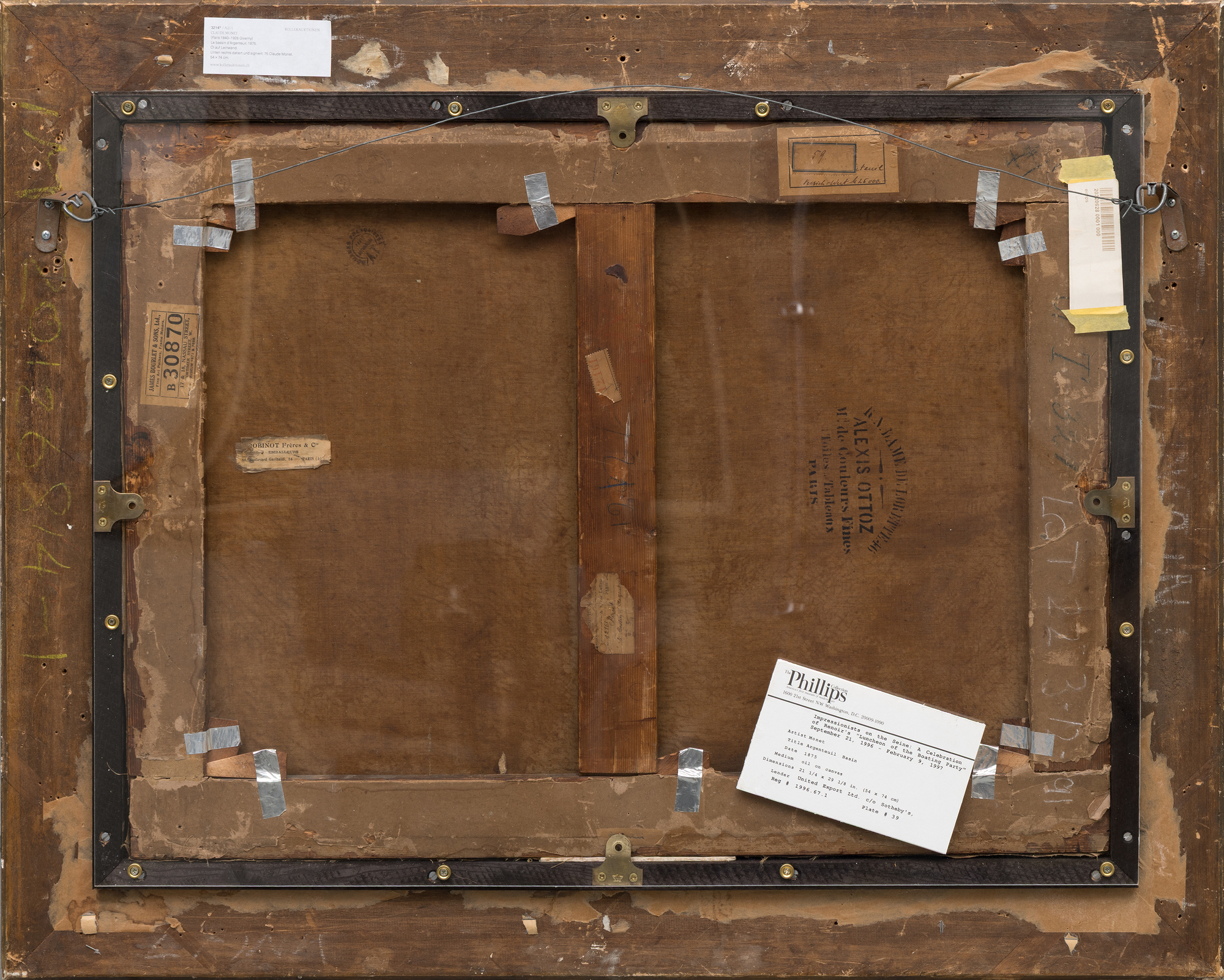
Bei Galerie Bernheim-Jeune, Paris, Nr. 12161 (Etikett rückseitig)
Sammlung Oscar Schmitz, Dresden, 1904
Kunsthaus Zürich, seit 1931 Leihgabe aus der Sammlung Oscar Schmitz
Kunstmuseum Basel, seit 1934 Leihgabe aus der Sammlung Oscar Schmitz
Wildenstein & Co., London, seit 1936
Herr E.W. Fattorini, Großbritannien, 1940
Sotheby's, London, 16. April 1975, Los 25
Privatsammlung, England
Sotheby's, London, 3. Dezember 1991, Los 22
Privatsammlung, London, erworben bei der oben genannten Auktion
...Mehr.....auf
Privatsammlung, Europa
Koller Auktionen AG, Zürich, 29. November 2024, Los 03214
Privatsammlung, London, erworben bei der oben genannten Auktion
Ausstellung
Zürich, Kunsthaus Zürich, Sammlung Oscar Schmitz, 14. Januar bis 14. Februar 1932, Nr. 35/47
Balingen, Stadthalle, Claude Monet, 18. Juni bis 31. August 1992, Nr. 6
Washington, D.C., Phillips Collection, Impressionisten an der Seine: Eine Hommage an Renoirs „Das Mittagessen der Ruderer“, 21. September 1996 bis 2. Februar 1997, Nr. 39
Literaturhinweise
Daniel Wildenstein, Monet. Catalogue raisonné. Werkverzeichnis, Bonn, 1996, Band II, S. 153, Nr. 371 (abgebildet)
Paul Fechter, „Die Sammlung Schmitz“, Kunst und Künstler: Illustrierte Monatsschrift für bildende Kunst und Kunstgewerbe, Berlin, Oktober 1909, S. 21
Karl Scheffler, „Die Sammlung Oskar Schmitz in Dresden“, Kunst und Künstler: Illustrierte Monatsschrift für bildende Kunst und Kunstgewerbe, Berlin, 1920/21, S. 186
Marie Dormoy, „La collection Schmitz à Dresde“, L’Amour de l’art, Paris, Oktober 1926, S. 342
Daniel Wildenstein, Monet, Leben und Werk, Lausanne/Paris, 1974, Band I, S. 237, 272 (abgebildet)
Joel Isaacson, Beobachtung und Reflexion. Claude Monet, Oxford, 1978, S. 95, 207 (abgebildet)
Paul Hayes Tucker, Monet in Argenteuil, New Haven/London, 1982, S. 120 (abgebildet unter Nr. XXI)
Daniel Wildenstein, Monet, Leben und Werk, Lausanne/Paris, 1991, Band V, S. 30 (abgebildet)
...WENIGER.....
Claude Monets „Le bassin d’Argenteuil“ (1875) ist ein leuchtendes Beispiel aus einer der wichtigsten Phasen seiner Karriere. Das Gemälde entstand im späten Frühjahr oder Sommer 1875, nur ein Jahr nach der bahnbrechenden ersten Ausstellung der Impressionisten. Die Komposition, die an der Seine in Argenteuil spielt, fängt ein ruhiges Becken ein, das durch kleine Boote, Figuren und Spiegelungen belebt wird und mit lockeren, ausdrucksstarken Pinselstrichen wiedergegeben ist, die die flüchtigen Effekte von Licht und Atmosphäre vermitteln. Die sanfte Diffusion von Wasser und Himmel schafft eine schimmernde Oberfläche, die perfekt zu Monets Pleinair-Praxis und seinem Wunsch passt, die Wahrnehmung des Augenblicks festzuhalten.


Argenteuil spielte eine zentrale Rolle bei der Herausbildung des Impressionismus und markierte eine Zeit, in der dessen Ideen, Themen und gemeinschaftlicher Geist vollständig verschmolzen. Zwischen 1871 und 1878 zog Monets Anwesenheit dort andere Künstler wie Renoir, Manet, Sisley und Caillebotte an und förderte ein Umfeld des gemeinsamen Experimentierens und der Innovation.


Die frühe Provenienz des Gemäldes unterstreicht seine Bedeutung zusätzlich. Es gehörte Oscar A. H. Schmitz, einem deutschen Schriftsteller und Intellektuellen, der für seine Schriften zur Jungschen Psychologie und seine anspruchsvolle Sammlung von Kunstwerken des 19. Jahrhunderts bekannt war. Nach Schmitz' unerwartetem Tod im Jahr 1933 wurde die Sammlung an das Kunstmuseum Basel übergeben. Im Jahr 1936 übernahm der Kunsthändler Wildenstein & Co. 62 Werke aus der Sammlung und organisierte eine große Ausstellung und einen Verkauf in Paris und New York. Le bassin d’Argenteuil ist im Werkverzeichnis von Daniel Wildenstein (1996), Band II, S. 153, als Nr. 371 aufgeführt und in acht Büchern veröffentlicht.
Fragen Sie