戻る

クロード・モネ (1840-1926)

$7,500,000

 
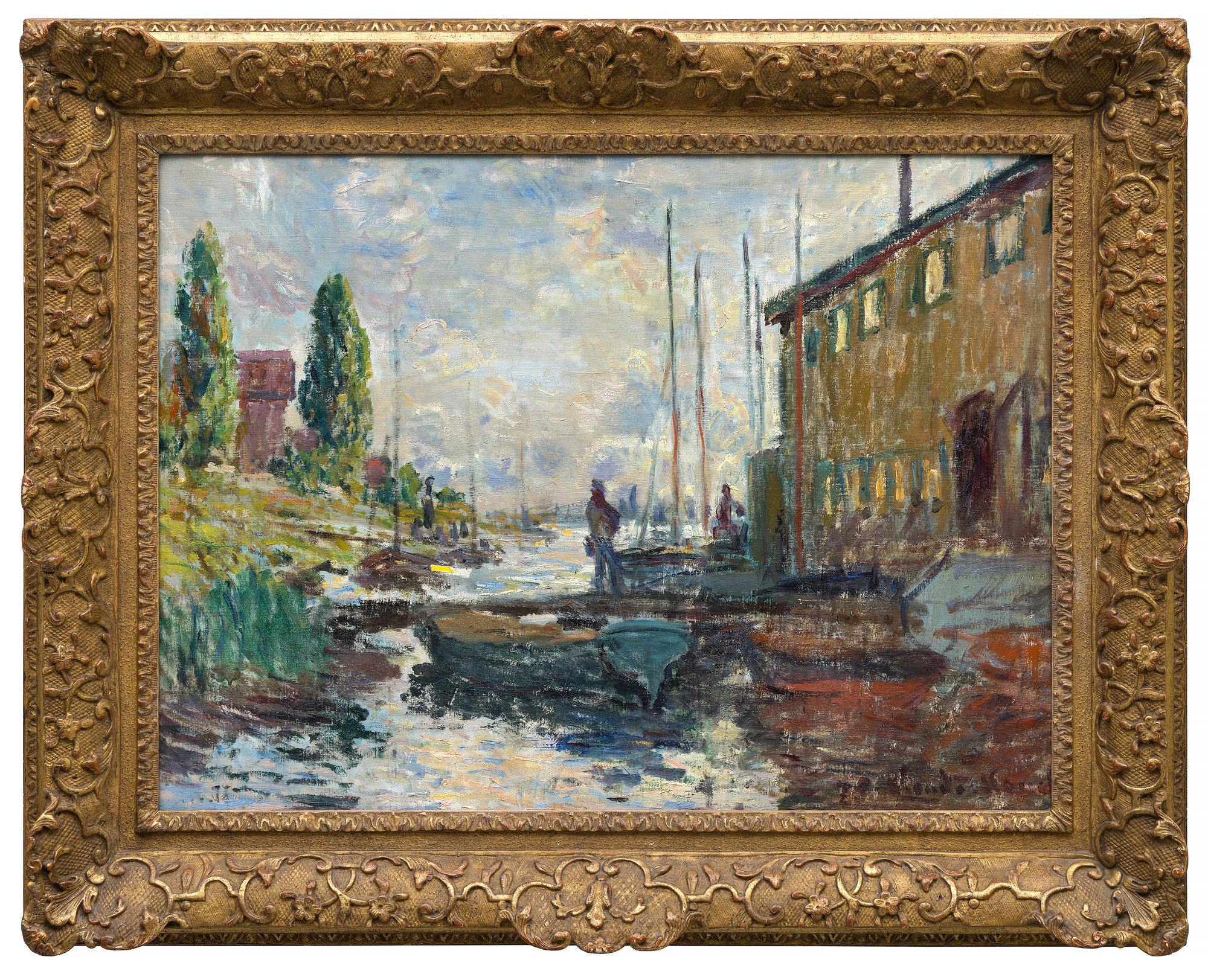
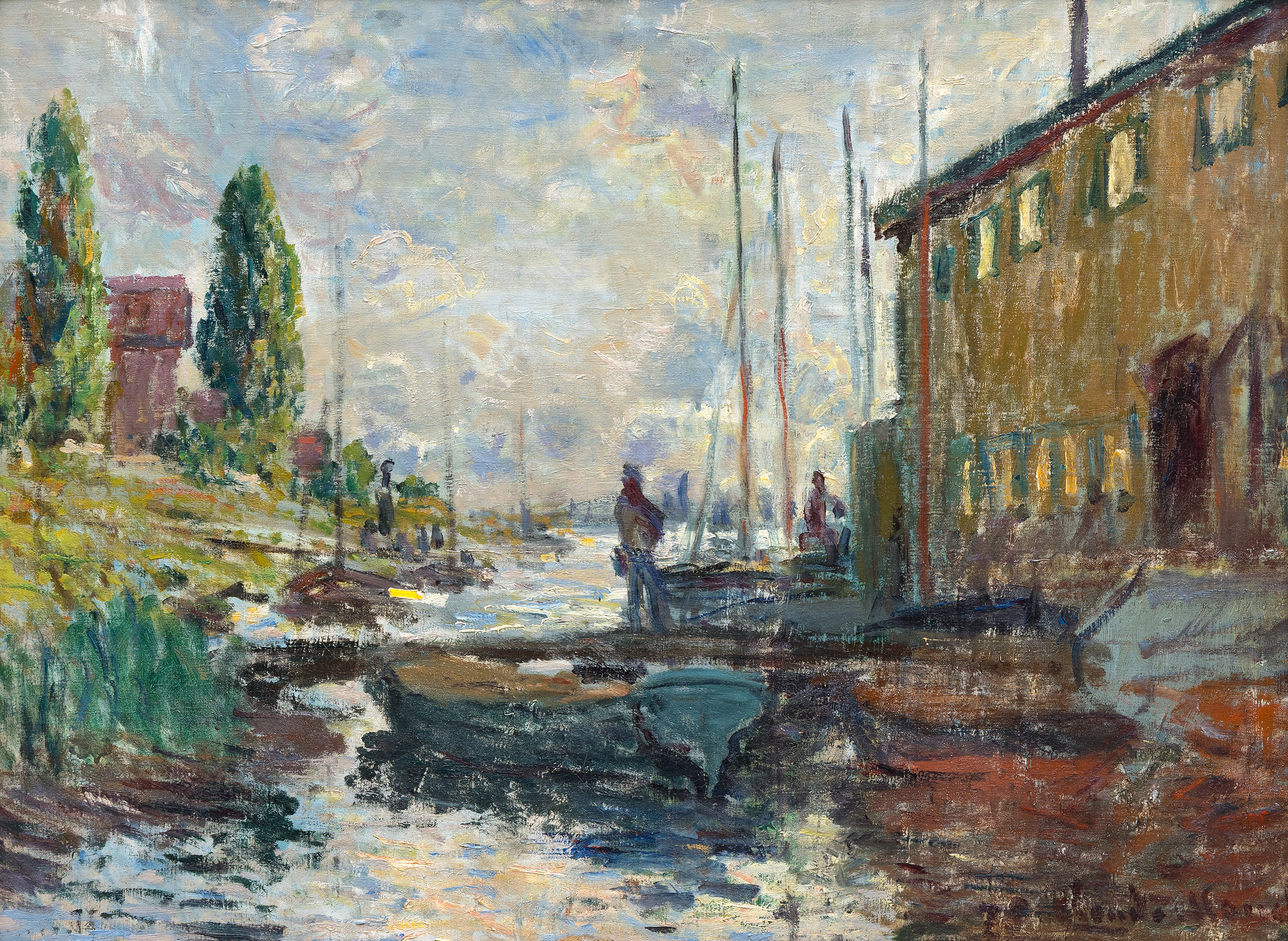
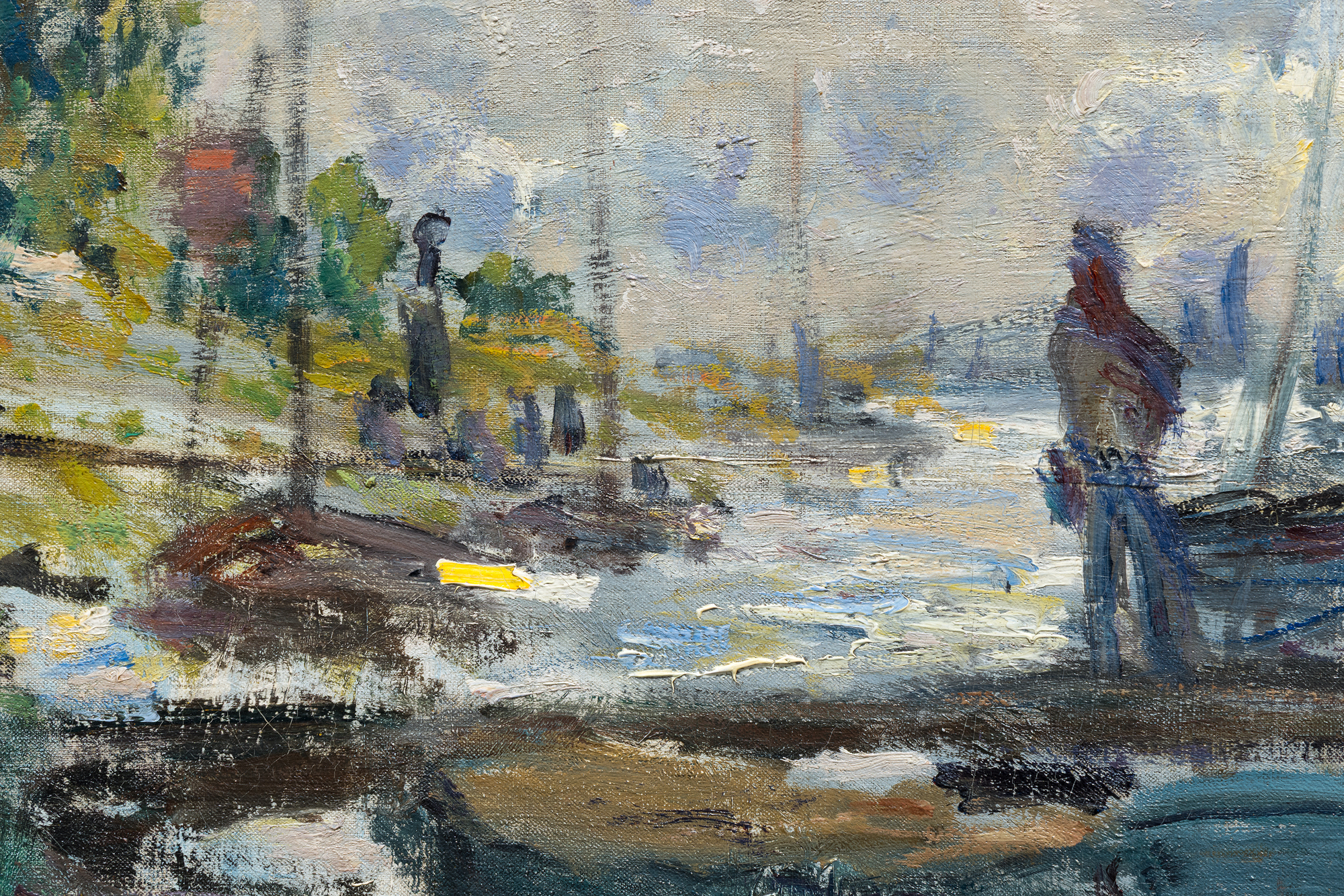
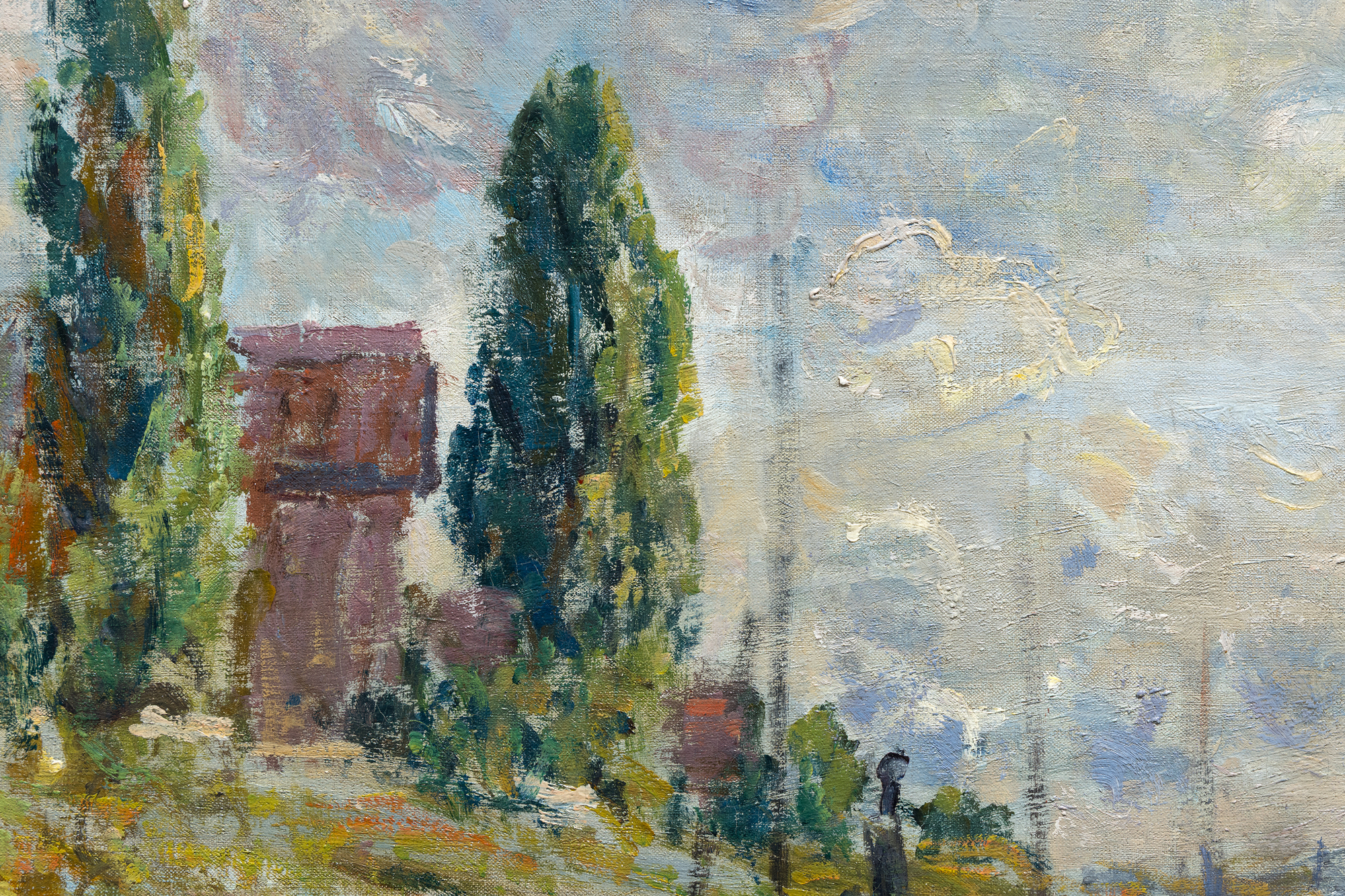
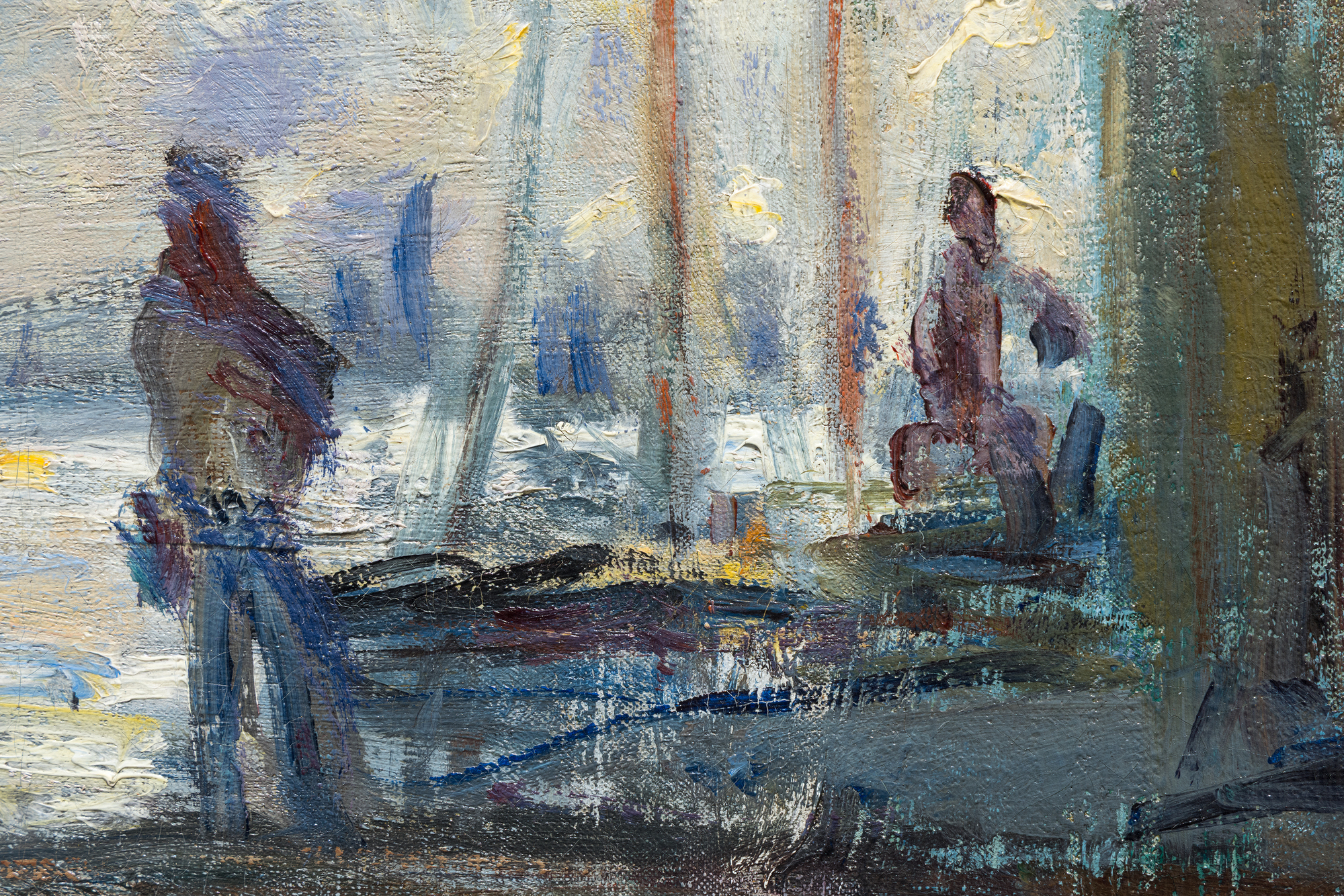
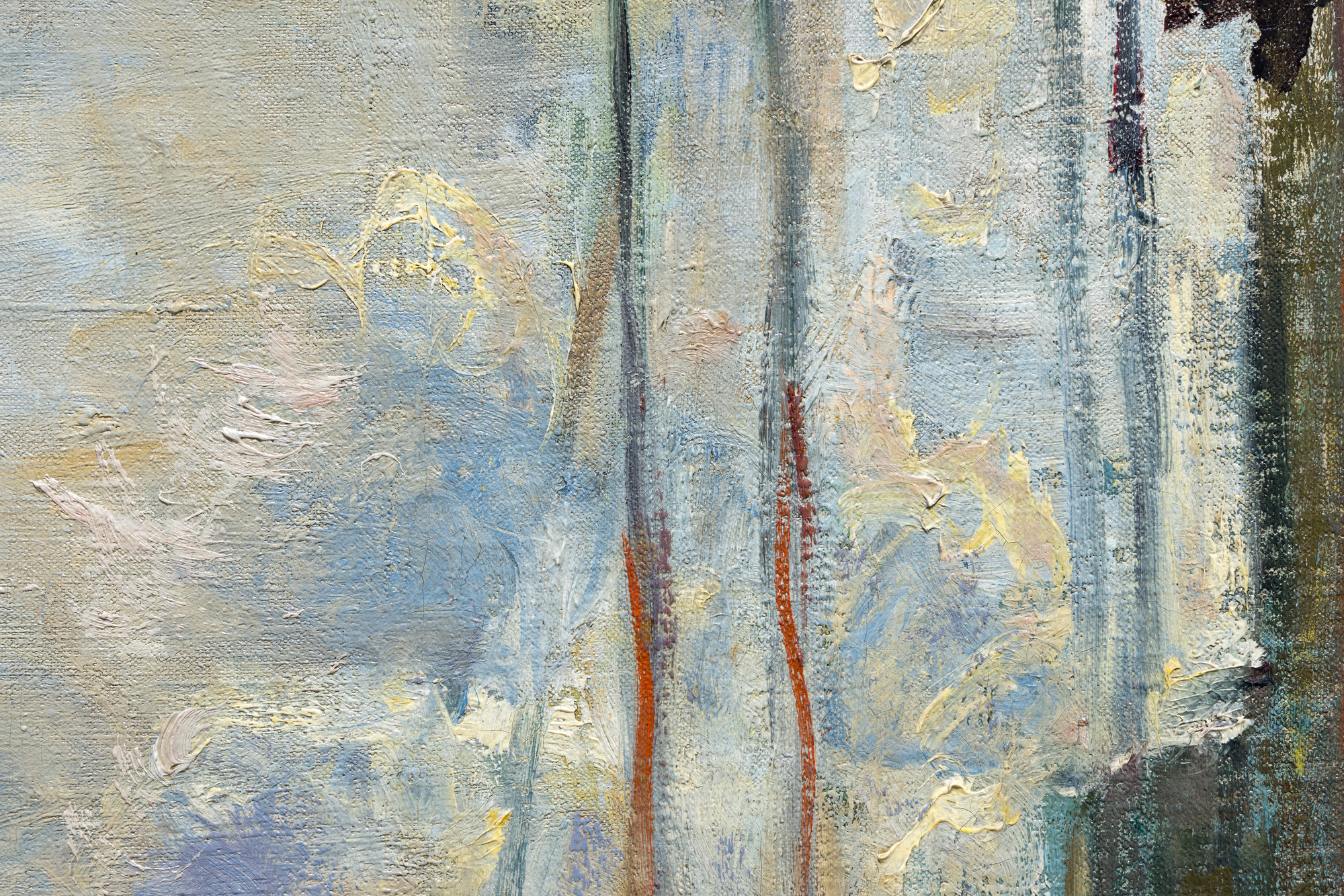
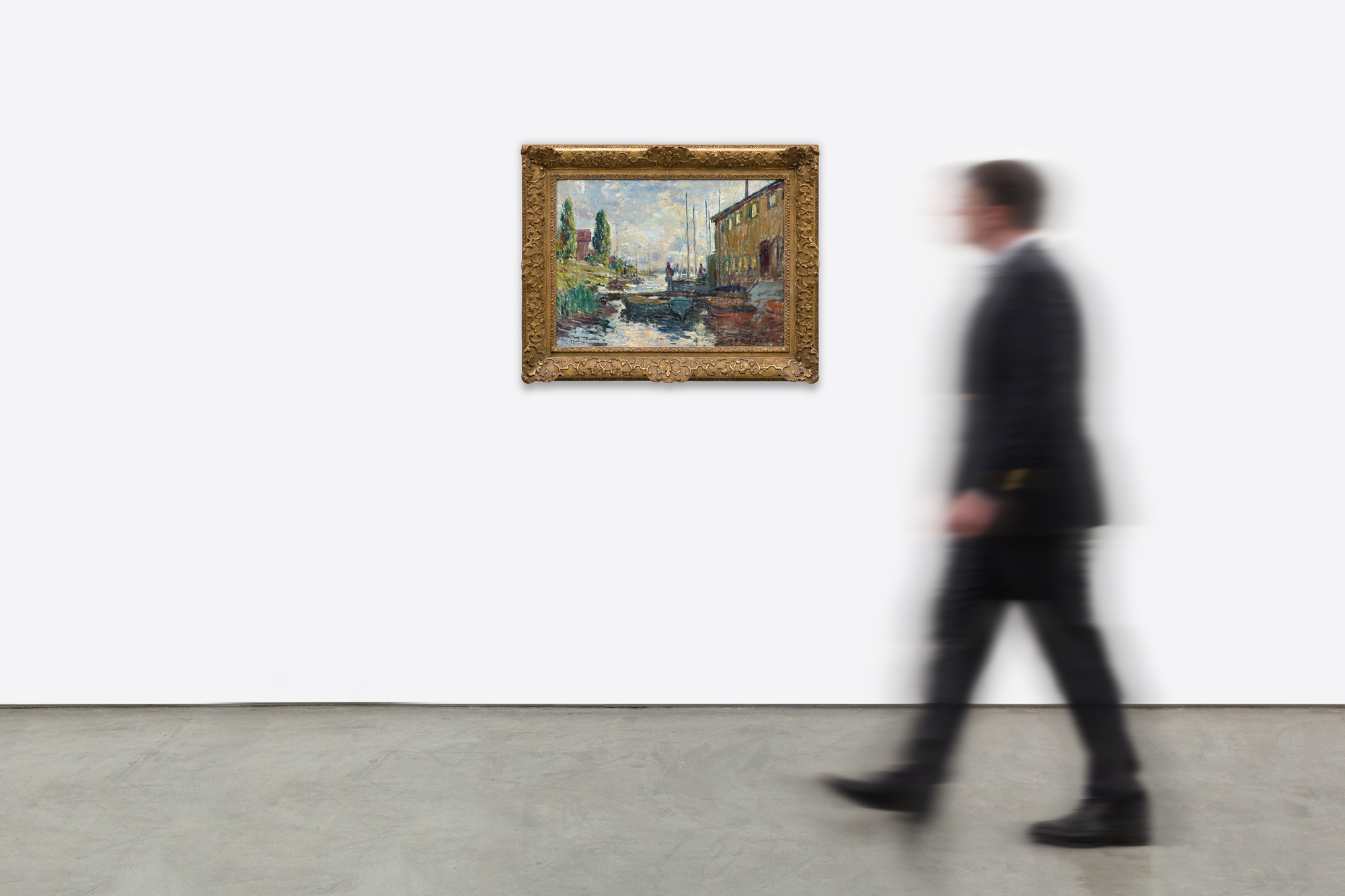
<div>Claude Monet’s <em>Le bassin d’Argenteuil</em> (1875) is a luminous example from one of the most pivotal periods of his career, painted in the late spring or summer of 1875, just one year after the groundbreaking first Impressionist exhibition. Set along the Seine at Argenteuil, the composition captures a quiet basin animated by small boats, figures, and reflections, rendered with loose, expressive brushwork that conveys the fleeting effects of light and atmosphere. The gentle diffusion of water and sky creates a shimmering surface, perfectly suited to Monet’s plein air practice and his desire to record perception in the moment. </div><br><br><div> </div><br><br><div>Argenteuil was central to the crystallization of Impressionism, marking a time when its ideas, subject matter, and collaborative spirit fully coalesced. Between 1871 and 1878, Monet’s presence there drew fellow artists including Renoir, Manet, Sisley, and Caillebotte, fostering an environment of shared experimentation and innovation. </div><br><br><div> </div><br><br><div>The painting’s early provenance further enhances its significance. It was owned by Oscar A. H. Schmitz, the German writer and intellectual known for his writings on Jungian psychology and his discerning collection of 19th-century art. Following Schmitz’s unexpected death in 1933, the collection was sent to the Kunstmuseum Basel. In 1936, the art dealer Wildenstein & Co. took over 62 works from the collection and organized a major exhibition and sale in Paris and New York.<em> Le bassin d’Argenteuil</em> is included in the Daniel Wildenstein catalogue raisonné (1996), vol. II, p. 153, as no. 371, and is published in eight books. </div> <div>Claude Monet’s <em>Le bassin d’Argenteuil</em> (1875) is a luminous example from one of the most pivotal periods of his career, painted in the late spring or summer of 1875, just one year after the groundbreaking first Impressionist exhibition. Set along the Seine at Argenteuil, the composition captures a quiet basin animated by small boats, figures, and reflections, rendered with loose, expressive brushwork that conveys the fleeting effects of light and atmosphere. The gentle diffusion of water and sky creates a shimmering surface, perfectly suited to Monet’s plein air practice and his desire to record perception in the moment. </div><br><br><div> </div><br><br><div>Argenteuil was central to the crystallization of Impressionism, marking a time when its ideas, subject matter, and collaborative spirit fully coalesced. Between 1871 and 1878, Monet’s presence there drew fellow artists including Renoir, Manet, Sisley, and Caillebotte, fostering an environment of shared experimentation and innovation. </div><br><br><div> </div><br><br><div>The painting’s early provenance further enhances its significance. It was owned by Oscar A. H. Schmitz, the German writer and intellectual known for his writings on Jungian psychology and his discerning collection of 19th-century art. Following Schmitz’s unexpected death in 1933, the collection was sent to the Kunstmuseum Basel. In 1936, the art dealer Wildenstein & Co. took over 62 works from the collection and organized a major exhibition and sale in Paris and New York.<em> Le bassin d’Argenteuil</em> is included in the Daniel Wildenstein catalogue raisonné (1996), vol. II, p. 153, as no. 371, and is published in eight books. </div> <div>Claude Monet’s <em>Le bassin d’Argenteuil</em> (1875) is a luminous example from one of the most pivotal periods of his career, painted in the late spring or summer of 1875, just one year after the groundbreaking first Impressionist exhibition. Set along the Seine at Argenteuil, the composition captures a quiet basin animated by small boats, figures, and reflections, rendered with loose, expressive brushwork that conveys the fleeting effects of light and atmosphere. The gentle diffusion of water and sky creates a shimmering surface, perfectly suited to Monet’s plein air practice and his desire to record perception in the moment. </div><br><br><div> </div><br><br><div>Argenteuil was central to the crystallization of Impressionism, marking a time when its ideas, subject matter, and collaborative spirit fully coalesced. Between 1871 and 1878, Monet’s presence there drew fellow artists including Renoir, Manet, Sisley, and Caillebotte, fostering an environment of shared experimentation and innovation. </div><br><br><div> </div><br><br><div>The painting’s early provenance further enhances its significance. It was owned by Oscar A. H. Schmitz, the German writer and intellectual known for his writings on Jungian psychology and his discerning collection of 19th-century art. Following Schmitz’s unexpected death in 1933, the collection was sent to the Kunstmuseum Basel. In 1936, the art dealer Wildenstein & Co. took over 62 works from the collection and organized a major exhibition and sale in Paris and New York.<em> Le bassin d’Argenteuil</em> is included in the Daniel Wildenstein catalogue raisonné (1996), vol. II, p. 153, as no. 371, and is published in eight books. </div> <div>Claude Monet’s <em>Le bassin d’Argenteuil</em> (1875) is a luminous example from one of the most pivotal periods of his career, painted in the late spring or summer of 1875, just one year after the groundbreaking first Impressionist exhibition. Set along the Seine at Argenteuil, the composition captures a quiet basin animated by small boats, figures, and reflections, rendered with loose, expressive brushwork that conveys the fleeting effects of light and atmosphere. The gentle diffusion of water and sky creates a shimmering surface, perfectly suited to Monet’s plein air practice and his desire to record perception in the moment. </div><br><br><div> </div><br><br><div>Argenteuil was central to the crystallization of Impressionism, marking a time when its ideas, subject matter, and collaborative spirit fully coalesced. Between 1871 and 1878, Monet’s presence there drew fellow artists including Renoir, Manet, Sisley, and Caillebotte, fostering an environment of shared experimentation and innovation. </div><br><br><div> </div><br><br><div>The painting’s early provenance further enhances its significance. It was owned by Oscar A. H. Schmitz, the German writer and intellectual known for his writings on Jungian psychology and his discerning collection of 19th-century art. Following Schmitz’s unexpected death in 1933, the collection was sent to the Kunstmuseum Basel. In 1936, the art dealer Wildenstein & Co. took over 62 works from the collection and organized a major exhibition and sale in Paris and New York.<em> Le bassin d’Argenteuil</em> is included in the Daniel Wildenstein catalogue raisonné (1996), vol. II, p. 153, as no. 371, and is published in eight books. </div> <div>Claude Monet’s <em>Le bassin d’Argenteuil</em> (1875) is a luminous example from one of the most pivotal periods of his career, painted in the late spring or summer of 1875, just one year after the groundbreaking first Impressionist exhibition. Set along the Seine at Argenteuil, the composition captures a quiet basin animated by small boats, figures, and reflections, rendered with loose, expressive brushwork that conveys the fleeting effects of light and atmosphere. The gentle diffusion of water and sky creates a shimmering surface, perfectly suited to Monet’s plein air practice and his desire to record perception in the moment. </div><br><br><div> </div><br><br><div>Argenteuil was central to the crystallization of Impressionism, marking a time when its ideas, subject matter, and collaborative spirit fully coalesced. Between 1871 and 1878, Monet’s presence there drew fellow artists including Renoir, Manet, Sisley, and Caillebotte, fostering an environment of shared experimentation and innovation. </div><br><br><div> </div><br><br><div>The painting’s early provenance further enhances its significance. It was owned by Oscar A. H. Schmitz, the German writer and intellectual known for his writings on Jungian psychology and his discerning collection of 19th-century art. Following Schmitz’s unexpected death in 1933, the collection was sent to the Kunstmuseum Basel. In 1936, the art dealer Wildenstein & Co. took over 62 works from the collection and organized a major exhibition and sale in Paris and New York.<em> Le bassin d’Argenteuil</em> is included in the Daniel Wildenstein catalogue raisonné (1996), vol. II, p. 153, as no. 371, and is published in eight books. </div> <div>Claude Monet’s <em>Le bassin d’Argenteuil</em> (1875) is a luminous example from one of the most pivotal periods of his career, painted in the late spring or summer of 1875, just one year after the groundbreaking first Impressionist exhibition. Set along the Seine at Argenteuil, the composition captures a quiet basin animated by small boats, figures, and reflections, rendered with loose, expressive brushwork that conveys the fleeting effects of light and atmosphere. The gentle diffusion of water and sky creates a shimmering surface, perfectly suited to Monet’s plein air practice and his desire to record perception in the moment. </div><br><br><div> </div><br><br><div>Argenteuil was central to the crystallization of Impressionism, marking a time when its ideas, subject matter, and collaborative spirit fully coalesced. Between 1871 and 1878, Monet’s presence there drew fellow artists including Renoir, Manet, Sisley, and Caillebotte, fostering an environment of shared experimentation and innovation. </div><br><br><div> </div><br><br><div>The painting’s early provenance further enhances its significance. It was owned by Oscar A. H. Schmitz, the German writer and intellectual known for his writings on Jungian psychology and his discerning collection of 19th-century art. Following Schmitz’s unexpected death in 1933, the collection was sent to the Kunstmuseum Basel. In 1936, the art dealer Wildenstein & Co. took over 62 works from the collection and organized a major exhibition and sale in Paris and New York.<em> Le bassin d’Argenteuil</em> is included in the Daniel Wildenstein catalogue raisonné (1996), vol. II, p. 153, as no. 371, and is published in eight books. </div> <div>Claude Monet’s <em>Le bassin d’Argenteuil</em> (1875) is a luminous example from one of the most pivotal periods of his career, painted in the late spring or summer of 1875, just one year after the groundbreaking first Impressionist exhibition. Set along the Seine at Argenteuil, the composition captures a quiet basin animated by small boats, figures, and reflections, rendered with loose, expressive brushwork that conveys the fleeting effects of light and atmosphere. The gentle diffusion of water and sky creates a shimmering surface, perfectly suited to Monet’s plein air practice and his desire to record perception in the moment. </div><br><br><div> </div><br><br><div>Argenteuil was central to the crystallization of Impressionism, marking a time when its ideas, subject matter, and collaborative spirit fully coalesced. Between 1871 and 1878, Monet’s presence there drew fellow artists including Renoir, Manet, Sisley, and Caillebotte, fostering an environment of shared experimentation and innovation. </div><br><br><div> </div><br><br><div>The painting’s early provenance further enhances its significance. It was owned by Oscar A. H. Schmitz, the German writer and intellectual known for his writings on Jungian psychology and his discerning collection of 19th-century art. Following Schmitz’s unexpected death in 1933, the collection was sent to the Kunstmuseum Basel. In 1936, the art dealer Wildenstein & Co. took over 62 works from the collection and organized a major exhibition and sale in Paris and New York.<em> Le bassin d’Argenteuil</em> is included in the Daniel Wildenstein catalogue raisonné (1996), vol. II, p. 153, as no. 371, and is published in eight books. </div> <div>Claude Monet’s <em>Le bassin d’Argenteuil</em> (1875) is a luminous example from one of the most pivotal periods of his career, painted in the late spring or summer of 1875, just one year after the groundbreaking first Impressionist exhibition. Set along the Seine at Argenteuil, the composition captures a quiet basin animated by small boats, figures, and reflections, rendered with loose, expressive brushwork that conveys the fleeting effects of light and atmosphere. The gentle diffusion of water and sky creates a shimmering surface, perfectly suited to Monet’s plein air practice and his desire to record perception in the moment. </div><br><br><div> </div><br><br><div>Argenteuil was central to the crystallization of Impressionism, marking a time when its ideas, subject matter, and collaborative spirit fully coalesced. Between 1871 and 1878, Monet’s presence there drew fellow artists including Renoir, Manet, Sisley, and Caillebotte, fostering an environment of shared experimentation and innovation. </div><br><br><div> </div><br><br><div>The painting’s early provenance further enhances its significance. It was owned by Oscar A. H. Schmitz, the German writer and intellectual known for his writings on Jungian psychology and his discerning collection of 19th-century art. Following Schmitz’s unexpected death in 1933, the collection was sent to the Kunstmuseum Basel. In 1936, the art dealer Wildenstein & Co. took over 62 works from the collection and organized a major exhibition and sale in Paris and New York.<em> Le bassin d’Argenteuil</em> is included in the Daniel Wildenstein catalogue raisonné (1996), vol. II, p. 153, as no. 371, and is published in eight books. </div> <div>Claude Monet’s <em>Le bassin d’Argenteuil</em> (1875) is a luminous example from one of the most pivotal periods of his career, painted in the late spring or summer of 1875, just one year after the groundbreaking first Impressionist exhibition. Set along the Seine at Argenteuil, the composition captures a quiet basin animated by small boats, figures, and reflections, rendered with loose, expressive brushwork that conveys the fleeting effects of light and atmosphere. The gentle diffusion of water and sky creates a shimmering surface, perfectly suited to Monet’s plein air practice and his desire to record perception in the moment. </div><br><br><div> </div><br><br><div>Argenteuil was central to the crystallization of Impressionism, marking a time when its ideas, subject matter, and collaborative spirit fully coalesced. Between 1871 and 1878, Monet’s presence there drew fellow artists including Renoir, Manet, Sisley, and Caillebotte, fostering an environment of shared experimentation and innovation. </div><br><br><div> </div><br><br><div>The painting’s early provenance further enhances its significance. It was owned by Oscar A. H. Schmitz, the German writer and intellectual known for his writings on Jungian psychology and his discerning collection of 19th-century art. Following Schmitz’s unexpected death in 1933, the collection was sent to the Kunstmuseum Basel. In 1936, the art dealer Wildenstein & Co. took over 62 works from the collection and organized a major exhibition and sale in Paris and New York.<em> Le bassin d’Argenteuil</em> is included in the Daniel Wildenstein catalogue raisonné (1996), vol. II, p. 153, as no. 371, and is published in eight books. </div> <div>Claude Monet’s <em>Le bassin d’Argenteuil</em> (1875) is a luminous example from one of the most pivotal periods of his career, painted in the late spring or summer of 1875, just one year after the groundbreaking first Impressionist exhibition. Set along the Seine at Argenteuil, the composition captures a quiet basin animated by small boats, figures, and reflections, rendered with loose, expressive brushwork that conveys the fleeting effects of light and atmosphere. The gentle diffusion of water and sky creates a shimmering surface, perfectly suited to Monet’s plein air practice and his desire to record perception in the moment. </div><br><br><div> </div><br><br><div>Argenteuil was central to the crystallization of Impressionism, marking a time when its ideas, subject matter, and collaborative spirit fully coalesced. Between 1871 and 1878, Monet’s presence there drew fellow artists including Renoir, Manet, Sisley, and Caillebotte, fostering an environment of shared experimentation and innovation. </div><br><br><div> </div><br><br><div>The painting’s early provenance further enhances its significance. It was owned by Oscar A. H. Schmitz, the German writer and intellectual known for his writings on Jungian psychology and his discerning collection of 19th-century art. Following Schmitz’s unexpected death in 1933, the collection was sent to the Kunstmuseum Basel. In 1936, the art dealer Wildenstein & Co. took over 62 works from the collection and organized a major exhibition and sale in Paris and New York.<em> Le bassin d’Argenteuil</em> is included in the Daniel Wildenstein catalogue raisonné (1996), vol. II, p. 153, as no. 371, and is published in eight books. </div>
アルジャントゥイユの池1875年21 3/4 x 29 1/4 インチ(55.25 x 74.3 cm) 油彩・キャンバス
出所
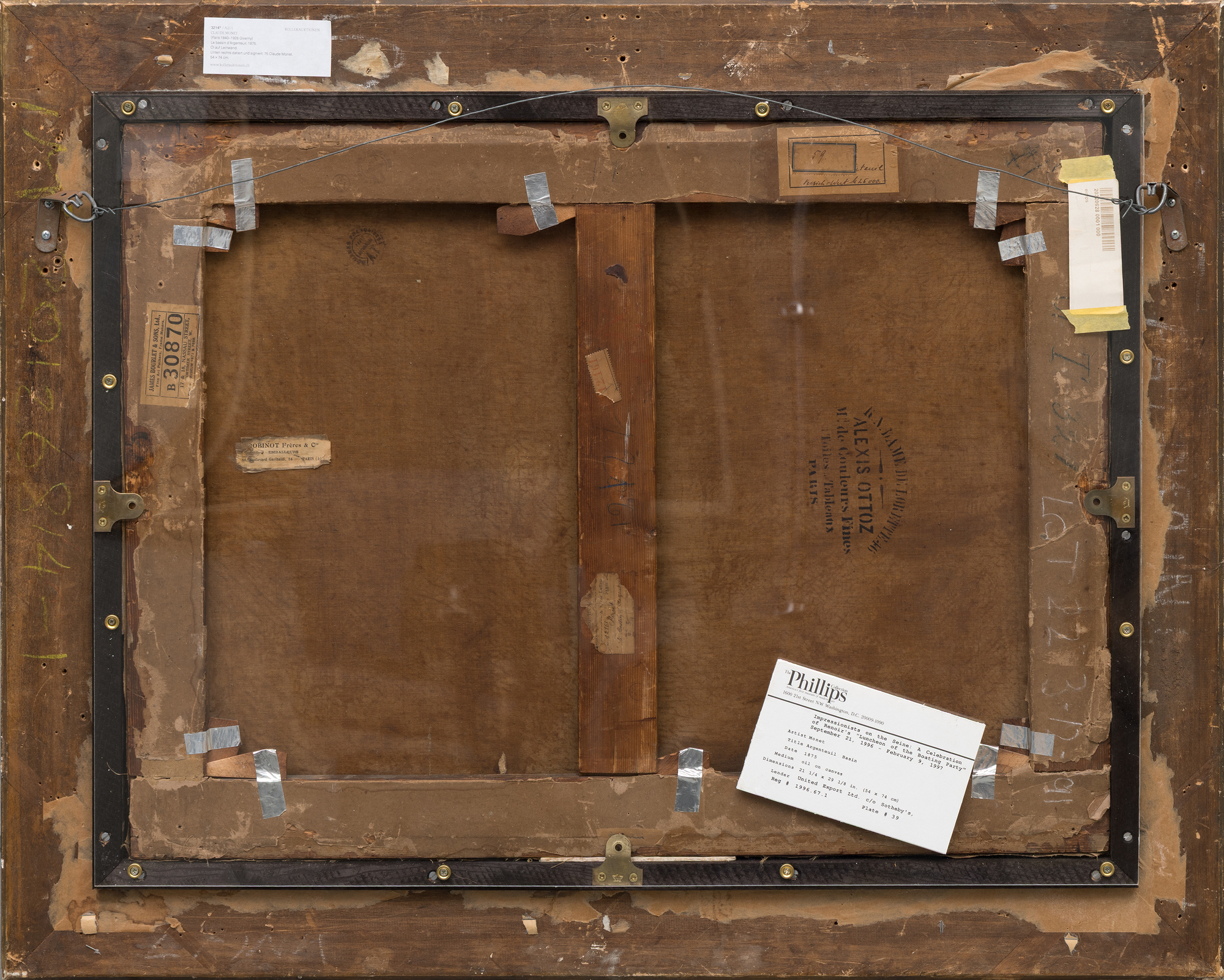
パリ、ベルヌ・ジュヌ画廊所蔵、番号12161(裏面ラベル)
ドレスデン、オスカー・シュミッツ・コレクション、1904年
チューリッヒ美術館、1931年よりオスカー・シュミッツ・コレクションより貸与
バーゼル美術館、1934年よりオスカー・シュミッツ・コレクションより貸与
ワイルデンシュタイン社、ロンドン、1936年より
E.W.ファットリーニ氏、イギリス、1940年
サザビーズ、ロンドン、1975年4月16日、ロット25
個人コレクション、イングランド
サザビーズ、ロンドン、1991年12月3日、ロット22
個人コレクション、ロンドン、上記オークションにて取得
...もっとその。。。オン
個人コレクション、ヨーロッパ
コラー・オークション社(チューリッヒ)、2024年11月29日、ロット番号03214
ロンドン、個人コレクション、上記オークションにて落札
展示会
チューリッヒ、クンストハウス・チューリッヒ、オスカー・シュミッツ・コレクション、1932年1月14日~2月14日、作品番号35/47
バーリンゲン、シュタットハレ、クロード・モネ、1992年6月18日~8月31日、作品番号6
ワシントンD.C.、フィリップス・コレクション、「セーヌ川の印象派たち:ルノワールの『ボート乗りの昼食会』を祝して」、1996年9月21日~1997年2月2日、作品番号39
文学
ダニエル・ヴィルデンシュタイン『モネ作品総覧』第2巻、ボン、1996年、153頁、作品番号371(図版掲載)
ポール・フェヒター「シュミッツ・コレクション」『美術と芸術家:造形芸術と工芸のための月刊画報』ベルリン、1909年10月号、21頁
カール・シェフラー「ドレスデンにおけるオスカー・シュミッツ・コレクション」『芸術と芸術家:美術・工芸月刊誌』ベルリン、1920/21年、186頁
マリー・ドルモワ「ドレスデンにおけるシュミッツ・コレクション」『芸術への愛』パリ、1926年10月号、342頁
ダニエル・ヴィルデンシュタイン『モネ、生涯と作品』ローザンヌ/パリ、1974年、第1巻、237頁、272頁(図版付き)
ジョエル・アイザックソン『観察と反映。クロード・モネ』オックスフォード、1978年、95頁、207頁(図版付き)
ポール・ヘイズ・タッカー『アルジャントゥイユのモネ』ニューヘイブン/ロンドン、1982年、120頁(図版番号XXI)
ダニエル・ヴィルデンシュタイン『モネ、生涯と作品』ローザンヌ/パリ、1991年、第5巻、30頁(図版付き)
...少ない。。。
クロード・モネの『アルジャントゥイユの池』(1875年)は、画期的な最初の印象派展からわずか1年後の1875年、晩春から夏にかけて描かれた、彼のキャリアにおいて最も重要な時期の一つにおける輝かしい作品である。 アルジャントゥイユのセーヌ川沿いを舞台にしたこの構図は、小さなボートや人物、水面に映る影によって活気づけられた静かな池を捉えている。緩やかで表現力豊かな筆致は、光と大気の儚い効果を伝えている。水と空の穏やかな拡散がきらめく水面を生み出し、モネの野外制作(プレナール)の実践と、その瞬間の知覚を記録したいという願望に完璧に合致している。


アルジャントゥイユは印象派の思想・主題・共同制作精神が完全に融合した、印象派結晶化の中心地であった。1871年から1878年にかけ、モネの滞在はルノワール、マネ、シスレー、カイユボットら同時代の芸術家を引き寄せ、共同実験と革新の環境を育んだ。


本作の初期来歴はさらにその重要性を高めている。所有者はユング心理学に関する著作と19世紀美術の優れた収集で知られるドイツの作家・知識人、オスカー・A・H・シュミッツであった。1933年にシュミッツが急逝すると、コレクションはバーゼル美術館へ移管された。 1936年、美術商ヴィルデンシュタイン社は同コレクションから62点を取得し、パリとニューヨークで大規模な展覧会兼販売会を開催した。『アルジャントゥイユの池』はダニエル・ヴィルデンシュタイン編『作品総覧』(1996年)第II巻153頁に第371号として掲載され、8冊の書籍で出版されている。
お 問い合わせ