OLGA DE AMARAL (נ' 1932)

 
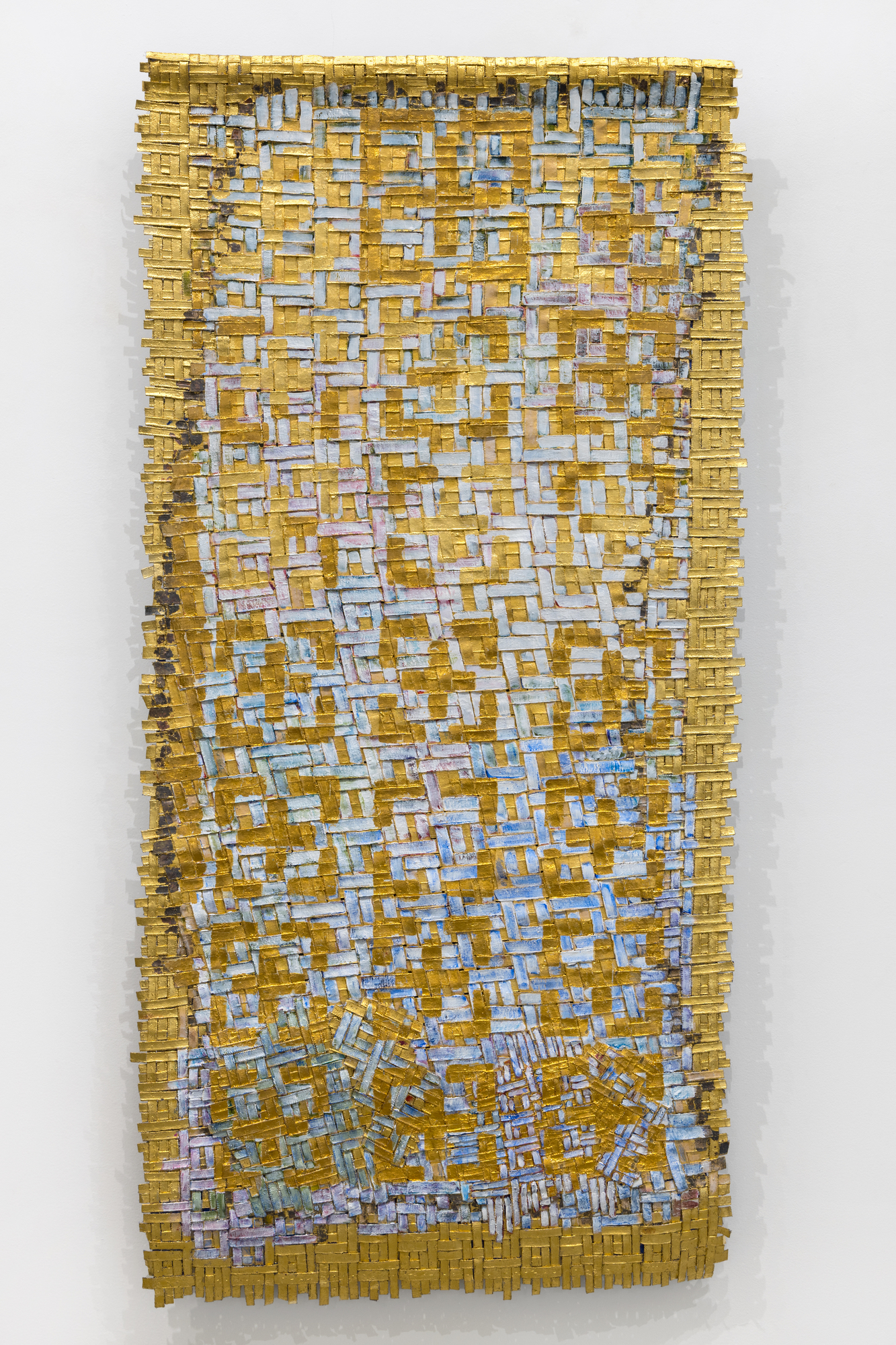
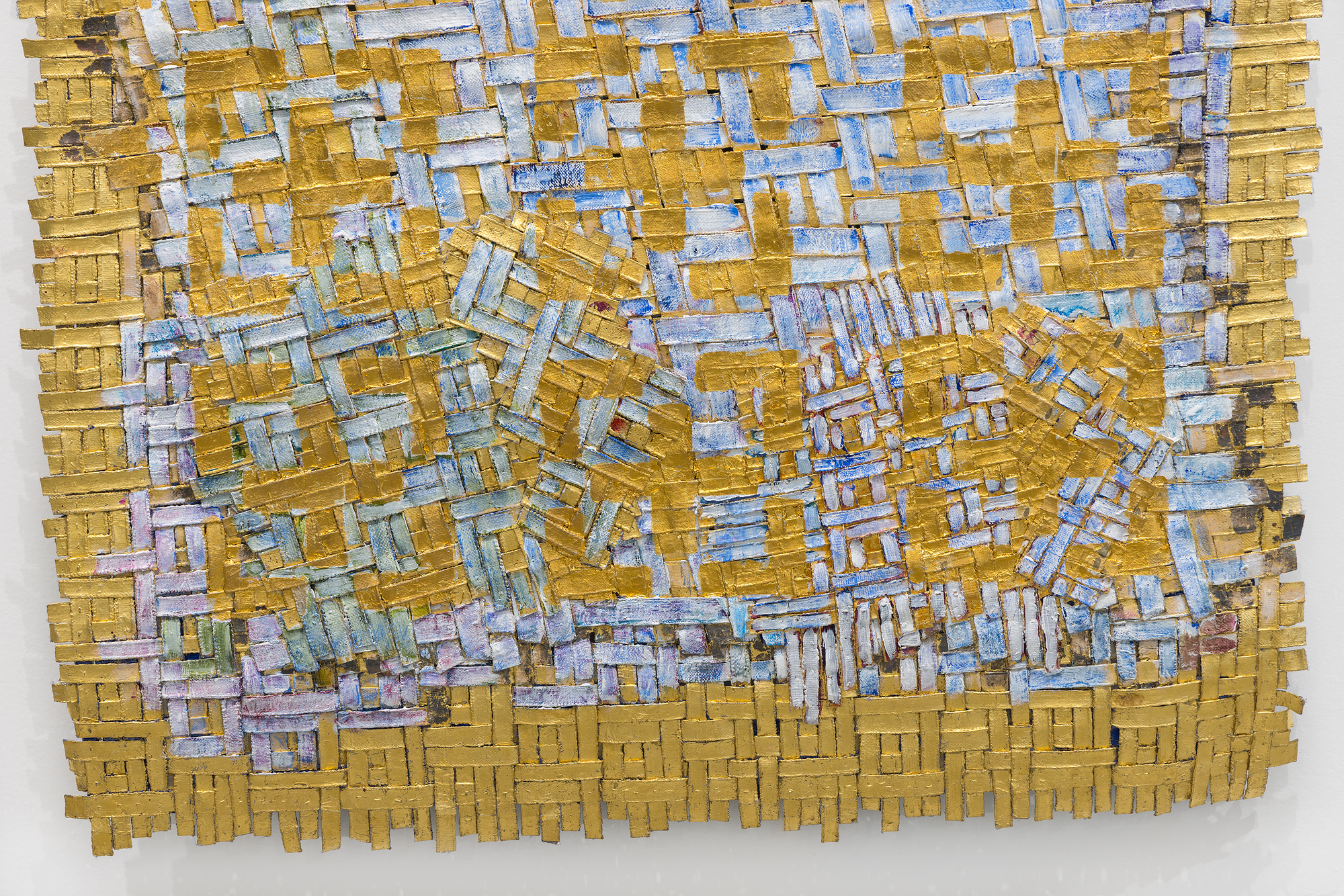
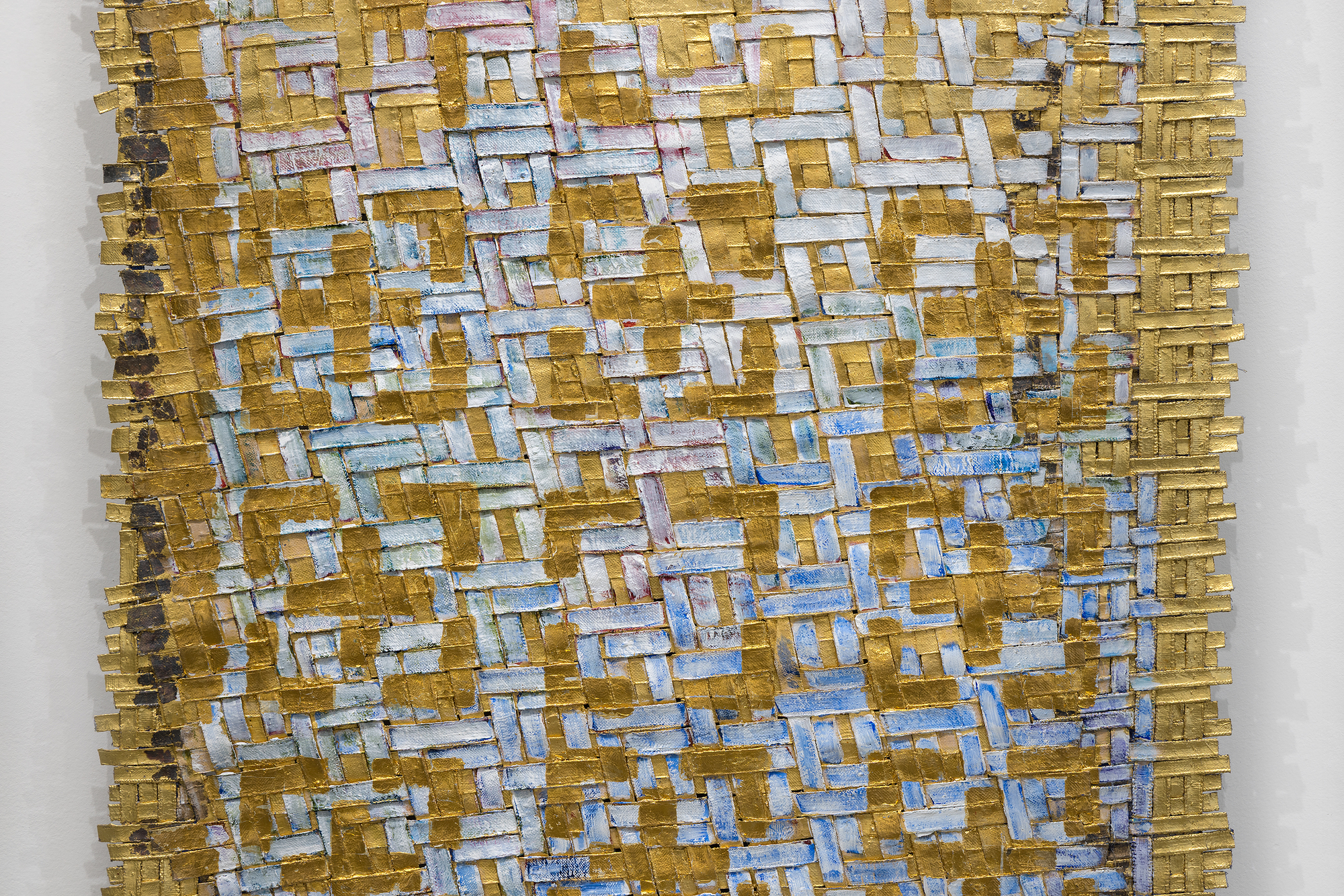
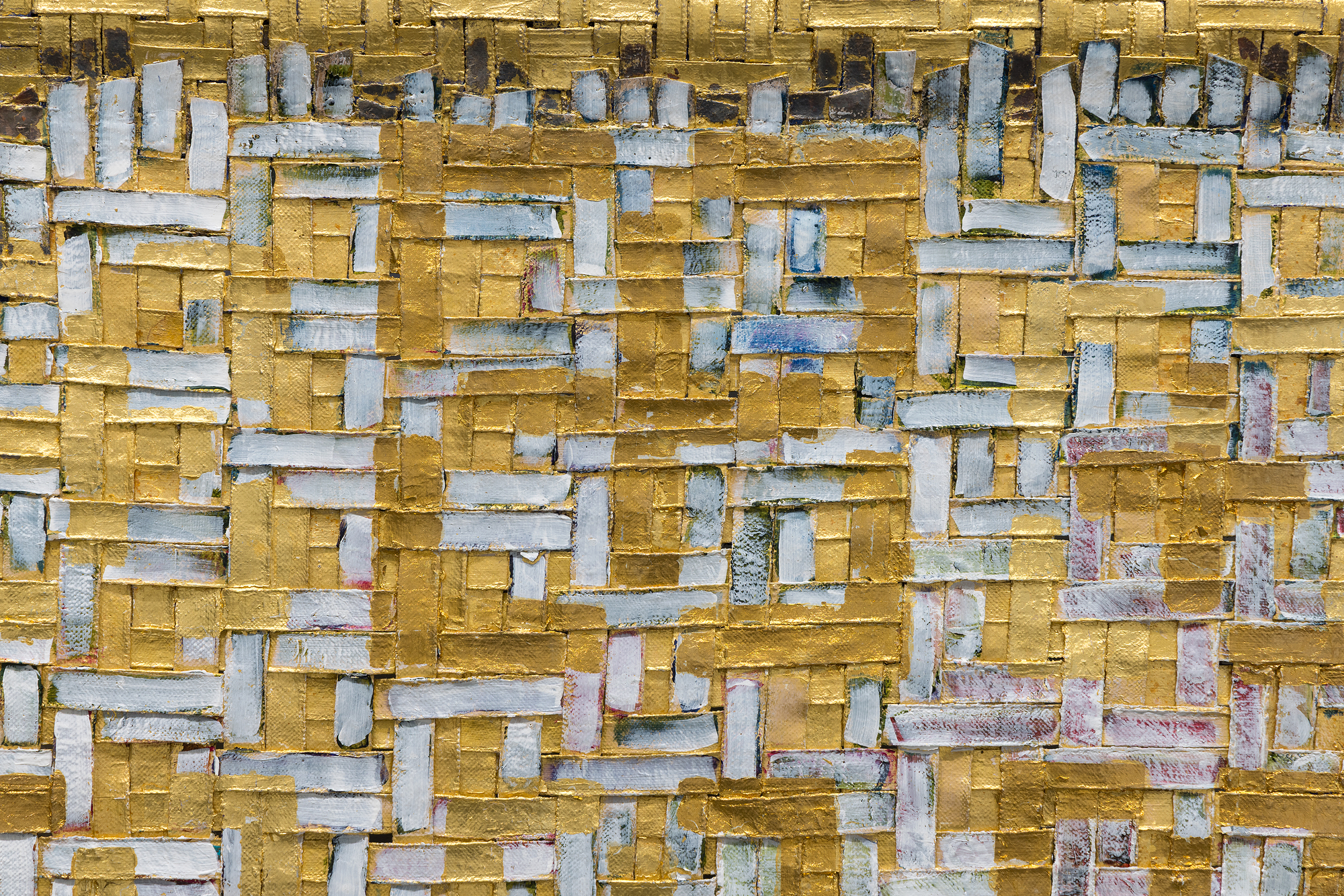
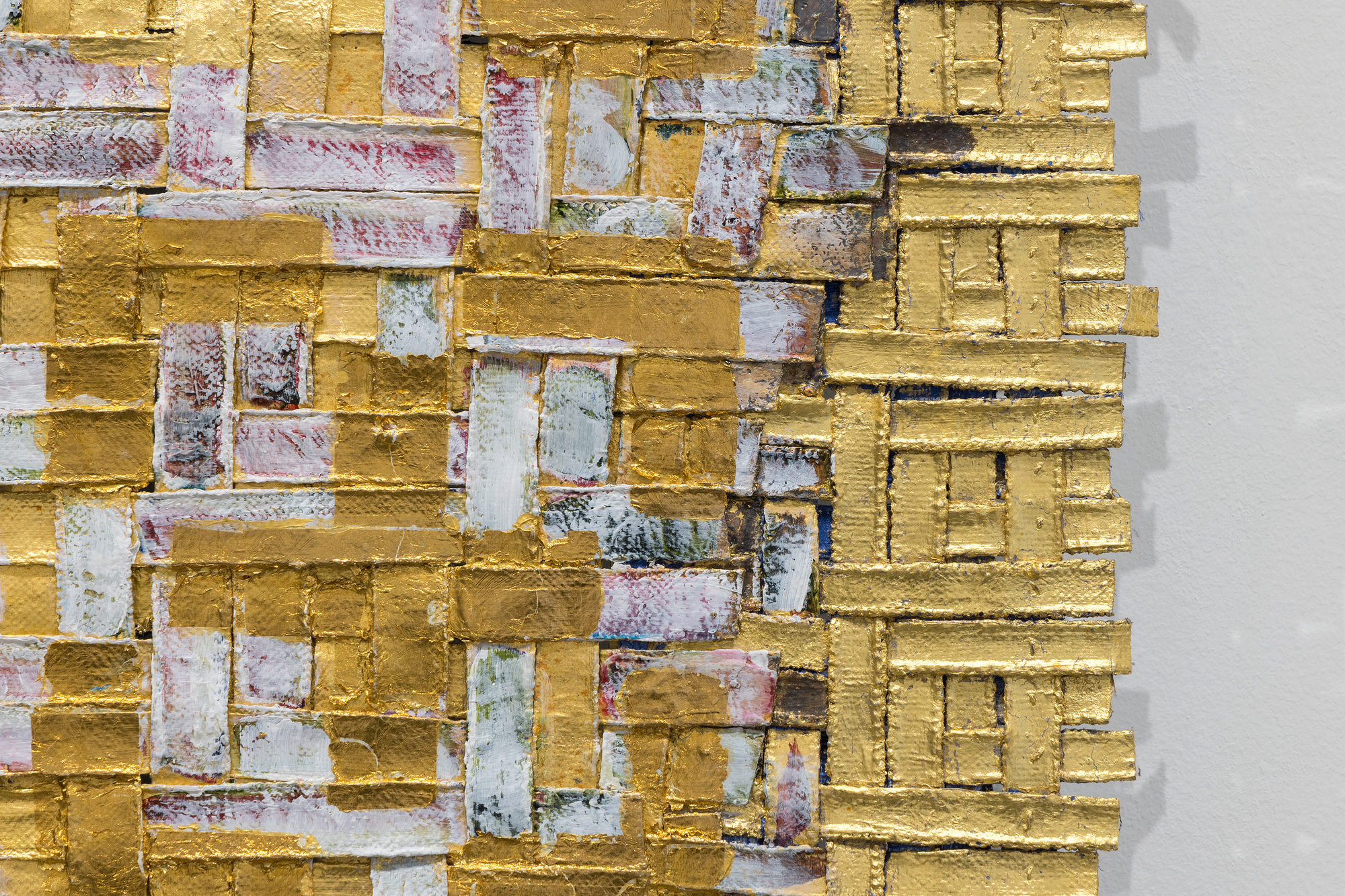
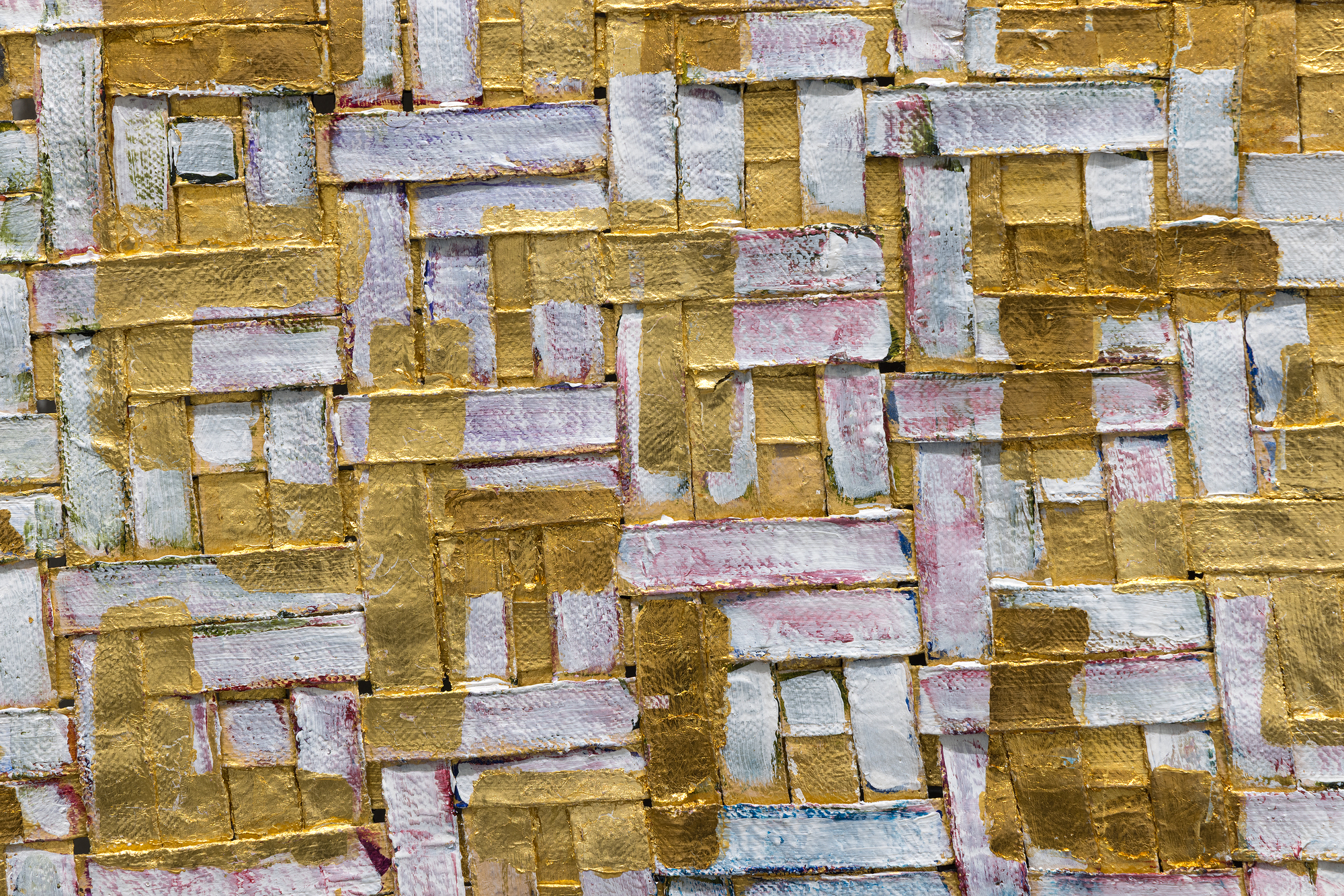
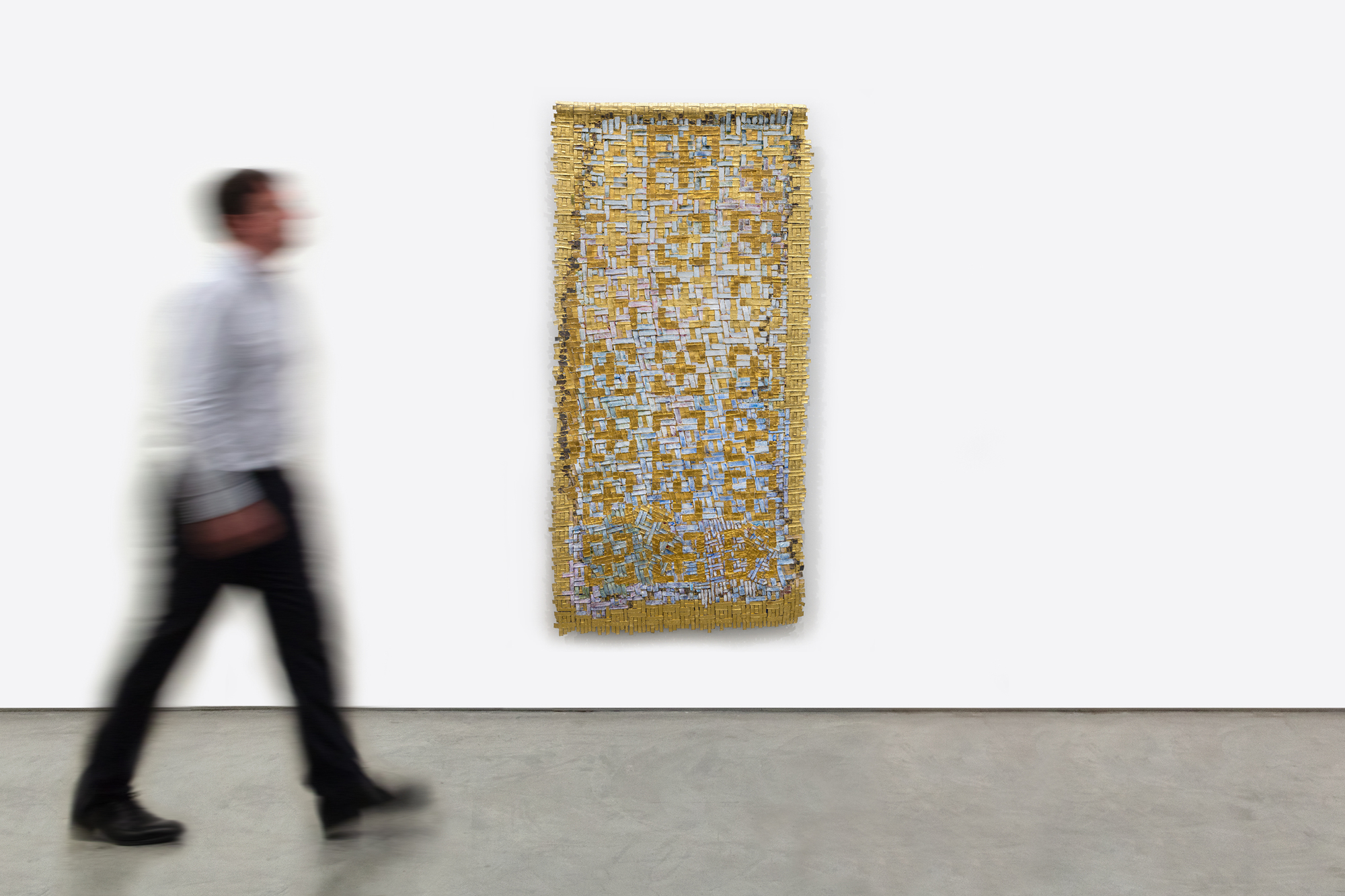
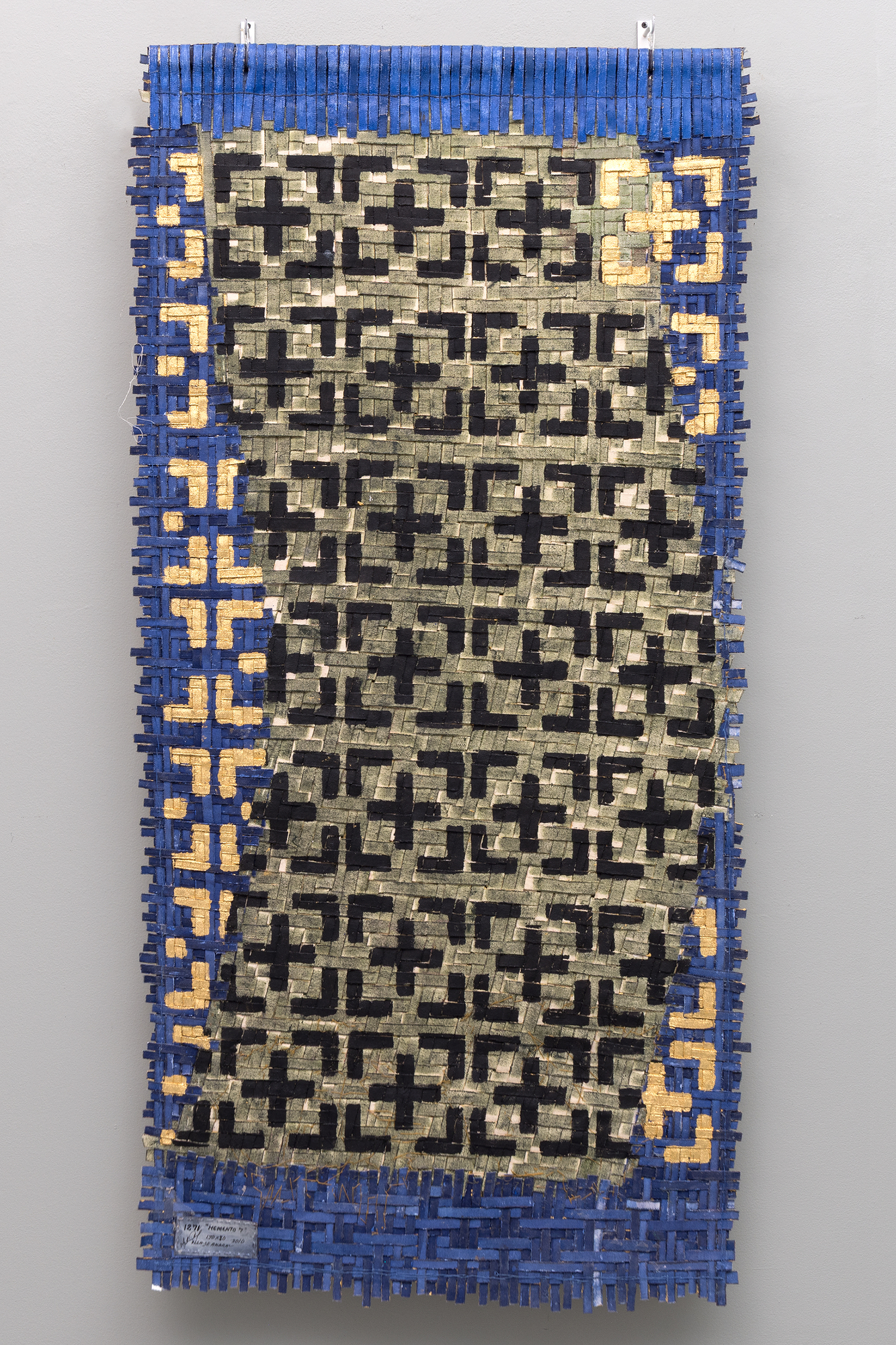
<div><font face=Lato size=3 color=black>Olga de Amaral’s <em>Memento 7</em> exemplifies the Colombian artist’s mastery in transforming textile into a medium of profound sculptural and symbolic resonance. Woven from natural fibers and coated with gesso, metallic leaf, and pigments, the work shimmers between material solidity and optical flux. Its surface glints with gold, refracting light in rhythmic intervals that shift as the viewer moves, evoking both the permanence of memory and its fragility.</font></div><br><br><div> </div><br><br><div><font face=Lato size=3 color=black>The <em>Memento</em> series, from which this piece belongs, explores memory as a layered, luminous presence. By embedding gold leaf within the weave, de Amaral connects her practice to pre-Columbian traditions in which gold was not a mere material but a carrier of spiritual and cultural meaning. In <em>Memento 7</em>, geometric patterning and a richly textured surface create a sense of sacred tapestry, collapsing distinctions between painting, sculpture, and textile.</font></div><br><br><div> </div><br><br><div><font face=Lato size=3 color=black>De Amaral’s work has been celebrated internationally for expanding the language of fiber art into realms of architecture and abstraction. <em>Memento 7</em> resonates with major institutional holdings of her work, including the Museum of Modern Art (New York), the Metropolitan Museum of Art, the Art Institute of Chicago, and the Musée d’Art Moderne de Paris. Within these collections, her gilded weavings stand as both objects of rare material beauty and meditations on history, place, and the metaphysics of light.</font></div><br><br><div> </div><br><br><div><font face=Lato size=3 color=black><em>Memento 7</em> thus embodies the artist’s unique synthesis of ancestral craft and modern abstraction, offering a powerful reflection on memory, time, and transformation.</font></div> <div><font face=Lato size=3 color=black>Olga de Amaral’s <em>Memento 7</em> exemplifies the Colombian artist’s mastery in transforming textile into a medium of profound sculptural and symbolic resonance. Woven from natural fibers and coated with gesso, metallic leaf, and pigments, the work shimmers between material solidity and optical flux. Its surface glints with gold, refracting light in rhythmic intervals that shift as the viewer moves, evoking both the permanence of memory and its fragility.</font></div><br><br><div> </div><br><br><div><font face=Lato size=3 color=black>The <em>Memento</em> series, from which this piece belongs, explores memory as a layered, luminous presence. By embedding gold leaf within the weave, de Amaral connects her practice to pre-Columbian traditions in which gold was not a mere material but a carrier of spiritual and cultural meaning. In <em>Memento 7</em>, geometric patterning and a richly textured surface create a sense of sacred tapestry, collapsing distinctions between painting, sculpture, and textile.</font></div><br><br><div> </div><br><br><div><font face=Lato size=3 color=black>De Amaral’s work has been celebrated internationally for expanding the language of fiber art into realms of architecture and abstraction. <em>Memento 7</em> resonates with major institutional holdings of her work, including the Museum of Modern Art (New York), the Metropolitan Museum of Art, the Art Institute of Chicago, and the Musée d’Art Moderne de Paris. Within these collections, her gilded weavings stand as both objects of rare material beauty and meditations on history, place, and the metaphysics of light.</font></div><br><br><div> </div><br><br><div><font face=Lato size=3 color=black><em>Memento 7</em> thus embodies the artist’s unique synthesis of ancestral craft and modern abstraction, offering a powerful reflection on memory, time, and transformation.</font></div> <div><font face=Lato size=3 color=black>Olga de Amaral’s <em>Memento 7</em> exemplifies the Colombian artist’s mastery in transforming textile into a medium of profound sculptural and symbolic resonance. Woven from natural fibers and coated with gesso, metallic leaf, and pigments, the work shimmers between material solidity and optical flux. Its surface glints with gold, refracting light in rhythmic intervals that shift as the viewer moves, evoking both the permanence of memory and its fragility.</font></div><br><br><div> </div><br><br><div><font face=Lato size=3 color=black>The <em>Memento</em> series, from which this piece belongs, explores memory as a layered, luminous presence. By embedding gold leaf within the weave, de Amaral connects her practice to pre-Columbian traditions in which gold was not a mere material but a carrier of spiritual and cultural meaning. In <em>Memento 7</em>, geometric patterning and a richly textured surface create a sense of sacred tapestry, collapsing distinctions between painting, sculpture, and textile.</font></div><br><br><div> </div><br><br><div><font face=Lato size=3 color=black>De Amaral’s work has been celebrated internationally for expanding the language of fiber art into realms of architecture and abstraction. <em>Memento 7</em> resonates with major institutional holdings of her work, including the Museum of Modern Art (New York), the Metropolitan Museum of Art, the Art Institute of Chicago, and the Musée d’Art Moderne de Paris. Within these collections, her gilded weavings stand as both objects of rare material beauty and meditations on history, place, and the metaphysics of light.</font></div><br><br><div> </div><br><br><div><font face=Lato size=3 color=black><em>Memento 7</em> thus embodies the artist’s unique synthesis of ancestral craft and modern abstraction, offering a powerful reflection on memory, time, and transformation.</font></div> <div><font face=Lato size=3 color=black>Olga de Amaral’s <em>Memento 7</em> exemplifies the Colombian artist’s mastery in transforming textile into a medium of profound sculptural and symbolic resonance. Woven from natural fibers and coated with gesso, metallic leaf, and pigments, the work shimmers between material solidity and optical flux. Its surface glints with gold, refracting light in rhythmic intervals that shift as the viewer moves, evoking both the permanence of memory and its fragility.</font></div><br><br><div> </div><br><br><div><font face=Lato size=3 color=black>The <em>Memento</em> series, from which this piece belongs, explores memory as a layered, luminous presence. By embedding gold leaf within the weave, de Amaral connects her practice to pre-Columbian traditions in which gold was not a mere material but a carrier of spiritual and cultural meaning. In <em>Memento 7</em>, geometric patterning and a richly textured surface create a sense of sacred tapestry, collapsing distinctions between painting, sculpture, and textile.</font></div><br><br><div> </div><br><br><div><font face=Lato size=3 color=black>De Amaral’s work has been celebrated internationally for expanding the language of fiber art into realms of architecture and abstraction. <em>Memento 7</em> resonates with major institutional holdings of her work, including the Museum of Modern Art (New York), the Metropolitan Museum of Art, the Art Institute of Chicago, and the Musée d’Art Moderne de Paris. Within these collections, her gilded weavings stand as both objects of rare material beauty and meditations on history, place, and the metaphysics of light.</font></div><br><br><div> </div><br><br><div><font face=Lato size=3 color=black><em>Memento 7</em> thus embodies the artist’s unique synthesis of ancestral craft and modern abstraction, offering a powerful reflection on memory, time, and transformation.</font></div> <div><font face=Lato size=3 color=black>Olga de Amaral’s <em>Memento 7</em> exemplifies the Colombian artist’s mastery in transforming textile into a medium of profound sculptural and symbolic resonance. Woven from natural fibers and coated with gesso, metallic leaf, and pigments, the work shimmers between material solidity and optical flux. Its surface glints with gold, refracting light in rhythmic intervals that shift as the viewer moves, evoking both the permanence of memory and its fragility.</font></div><br><br><div> </div><br><br><div><font face=Lato size=3 color=black>The <em>Memento</em> series, from which this piece belongs, explores memory as a layered, luminous presence. By embedding gold leaf within the weave, de Amaral connects her practice to pre-Columbian traditions in which gold was not a mere material but a carrier of spiritual and cultural meaning. In <em>Memento 7</em>, geometric patterning and a richly textured surface create a sense of sacred tapestry, collapsing distinctions between painting, sculpture, and textile.</font></div><br><br><div> </div><br><br><div><font face=Lato size=3 color=black>De Amaral’s work has been celebrated internationally for expanding the language of fiber art into realms of architecture and abstraction. <em>Memento 7</em> resonates with major institutional holdings of her work, including the Museum of Modern Art (New York), the Metropolitan Museum of Art, the Art Institute of Chicago, and the Musée d’Art Moderne de Paris. Within these collections, her gilded weavings stand as both objects of rare material beauty and meditations on history, place, and the metaphysics of light.</font></div><br><br><div> </div><br><br><div><font face=Lato size=3 color=black><em>Memento 7</em> thus embodies the artist’s unique synthesis of ancestral craft and modern abstraction, offering a powerful reflection on memory, time, and transformation.</font></div> <div><font face=Lato size=3 color=black>Olga de Amaral’s <em>Memento 7</em> exemplifies the Colombian artist’s mastery in transforming textile into a medium of profound sculptural and symbolic resonance. Woven from natural fibers and coated with gesso, metallic leaf, and pigments, the work shimmers between material solidity and optical flux. Its surface glints with gold, refracting light in rhythmic intervals that shift as the viewer moves, evoking both the permanence of memory and its fragility.</font></div><br><br><div> </div><br><br><div><font face=Lato size=3 color=black>The <em>Memento</em> series, from which this piece belongs, explores memory as a layered, luminous presence. By embedding gold leaf within the weave, de Amaral connects her practice to pre-Columbian traditions in which gold was not a mere material but a carrier of spiritual and cultural meaning. In <em>Memento 7</em>, geometric patterning and a richly textured surface create a sense of sacred tapestry, collapsing distinctions between painting, sculpture, and textile.</font></div><br><br><div> </div><br><br><div><font face=Lato size=3 color=black>De Amaral’s work has been celebrated internationally for expanding the language of fiber art into realms of architecture and abstraction. <em>Memento 7</em> resonates with major institutional holdings of her work, including the Museum of Modern Art (New York), the Metropolitan Museum of Art, the Art Institute of Chicago, and the Musée d’Art Moderne de Paris. Within these collections, her gilded weavings stand as both objects of rare material beauty and meditations on history, place, and the metaphysics of light.</font></div><br><br><div> </div><br><br><div><font face=Lato size=3 color=black><em>Memento 7</em> thus embodies the artist’s unique synthesis of ancestral craft and modern abstraction, offering a powerful reflection on memory, time, and transformation.</font></div> <div><font face=Lato size=3 color=black>Olga de Amaral’s <em>Memento 7</em> exemplifies the Colombian artist’s mastery in transforming textile into a medium of profound sculptural and symbolic resonance. Woven from natural fibers and coated with gesso, metallic leaf, and pigments, the work shimmers between material solidity and optical flux. Its surface glints with gold, refracting light in rhythmic intervals that shift as the viewer moves, evoking both the permanence of memory and its fragility.</font></div><br><br><div> </div><br><br><div><font face=Lato size=3 color=black>The <em>Memento</em> series, from which this piece belongs, explores memory as a layered, luminous presence. By embedding gold leaf within the weave, de Amaral connects her practice to pre-Columbian traditions in which gold was not a mere material but a carrier of spiritual and cultural meaning. In <em>Memento 7</em>, geometric patterning and a richly textured surface create a sense of sacred tapestry, collapsing distinctions between painting, sculpture, and textile.</font></div><br><br><div> </div><br><br><div><font face=Lato size=3 color=black>De Amaral’s work has been celebrated internationally for expanding the language of fiber art into realms of architecture and abstraction. <em>Memento 7</em> resonates with major institutional holdings of her work, including the Museum of Modern Art (New York), the Metropolitan Museum of Art, the Art Institute of Chicago, and the Musée d’Art Moderne de Paris. Within these collections, her gilded weavings stand as both objects of rare material beauty and meditations on history, place, and the metaphysics of light.</font></div><br><br><div> </div><br><br><div><font face=Lato size=3 color=black><em>Memento 7</em> thus embodies the artist’s unique synthesis of ancestral craft and modern abstraction, offering a powerful reflection on memory, time, and transformation.</font></div> <div><font face=Lato size=3 color=black>Olga de Amaral’s <em>Memento 7</em> exemplifies the Colombian artist’s mastery in transforming textile into a medium of profound sculptural and symbolic resonance. Woven from natural fibers and coated with gesso, metallic leaf, and pigments, the work shimmers between material solidity and optical flux. Its surface glints with gold, refracting light in rhythmic intervals that shift as the viewer moves, evoking both the permanence of memory and its fragility.</font></div><br><br><div> </div><br><br><div><font face=Lato size=3 color=black>The <em>Memento</em> series, from which this piece belongs, explores memory as a layered, luminous presence. By embedding gold leaf within the weave, de Amaral connects her practice to pre-Columbian traditions in which gold was not a mere material but a carrier of spiritual and cultural meaning. In <em>Memento 7</em>, geometric patterning and a richly textured surface create a sense of sacred tapestry, collapsing distinctions between painting, sculpture, and textile.</font></div><br><br><div> </div><br><br><div><font face=Lato size=3 color=black>De Amaral’s work has been celebrated internationally for expanding the language of fiber art into realms of architecture and abstraction. <em>Memento 7</em> resonates with major institutional holdings of her work, including the Museum of Modern Art (New York), the Metropolitan Museum of Art, the Art Institute of Chicago, and the Musée d’Art Moderne de Paris. Within these collections, her gilded weavings stand as both objects of rare material beauty and meditations on history, place, and the metaphysics of light.</font></div><br><br><div> </div><br><br><div><font face=Lato size=3 color=black><em>Memento 7</em> thus embodies the artist’s unique synthesis of ancestral craft and modern abstraction, offering a powerful reflection on memory, time, and transformation.</font></div> <div><font face=Lato size=3 color=black>Olga de Amaral’s <em>Memento 7</em> exemplifies the Colombian artist’s mastery in transforming textile into a medium of profound sculptural and symbolic resonance. Woven from natural fibers and coated with gesso, metallic leaf, and pigments, the work shimmers between material solidity and optical flux. Its surface glints with gold, refracting light in rhythmic intervals that shift as the viewer moves, evoking both the permanence of memory and its fragility.</font></div><br><br><div> </div><br><br><div><font face=Lato size=3 color=black>The <em>Memento</em> series, from which this piece belongs, explores memory as a layered, luminous presence. By embedding gold leaf within the weave, de Amaral connects her practice to pre-Columbian traditions in which gold was not a mere material but a carrier of spiritual and cultural meaning. In <em>Memento 7</em>, geometric patterning and a richly textured surface create a sense of sacred tapestry, collapsing distinctions between painting, sculpture, and textile.</font></div><br><br><div> </div><br><br><div><font face=Lato size=3 color=black>De Amaral’s work has been celebrated internationally for expanding the language of fiber art into realms of architecture and abstraction. <em>Memento 7</em> resonates with major institutional holdings of her work, including the Museum of Modern Art (New York), the Metropolitan Museum of Art, the Art Institute of Chicago, and the Musée d’Art Moderne de Paris. Within these collections, her gilded weavings stand as both objects of rare material beauty and meditations on history, place, and the metaphysics of light.</font></div><br><br><div> </div><br><br><div><font face=Lato size=3 color=black><em>Memento 7</em> thus embodies the artist’s unique synthesis of ancestral craft and modern abstraction, offering a powerful reflection on memory, time, and transformation.</font></div> <div><font face=Lato size=3 color=black>Olga de Amaral’s <em>Memento 7</em> exemplifies the Colombian artist’s mastery in transforming textile into a medium of profound sculptural and symbolic resonance. Woven from natural fibers and coated with gesso, metallic leaf, and pigments, the work shimmers between material solidity and optical flux. Its surface glints with gold, refracting light in rhythmic intervals that shift as the viewer moves, evoking both the permanence of memory and its fragility.</font></div><br><br><div> </div><br><br><div><font face=Lato size=3 color=black>The <em>Memento</em> series, from which this piece belongs, explores memory as a layered, luminous presence. By embedding gold leaf within the weave, de Amaral connects her practice to pre-Columbian traditions in which gold was not a mere material but a carrier of spiritual and cultural meaning. In <em>Memento 7</em>, geometric patterning and a richly textured surface create a sense of sacred tapestry, collapsing distinctions between painting, sculpture, and textile.</font></div><br><br><div> </div><br><br><div><font face=Lato size=3 color=black>De Amaral’s work has been celebrated internationally for expanding the language of fiber art into realms of architecture and abstraction. <em>Memento 7</em> resonates with major institutional holdings of her work, including the Museum of Modern Art (New York), the Metropolitan Museum of Art, the Art Institute of Chicago, and the Musée d’Art Moderne de Paris. Within these collections, her gilded weavings stand as both objects of rare material beauty and meditations on history, place, and the metaphysics of light.</font></div><br><br><div> </div><br><br><div><font face=Lato size=3 color=black><em>Memento 7</em> thus embodies the artist’s unique synthesis of ancestral craft and modern abstraction, offering a powerful reflection on memory, time, and transformation.</font></div>
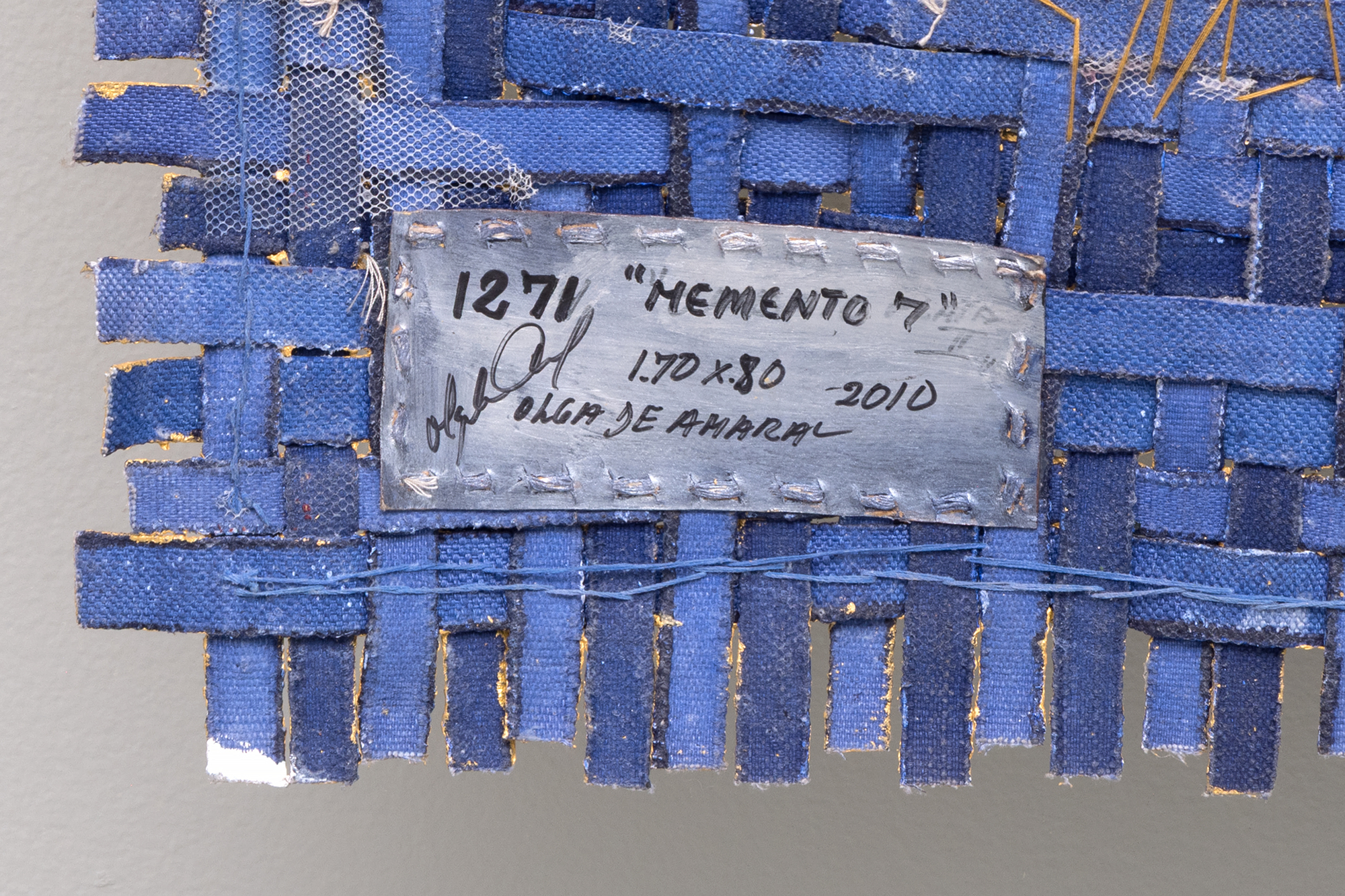
ממנטו 7 2010 68 x 32 3/4 אינץ' (169.86 x 80.01 ס"מ) פשתן, ג'סו, אקריליק ועלי זהב
מקור ומקור
נתרם על ידי האמן באמצעות גלריית ליסון למוזיאון לאמנויות יפות, יוסטון, מכירת חוויית אמריקה הלטינית, 2022
אוסף פרטי, נרכש מהמכירה הנ"ל
אמנות יפה של הת'ר ג'יימס
ספרות
יוסטון, טקסס, מוזיאון לאמנויות יפות, יוסטון, קטלוג מכירת חוויית אמריקה הלטינית 2022, 2022, מאויר על הכריכה
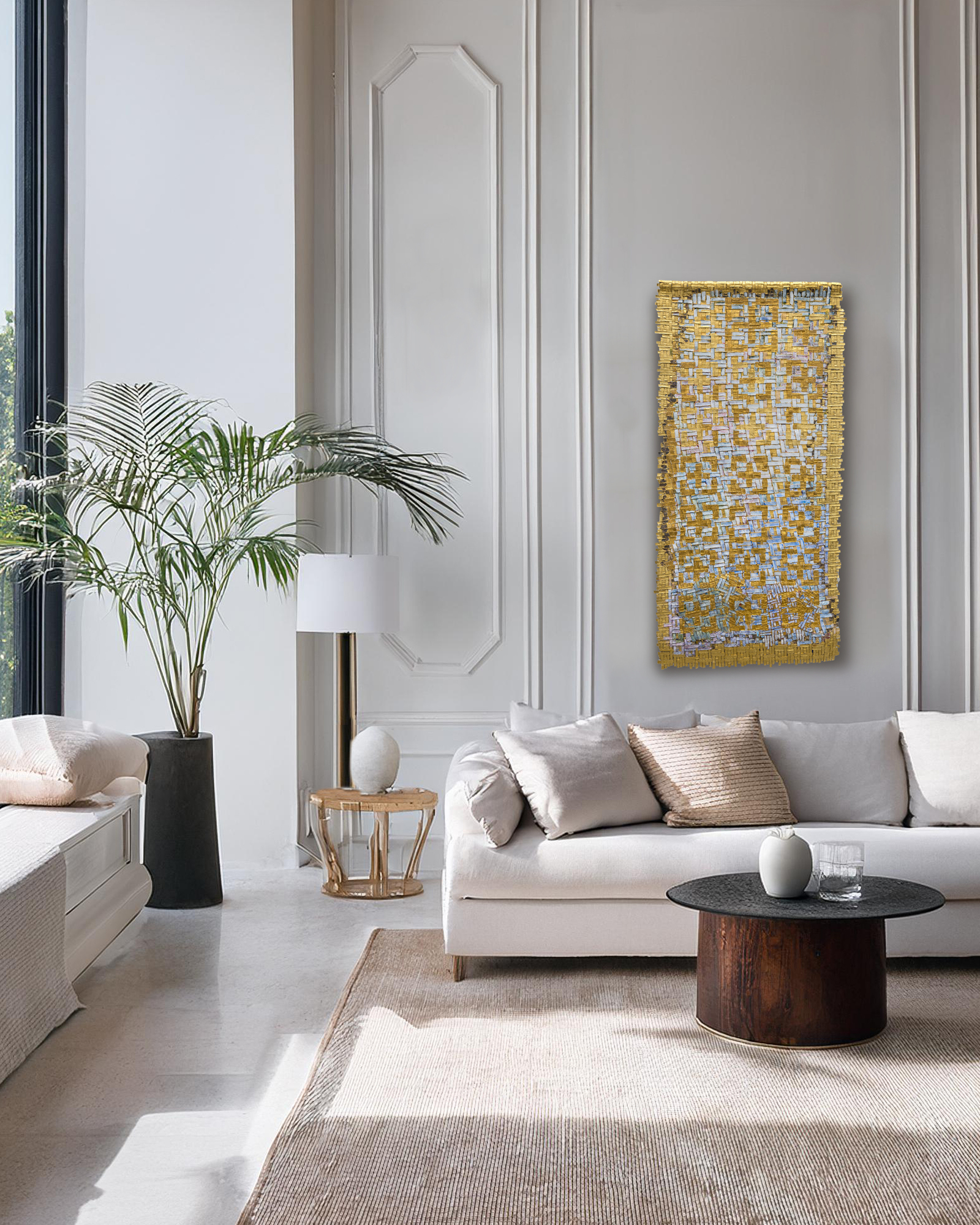
"ממנטו 7" של אולגה דה אמרל מדגימה את כישרונה של האמנית הקולומביאנית בהפיכת טקסטיל למדיום בעל תהודה פיסולית וסמלית עמוקה. היצירה, ארוגה מסיבים טבעיים ומצופה בג'סו, עלים מתכתיים ופיגמנטים, מנצנצת בין מוצקות חומרית לשטף אופטי. פני השטח שלה נוצצים בזהב, שוברים אור במרווחים קצביים המשתנים ככל שהצופה נע, ומעוררים הן את קביעות הזיכרון והן את שבריריותו.


סדרת "ממנטו", אליה שייכת יצירה זו, חוקרת את הזיכרון כנוכחות זוהרת ומרובדת שכבות. על ידי הטמעת עלי זהב בתוך האריגה, דה אמרל מחברת את עבודתה למסורות פרה-קולומביאניות שבהן זהב לא היה רק ​​חומר אלא נשא של משמעות רוחנית ותרבותית. ב"ממנטו 7", דוגמאות גיאומטריות ומשטח בעל מרקם עשיר יוצרים תחושה של שטיח קיר קדוש, המפרקים את ההבחנות בין ציור, פיסול וטקסטיל.


עבודתה של דה אמרל זכתה להוקרה בינלאומית על הרחבת שפת אמנות הסיבים לתחומי האדריכלות וההפשטה. "ממנטו 7" מהדהד באוספים מוסדיים מרכזיים של עבודותיה, כולל המוזיאון לאמנות מודרנית (ניו יורק), המוזיאון המטרופוליטן לאמנות, מכון האמנות של שיקגו והמוזיאון לאמנות מודרנית של פריז. בתוך אוספים אלה, אריגותיה המוזהבות עומדות הן כאובייקטים בעלי יופי חומרי נדיר והן כמחשבות על היסטוריה, מקום ומטאפיזיקה של אור.


"ממנטו 7" מגלם, אם כן, את הסינתזה הייחודית של האמן בין מלאכת אבות להפשטה מודרנית, ומציע הרהור רב עוצמה על זיכרון, זמן וטרנספורמציה.
לברר