גב

וינסלו הומרס(1836-1910)

$275,000

 
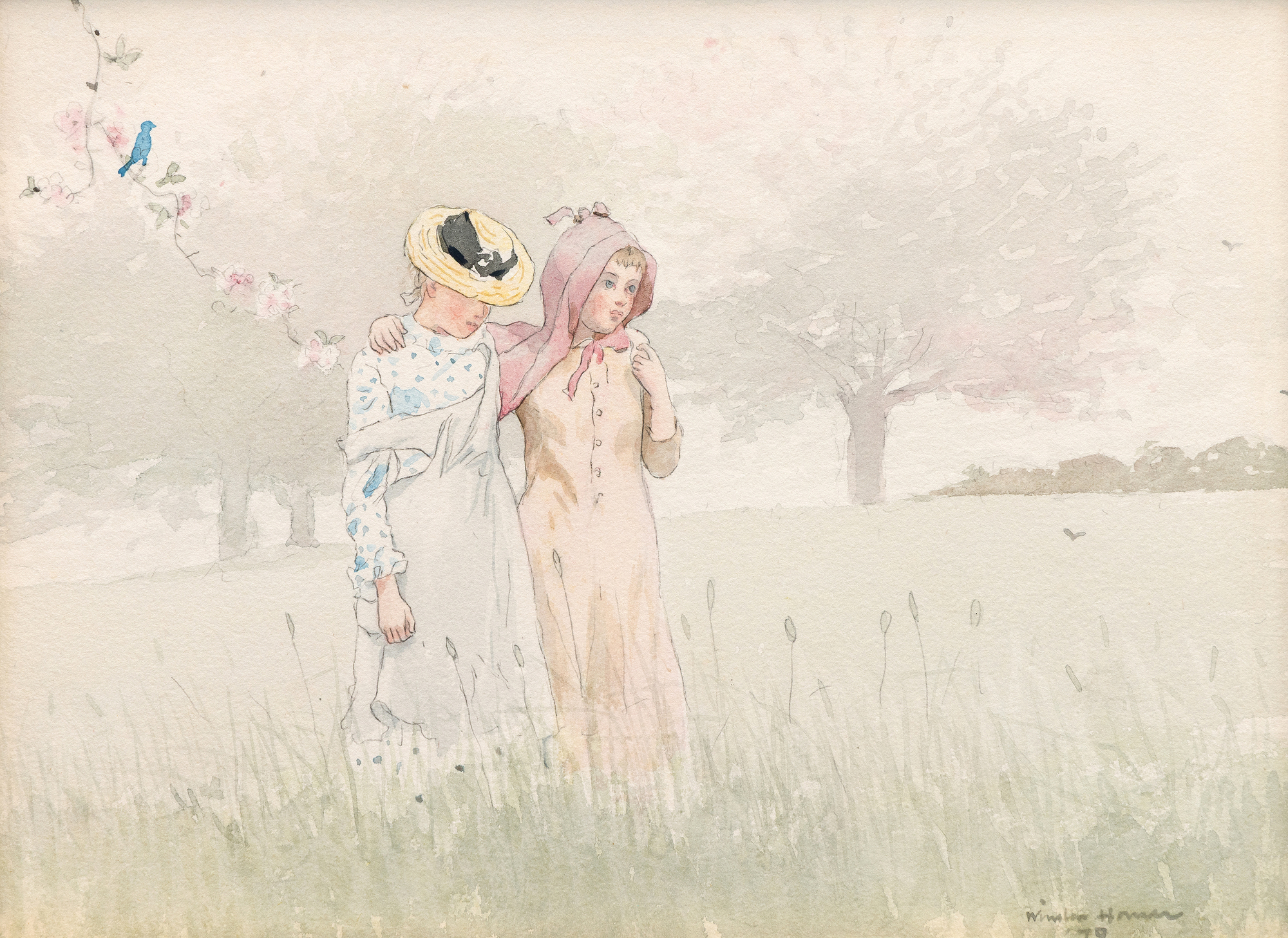
<div><font face=Lato size=3 color=black><em>Houghton Farms (Girls Strolling in an Orchard)</em> belongs to a pivotal moment in Winslow Homers career, created during the late 1870s as he transitioned from the wartime subjects that first brought him acclaim to the watercolor medium and domestic pastoral themes that would secure his place in the American canon. This period marked Homers sustained engagement with Houghton Farm in Mountainville in the Hudson Valley, where he spent extended time with his childhood friend and patron Lawson Valentine. Over these visits Homer produced approximately fifty watercolors, forming one of the most important bodies of early work in the medium. The significance of this output was later celebrated in the 2009 exhibition at Syracuse Art Galleries, <em>Winslow Homers Empire State: Houghton Farm and Beyond</em>.</font></div><br><br><div> </div><br><br><div><font face=Lato size=3 color=black>This watercolor is included in the artists catalogue raisonne and relates closely to other early examples from Houghton Farm, including <em>Fresh Air</em> from 1878 in the collection of the Brooklyn Museum. Its serene orchard scene, rendered with a soft and muted palette, reflects the themes of nostalgia, calm, and peace that define Homer's Restoration period. The transparency of the watercolor medium allows Homer to create a delicate, atmospheric impression of a misty morning, animated by touches of bright color in the figures dress patterns, the bow on a hat, a headwrap, and the bluebird perched on a branch.</font></div><br><br><div> </div><br><br><div><font face=Lato size=3 color=black>The continued importance of Homer's watercolor practice is affirmed by the current exhibition at the Museum of Fine Arts Boston, <em>Of Light and Air: Winslow Homer in Watercolor</em>, which underscores the enduring resonance of works from this transformative period. <em>Houghton Farms (Girls Strolling in an Orchard)</em> stands as a beautifully preserved example from the moment when Homer embraced watercolor as his primary mode of expression, illuminating the quiet lyricism that came to define his mature art.</font></div> <div><font face=Lato size=3 color=black><em>Houghton Farms (Girls Strolling in an Orchard)</em> belongs to a pivotal moment in Winslow Homers career, created during the late 1870s as he transitioned from the wartime subjects that first brought him acclaim to the watercolor medium and domestic pastoral themes that would secure his place in the American canon. This period marked Homers sustained engagement with Houghton Farm in Mountainville in the Hudson Valley, where he spent extended time with his childhood friend and patron Lawson Valentine. Over these visits Homer produced approximately fifty watercolors, forming one of the most important bodies of early work in the medium. The significance of this output was later celebrated in the 2009 exhibition at Syracuse Art Galleries, <em>Winslow Homers Empire State: Houghton Farm and Beyond</em>.</font></div><br><br><div> </div><br><br><div><font face=Lato size=3 color=black>This watercolor is included in the artists catalogue raisonne and relates closely to other early examples from Houghton Farm, including <em>Fresh Air</em> from 1878 in the collection of the Brooklyn Museum. Its serene orchard scene, rendered with a soft and muted palette, reflects the themes of nostalgia, calm, and peace that define Homer's Restoration period. The transparency of the watercolor medium allows Homer to create a delicate, atmospheric impression of a misty morning, animated by touches of bright color in the figures dress patterns, the bow on a hat, a headwrap, and the bluebird perched on a branch.</font></div><br><br><div> </div><br><br><div><font face=Lato size=3 color=black>The continued importance of Homer's watercolor practice is affirmed by the current exhibition at the Museum of Fine Arts Boston, <em>Of Light and Air: Winslow Homer in Watercolor</em>, which underscores the enduring resonance of works from this transformative period. <em>Houghton Farms (Girls Strolling in an Orchard)</em> stands as a beautifully preserved example from the moment when Homer embraced watercolor as his primary mode of expression, illuminating the quiet lyricism that came to define his mature art.</font></div> <div><font face=Lato size=3 color=black><em>Houghton Farms (Girls Strolling in an Orchard)</em> belongs to a pivotal moment in Winslow Homers career, created during the late 1870s as he transitioned from the wartime subjects that first brought him acclaim to the watercolor medium and domestic pastoral themes that would secure his place in the American canon. This period marked Homers sustained engagement with Houghton Farm in Mountainville in the Hudson Valley, where he spent extended time with his childhood friend and patron Lawson Valentine. Over these visits Homer produced approximately fifty watercolors, forming one of the most important bodies of early work in the medium. The significance of this output was later celebrated in the 2009 exhibition at Syracuse Art Galleries, <em>Winslow Homers Empire State: Houghton Farm and Beyond</em>.</font></div><br><br><div> </div><br><br><div><font face=Lato size=3 color=black>This watercolor is included in the artists catalogue raisonne and relates closely to other early examples from Houghton Farm, including <em>Fresh Air</em> from 1878 in the collection of the Brooklyn Museum. Its serene orchard scene, rendered with a soft and muted palette, reflects the themes of nostalgia, calm, and peace that define Homer's Restoration period. The transparency of the watercolor medium allows Homer to create a delicate, atmospheric impression of a misty morning, animated by touches of bright color in the figures dress patterns, the bow on a hat, a headwrap, and the bluebird perched on a branch.</font></div><br><br><div> </div><br><br><div><font face=Lato size=3 color=black>The continued importance of Homer's watercolor practice is affirmed by the current exhibition at the Museum of Fine Arts Boston, <em>Of Light and Air: Winslow Homer in Watercolor</em>, which underscores the enduring resonance of works from this transformative period. <em>Houghton Farms (Girls Strolling in an Orchard)</em> stands as a beautifully preserved example from the moment when Homer embraced watercolor as his primary mode of expression, illuminating the quiet lyricism that came to define his mature art.</font></div> <div><font face=Lato size=3 color=black><em>Houghton Farms (Girls Strolling in an Orchard)</em> belongs to a pivotal moment in Winslow Homers career, created during the late 1870s as he transitioned from the wartime subjects that first brought him acclaim to the watercolor medium and domestic pastoral themes that would secure his place in the American canon. This period marked Homers sustained engagement with Houghton Farm in Mountainville in the Hudson Valley, where he spent extended time with his childhood friend and patron Lawson Valentine. Over these visits Homer produced approximately fifty watercolors, forming one of the most important bodies of early work in the medium. The significance of this output was later celebrated in the 2009 exhibition at Syracuse Art Galleries, <em>Winslow Homers Empire State: Houghton Farm and Beyond</em>.</font></div><br><br><div> </div><br><br><div><font face=Lato size=3 color=black>This watercolor is included in the artists catalogue raisonne and relates closely to other early examples from Houghton Farm, including <em>Fresh Air</em> from 1878 in the collection of the Brooklyn Museum. Its serene orchard scene, rendered with a soft and muted palette, reflects the themes of nostalgia, calm, and peace that define Homer's Restoration period. The transparency of the watercolor medium allows Homer to create a delicate, atmospheric impression of a misty morning, animated by touches of bright color in the figures dress patterns, the bow on a hat, a headwrap, and the bluebird perched on a branch.</font></div><br><br><div> </div><br><br><div><font face=Lato size=3 color=black>The continued importance of Homer's watercolor practice is affirmed by the current exhibition at the Museum of Fine Arts Boston, <em>Of Light and Air: Winslow Homer in Watercolor</em>, which underscores the enduring resonance of works from this transformative period. <em>Houghton Farms (Girls Strolling in an Orchard)</em> stands as a beautifully preserved example from the moment when Homer embraced watercolor as his primary mode of expression, illuminating the quiet lyricism that came to define his mature art.</font></div> <div><font face=Lato size=3 color=black><em>Houghton Farms (Girls Strolling in an Orchard)</em> belongs to a pivotal moment in Winslow Homers career, created during the late 1870s as he transitioned from the wartime subjects that first brought him acclaim to the watercolor medium and domestic pastoral themes that would secure his place in the American canon. This period marked Homers sustained engagement with Houghton Farm in Mountainville in the Hudson Valley, where he spent extended time with his childhood friend and patron Lawson Valentine. Over these visits Homer produced approximately fifty watercolors, forming one of the most important bodies of early work in the medium. The significance of this output was later celebrated in the 2009 exhibition at Syracuse Art Galleries, <em>Winslow Homers Empire State: Houghton Farm and Beyond</em>.</font></div><br><br><div> </div><br><br><div><font face=Lato size=3 color=black>This watercolor is included in the artists catalogue raisonne and relates closely to other early examples from Houghton Farm, including <em>Fresh Air</em> from 1878 in the collection of the Brooklyn Museum. Its serene orchard scene, rendered with a soft and muted palette, reflects the themes of nostalgia, calm, and peace that define Homer's Restoration period. The transparency of the watercolor medium allows Homer to create a delicate, atmospheric impression of a misty morning, animated by touches of bright color in the figures dress patterns, the bow on a hat, a headwrap, and the bluebird perched on a branch.</font></div><br><br><div> </div><br><br><div><font face=Lato size=3 color=black>The continued importance of Homer's watercolor practice is affirmed by the current exhibition at the Museum of Fine Arts Boston, <em>Of Light and Air: Winslow Homer in Watercolor</em>, which underscores the enduring resonance of works from this transformative period. <em>Houghton Farms (Girls Strolling in an Orchard)</em> stands as a beautifully preserved example from the moment when Homer embraced watercolor as his primary mode of expression, illuminating the quiet lyricism that came to define his mature art.</font></div> <div><font face=Lato size=3 color=black><em>Houghton Farms (Girls Strolling in an Orchard)</em> belongs to a pivotal moment in Winslow Homers career, created during the late 1870s as he transitioned from the wartime subjects that first brought him acclaim to the watercolor medium and domestic pastoral themes that would secure his place in the American canon. This period marked Homers sustained engagement with Houghton Farm in Mountainville in the Hudson Valley, where he spent extended time with his childhood friend and patron Lawson Valentine. Over these visits Homer produced approximately fifty watercolors, forming one of the most important bodies of early work in the medium. The significance of this output was later celebrated in the 2009 exhibition at Syracuse Art Galleries, <em>Winslow Homers Empire State: Houghton Farm and Beyond</em>.</font></div><br><br><div> </div><br><br><div><font face=Lato size=3 color=black>This watercolor is included in the artists catalogue raisonne and relates closely to other early examples from Houghton Farm, including <em>Fresh Air</em> from 1878 in the collection of the Brooklyn Museum. Its serene orchard scene, rendered with a soft and muted palette, reflects the themes of nostalgia, calm, and peace that define Homer's Restoration period. The transparency of the watercolor medium allows Homer to create a delicate, atmospheric impression of a misty morning, animated by touches of bright color in the figures dress patterns, the bow on a hat, a headwrap, and the bluebird perched on a branch.</font></div><br><br><div> </div><br><br><div><font face=Lato size=3 color=black>The continued importance of Homer's watercolor practice is affirmed by the current exhibition at the Museum of Fine Arts Boston, <em>Of Light and Air: Winslow Homer in Watercolor</em>, which underscores the enduring resonance of works from this transformative period. <em>Houghton Farms (Girls Strolling in an Orchard)</em> stands as a beautifully preserved example from the moment when Homer embraced watercolor as his primary mode of expression, illuminating the quiet lyricism that came to define his mature art.</font></div> <div><font face=Lato size=3 color=black><em>Houghton Farms (Girls Strolling in an Orchard)</em> belongs to a pivotal moment in Winslow Homers career, created during the late 1870s as he transitioned from the wartime subjects that first brought him acclaim to the watercolor medium and domestic pastoral themes that would secure his place in the American canon. This period marked Homers sustained engagement with Houghton Farm in Mountainville in the Hudson Valley, where he spent extended time with his childhood friend and patron Lawson Valentine. Over these visits Homer produced approximately fifty watercolors, forming one of the most important bodies of early work in the medium. The significance of this output was later celebrated in the 2009 exhibition at Syracuse Art Galleries, <em>Winslow Homers Empire State: Houghton Farm and Beyond</em>.</font></div><br><br><div> </div><br><br><div><font face=Lato size=3 color=black>This watercolor is included in the artists catalogue raisonne and relates closely to other early examples from Houghton Farm, including <em>Fresh Air</em> from 1878 in the collection of the Brooklyn Museum. Its serene orchard scene, rendered with a soft and muted palette, reflects the themes of nostalgia, calm, and peace that define Homer's Restoration period. The transparency of the watercolor medium allows Homer to create a delicate, atmospheric impression of a misty morning, animated by touches of bright color in the figures dress patterns, the bow on a hat, a headwrap, and the bluebird perched on a branch.</font></div><br><br><div> </div><br><br><div><font face=Lato size=3 color=black>The continued importance of Homer's watercolor practice is affirmed by the current exhibition at the Museum of Fine Arts Boston, <em>Of Light and Air: Winslow Homer in Watercolor</em>, which underscores the enduring resonance of works from this transformative period. <em>Houghton Farms (Girls Strolling in an Orchard)</em> stands as a beautifully preserved example from the moment when Homer embraced watercolor as his primary mode of expression, illuminating the quiet lyricism that came to define his mature art.</font></div>
חוות הוטון (נערות מטיילות במטע) 1879 9 1/2 x 13 אינץ' (24.13 x 33.02 ס"מ) צבעי מים וגרפיט על נייר
מקור ומקור
(אולי עם) Wm. A. Butters & Co., שיקגו, מכירת הומרוס, 10 בדצמבר 1879
ג'יימס ה. דול, שיקגו, עד 1881
ג'ורג' ס. דול, גיילסבורג, אילינוי, בנו של הנ"ל, 1902
גברת ג'ורג' ס. דול, גיילסבורג, אילינוי (לימים מיניאפוליס), 1934
ג'ון ג'יי פולי, מיניאפוליס, כנראה חתנה של גברת ג'ורג' ס. דול
גלריות קנדי, ניו יורק, 1963
מדיסון ה. לואיס, ניו יורק, 1963
אליזבת סנפורד לואיס (גברת מדיסון ה. לואיס, לימים גברת וו. לסטר ואן ליר), ניו יורק, על פי צוואה, בשנת 1980
כריסטיס, 6 בדצמבר,
... עוד... 1991, מכירה 7380, מס' 44
דברה פורס ארט בע"מ, עד 1999
אוסף פרטי, פלורידה
אוסף פרטי, בוסטון
אוסף פרטי
 
תערוכה
שיקגו, אילינוי, Wm. A. Butters & Co., רישומי צבעי מים ופחם מקוריים מהטבע מאת וינסלו הומר, דצמבר 1879
שיקגו, אילינוי, תערוכת התעשייה הבין-מדינתית של שיקגו, התערוכה השנתית התשיעית, 7 בספטמבר - 22 באוקטובר, 1881, מס' 211 (בתור "ההליכה")
שיקגו, אילינוי, תערוכת התעשייה הבין-מדינתית של שיקגו, התערוכה השנתית השתים עשרה, 3 בספטמבר - 18 באוקטובר, 1884, מס' 432 (בתור פרחים)
שיקגו, אילינוי, תערוכת התעשייה הבין-מדינתית של שיקגו, התערוכה השנתית החמש עשרה, 7 בספטמבר - 23 באוקטובר, 1887, מס' 489 (כמו פרחים)
שיקגו, אילינוי, תערוכת התעשייה הבין-מדינתית של שיקגו, התערוכה השנתית השמונה עשרה, 3 בספטמבר - 18 באוקטובר, 1890, מס' 408 (בתור "מתחת לעץ התפוח")
ספרות
לויד גודריץ' ואביגיל בות' גרדטס, רישום עבודות מאת וינסלו הומר, כרך ג': 1877 עד מרץ 1881, ניו יורק, 2005, עמ' 258, מס' 850 (עם איורים)
... פחות...
"חוות הוטון (נערות מטיילות במטע)" שייך לרגע מכונן בקריירה של וינסלו הומרס, שנוצר בסוף שנות ה-70 של המאה ה-19, כאשר עבר מנושאי המלחמה שהביאו לו את ההכרה למדיום צבעי המים ולנושאים ביתיים פסטורליים שיבטיחו את מקומו בקאנון האמריקאי. תקופה זו סימנה את מעורבותו המתמשכת של הומרס בחוות הוטון במאונטוויל שבעמק ההדסון, שם בילה זמן רב עם חברו מילדות ופטרונו לוסון ולנטיין. במהלך ביקורים אלה, הומר יצר כחמישים ציורי צבעי מים, והיוו את אחד מגופי העבודות המוקדמים החשובים ביותר בתחום. חשיבותה של יצירה זו נחגגה מאוחר יותר בתערוכה בשנת 2009 בגלריות האמנות סירקיוז, "אימפריית המדינה של וינסלו הומרס: חוות הוטון ומעבר לה".


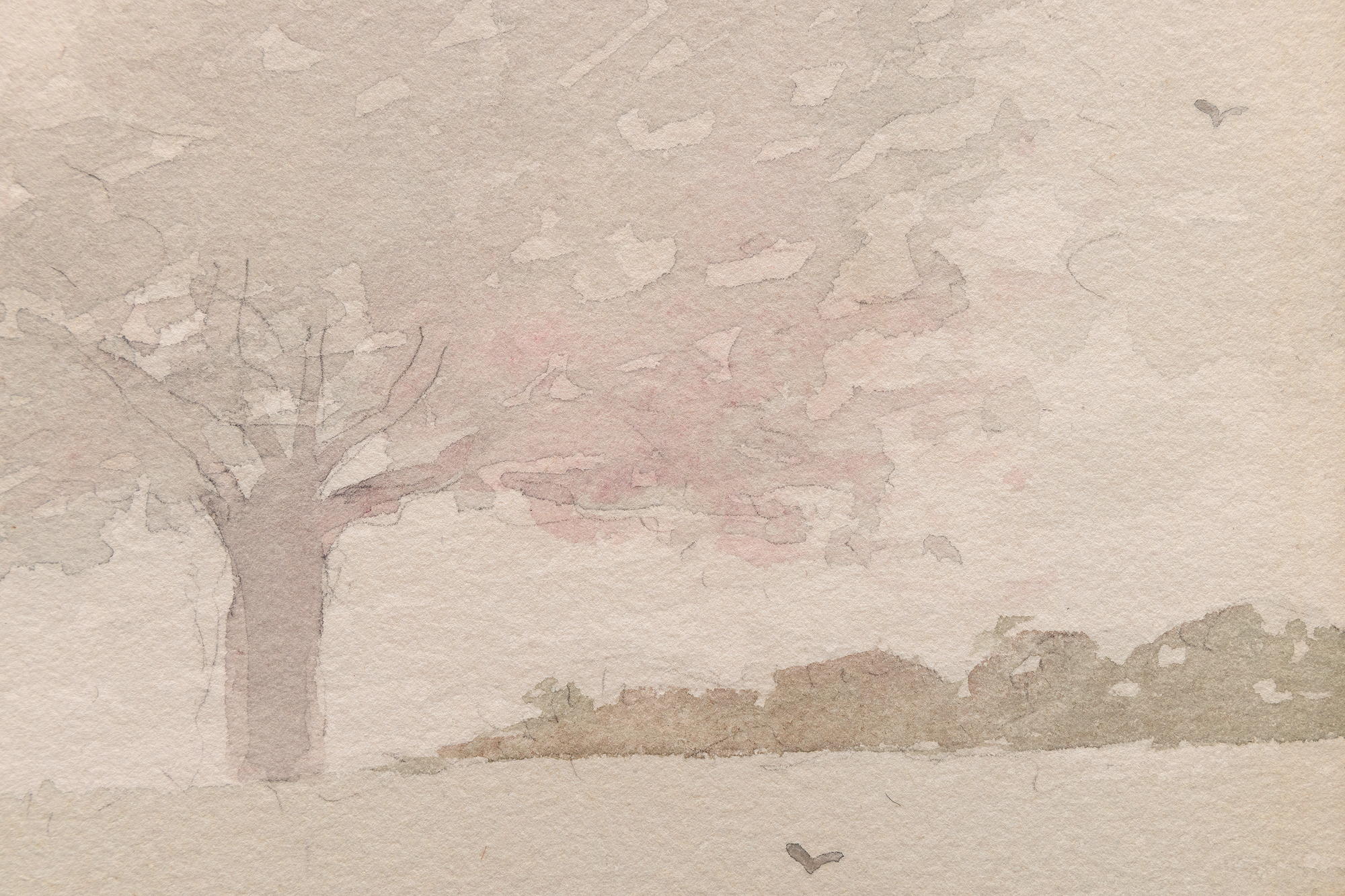
ציור בצבעי מים זה נכלל בקטלוג הקיום של האמן וקשור קשר הדוק לדוגמאות מוקדמות אחרות מחוות הוטון, כולל "אוויר צח" משנת 1878 באוסף מוזיאון ברוקלין. סצנת הבוסתן השקטה שלו, המעוצבת בצבעי פלטה רכה ודמומים, משקפת את הנושאים של נוסטלגיה, רוגע ושלווה המגדירים את תקופת הרסטורציה של הומרוס. השקיפות של מדיום צבעי המים מאפשרת להומרוס ליצור רושם עדין ואווירתי של בוקר ערפילי, המונפש על ידי נגיעות של צבע בהיר בדוגמאות הלבוש של הדמויות, הקשת על כובע, כיסוי הראש והציפור הכחולה היושבת על ענף.


החשיבות המתמשכת של עבודתו בצבעי מים של הומרוס מאוששת על ידי התערוכה הנוכחית במוזיאון לאמנויות יפות בבוסטון, "על אור ואוויר: וינסלו הומרוס בצבעי מים", המדגישה את התהודה המתמשכת של עבודות מתקופה טרנספורמטיבית זו. "חוות הוטון (נערות מטיילות במטע)" עומדת כדוגמה משומרת להפליא מהרגע בו הומרוס אימץ את צבעי המים כדרך הביטוי העיקרית שלו, והאירה את הליריות השקטה שהגדירה את אמנותו הבוגרת.
לברר