אנדי וורהול(1928-1987)

 
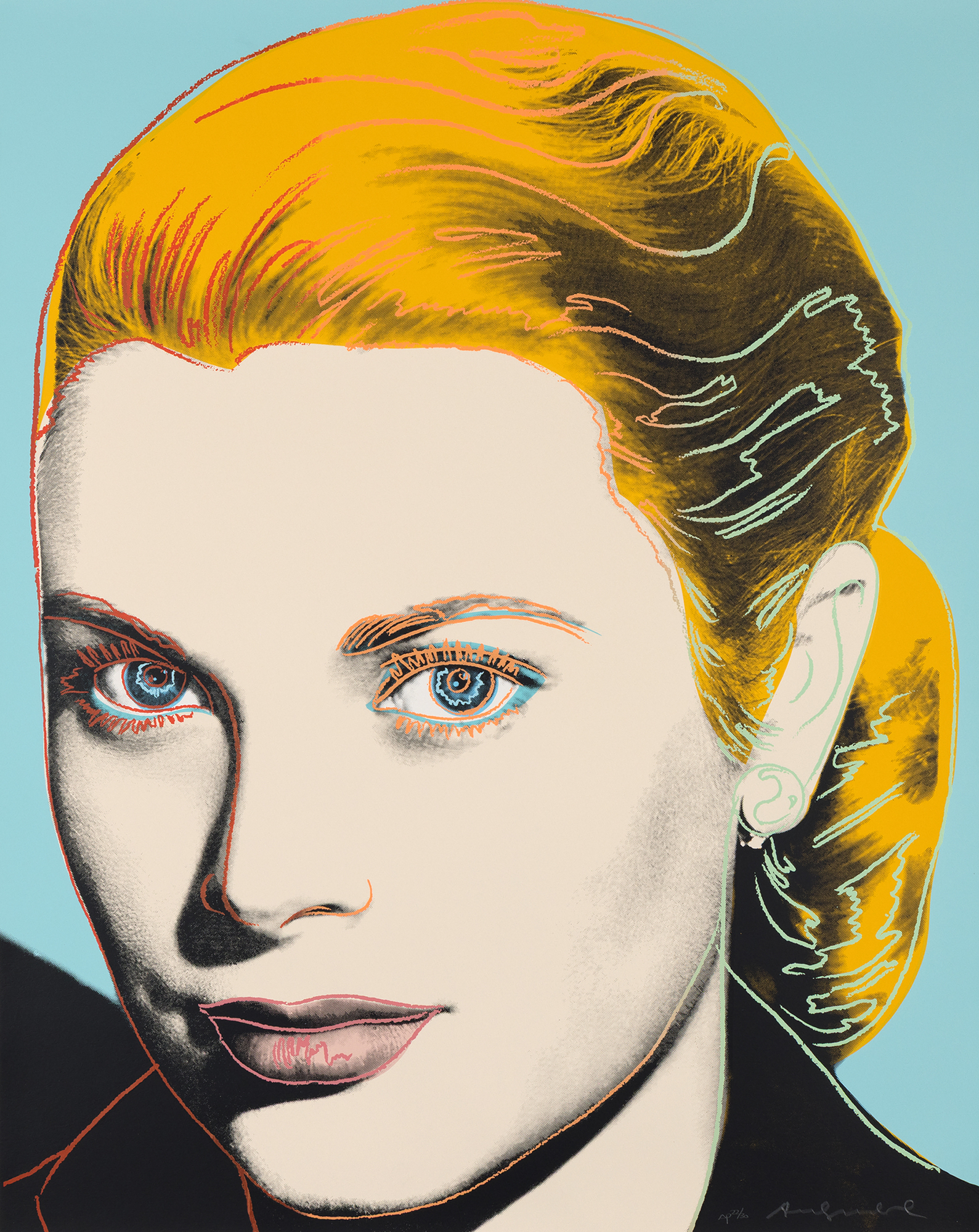
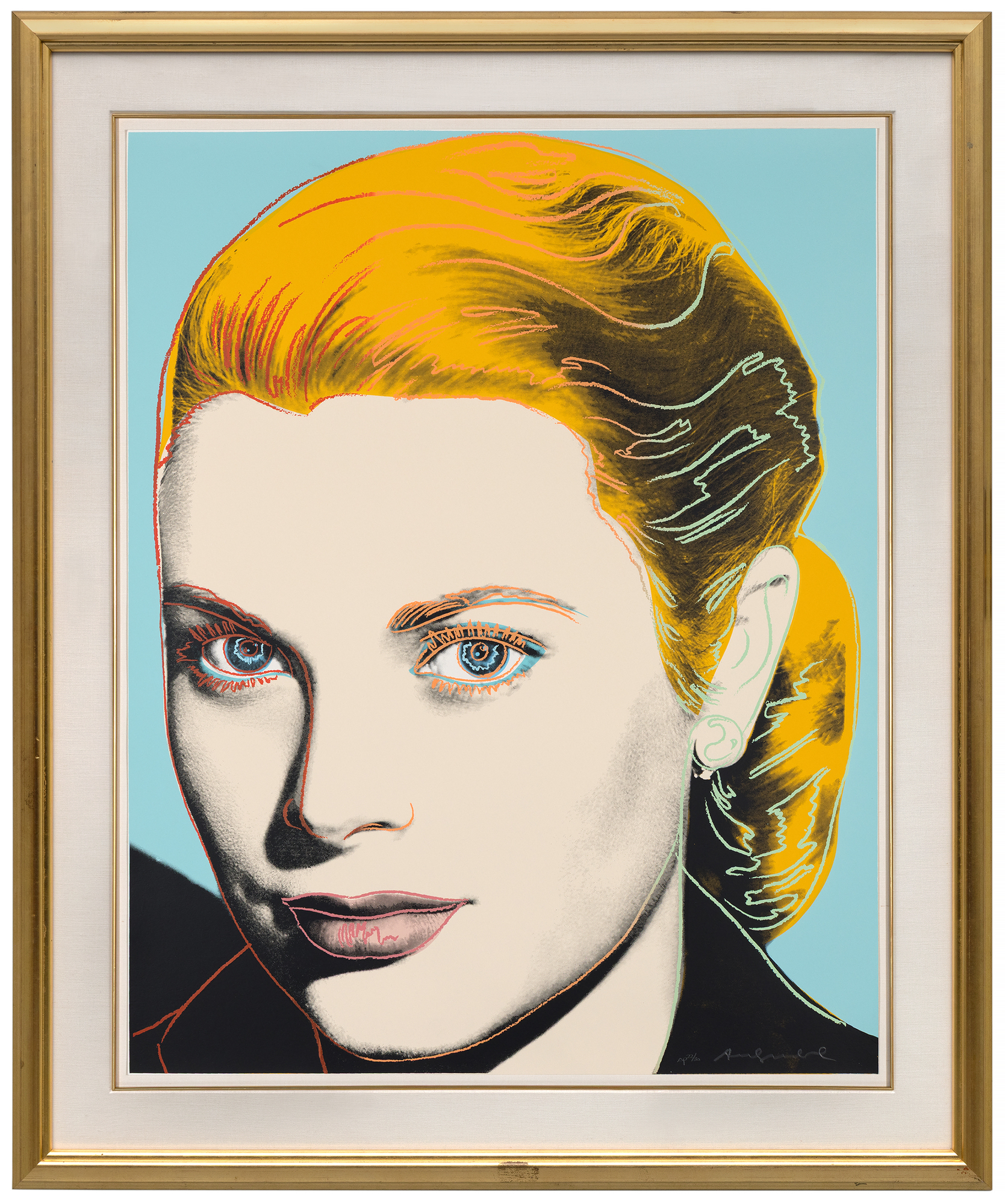
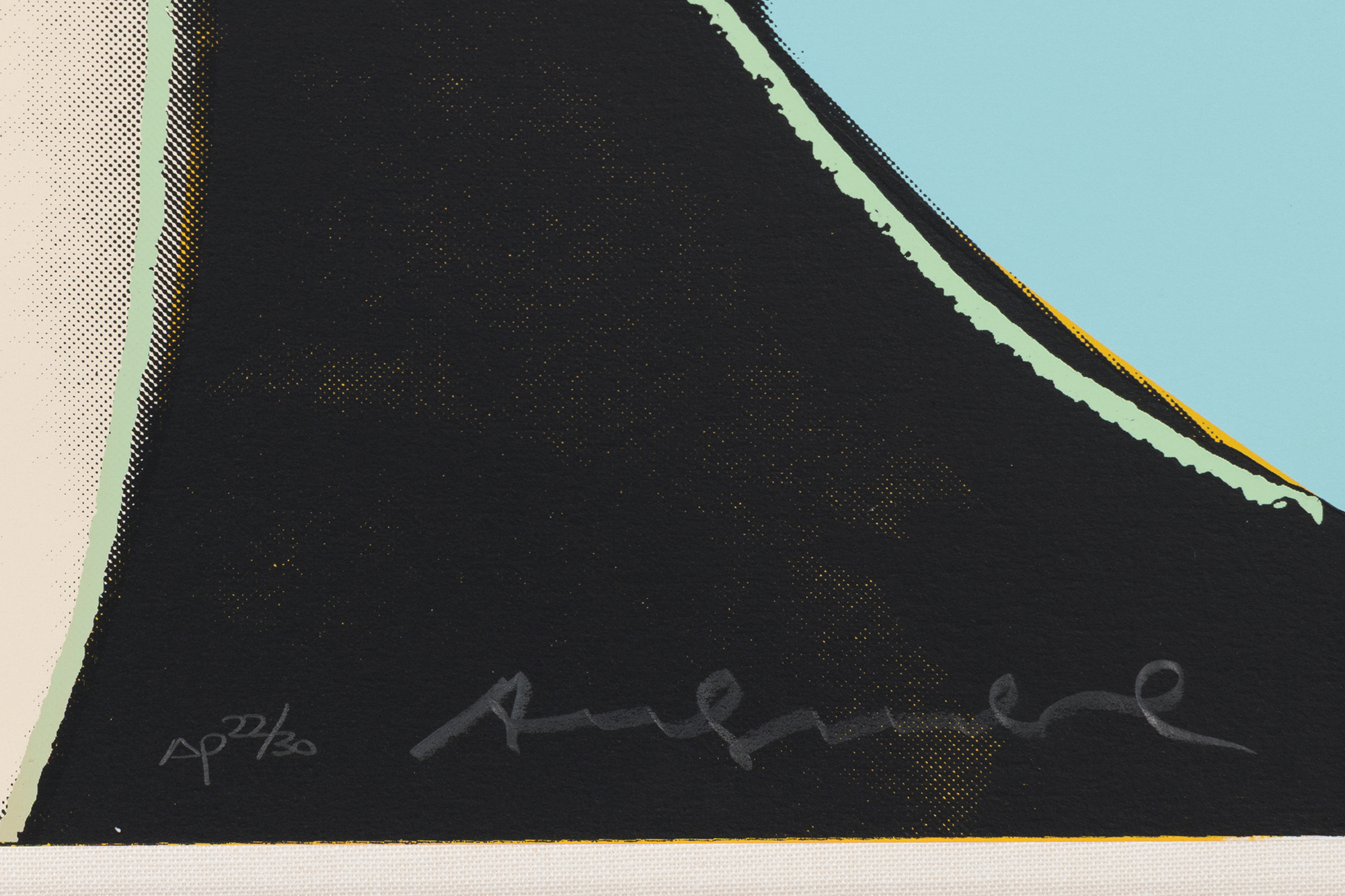
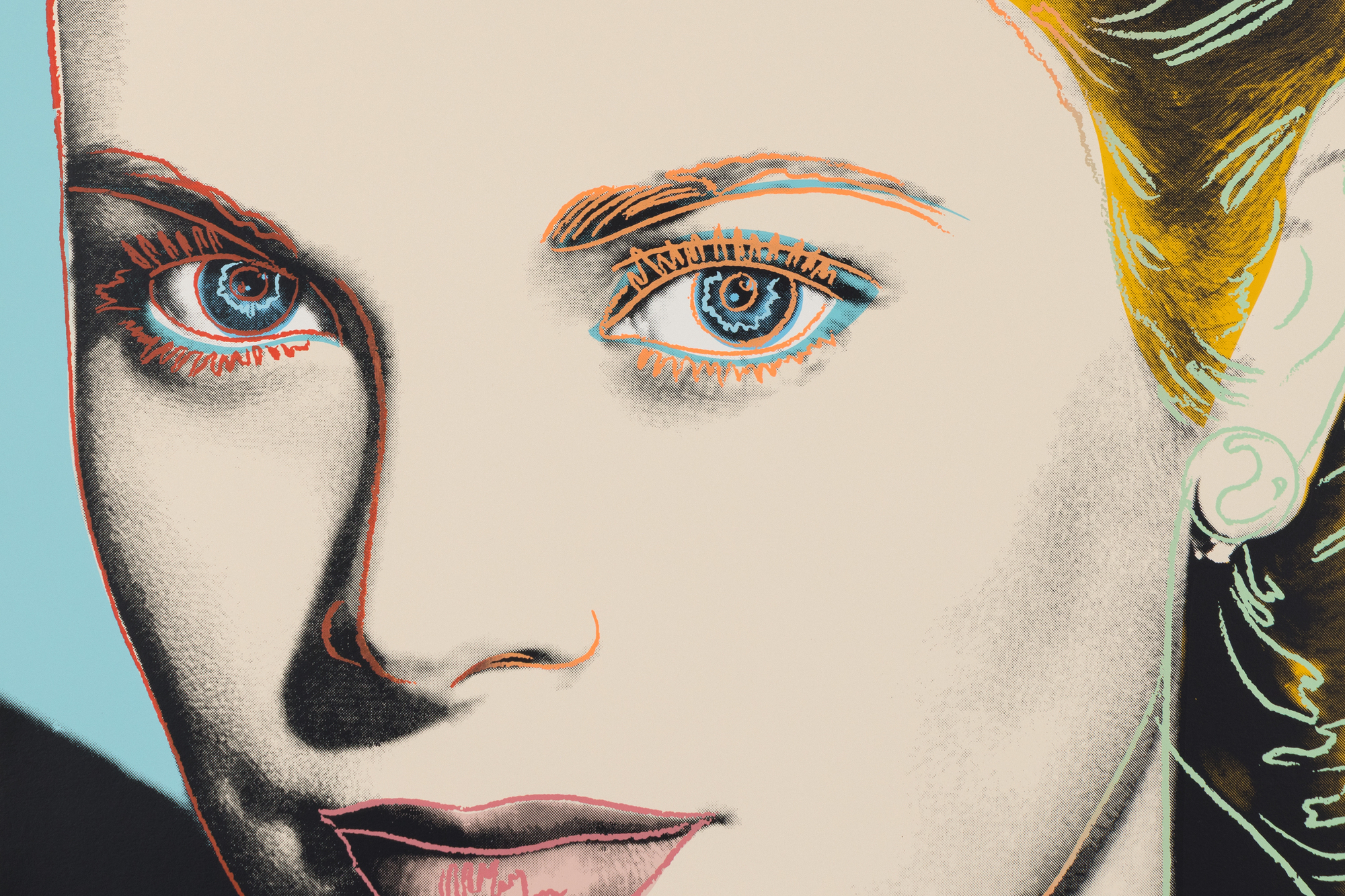
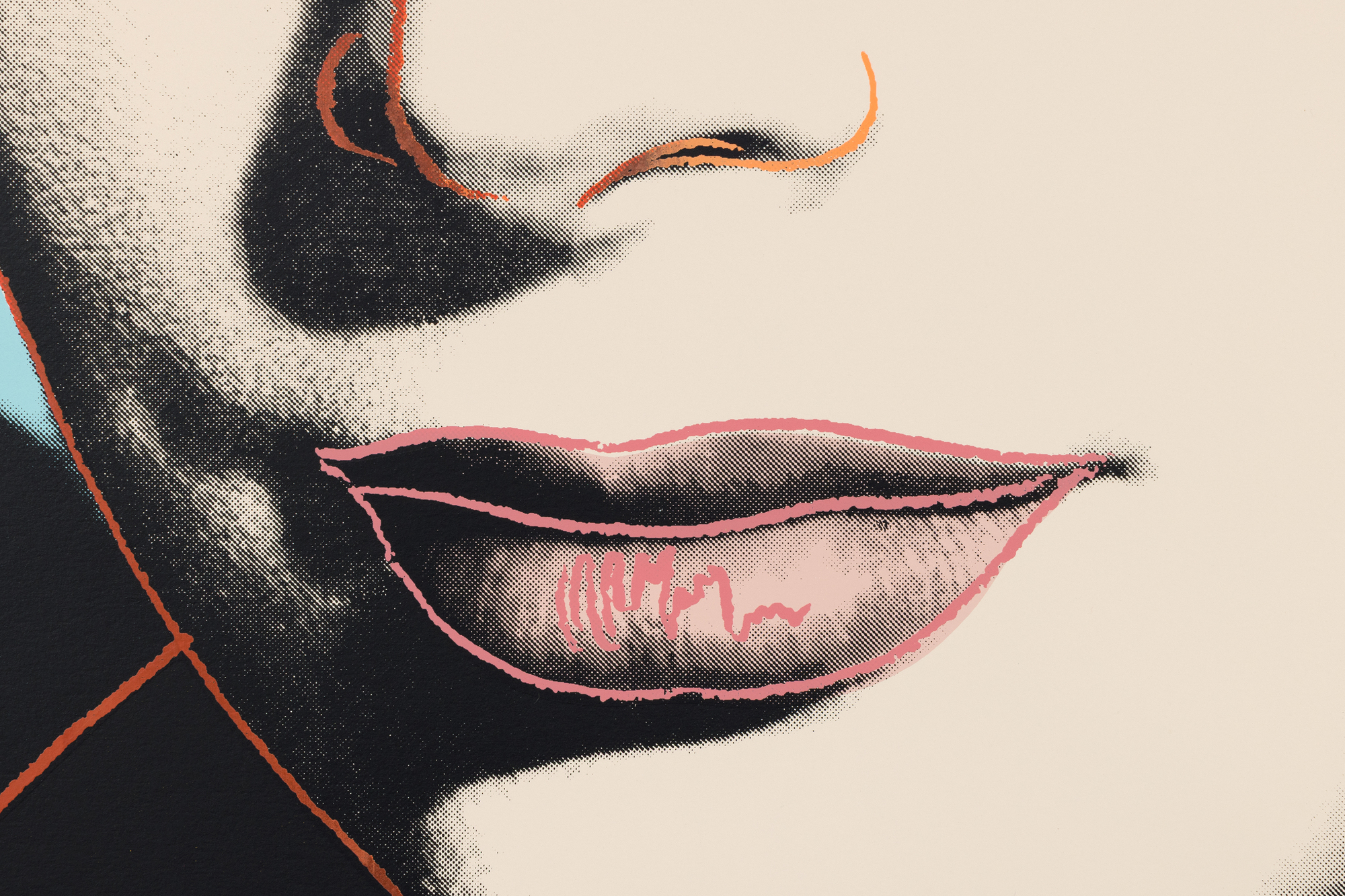
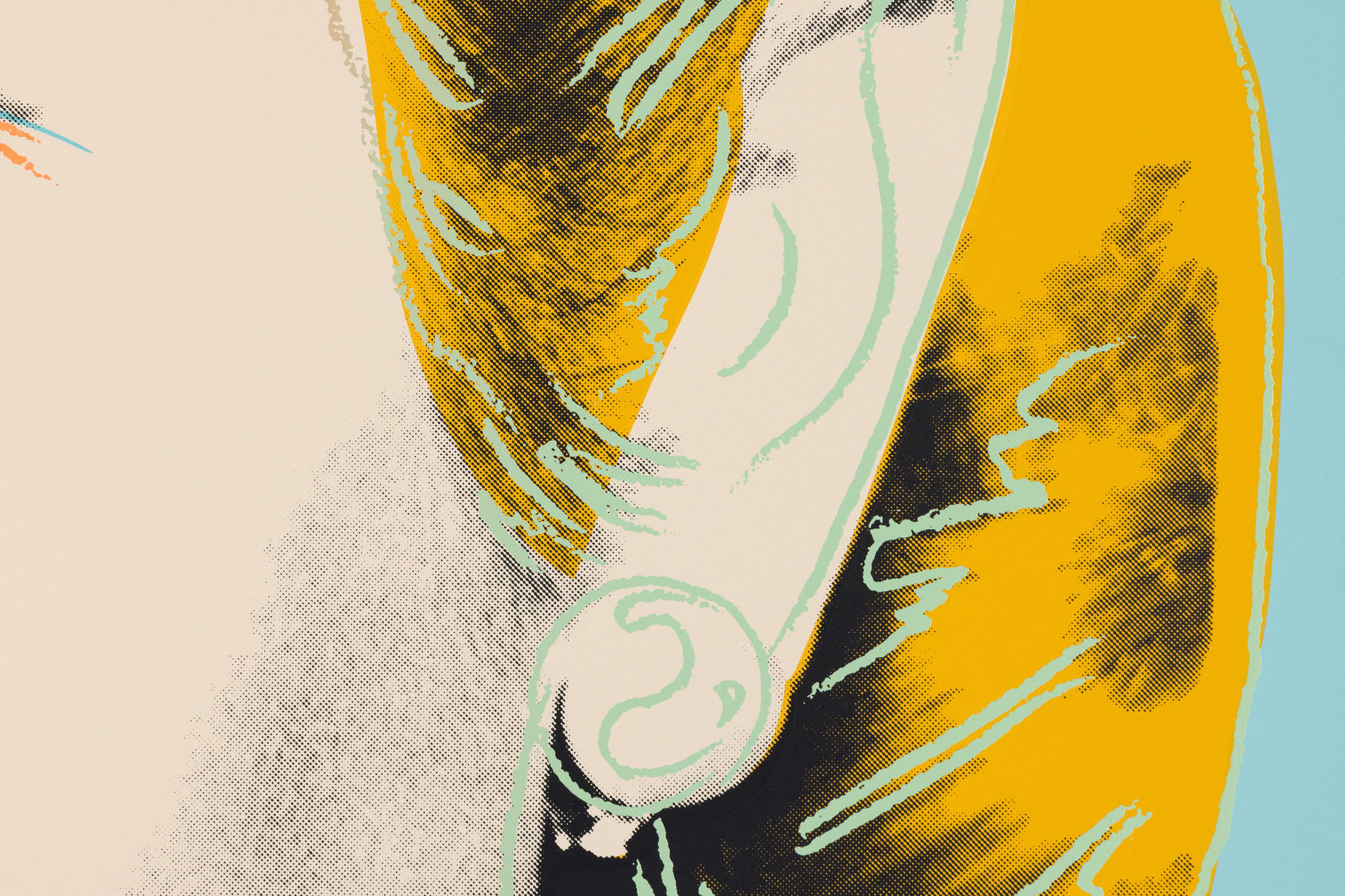
<div><font face=Lato size=3>Andy Warhol’s <em>Grace Kelly</em> (1984) is a dazzling screenprint that immortalizes one of Hollywood’s most iconic stars, who later became Princess of Monaco. This impression, one of 30 artist’s proofs aside from the regular edition of 225, depicts Kelly with radiant canary yellow hair set against a turquoise ground. Her face, rendered through Warhol’s crisp silkscreened contours, is at once immediately recognizable and transformed into a bold graphic emblem. </font></div><br><br><div><font face=Lato size=3> </font></div><br><br><div><font face=Lato size=3>The image is based on a film still from<em> Fourteen Hours</em> (1951), Kelly’s screen debut, which Warhol reimagines through his signature Pop sensibility. By isolating and intensifying her features with vibrant color contrasts, he heightens both the glamour of the actress and the constructed nature of celebrity imagery. The turquoise background vibrates against Kelly’s luminous hair, underscoring Warhol’s mastery of color as a tool of both allure and abstraction. </font></div><br><br><div><font face=Lato size=3> </font></div><br><br><div><font face=Lato size=3>Created during a period when Warhol was revisiting the great icons of his earlier career, <em>Grace Kelly</em> encapsulates his fascination with beauty, fame, and cultural mythmaking. The work distills Kelly’s presence into a timeless symbol—simultaneously a celebration of her cinematic allure and a meditation on the transformation of star into legend. </font></div><br><br><div><font face=Lato size=3> </font></div><br><br><div><font face=Lato size=3> </font></div> <div><font face=Lato size=3>Andy Warhol’s <em>Grace Kelly</em> (1984) is a dazzling screenprint that immortalizes one of Hollywood’s most iconic stars, who later became Princess of Monaco. This impression, one of 30 artist’s proofs aside from the regular edition of 225, depicts Kelly with radiant canary yellow hair set against a turquoise ground. Her face, rendered through Warhol’s crisp silkscreened contours, is at once immediately recognizable and transformed into a bold graphic emblem. </font></div><br><br><div><font face=Lato size=3> </font></div><br><br><div><font face=Lato size=3>The image is based on a film still from<em> Fourteen Hours</em> (1951), Kelly’s screen debut, which Warhol reimagines through his signature Pop sensibility. By isolating and intensifying her features with vibrant color contrasts, he heightens both the glamour of the actress and the constructed nature of celebrity imagery. The turquoise background vibrates against Kelly’s luminous hair, underscoring Warhol’s mastery of color as a tool of both allure and abstraction. </font></div><br><br><div><font face=Lato size=3> </font></div><br><br><div><font face=Lato size=3>Created during a period when Warhol was revisiting the great icons of his earlier career, <em>Grace Kelly</em> encapsulates his fascination with beauty, fame, and cultural mythmaking. The work distills Kelly’s presence into a timeless symbol—simultaneously a celebration of her cinematic allure and a meditation on the transformation of star into legend. </font></div><br><br><div><font face=Lato size=3> </font></div><br><br><div><font face=Lato size=3> </font></div> <div><font face=Lato size=3>Andy Warhol’s <em>Grace Kelly</em> (1984) is a dazzling screenprint that immortalizes one of Hollywood’s most iconic stars, who later became Princess of Monaco. This impression, one of 30 artist’s proofs aside from the regular edition of 225, depicts Kelly with radiant canary yellow hair set against a turquoise ground. Her face, rendered through Warhol’s crisp silkscreened contours, is at once immediately recognizable and transformed into a bold graphic emblem. </font></div><br><br><div><font face=Lato size=3> </font></div><br><br><div><font face=Lato size=3>The image is based on a film still from<em> Fourteen Hours</em> (1951), Kelly’s screen debut, which Warhol reimagines through his signature Pop sensibility. By isolating and intensifying her features with vibrant color contrasts, he heightens both the glamour of the actress and the constructed nature of celebrity imagery. The turquoise background vibrates against Kelly’s luminous hair, underscoring Warhol’s mastery of color as a tool of both allure and abstraction. </font></div><br><br><div><font face=Lato size=3> </font></div><br><br><div><font face=Lato size=3>Created during a period when Warhol was revisiting the great icons of his earlier career, <em>Grace Kelly</em> encapsulates his fascination with beauty, fame, and cultural mythmaking. The work distills Kelly’s presence into a timeless symbol—simultaneously a celebration of her cinematic allure and a meditation on the transformation of star into legend. </font></div><br><br><div><font face=Lato size=3> </font></div><br><br><div><font face=Lato size=3> </font></div> <div><font face=Lato size=3>Andy Warhol’s <em>Grace Kelly</em> (1984) is a dazzling screenprint that immortalizes one of Hollywood’s most iconic stars, who later became Princess of Monaco. This impression, one of 30 artist’s proofs aside from the regular edition of 225, depicts Kelly with radiant canary yellow hair set against a turquoise ground. Her face, rendered through Warhol’s crisp silkscreened contours, is at once immediately recognizable and transformed into a bold graphic emblem. </font></div><br><br><div><font face=Lato size=3> </font></div><br><br><div><font face=Lato size=3>The image is based on a film still from<em> Fourteen Hours</em> (1951), Kelly’s screen debut, which Warhol reimagines through his signature Pop sensibility. By isolating and intensifying her features with vibrant color contrasts, he heightens both the glamour of the actress and the constructed nature of celebrity imagery. The turquoise background vibrates against Kelly’s luminous hair, underscoring Warhol’s mastery of color as a tool of both allure and abstraction. </font></div><br><br><div><font face=Lato size=3> </font></div><br><br><div><font face=Lato size=3>Created during a period when Warhol was revisiting the great icons of his earlier career, <em>Grace Kelly</em> encapsulates his fascination with beauty, fame, and cultural mythmaking. The work distills Kelly’s presence into a timeless symbol—simultaneously a celebration of her cinematic allure and a meditation on the transformation of star into legend. </font></div><br><br><div><font face=Lato size=3> </font></div><br><br><div><font face=Lato size=3> </font></div> <div><font face=Lato size=3>Andy Warhol’s <em>Grace Kelly</em> (1984) is a dazzling screenprint that immortalizes one of Hollywood’s most iconic stars, who later became Princess of Monaco. This impression, one of 30 artist’s proofs aside from the regular edition of 225, depicts Kelly with radiant canary yellow hair set against a turquoise ground. Her face, rendered through Warhol’s crisp silkscreened contours, is at once immediately recognizable and transformed into a bold graphic emblem. </font></div><br><br><div><font face=Lato size=3> </font></div><br><br><div><font face=Lato size=3>The image is based on a film still from<em> Fourteen Hours</em> (1951), Kelly’s screen debut, which Warhol reimagines through his signature Pop sensibility. By isolating and intensifying her features with vibrant color contrasts, he heightens both the glamour of the actress and the constructed nature of celebrity imagery. The turquoise background vibrates against Kelly’s luminous hair, underscoring Warhol’s mastery of color as a tool of both allure and abstraction. </font></div><br><br><div><font face=Lato size=3> </font></div><br><br><div><font face=Lato size=3>Created during a period when Warhol was revisiting the great icons of his earlier career, <em>Grace Kelly</em> encapsulates his fascination with beauty, fame, and cultural mythmaking. The work distills Kelly’s presence into a timeless symbol—simultaneously a celebration of her cinematic allure and a meditation on the transformation of star into legend. </font></div><br><br><div><font face=Lato size=3> </font></div><br><br><div><font face=Lato size=3> </font></div> <div><font face=Lato size=3>Andy Warhol’s <em>Grace Kelly</em> (1984) is a dazzling screenprint that immortalizes one of Hollywood’s most iconic stars, who later became Princess of Monaco. This impression, one of 30 artist’s proofs aside from the regular edition of 225, depicts Kelly with radiant canary yellow hair set against a turquoise ground. Her face, rendered through Warhol’s crisp silkscreened contours, is at once immediately recognizable and transformed into a bold graphic emblem. </font></div><br><br><div><font face=Lato size=3> </font></div><br><br><div><font face=Lato size=3>The image is based on a film still from<em> Fourteen Hours</em> (1951), Kelly’s screen debut, which Warhol reimagines through his signature Pop sensibility. By isolating and intensifying her features with vibrant color contrasts, he heightens both the glamour of the actress and the constructed nature of celebrity imagery. The turquoise background vibrates against Kelly’s luminous hair, underscoring Warhol’s mastery of color as a tool of both allure and abstraction. </font></div><br><br><div><font face=Lato size=3> </font></div><br><br><div><font face=Lato size=3>Created during a period when Warhol was revisiting the great icons of his earlier career, <em>Grace Kelly</em> encapsulates his fascination with beauty, fame, and cultural mythmaking. The work distills Kelly’s presence into a timeless symbol—simultaneously a celebration of her cinematic allure and a meditation on the transformation of star into legend. </font></div><br><br><div><font face=Lato size=3> </font></div><br><br><div><font face=Lato size=3> </font></div> <div><font face=Lato size=3>Andy Warhol’s <em>Grace Kelly</em> (1984) is a dazzling screenprint that immortalizes one of Hollywood’s most iconic stars, who later became Princess of Monaco. This impression, one of 30 artist’s proofs aside from the regular edition of 225, depicts Kelly with radiant canary yellow hair set against a turquoise ground. Her face, rendered through Warhol’s crisp silkscreened contours, is at once immediately recognizable and transformed into a bold graphic emblem. </font></div><br><br><div><font face=Lato size=3> </font></div><br><br><div><font face=Lato size=3>The image is based on a film still from<em> Fourteen Hours</em> (1951), Kelly’s screen debut, which Warhol reimagines through his signature Pop sensibility. By isolating and intensifying her features with vibrant color contrasts, he heightens both the glamour of the actress and the constructed nature of celebrity imagery. The turquoise background vibrates against Kelly’s luminous hair, underscoring Warhol’s mastery of color as a tool of both allure and abstraction. </font></div><br><br><div><font face=Lato size=3> </font></div><br><br><div><font face=Lato size=3>Created during a period when Warhol was revisiting the great icons of his earlier career, <em>Grace Kelly</em> encapsulates his fascination with beauty, fame, and cultural mythmaking. The work distills Kelly’s presence into a timeless symbol—simultaneously a celebration of her cinematic allure and a meditation on the transformation of star into legend. </font></div><br><br><div><font face=Lato size=3> </font></div><br><br><div><font face=Lato size=3> </font></div> <div><font face=Lato size=3>Andy Warhol’s <em>Grace Kelly</em> (1984) is a dazzling screenprint that immortalizes one of Hollywood’s most iconic stars, who later became Princess of Monaco. This impression, one of 30 artist’s proofs aside from the regular edition of 225, depicts Kelly with radiant canary yellow hair set against a turquoise ground. Her face, rendered through Warhol’s crisp silkscreened contours, is at once immediately recognizable and transformed into a bold graphic emblem. </font></div><br><br><div><font face=Lato size=3> </font></div><br><br><div><font face=Lato size=3>The image is based on a film still from<em> Fourteen Hours</em> (1951), Kelly’s screen debut, which Warhol reimagines through his signature Pop sensibility. By isolating and intensifying her features with vibrant color contrasts, he heightens both the glamour of the actress and the constructed nature of celebrity imagery. The turquoise background vibrates against Kelly’s luminous hair, underscoring Warhol’s mastery of color as a tool of both allure and abstraction. </font></div><br><br><div><font face=Lato size=3> </font></div><br><br><div><font face=Lato size=3>Created during a period when Warhol was revisiting the great icons of his earlier career, <em>Grace Kelly</em> encapsulates his fascination with beauty, fame, and cultural mythmaking. The work distills Kelly’s presence into a timeless symbol—simultaneously a celebration of her cinematic allure and a meditation on the transformation of star into legend. </font></div><br><br><div><font face=Lato size=3> </font></div><br><br><div><font face=Lato size=3> </font></div> <div><font face=Lato size=3>Andy Warhol’s <em>Grace Kelly</em> (1984) is a dazzling screenprint that immortalizes one of Hollywood’s most iconic stars, who later became Princess of Monaco. This impression, one of 30 artist’s proofs aside from the regular edition of 225, depicts Kelly with radiant canary yellow hair set against a turquoise ground. Her face, rendered through Warhol’s crisp silkscreened contours, is at once immediately recognizable and transformed into a bold graphic emblem. </font></div><br><br><div><font face=Lato size=3> </font></div><br><br><div><font face=Lato size=3>The image is based on a film still from<em> Fourteen Hours</em> (1951), Kelly’s screen debut, which Warhol reimagines through his signature Pop sensibility. By isolating and intensifying her features with vibrant color contrasts, he heightens both the glamour of the actress and the constructed nature of celebrity imagery. The turquoise background vibrates against Kelly’s luminous hair, underscoring Warhol’s mastery of color as a tool of both allure and abstraction. </font></div><br><br><div><font face=Lato size=3> </font></div><br><br><div><font face=Lato size=3>Created during a period when Warhol was revisiting the great icons of his earlier career, <em>Grace Kelly</em> encapsulates his fascination with beauty, fame, and cultural mythmaking. The work distills Kelly’s presence into a timeless symbol—simultaneously a celebration of her cinematic allure and a meditation on the transformation of star into legend. </font></div><br><br><div><font face=Lato size=3> </font></div><br><br><div><font face=Lato size=3> </font></div> <div><font face=Lato size=3>Andy Warhol’s <em>Grace Kelly</em> (1984) is a dazzling screenprint that immortalizes one of Hollywood’s most iconic stars, who later became Princess of Monaco. This impression, one of 30 artist’s proofs aside from the regular edition of 225, depicts Kelly with radiant canary yellow hair set against a turquoise ground. Her face, rendered through Warhol’s crisp silkscreened contours, is at once immediately recognizable and transformed into a bold graphic emblem. </font></div><br><br><div><font face=Lato size=3> </font></div><br><br><div><font face=Lato size=3>The image is based on a film still from<em> Fourteen Hours</em> (1951), Kelly’s screen debut, which Warhol reimagines through his signature Pop sensibility. By isolating and intensifying her features with vibrant color contrasts, he heightens both the glamour of the actress and the constructed nature of celebrity imagery. The turquoise background vibrates against Kelly’s luminous hair, underscoring Warhol’s mastery of color as a tool of both allure and abstraction. </font></div><br><br><div><font face=Lato size=3> </font></div><br><br><div><font face=Lato size=3>Created during a period when Warhol was revisiting the great icons of his earlier career, <em>Grace Kelly</em> encapsulates his fascination with beauty, fame, and cultural mythmaking. The work distills Kelly’s presence into a timeless symbol—simultaneously a celebration of her cinematic allure and a meditation on the transformation of star into legend. </font></div><br><br><div><font face=Lato size=3> </font></div><br><br><div><font face=Lato size=3> </font></div>
גרייס קלי , 1984, הדפס רשת צבעוני, 101.6 x 81.28 ס"מ ( 40 x 32 אינץ').
מקור ומקור
אמנות המילטון סלוויי
אוסף פרטי
אמנות יפה של הת'ר ג'יימס
ספרות
פריידה פלדמן ויורג שלמן, הדפסים של אנדי וורהול: קטלוג רייסון: 1962-1987, ניו יורק, 2003, מס' II.305
גרייס קלי (1984) של אנדי וורהול הוא הדפס משי מסנוור המנציח את אחת הכוכבות האייקוניות ביותר של הוליווד, שלימים הפכה לנסיכת מונקו. הדפס זה, אחד מ-30 הוכחות אמן מלבד המהדורה הרגילה של 225, מתאר את קלי עם שיער צהוב קנרי קורן על רקע טורקיז. פניה, המוצגים דרך קווי המתאר הפרקים של וורהול, מזוהים מיד והופכים לסמל גרפי נועז.


התמונה מבוססת על צילום סטילס מסרטון "ארבע עשרה שעות" (1951), הופעת הבכורה של קלי על המסך, אותו וורהול מדמיין מחדש דרך הרגישות הפופית האופיינית לו. על ידי בידוד והעצמת תווי פניה עם ניגודי צבע עזים, הוא מעצים הן את הזוהר של השחקנית והן את האופי הבנוי של דימויי סלבריטאים. הרקע הטורקיז רוטט על רקע שערה הזוהר של קלי, ומדגיש את שליטתו של וורהול בצבע ככלי של קסם והפשטה כאחד.


גרייס קלי, שנוצרה בתקופה בה וורהול חזר לאייקונים הגדולים של הקריירה המוקדמת שלו, מגלם את הקסם שלו מיופי, תהילה ויצירת מיתוסים תרבותיים. היצירה מזקקת את נוכחותה של קלי לסמל נצחי - בו זמנית חגיגה של קסם הקולנוע שלה והרהור על הפיכתה מכוכבת לאגדה.


לברר