
返回

ALBERT BIERSTADT (1830-1902)

$1,750,000

 
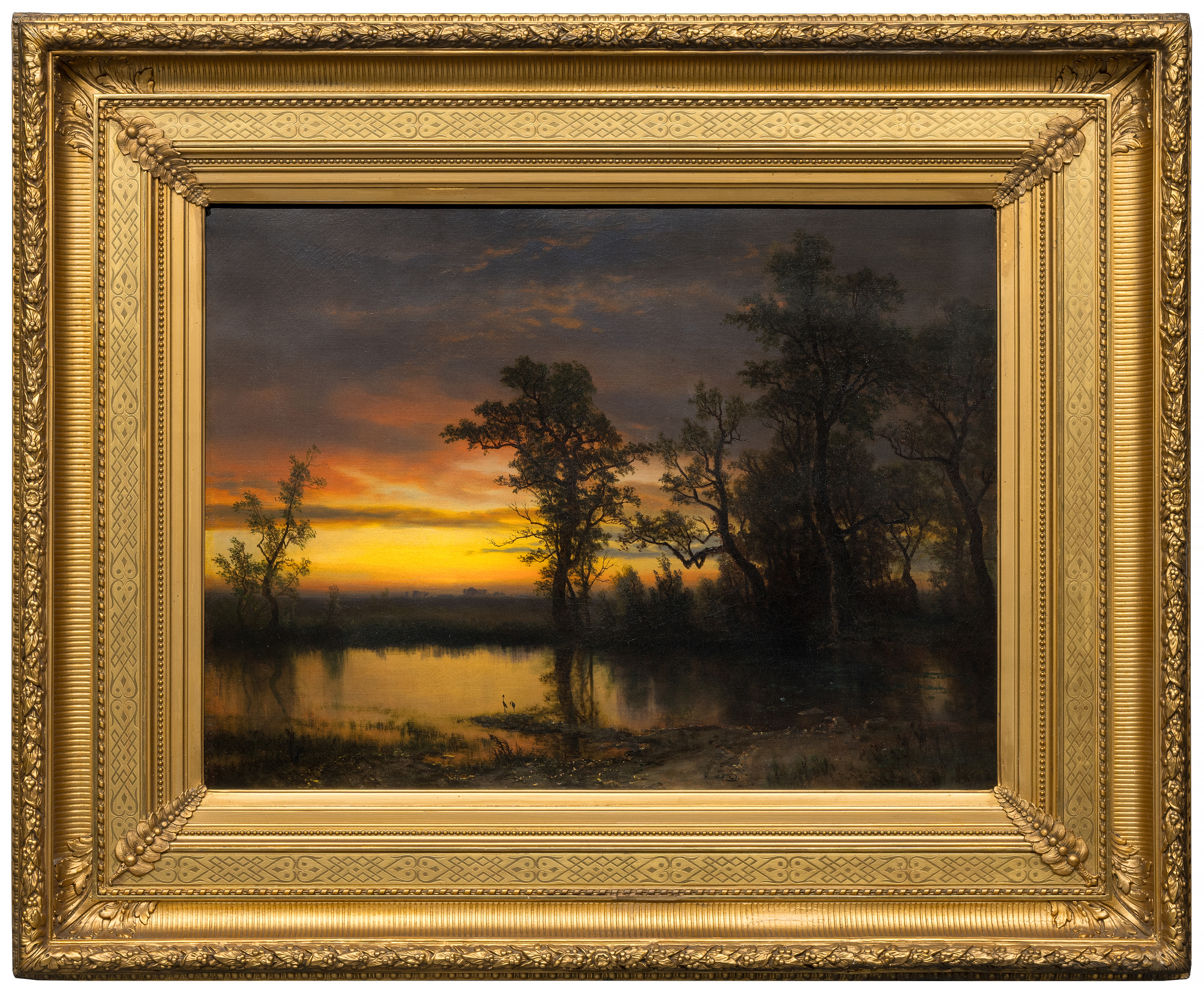
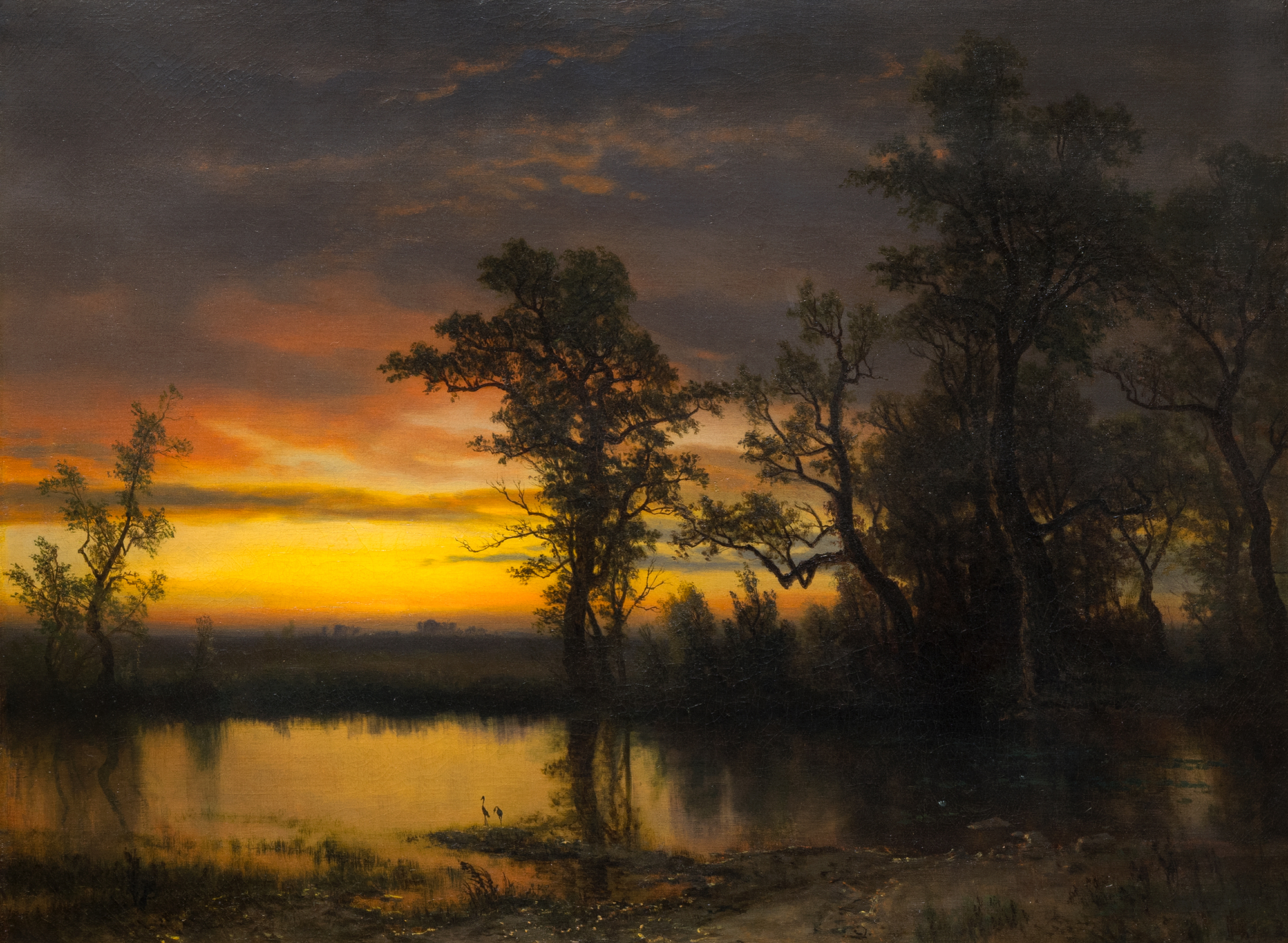
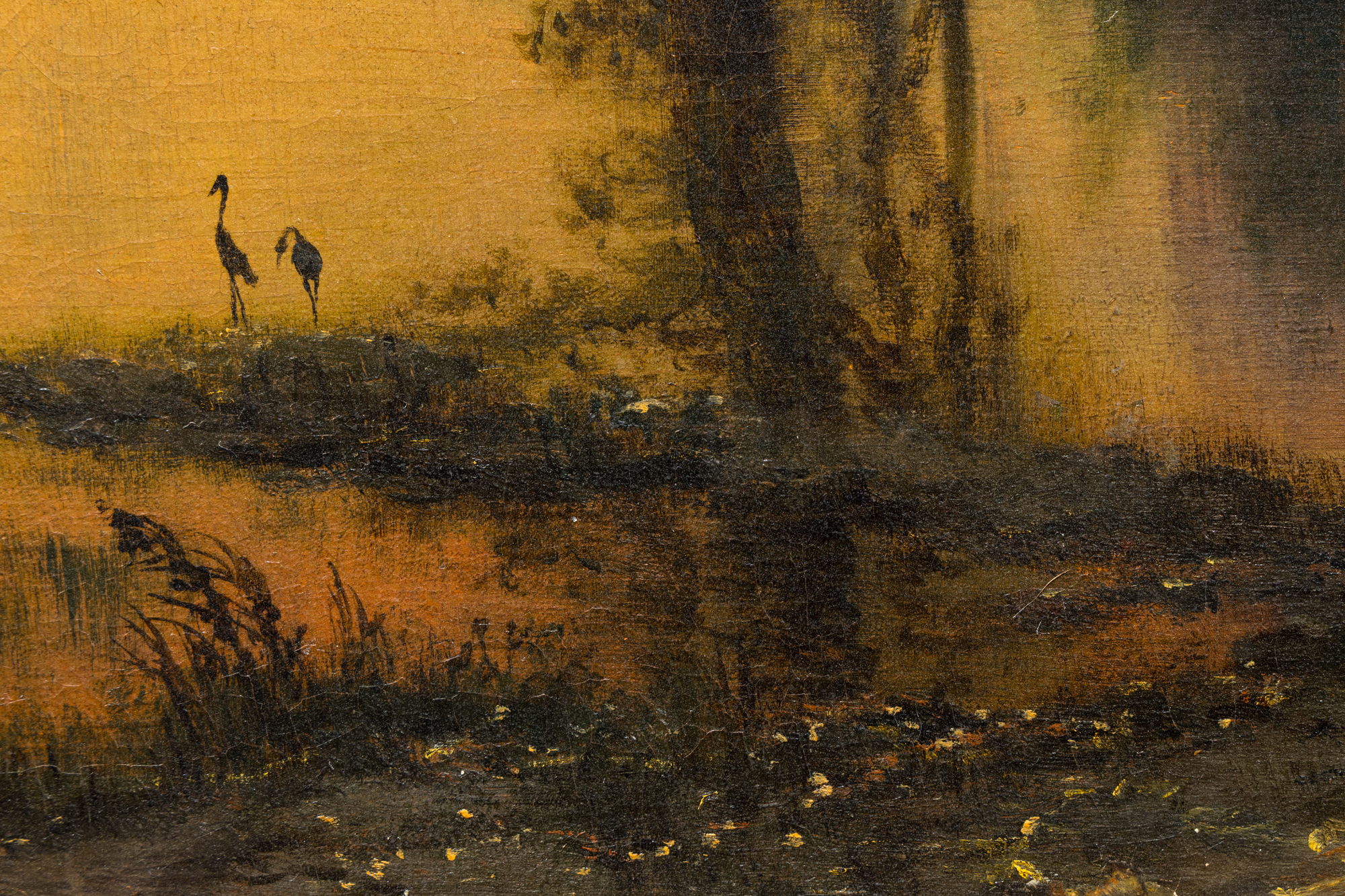
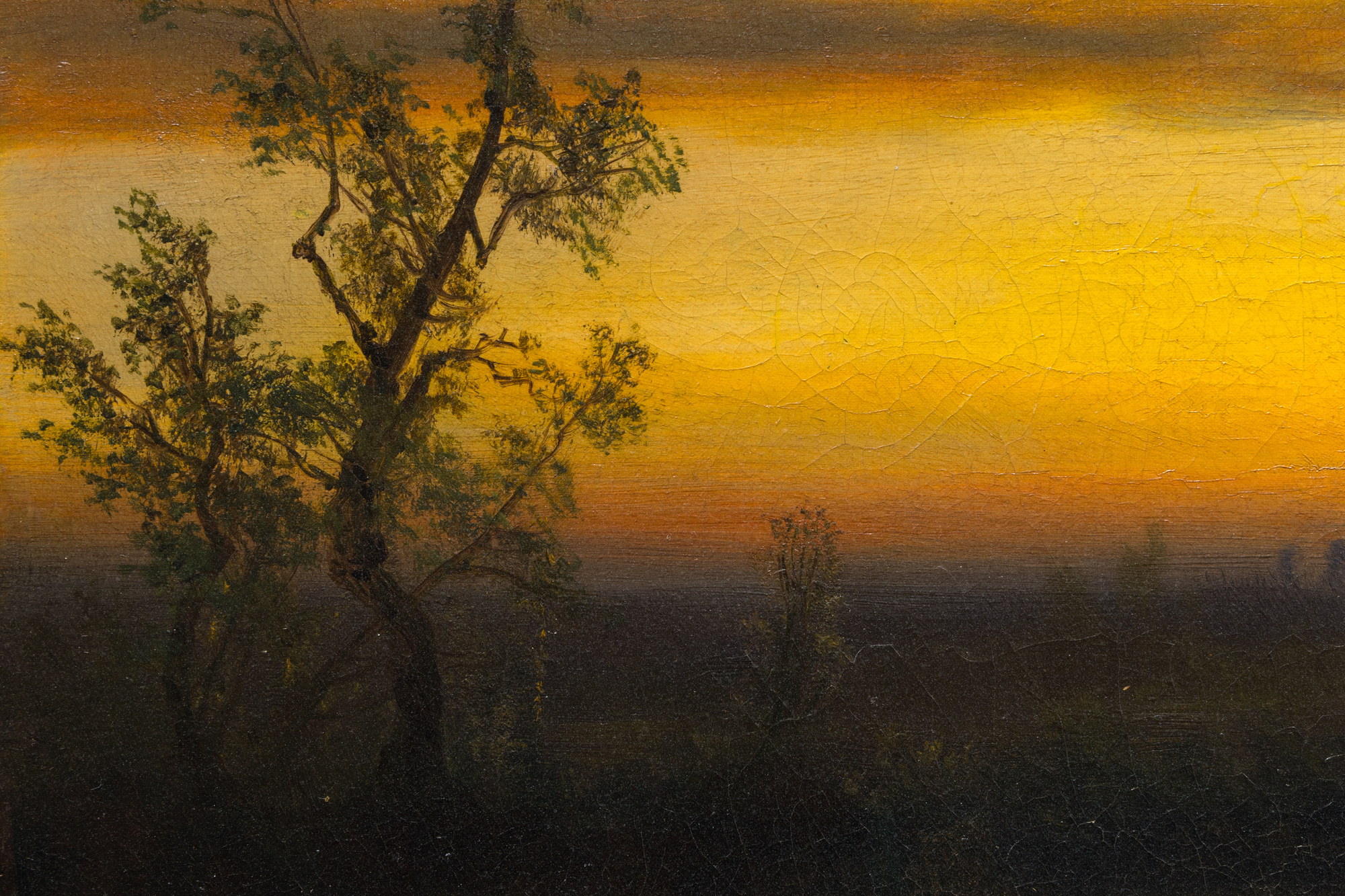
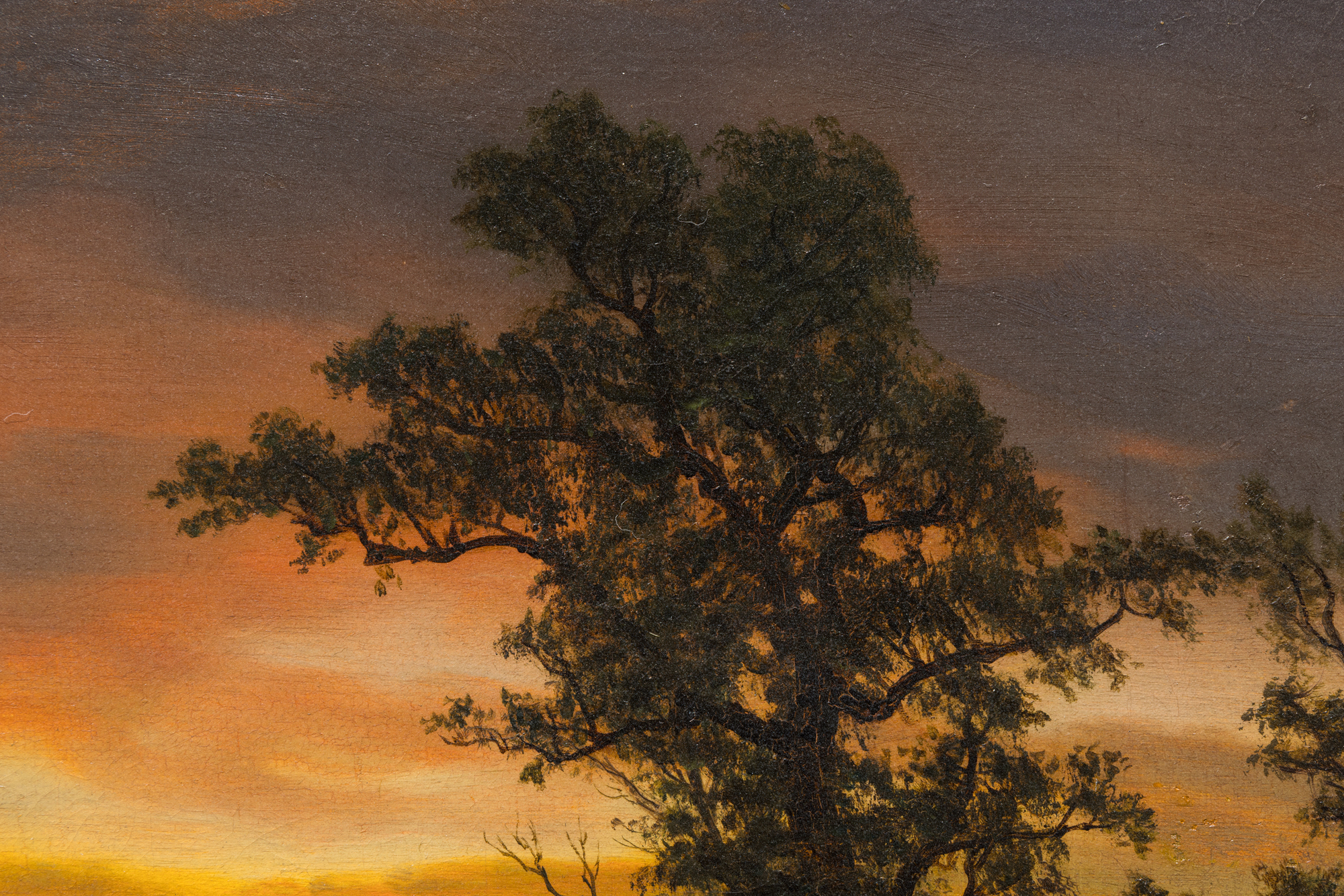
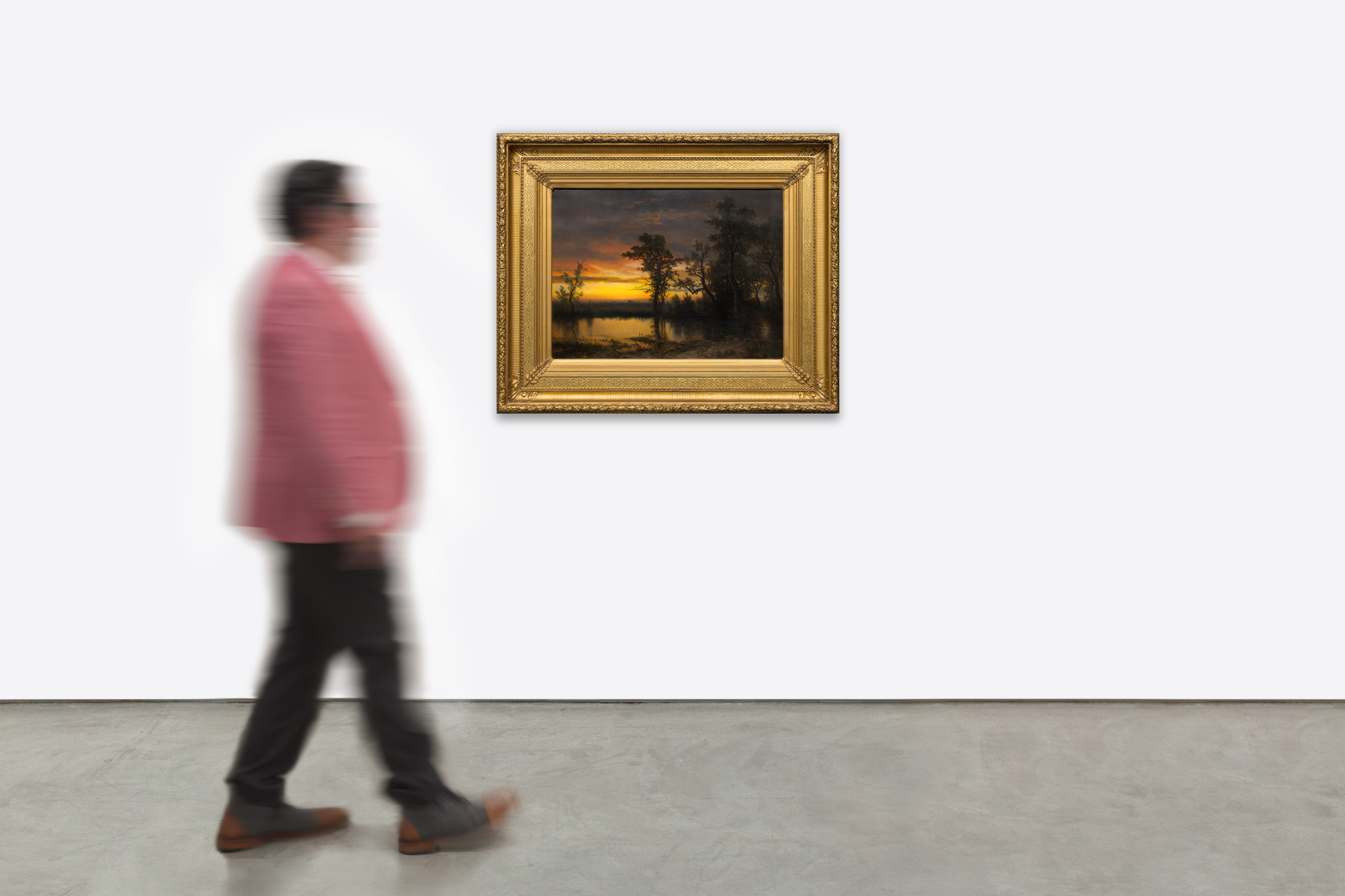
<div>"Twilight on the San Joaquin" (c. 1873) is a luminous oil painting that exemplifies Albert Bierstadt’s mature engagement with the American landscape and his mastery of light effects. Executed in a refined Luminist style, the work emphasizes a tranquil, glowing atmosphere achieved through meticulous detail, subtle tonal transitions, and a carefully controlled palette. The fading light of dusk settles gently over the scene, transforming the San Joaquin River into a reflective plane that anchors the composition and enhances its meditative stillness. </div><br><br><div> </div><br><br><div>The San Joaquin River, which flows through California’s Central Valley before joining the Sacramento River at the Sacramento–San Joaquin Delta, was a subject well suited to Bierstadt’s interest in expansive yet serene vistas. In this painting, the river becomes a conduit for light, capturing the delicate interplay between sky and water at twilight. The result is a harmonious balance between natural grandeur and intimate observation. </div><br><br><div> </div><br><br><div>Bierstadt was a prominent painter associated with the Hudson River School, known for his large, gleaming depictions of the American West. His portrayals of beauty and plenty helped shape the popular image of the West and reassured Americans, still grappling with the aftermath of the Civil War, that their young democracy possessed a grandeur comparable to Europe and would endure. Between 1871 and 1873, Bierstadt lived in California, maintaining a studio in San Francisco, and traveled extensively through the region, producing works that capture its vastness and unique beauty. </div><br><br><div> </div><br><br><div>A closely related twilight scene, "Owens Valley, California" (c. 1872) is in the collection of the McMullen Museum of Art, Boston College. Twilight on the San Joaquin will be included in the forthcoming Albert Bierstadt catalogue raisonné database directed by Melissa Webster Speidel, President of the Bierstadt Foundation. </div> <div>"Twilight on the San Joaquin" (c. 1873) is a luminous oil painting that exemplifies Albert Bierstadt’s mature engagement with the American landscape and his mastery of light effects. Executed in a refined Luminist style, the work emphasizes a tranquil, glowing atmosphere achieved through meticulous detail, subtle tonal transitions, and a carefully controlled palette. The fading light of dusk settles gently over the scene, transforming the San Joaquin River into a reflective plane that anchors the composition and enhances its meditative stillness. </div><br><br><div> </div><br><br><div>The San Joaquin River, which flows through California’s Central Valley before joining the Sacramento River at the Sacramento–San Joaquin Delta, was a subject well suited to Bierstadt’s interest in expansive yet serene vistas. In this painting, the river becomes a conduit for light, capturing the delicate interplay between sky and water at twilight. The result is a harmonious balance between natural grandeur and intimate observation. </div><br><br><div> </div><br><br><div>Bierstadt was a prominent painter associated with the Hudson River School, known for his large, gleaming depictions of the American West. His portrayals of beauty and plenty helped shape the popular image of the West and reassured Americans, still grappling with the aftermath of the Civil War, that their young democracy possessed a grandeur comparable to Europe and would endure. Between 1871 and 1873, Bierstadt lived in California, maintaining a studio in San Francisco, and traveled extensively through the region, producing works that capture its vastness and unique beauty. </div><br><br><div> </div><br><br><div>A closely related twilight scene, "Owens Valley, California" (c. 1872) is in the collection of the McMullen Museum of Art, Boston College. Twilight on the San Joaquin will be included in the forthcoming Albert Bierstadt catalogue raisonné database directed by Melissa Webster Speidel, President of the Bierstadt Foundation. </div> <div>"Twilight on the San Joaquin" (c. 1873) is a luminous oil painting that exemplifies Albert Bierstadt’s mature engagement with the American landscape and his mastery of light effects. Executed in a refined Luminist style, the work emphasizes a tranquil, glowing atmosphere achieved through meticulous detail, subtle tonal transitions, and a carefully controlled palette. The fading light of dusk settles gently over the scene, transforming the San Joaquin River into a reflective plane that anchors the composition and enhances its meditative stillness. </div><br><br><div> </div><br><br><div>The San Joaquin River, which flows through California’s Central Valley before joining the Sacramento River at the Sacramento–San Joaquin Delta, was a subject well suited to Bierstadt’s interest in expansive yet serene vistas. In this painting, the river becomes a conduit for light, capturing the delicate interplay between sky and water at twilight. The result is a harmonious balance between natural grandeur and intimate observation. </div><br><br><div> </div><br><br><div>Bierstadt was a prominent painter associated with the Hudson River School, known for his large, gleaming depictions of the American West. His portrayals of beauty and plenty helped shape the popular image of the West and reassured Americans, still grappling with the aftermath of the Civil War, that their young democracy possessed a grandeur comparable to Europe and would endure. Between 1871 and 1873, Bierstadt lived in California, maintaining a studio in San Francisco, and traveled extensively through the region, producing works that capture its vastness and unique beauty. </div><br><br><div> </div><br><br><div>A closely related twilight scene, "Owens Valley, California" (c. 1872) is in the collection of the McMullen Museum of Art, Boston College. Twilight on the San Joaquin will be included in the forthcoming Albert Bierstadt catalogue raisonné database directed by Melissa Webster Speidel, President of the Bierstadt Foundation. </div> <div>"Twilight on the San Joaquin" (c. 1873) is a luminous oil painting that exemplifies Albert Bierstadt’s mature engagement with the American landscape and his mastery of light effects. Executed in a refined Luminist style, the work emphasizes a tranquil, glowing atmosphere achieved through meticulous detail, subtle tonal transitions, and a carefully controlled palette. The fading light of dusk settles gently over the scene, transforming the San Joaquin River into a reflective plane that anchors the composition and enhances its meditative stillness. </div><br><br><div> </div><br><br><div>The San Joaquin River, which flows through California’s Central Valley before joining the Sacramento River at the Sacramento–San Joaquin Delta, was a subject well suited to Bierstadt’s interest in expansive yet serene vistas. In this painting, the river becomes a conduit for light, capturing the delicate interplay between sky and water at twilight. The result is a harmonious balance between natural grandeur and intimate observation. </div><br><br><div> </div><br><br><div>Bierstadt was a prominent painter associated with the Hudson River School, known for his large, gleaming depictions of the American West. His portrayals of beauty and plenty helped shape the popular image of the West and reassured Americans, still grappling with the aftermath of the Civil War, that their young democracy possessed a grandeur comparable to Europe and would endure. Between 1871 and 1873, Bierstadt lived in California, maintaining a studio in San Francisco, and traveled extensively through the region, producing works that capture its vastness and unique beauty. </div><br><br><div> </div><br><br><div>A closely related twilight scene, "Owens Valley, California" (c. 1872) is in the collection of the McMullen Museum of Art, Boston College. Twilight on the San Joaquin will be included in the forthcoming Albert Bierstadt catalogue raisonné database directed by Melissa Webster Speidel, President of the Bierstadt Foundation. </div> <div>"Twilight on the San Joaquin" (c. 1873) is a luminous oil painting that exemplifies Albert Bierstadt’s mature engagement with the American landscape and his mastery of light effects. Executed in a refined Luminist style, the work emphasizes a tranquil, glowing atmosphere achieved through meticulous detail, subtle tonal transitions, and a carefully controlled palette. The fading light of dusk settles gently over the scene, transforming the San Joaquin River into a reflective plane that anchors the composition and enhances its meditative stillness. </div><br><br><div> </div><br><br><div>The San Joaquin River, which flows through California’s Central Valley before joining the Sacramento River at the Sacramento–San Joaquin Delta, was a subject well suited to Bierstadt’s interest in expansive yet serene vistas. In this painting, the river becomes a conduit for light, capturing the delicate interplay between sky and water at twilight. The result is a harmonious balance between natural grandeur and intimate observation. </div><br><br><div> </div><br><br><div>Bierstadt was a prominent painter associated with the Hudson River School, known for his large, gleaming depictions of the American West. His portrayals of beauty and plenty helped shape the popular image of the West and reassured Americans, still grappling with the aftermath of the Civil War, that their young democracy possessed a grandeur comparable to Europe and would endure. Between 1871 and 1873, Bierstadt lived in California, maintaining a studio in San Francisco, and traveled extensively through the region, producing works that capture its vastness and unique beauty. </div><br><br><div> </div><br><br><div>A closely related twilight scene, "Owens Valley, California" (c. 1872) is in the collection of the McMullen Museum of Art, Boston College. Twilight on the San Joaquin will be included in the forthcoming Albert Bierstadt catalogue raisonné database directed by Melissa Webster Speidel, President of the Bierstadt Foundation. </div> <div>"Twilight on the San Joaquin" (c. 1873) is a luminous oil painting that exemplifies Albert Bierstadt’s mature engagement with the American landscape and his mastery of light effects. Executed in a refined Luminist style, the work emphasizes a tranquil, glowing atmosphere achieved through meticulous detail, subtle tonal transitions, and a carefully controlled palette. The fading light of dusk settles gently over the scene, transforming the San Joaquin River into a reflective plane that anchors the composition and enhances its meditative stillness. </div><br><br><div> </div><br><br><div>The San Joaquin River, which flows through California’s Central Valley before joining the Sacramento River at the Sacramento–San Joaquin Delta, was a subject well suited to Bierstadt’s interest in expansive yet serene vistas. In this painting, the river becomes a conduit for light, capturing the delicate interplay between sky and water at twilight. The result is a harmonious balance between natural grandeur and intimate observation. </div><br><br><div> </div><br><br><div>Bierstadt was a prominent painter associated with the Hudson River School, known for his large, gleaming depictions of the American West. His portrayals of beauty and plenty helped shape the popular image of the West and reassured Americans, still grappling with the aftermath of the Civil War, that their young democracy possessed a grandeur comparable to Europe and would endure. Between 1871 and 1873, Bierstadt lived in California, maintaining a studio in San Francisco, and traveled extensively through the region, producing works that capture its vastness and unique beauty. </div><br><br><div> </div><br><br><div>A closely related twilight scene, "Owens Valley, California" (c. 1872) is in the collection of the McMullen Museum of Art, Boston College. Twilight on the San Joaquin will be included in the forthcoming Albert Bierstadt catalogue raisonné database directed by Melissa Webster Speidel, President of the Bierstadt Foundation. </div> <div>"Twilight on the San Joaquin" (c. 1873) is a luminous oil painting that exemplifies Albert Bierstadt’s mature engagement with the American landscape and his mastery of light effects. Executed in a refined Luminist style, the work emphasizes a tranquil, glowing atmosphere achieved through meticulous detail, subtle tonal transitions, and a carefully controlled palette. The fading light of dusk settles gently over the scene, transforming the San Joaquin River into a reflective plane that anchors the composition and enhances its meditative stillness. </div><br><br><div> </div><br><br><div>The San Joaquin River, which flows through California’s Central Valley before joining the Sacramento River at the Sacramento–San Joaquin Delta, was a subject well suited to Bierstadt’s interest in expansive yet serene vistas. In this painting, the river becomes a conduit for light, capturing the delicate interplay between sky and water at twilight. The result is a harmonious balance between natural grandeur and intimate observation. </div><br><br><div> </div><br><br><div>Bierstadt was a prominent painter associated with the Hudson River School, known for his large, gleaming depictions of the American West. His portrayals of beauty and plenty helped shape the popular image of the West and reassured Americans, still grappling with the aftermath of the Civil War, that their young democracy possessed a grandeur comparable to Europe and would endure. Between 1871 and 1873, Bierstadt lived in California, maintaining a studio in San Francisco, and traveled extensively through the region, producing works that capture its vastness and unique beauty. </div><br><br><div> </div><br><br><div>A closely related twilight scene, "Owens Valley, California" (c. 1872) is in the collection of the McMullen Museum of Art, Boston College. Twilight on the San Joaquin will be included in the forthcoming Albert Bierstadt catalogue raisonné database directed by Melissa Webster Speidel, President of the Bierstadt Foundation. </div> <div>"Twilight on the San Joaquin" (c. 1873) is a luminous oil painting that exemplifies Albert Bierstadt’s mature engagement with the American landscape and his mastery of light effects. Executed in a refined Luminist style, the work emphasizes a tranquil, glowing atmosphere achieved through meticulous detail, subtle tonal transitions, and a carefully controlled palette. The fading light of dusk settles gently over the scene, transforming the San Joaquin River into a reflective plane that anchors the composition and enhances its meditative stillness. </div><br><br><div> </div><br><br><div>The San Joaquin River, which flows through California’s Central Valley before joining the Sacramento River at the Sacramento–San Joaquin Delta, was a subject well suited to Bierstadt’s interest in expansive yet serene vistas. In this painting, the river becomes a conduit for light, capturing the delicate interplay between sky and water at twilight. The result is a harmonious balance between natural grandeur and intimate observation. </div><br><br><div> </div><br><br><div>Bierstadt was a prominent painter associated with the Hudson River School, known for his large, gleaming depictions of the American West. His portrayals of beauty and plenty helped shape the popular image of the West and reassured Americans, still grappling with the aftermath of the Civil War, that their young democracy possessed a grandeur comparable to Europe and would endure. Between 1871 and 1873, Bierstadt lived in California, maintaining a studio in San Francisco, and traveled extensively through the region, producing works that capture its vastness and unique beauty. </div><br><br><div> </div><br><br><div>A closely related twilight scene, "Owens Valley, California" (c. 1872) is in the collection of the McMullen Museum of Art, Boston College. Twilight on the San Joaquin will be included in the forthcoming Albert Bierstadt catalogue raisonné database directed by Melissa Webster Speidel, President of the Bierstadt Foundation. </div> <div>"Twilight on the San Joaquin" (c. 1873) is a luminous oil painting that exemplifies Albert Bierstadt’s mature engagement with the American landscape and his mastery of light effects. Executed in a refined Luminist style, the work emphasizes a tranquil, glowing atmosphere achieved through meticulous detail, subtle tonal transitions, and a carefully controlled palette. The fading light of dusk settles gently over the scene, transforming the San Joaquin River into a reflective plane that anchors the composition and enhances its meditative stillness. </div><br><br><div> </div><br><br><div>The San Joaquin River, which flows through California’s Central Valley before joining the Sacramento River at the Sacramento–San Joaquin Delta, was a subject well suited to Bierstadt’s interest in expansive yet serene vistas. In this painting, the river becomes a conduit for light, capturing the delicate interplay between sky and water at twilight. The result is a harmonious balance between natural grandeur and intimate observation. </div><br><br><div> </div><br><br><div>Bierstadt was a prominent painter associated with the Hudson River School, known for his large, gleaming depictions of the American West. His portrayals of beauty and plenty helped shape the popular image of the West and reassured Americans, still grappling with the aftermath of the Civil War, that their young democracy possessed a grandeur comparable to Europe and would endure. Between 1871 and 1873, Bierstadt lived in California, maintaining a studio in San Francisco, and traveled extensively through the region, producing works that capture its vastness and unique beauty. </div><br><br><div> </div><br><br><div>A closely related twilight scene, "Owens Valley, California" (c. 1872) is in the collection of the McMullen Museum of Art, Boston College. Twilight on the San Joaquin will be included in the forthcoming Albert Bierstadt catalogue raisonné database directed by Melissa Webster Speidel, President of the Bierstadt Foundation. </div> <div>"Twilight on the San Joaquin" (c. 1873) is a luminous oil painting that exemplifies Albert Bierstadt’s mature engagement with the American landscape and his mastery of light effects. Executed in a refined Luminist style, the work emphasizes a tranquil, glowing atmosphere achieved through meticulous detail, subtle tonal transitions, and a carefully controlled palette. The fading light of dusk settles gently over the scene, transforming the San Joaquin River into a reflective plane that anchors the composition and enhances its meditative stillness. </div><br><br><div> </div><br><br><div>The San Joaquin River, which flows through California’s Central Valley before joining the Sacramento River at the Sacramento–San Joaquin Delta, was a subject well suited to Bierstadt’s interest in expansive yet serene vistas. In this painting, the river becomes a conduit for light, capturing the delicate interplay between sky and water at twilight. The result is a harmonious balance between natural grandeur and intimate observation. </div><br><br><div> </div><br><br><div>Bierstadt was a prominent painter associated with the Hudson River School, known for his large, gleaming depictions of the American West. His portrayals of beauty and plenty helped shape the popular image of the West and reassured Americans, still grappling with the aftermath of the Civil War, that their young democracy possessed a grandeur comparable to Europe and would endure. Between 1871 and 1873, Bierstadt lived in California, maintaining a studio in San Francisco, and traveled extensively through the region, producing works that capture its vastness and unique beauty. </div><br><br><div> </div><br><br><div>A closely related twilight scene, "Owens Valley, California" (c. 1872) is in the collection of the McMullen Museum of Art, Boston College. Twilight on the San Joaquin will be included in the forthcoming Albert Bierstadt catalogue raisonné database directed by Melissa Webster Speidel, President of the Bierstadt Foundation. </div>
圣华金河上的黄昏约1873年22 x 29.5 x 0.75 英寸(55.88 x 74.93 x 1.91 厘米) 布面油画
种源
私人收藏,马萨诸塞州,1970年前
私人收藏,马萨诸塞州米德尔伯勒,1970年
私人收藏,2024年从上述收藏处购得
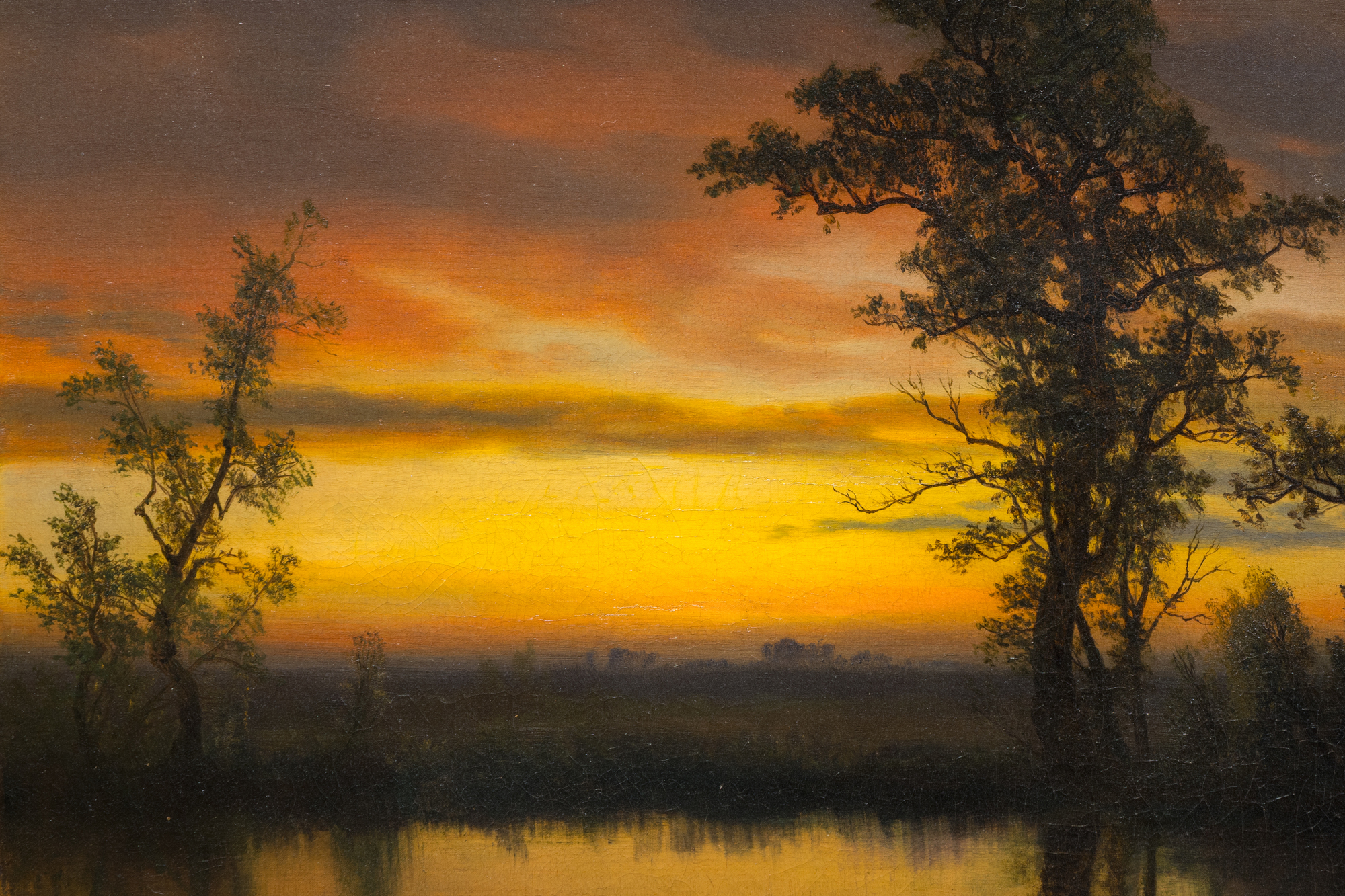
《圣华金河上的黄昏》(约1873年)是一幅光彩夺目的油画,充分展现了阿尔伯特·比尔施塔特对美国风景的成熟诠释及其对光影效果的精湛掌控。这幅作品以精致的“光影派”风格创作,通过细腻的细节、微妙的色调过渡以及精心调控的色调,营造出一种宁静而熠熠生辉的氛围。 暮色渐褪,柔光轻柔地笼罩着整个场景,将圣华金河化作一面映照天地的镜面,既稳固了画面构图,又增强了其冥想般的静谧感。


圣华金河流经加利福尼亚州中央谷地,最终在萨克拉门托-圣华金三角洲汇入萨克拉门托河,这一主题与比尔施塔特对辽阔而宁静的景致的兴趣极为契合。 在这幅画中,河流化作光的载体,捕捉了黄昏时分天水之间精妙的互动。其结果是自然壮丽与细腻观察之间达到了和谐的平衡。


比尔施塔特是哈德逊河画派的一位杰出画家,以描绘美国西部宏大而光彩夺目的景象而闻名。 他笔下展现的美丽与丰饶,不仅塑造了西部在大众心中的形象,更让仍在内战阴影中挣扎的美国人确信:他们年轻的民主国家拥有可与欧洲媲美的宏伟气魄,并将长久延续。1871年至1873年间,比尔施塔特定居加利福尼亚,在旧金山设有画室,并广泛游历该地区,创作了一系列捕捉其辽阔疆域与独特美景的作品。


一幅与之密切相关的黄昏场景画作《加利福尼亚州欧文斯谷》(约1872年)现藏于波士顿学院麦克马伦艺术博物馆。《圣华金河的黄昏》将收录于即将推出的阿尔伯特·比尔施塔特作品全集数据库中,该数据库由比尔施塔特基金会主席梅丽莎·韦伯斯特·斯佩德尔负责编纂。
询问