
Artists | Heather James Fine Art

Herb Alpert
1935–

Olga de Amaral
1932–
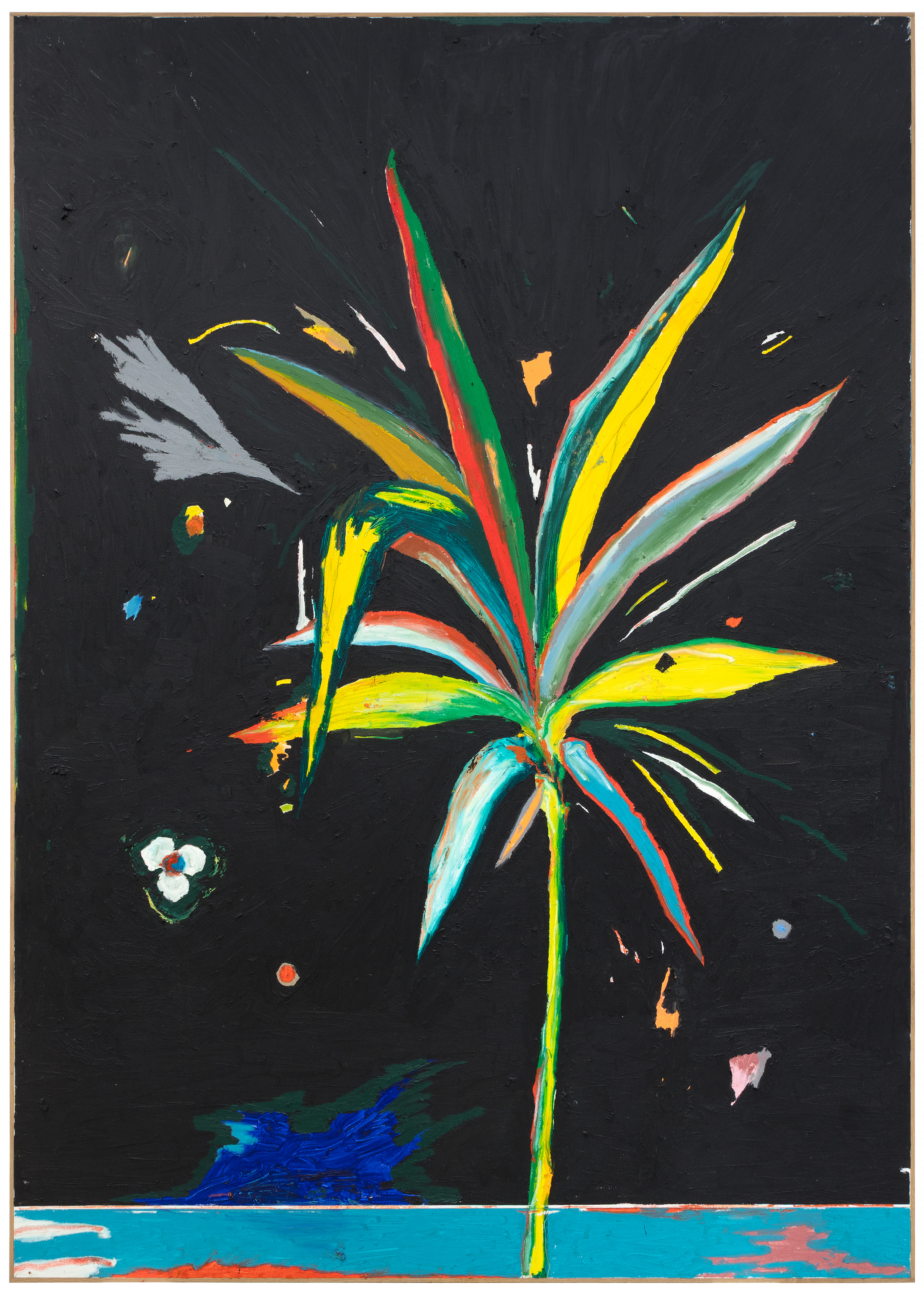
Harold Ancart
1980–
Frank Weston Benson
1862–1951
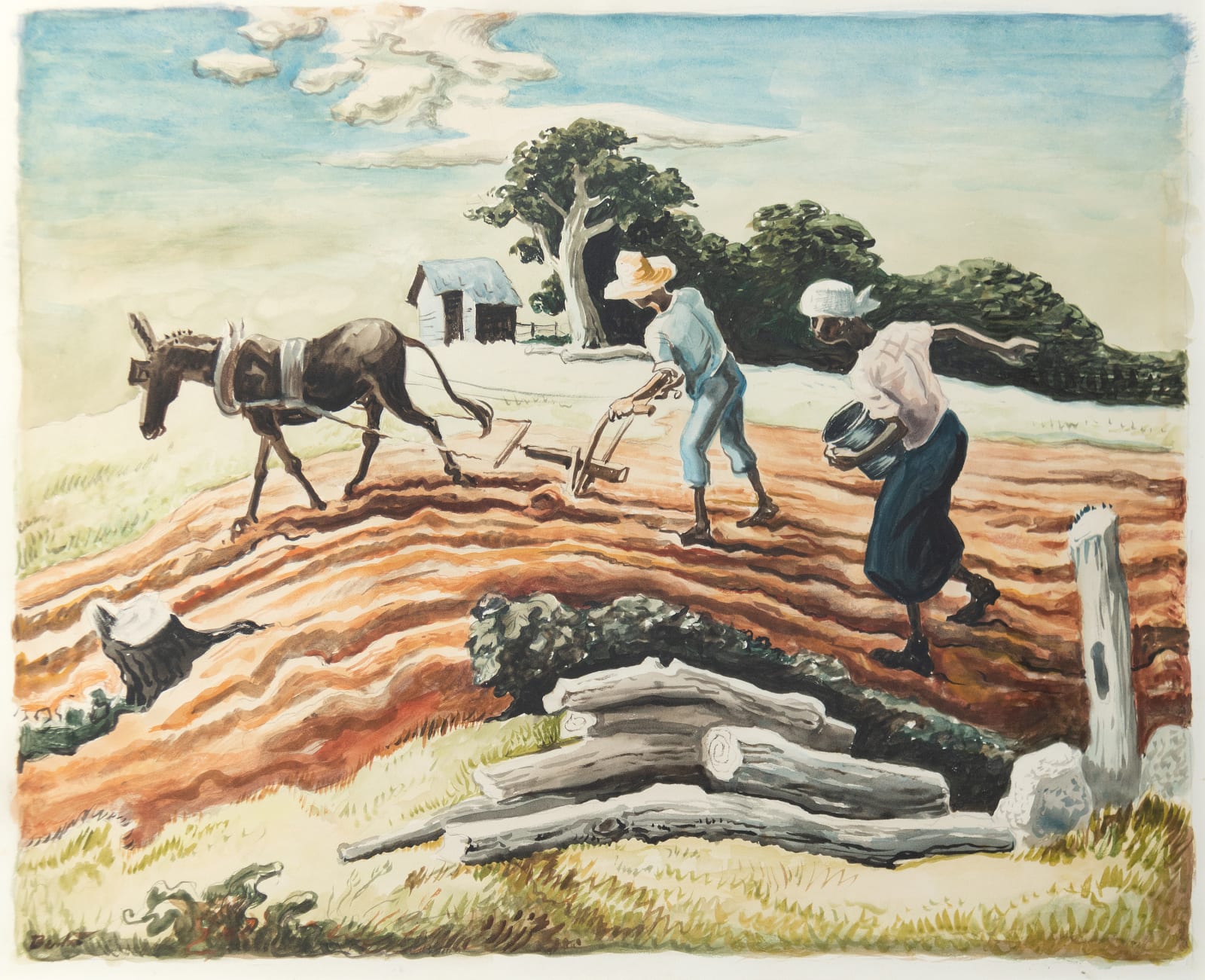
Thomas Hart Benton
1889–1975

Harry Bertoia
1915–1978
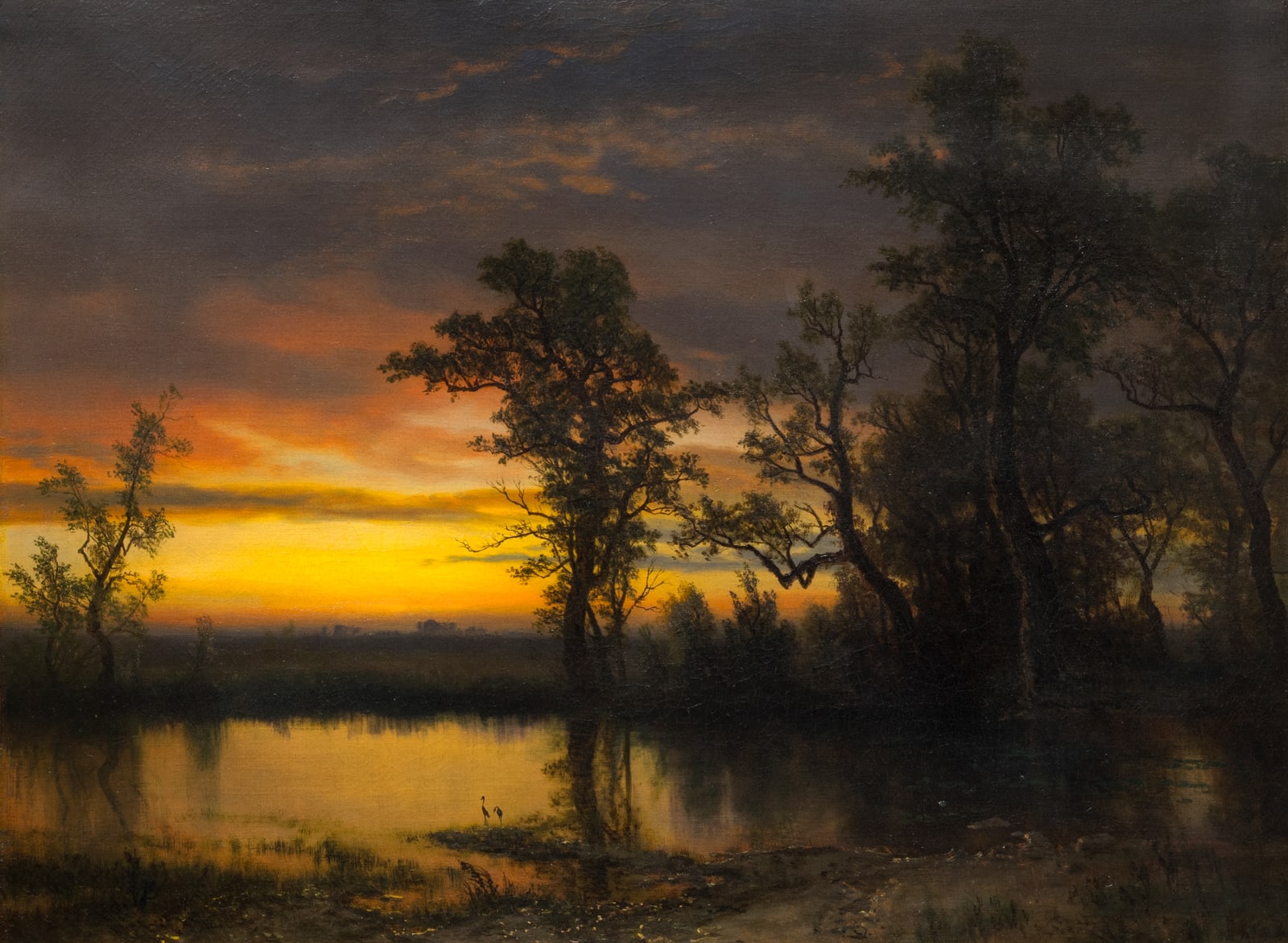
Albert Bierstadt
1830–1902

Alexander Calder
1898–1976
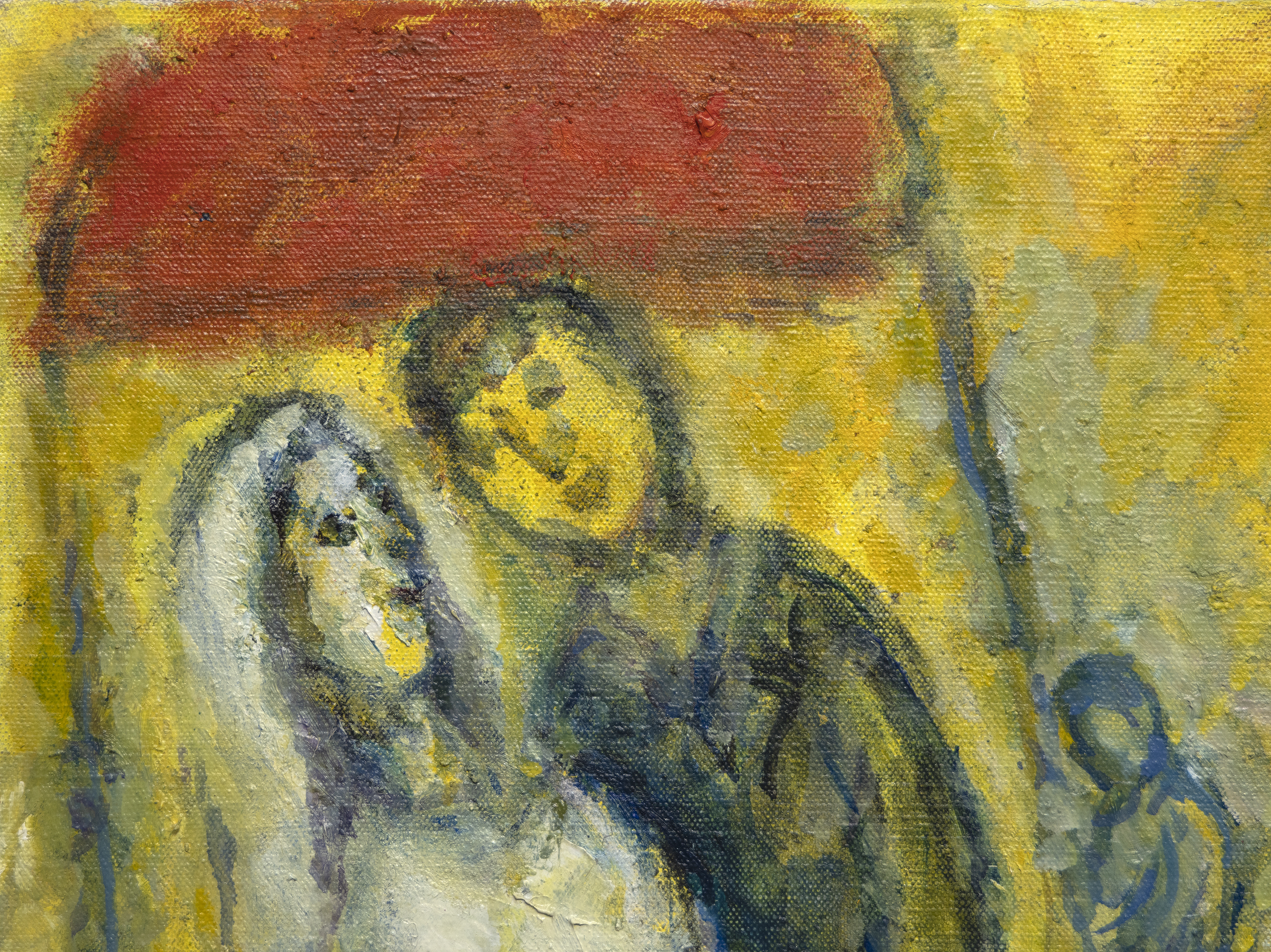
Marc Chagall
1887–1985

William Merritt Chase
1849–1916

Chinese

Camille Claudel
1864–1943
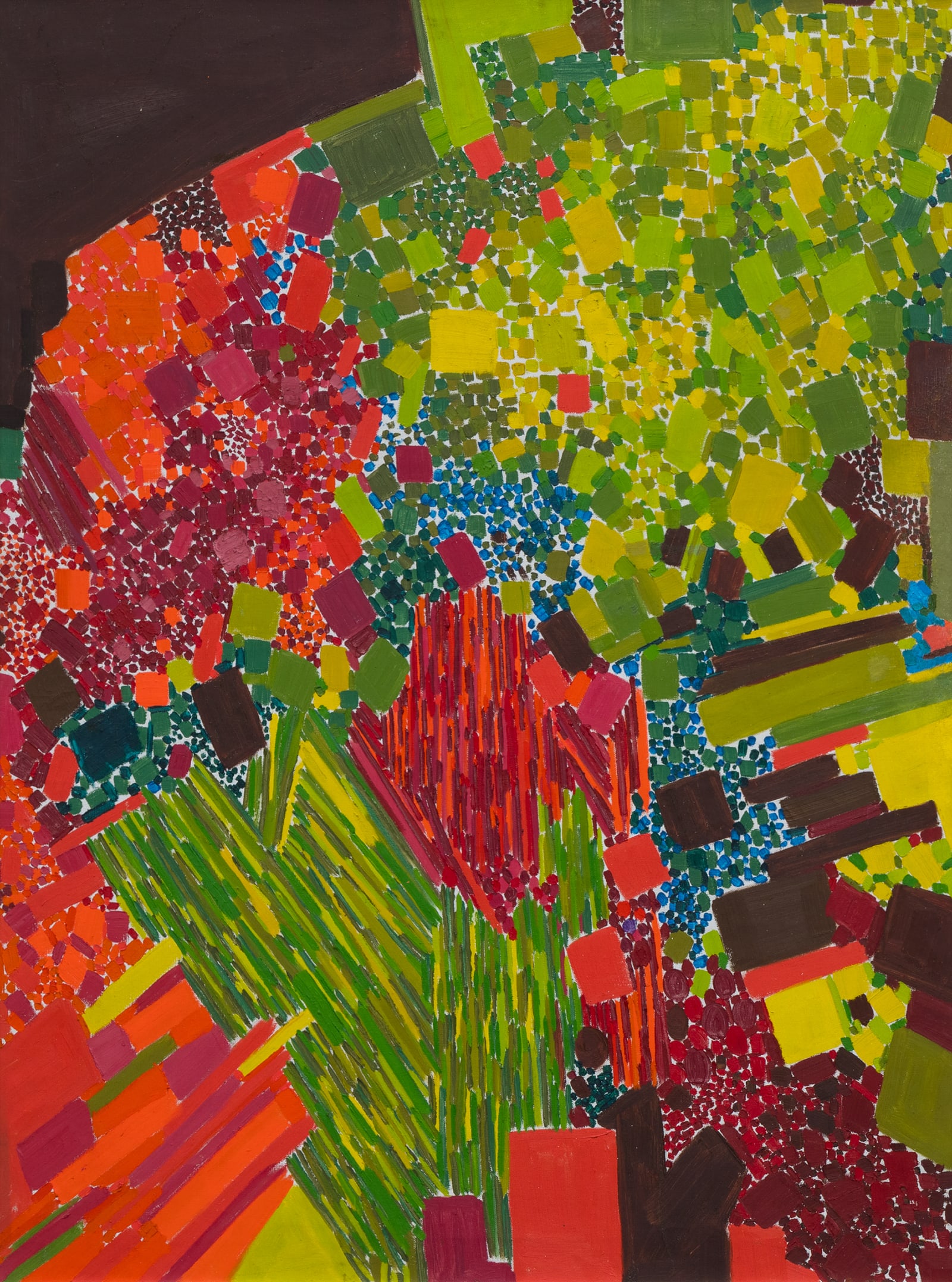
Lynne Mapp Drexler
1928–1999

Childe Hassam
1859–9135

Hans Hofmann
1880–1966
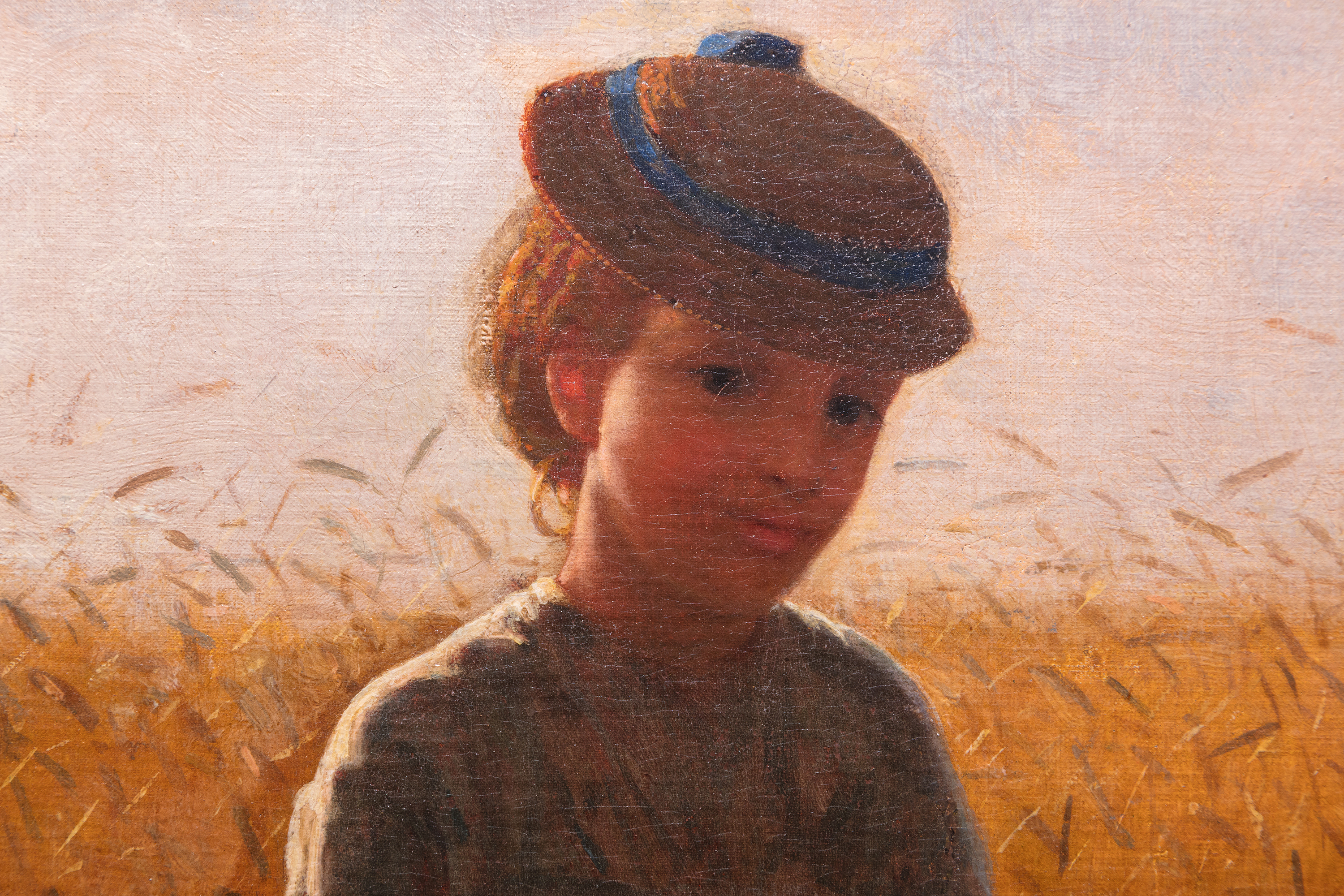
Winslow Homer
1836–1910

George Inness
1825–1894
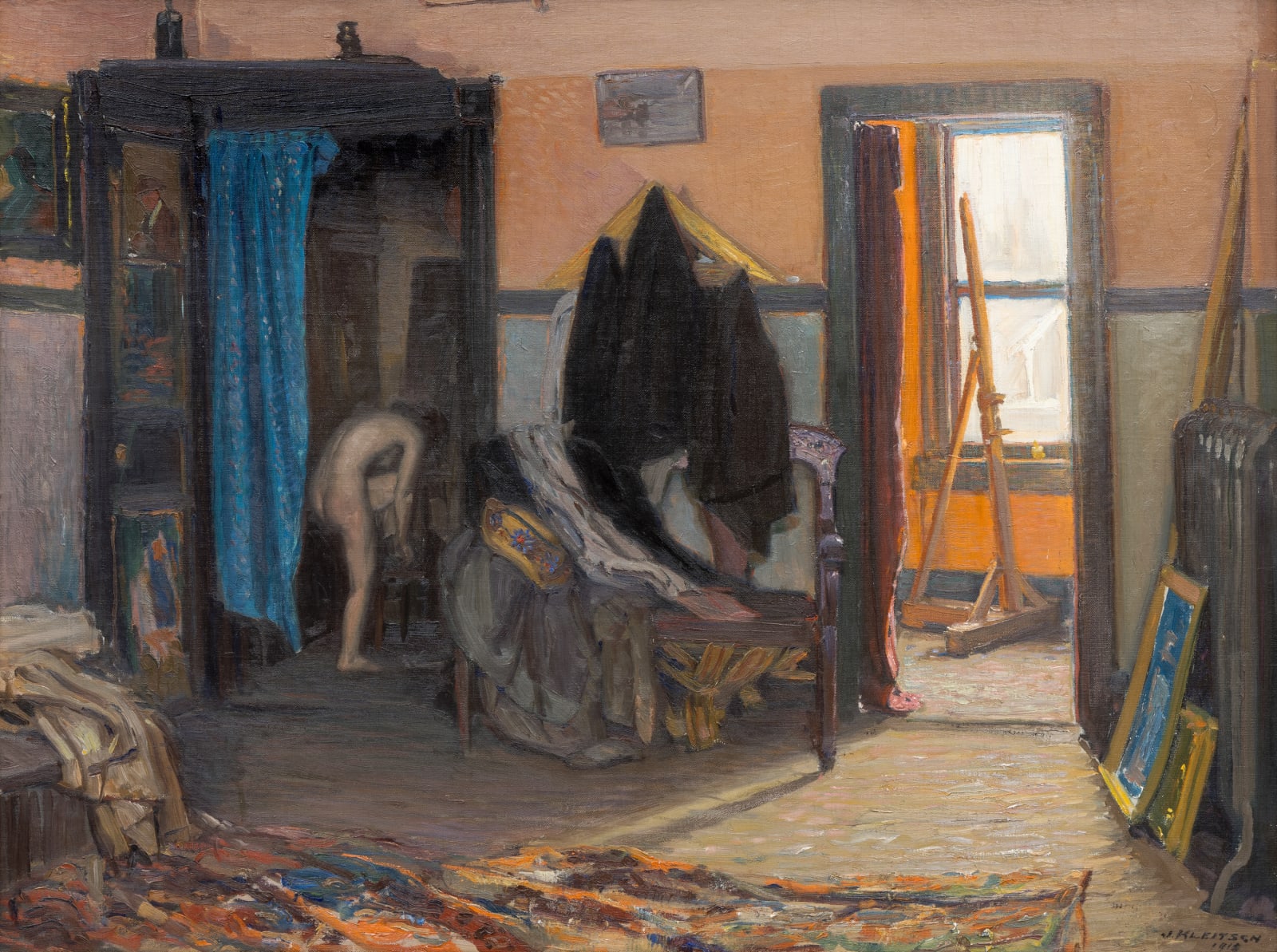
Joseph Kleitsch
1882–1931

Joan Miró
1893–1983
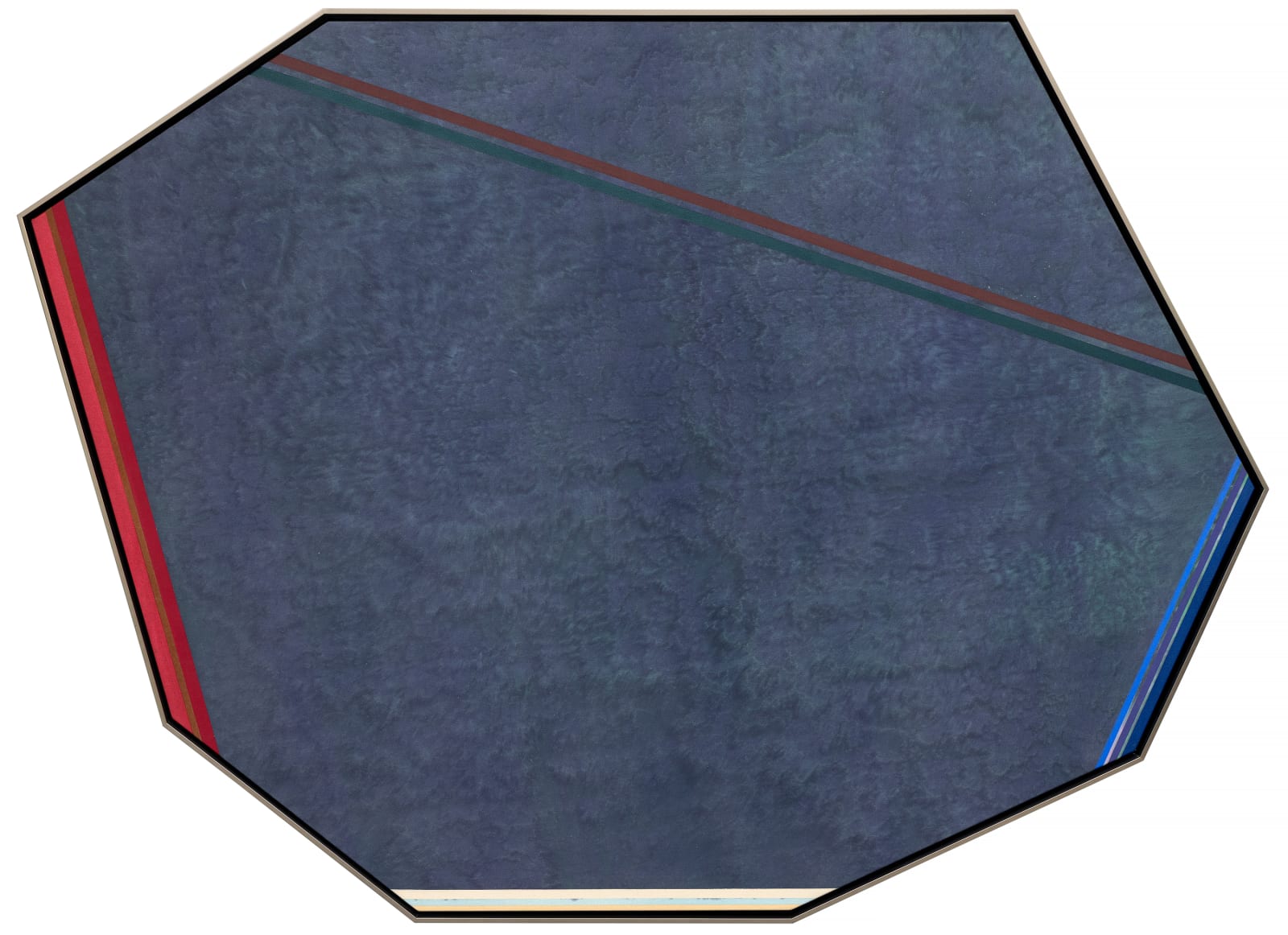
Kenneth Noland
1924–2010

Irving Norman
1906–1989

Georgia O'Keeffe
1887–1986

Camille Pissarro
1830–1903

Giulio Cesare Procaccini
1974–1621

Mel Ramos
1935–2018

Pierre-Auguste Renoir
1841–1919
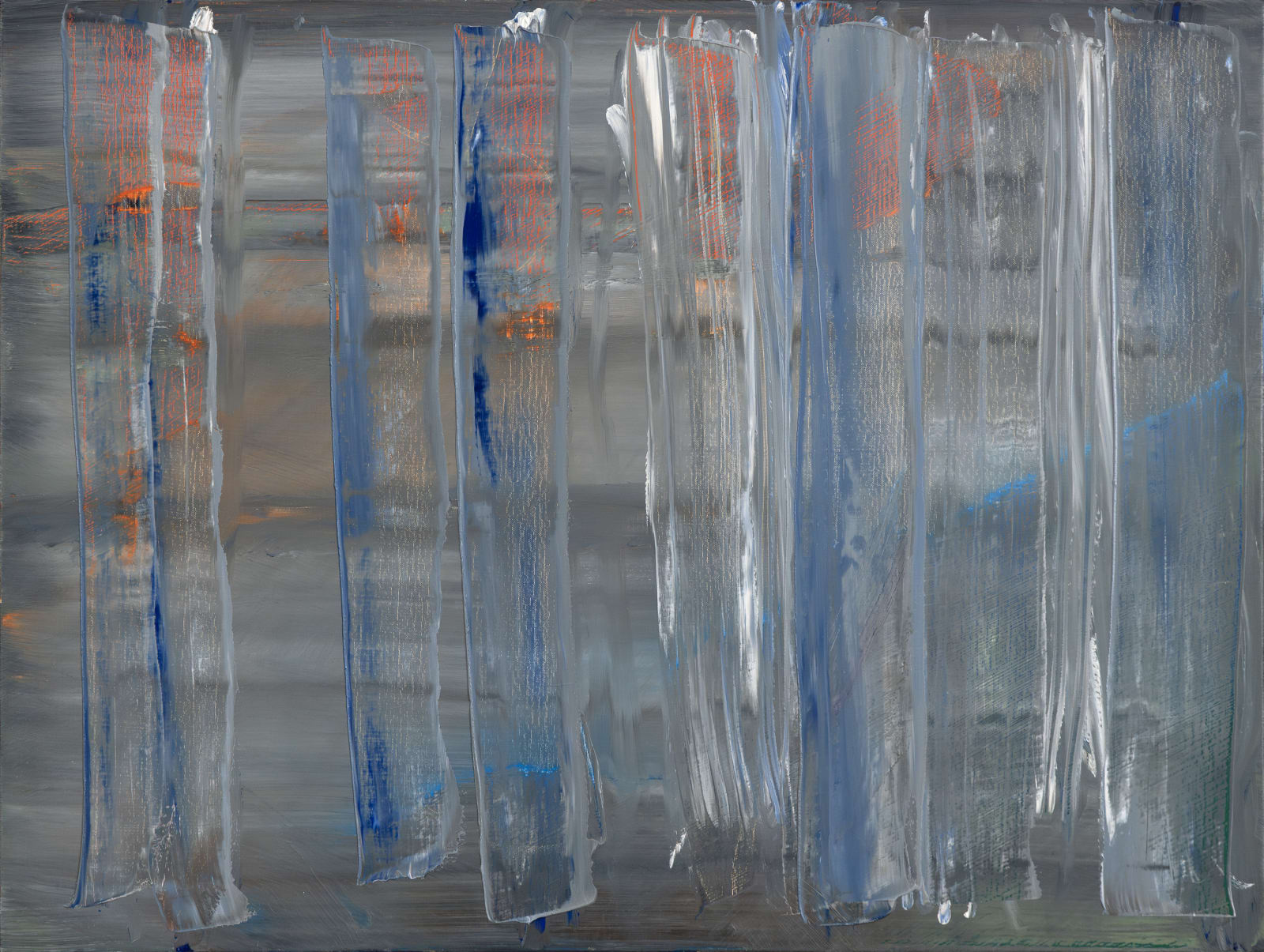
Gerhard Richter
1932–

James Rosenquist
1933–2017

John Singer Sargent
1856–1925

Julian Schnabel
1951–

Sean Scully
b. 1945–

Hiroshi Senju
1958–

Richard Serra
1938–2024

Paul Signac
1863–1935
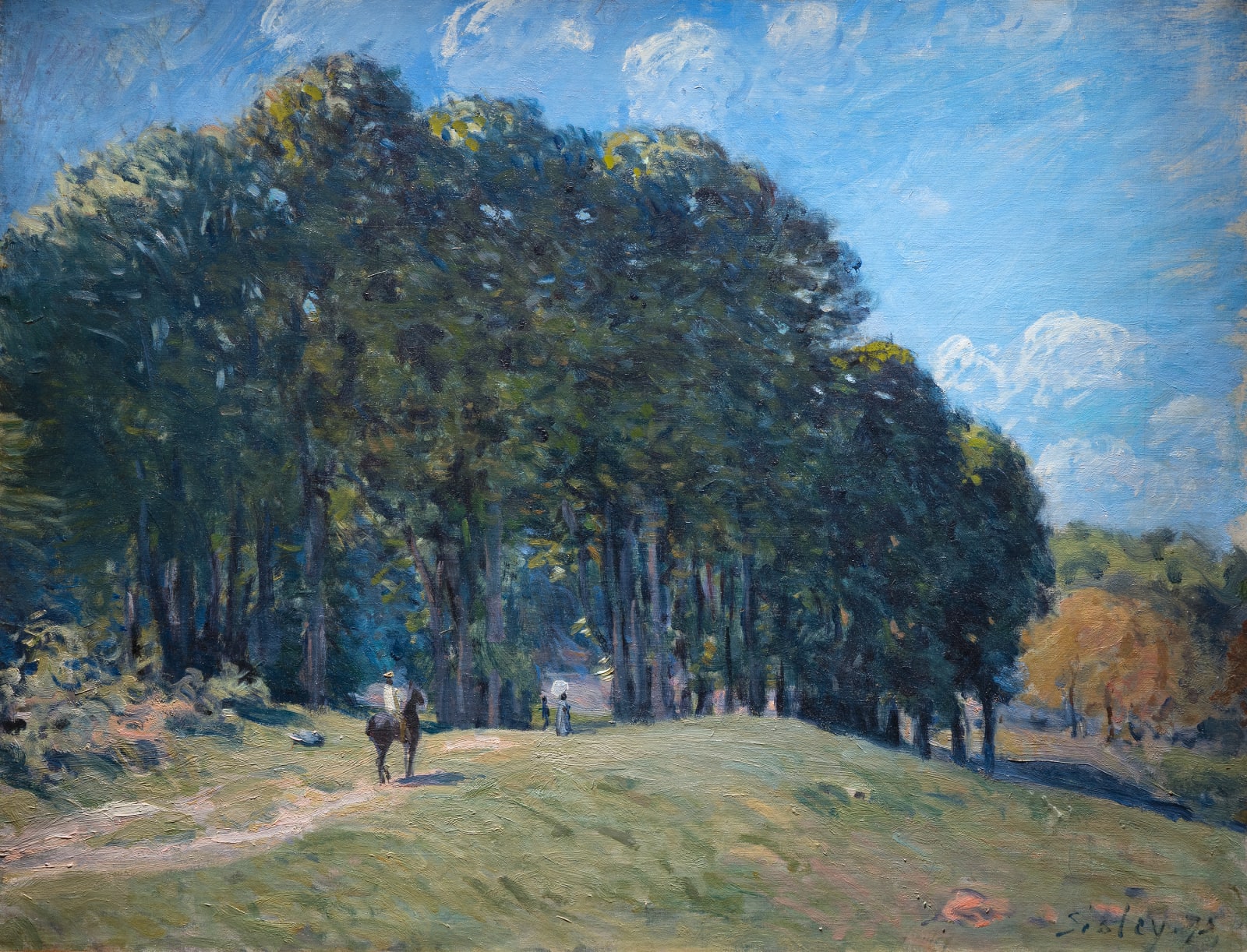
Alfred Sisley
1839–1899

David Smith
1906–1965

Rufino Tamayo
1899–1991

Wayne Thiebaud
1920–2021

Tom Wesselmann
1931–2004

N.C. Wyeth
1882–1945

Andrew Wyeth
1917–2009
All Artists
B
C
R
S
Looking for someone else?
Our specialists can help you find works by specific artists. Contact us to discuss your interests and we'll connect you with the right expert.
Contact a Specialist