返回

马里诺·马里尼·恩茨(1901-1980)

$55,000

 
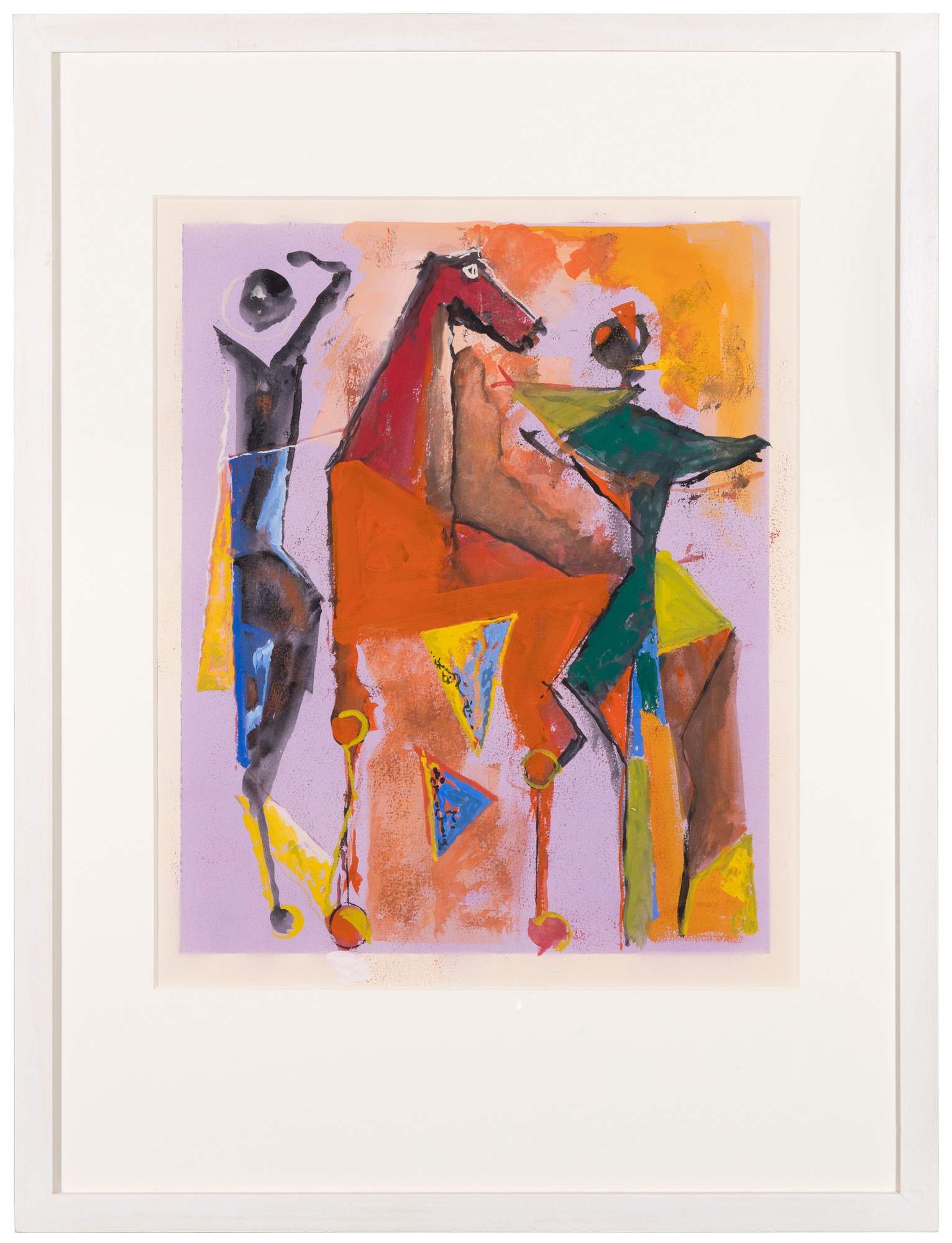
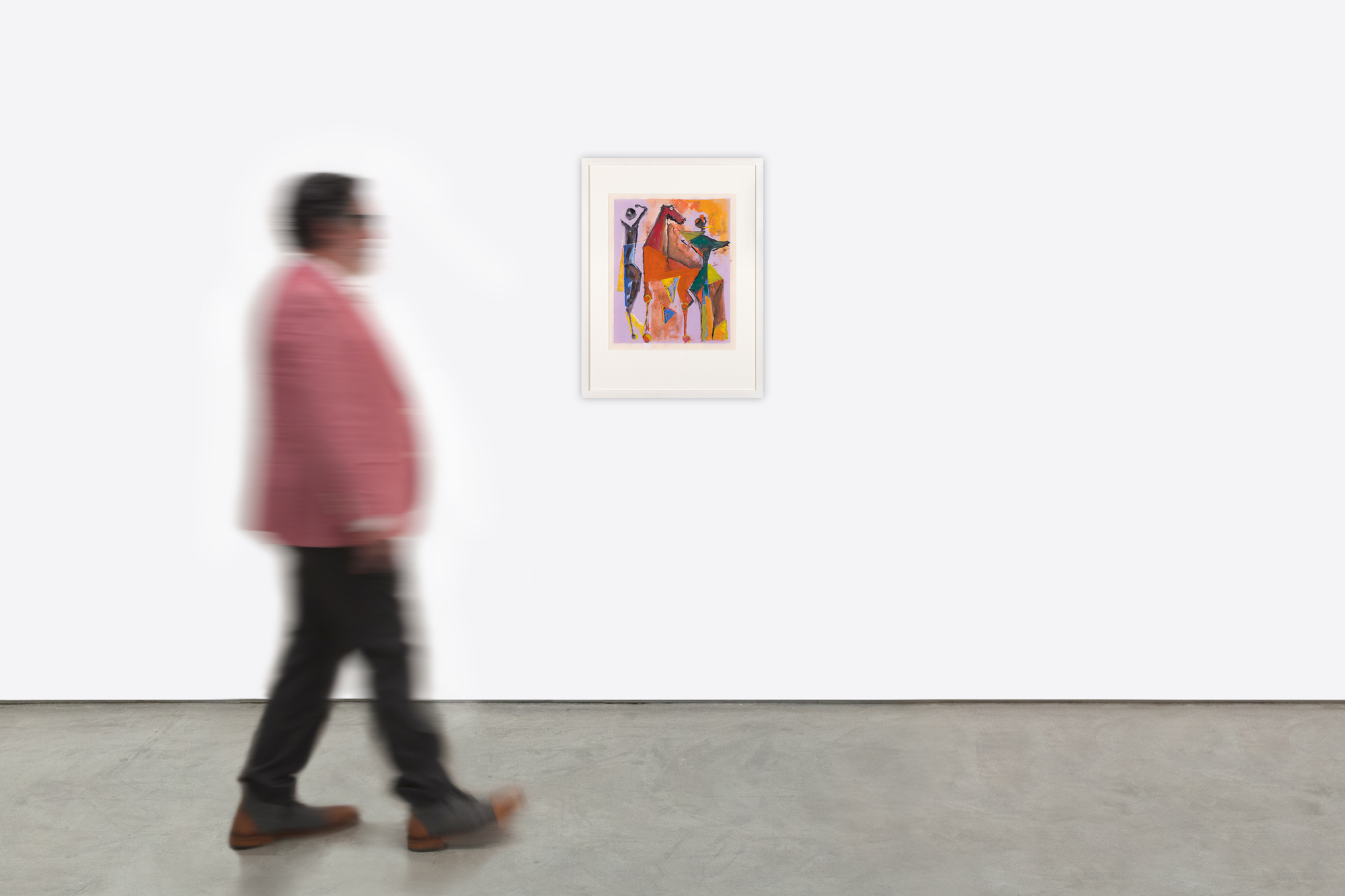
<div>Marino Marini’s <em>Marino from Shakespeare I </em>(1977) is a vibrant and theatrically charged work on paper, executed in tempera over aquatint and drawn from the celebrated Marino from Shakespeare portfolio. The composition is animated by bold, gestural forms and a heightened palette of oranges, yellows, reds, and lilac that infuse the scene with dramatic urgency. A central equine form dominates the image, flanked by attenuated human figures whose raised arms and angled bodies suggest performance, confrontation, or ritualized movement. </div><br><br><div> </div><br><br><div>Although the title references Shakespeare, the connection is thematic rather than illustrative. Marini evokes the emotional intensity and existential drama associated with Shakespearean tragedy—conflict, power, instability—through dynamic relationships rather than narrative detail. The horse and rider, a recurring motif throughout Marini’s career, function here as symbolic protagonists rather than literal subjects. As the artist himself noted, “My equestrian figures are symbols of the anguish that I feel when I survey contemporary events,” and this sense of unease is palpable in the fractured forms and off-balance poses that animate the composition. </div><br><br><div> </div><br><br><div>Best known as one of the great sculptors of the twentieth century, Marini demonstrates in this suite his mastery of printmaking as an expressive language. The combination of aquatint’s tonal depth with painterly applications of tempera allows for both structural clarity and emotional immediacy. <em>Marino from Shakespeare I </em>stands as a compelling example of Marini’s late graphic work, translating his sculptural vocabulary into a vivid, modern meditation on the human condition. </div> <div>Marino Marini’s <em>Marino from Shakespeare I </em>(1977) is a vibrant and theatrically charged work on paper, executed in tempera over aquatint and drawn from the celebrated Marino from Shakespeare portfolio. The composition is animated by bold, gestural forms and a heightened palette of oranges, yellows, reds, and lilac that infuse the scene with dramatic urgency. A central equine form dominates the image, flanked by attenuated human figures whose raised arms and angled bodies suggest performance, confrontation, or ritualized movement. </div><br><br><div> </div><br><br><div>Although the title references Shakespeare, the connection is thematic rather than illustrative. Marini evokes the emotional intensity and existential drama associated with Shakespearean tragedy—conflict, power, instability—through dynamic relationships rather than narrative detail. The horse and rider, a recurring motif throughout Marini’s career, function here as symbolic protagonists rather than literal subjects. As the artist himself noted, “My equestrian figures are symbols of the anguish that I feel when I survey contemporary events,” and this sense of unease is palpable in the fractured forms and off-balance poses that animate the composition. </div><br><br><div> </div><br><br><div>Best known as one of the great sculptors of the twentieth century, Marini demonstrates in this suite his mastery of printmaking as an expressive language. The combination of aquatint’s tonal depth with painterly applications of tempera allows for both structural clarity and emotional immediacy. <em>Marino from Shakespeare I </em>stands as a compelling example of Marini’s late graphic work, translating his sculptural vocabulary into a vivid, modern meditation on the human condition. </div> <div>Marino Marini’s <em>Marino from Shakespeare I </em>(1977) is a vibrant and theatrically charged work on paper, executed in tempera over aquatint and drawn from the celebrated Marino from Shakespeare portfolio. The composition is animated by bold, gestural forms and a heightened palette of oranges, yellows, reds, and lilac that infuse the scene with dramatic urgency. A central equine form dominates the image, flanked by attenuated human figures whose raised arms and angled bodies suggest performance, confrontation, or ritualized movement. </div><br><br><div> </div><br><br><div>Although the title references Shakespeare, the connection is thematic rather than illustrative. Marini evokes the emotional intensity and existential drama associated with Shakespearean tragedy—conflict, power, instability—through dynamic relationships rather than narrative detail. The horse and rider, a recurring motif throughout Marini’s career, function here as symbolic protagonists rather than literal subjects. As the artist himself noted, “My equestrian figures are symbols of the anguish that I feel when I survey contemporary events,” and this sense of unease is palpable in the fractured forms and off-balance poses that animate the composition. </div><br><br><div> </div><br><br><div>Best known as one of the great sculptors of the twentieth century, Marini demonstrates in this suite his mastery of printmaking as an expressive language. The combination of aquatint’s tonal depth with painterly applications of tempera allows for both structural clarity and emotional immediacy. <em>Marino from Shakespeare I </em>stands as a compelling example of Marini’s late graphic work, translating his sculptural vocabulary into a vivid, modern meditation on the human condition. </div> <div>Marino Marini’s <em>Marino from Shakespeare I </em>(1977) is a vibrant and theatrically charged work on paper, executed in tempera over aquatint and drawn from the celebrated Marino from Shakespeare portfolio. The composition is animated by bold, gestural forms and a heightened palette of oranges, yellows, reds, and lilac that infuse the scene with dramatic urgency. A central equine form dominates the image, flanked by attenuated human figures whose raised arms and angled bodies suggest performance, confrontation, or ritualized movement. </div><br><br><div> </div><br><br><div>Although the title references Shakespeare, the connection is thematic rather than illustrative. Marini evokes the emotional intensity and existential drama associated with Shakespearean tragedy—conflict, power, instability—through dynamic relationships rather than narrative detail. The horse and rider, a recurring motif throughout Marini’s career, function here as symbolic protagonists rather than literal subjects. As the artist himself noted, “My equestrian figures are symbols of the anguish that I feel when I survey contemporary events,” and this sense of unease is palpable in the fractured forms and off-balance poses that animate the composition. </div><br><br><div> </div><br><br><div>Best known as one of the great sculptors of the twentieth century, Marini demonstrates in this suite his mastery of printmaking as an expressive language. The combination of aquatint’s tonal depth with painterly applications of tempera allows for both structural clarity and emotional immediacy. <em>Marino from Shakespeare I </em>stands as a compelling example of Marini’s late graphic work, translating his sculptural vocabulary into a vivid, modern meditation on the human condition. </div> <div>Marino Marini’s <em>Marino from Shakespeare I </em>(1977) is a vibrant and theatrically charged work on paper, executed in tempera over aquatint and drawn from the celebrated Marino from Shakespeare portfolio. The composition is animated by bold, gestural forms and a heightened palette of oranges, yellows, reds, and lilac that infuse the scene with dramatic urgency. A central equine form dominates the image, flanked by attenuated human figures whose raised arms and angled bodies suggest performance, confrontation, or ritualized movement. </div><br><br><div> </div><br><br><div>Although the title references Shakespeare, the connection is thematic rather than illustrative. Marini evokes the emotional intensity and existential drama associated with Shakespearean tragedy—conflict, power, instability—through dynamic relationships rather than narrative detail. The horse and rider, a recurring motif throughout Marini’s career, function here as symbolic protagonists rather than literal subjects. As the artist himself noted, “My equestrian figures are symbols of the anguish that I feel when I survey contemporary events,” and this sense of unease is palpable in the fractured forms and off-balance poses that animate the composition. </div><br><br><div> </div><br><br><div>Best known as one of the great sculptors of the twentieth century, Marini demonstrates in this suite his mastery of printmaking as an expressive language. The combination of aquatint’s tonal depth with painterly applications of tempera allows for both structural clarity and emotional immediacy. <em>Marino from Shakespeare I </em>stands as a compelling example of Marini’s late graphic work, translating his sculptural vocabulary into a vivid, modern meditation on the human condition. </div> <div>Marino Marini’s <em>Marino from Shakespeare I </em>(1977) is a vibrant and theatrically charged work on paper, executed in tempera over aquatint and drawn from the celebrated Marino from Shakespeare portfolio. The composition is animated by bold, gestural forms and a heightened palette of oranges, yellows, reds, and lilac that infuse the scene with dramatic urgency. A central equine form dominates the image, flanked by attenuated human figures whose raised arms and angled bodies suggest performance, confrontation, or ritualized movement. </div><br><br><div> </div><br><br><div>Although the title references Shakespeare, the connection is thematic rather than illustrative. Marini evokes the emotional intensity and existential drama associated with Shakespearean tragedy—conflict, power, instability—through dynamic relationships rather than narrative detail. The horse and rider, a recurring motif throughout Marini’s career, function here as symbolic protagonists rather than literal subjects. As the artist himself noted, “My equestrian figures are symbols of the anguish that I feel when I survey contemporary events,” and this sense of unease is palpable in the fractured forms and off-balance poses that animate the composition. </div><br><br><div> </div><br><br><div>Best known as one of the great sculptors of the twentieth century, Marini demonstrates in this suite his mastery of printmaking as an expressive language. The combination of aquatint’s tonal depth with painterly applications of tempera allows for both structural clarity and emotional immediacy. <em>Marino from Shakespeare I </em>stands as a compelling example of Marini’s late graphic work, translating his sculptural vocabulary into a vivid, modern meditation on the human condition. </div> <div>Marino Marini’s <em>Marino from Shakespeare I </em>(1977) is a vibrant and theatrically charged work on paper, executed in tempera over aquatint and drawn from the celebrated Marino from Shakespeare portfolio. The composition is animated by bold, gestural forms and a heightened palette of oranges, yellows, reds, and lilac that infuse the scene with dramatic urgency. A central equine form dominates the image, flanked by attenuated human figures whose raised arms and angled bodies suggest performance, confrontation, or ritualized movement. </div><br><br><div> </div><br><br><div>Although the title references Shakespeare, the connection is thematic rather than illustrative. Marini evokes the emotional intensity and existential drama associated with Shakespearean tragedy—conflict, power, instability—through dynamic relationships rather than narrative detail. The horse and rider, a recurring motif throughout Marini’s career, function here as symbolic protagonists rather than literal subjects. As the artist himself noted, “My equestrian figures are symbols of the anguish that I feel when I survey contemporary events,” and this sense of unease is palpable in the fractured forms and off-balance poses that animate the composition. </div><br><br><div> </div><br><br><div>Best known as one of the great sculptors of the twentieth century, Marini demonstrates in this suite his mastery of printmaking as an expressive language. The combination of aquatint’s tonal depth with painterly applications of tempera allows for both structural clarity and emotional immediacy. <em>Marino from Shakespeare I </em>stands as a compelling example of Marini’s late graphic work, translating his sculptural vocabulary into a vivid, modern meditation on the human condition. </div> <div>Marino Marini’s <em>Marino from Shakespeare I </em>(1977) is a vibrant and theatrically charged work on paper, executed in tempera over aquatint and drawn from the celebrated Marino from Shakespeare portfolio. The composition is animated by bold, gestural forms and a heightened palette of oranges, yellows, reds, and lilac that infuse the scene with dramatic urgency. A central equine form dominates the image, flanked by attenuated human figures whose raised arms and angled bodies suggest performance, confrontation, or ritualized movement. </div><br><br><div> </div><br><br><div>Although the title references Shakespeare, the connection is thematic rather than illustrative. Marini evokes the emotional intensity and existential drama associated with Shakespearean tragedy—conflict, power, instability—through dynamic relationships rather than narrative detail. The horse and rider, a recurring motif throughout Marini’s career, function here as symbolic protagonists rather than literal subjects. As the artist himself noted, “My equestrian figures are symbols of the anguish that I feel when I survey contemporary events,” and this sense of unease is palpable in the fractured forms and off-balance poses that animate the composition. </div><br><br><div> </div><br><br><div>Best known as one of the great sculptors of the twentieth century, Marini demonstrates in this suite his mastery of printmaking as an expressive language. The combination of aquatint’s tonal depth with painterly applications of tempera allows for both structural clarity and emotional immediacy. <em>Marino from Shakespeare I </em>stands as a compelling example of Marini’s late graphic work, translating his sculptural vocabulary into a vivid, modern meditation on the human condition. </div> <div>Marino Marini’s <em>Marino from Shakespeare I </em>(1977) is a vibrant and theatrically charged work on paper, executed in tempera over aquatint and drawn from the celebrated Marino from Shakespeare portfolio. The composition is animated by bold, gestural forms and a heightened palette of oranges, yellows, reds, and lilac that infuse the scene with dramatic urgency. A central equine form dominates the image, flanked by attenuated human figures whose raised arms and angled bodies suggest performance, confrontation, or ritualized movement. </div><br><br><div> </div><br><br><div>Although the title references Shakespeare, the connection is thematic rather than illustrative. Marini evokes the emotional intensity and existential drama associated with Shakespearean tragedy—conflict, power, instability—through dynamic relationships rather than narrative detail. The horse and rider, a recurring motif throughout Marini’s career, function here as symbolic protagonists rather than literal subjects. As the artist himself noted, “My equestrian figures are symbols of the anguish that I feel when I survey contemporary events,” and this sense of unease is palpable in the fractured forms and off-balance poses that animate the composition. </div><br><br><div> </div><br><br><div>Best known as one of the great sculptors of the twentieth century, Marini demonstrates in this suite his mastery of printmaking as an expressive language. The combination of aquatint’s tonal depth with painterly applications of tempera allows for both structural clarity and emotional immediacy. <em>Marino from Shakespeare I </em>stands as a compelling example of Marini’s late graphic work, translating his sculptural vocabulary into a vivid, modern meditation on the human condition. </div> <div>Marino Marini’s <em>Marino from Shakespeare I </em>(1977) is a vibrant and theatrically charged work on paper, executed in tempera over aquatint and drawn from the celebrated Marino from Shakespeare portfolio. The composition is animated by bold, gestural forms and a heightened palette of oranges, yellows, reds, and lilac that infuse the scene with dramatic urgency. A central equine form dominates the image, flanked by attenuated human figures whose raised arms and angled bodies suggest performance, confrontation, or ritualized movement. </div><br><br><div> </div><br><br><div>Although the title references Shakespeare, the connection is thematic rather than illustrative. Marini evokes the emotional intensity and existential drama associated with Shakespearean tragedy—conflict, power, instability—through dynamic relationships rather than narrative detail. The horse and rider, a recurring motif throughout Marini’s career, function here as symbolic protagonists rather than literal subjects. As the artist himself noted, “My equestrian figures are symbols of the anguish that I feel when I survey contemporary events,” and this sense of unease is palpable in the fractured forms and off-balance poses that animate the composition. </div><br><br><div> </div><br><br><div>Best known as one of the great sculptors of the twentieth century, Marini demonstrates in this suite his mastery of printmaking as an expressive language. The combination of aquatint’s tonal depth with painterly applications of tempera allows for both structural clarity and emotional immediacy. <em>Marino from Shakespeare I </em>stands as a compelling example of Marini’s late graphic work, translating his sculptural vocabulary into a vivid, modern meditation on the human condition. </div>
马里诺·莎士比亚一197719 1/8 x 15 1/2 英寸(48.58 x 39.37 厘米) 蛋彩画覆于纸上凹版蚀刻
种源
马里诺·马里尼基金会,皮斯托亚
私人收藏,购自上述机构,2006年
苏富比拍卖行,纽约,2023年11月14日,第115号拍品
私人收藏,购自上述拍卖会
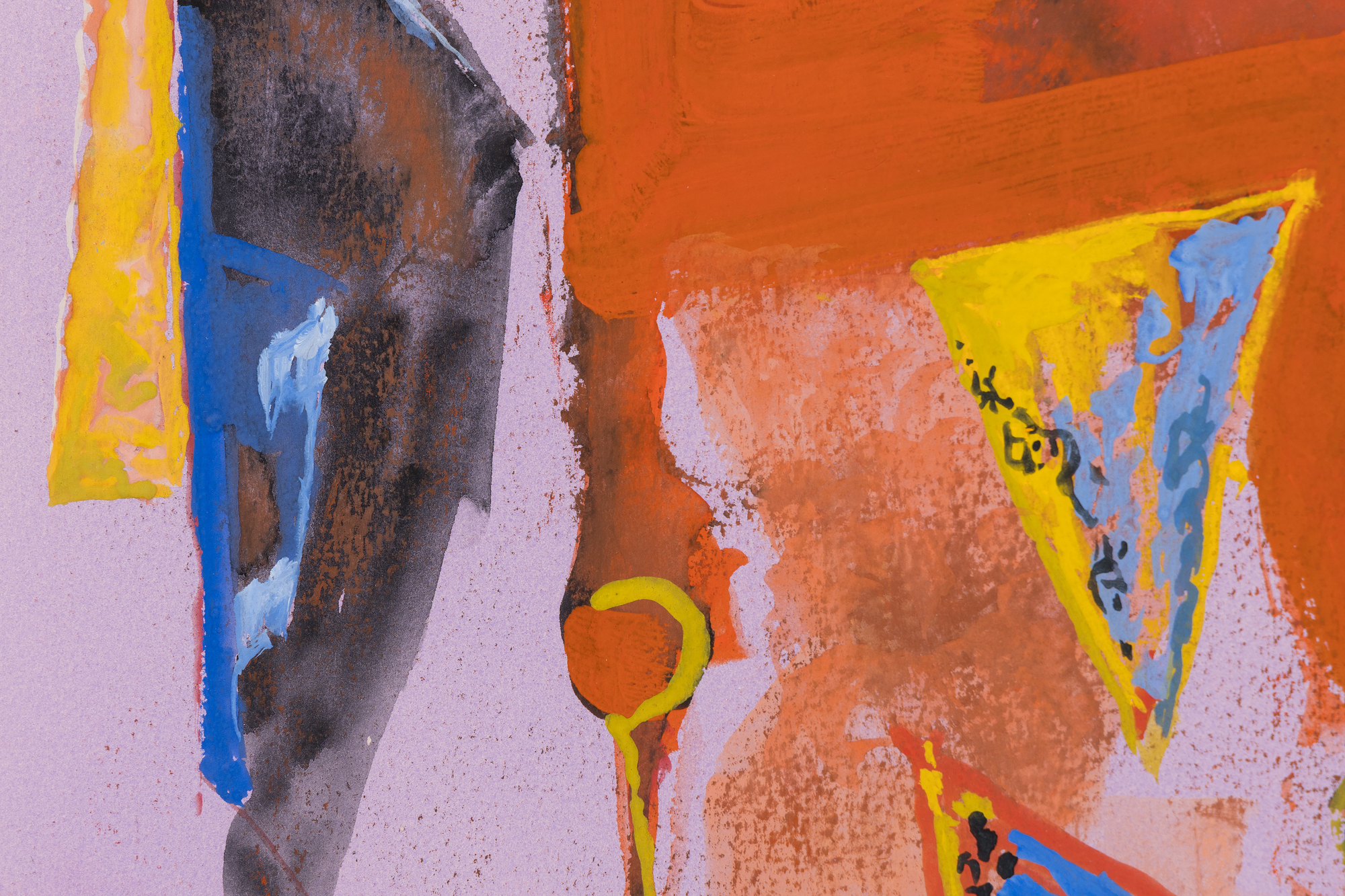
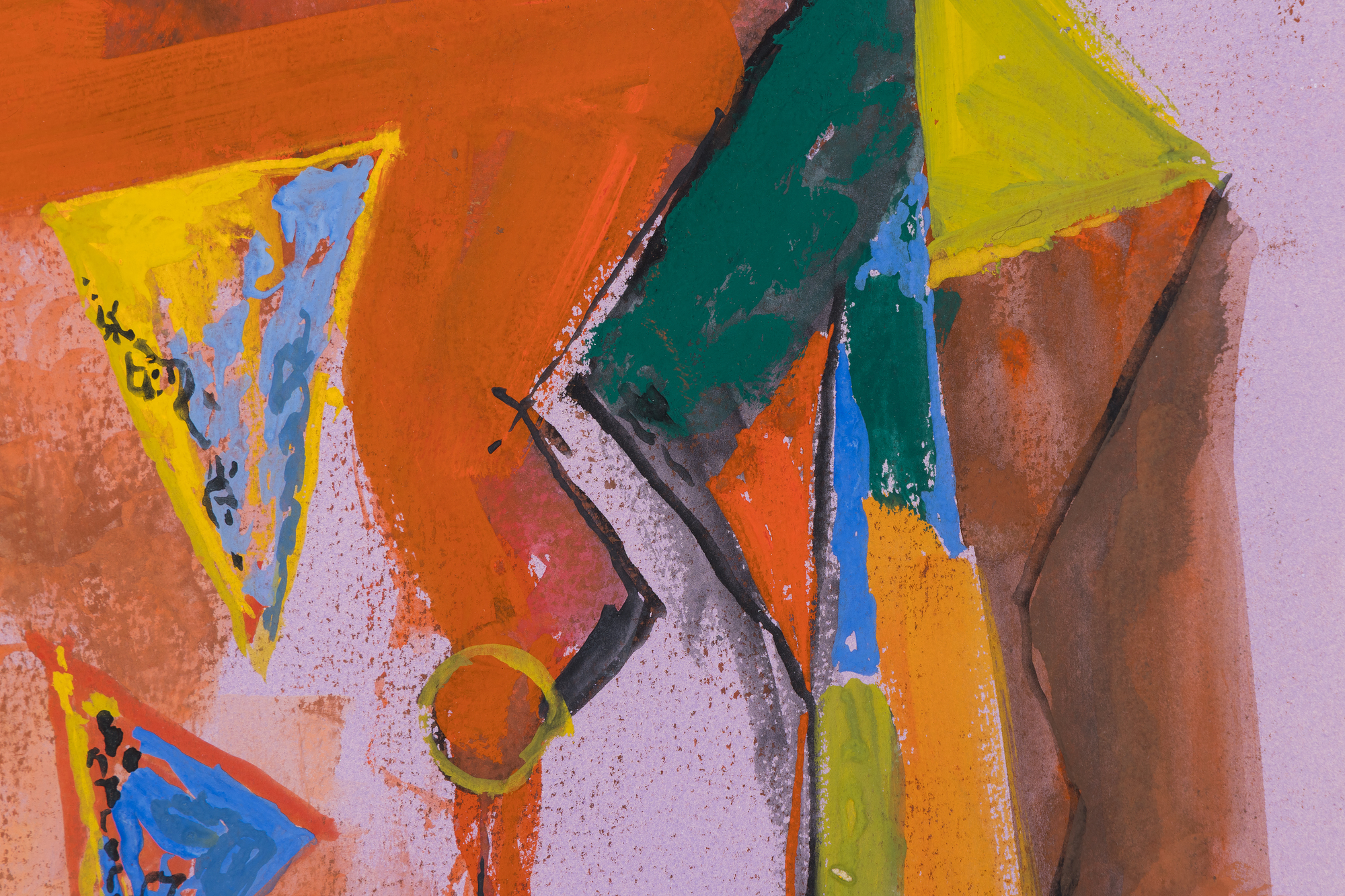
马里诺·马里尼的《莎士比亚中的马里诺I》(1977)是一幅充满活力且极具戏剧张力的纸上作品,采用蛋彩画技法绘制于水彩蚀刻版上,取材自著名的《莎士比亚中的马里诺》系列画册。画面以大胆的动作形态为骨架,辅以橙、黄、红、淡紫等浓烈色调,赋予场景戏剧性的紧迫感。 画面中央的马匹形象占据主导地位,两侧是瘦长的人形,高举的双臂与倾斜的身体暗示着表演、对抗或仪式化的动作。


尽管标题援引莎士比亚,但关联性在于主题而非具象描摹。马里尼通过动态关系而非叙事细节,唤起莎翁悲剧中冲突、权力、动荡等存在主义戏剧的情感张力。 贯穿马里尼艺术生涯的马与骑手主题,在此化身为象征性主角而非具象主体。正如艺术家所言:"我的骑马人形象象征着我审视当代事件时感受到的痛苦",这种不安感在构图中碎裂的形态与失衡的姿态中清晰可辨。


作为二十世纪最伟大的雕塑家之一,马里尼在此系列中展现了他对版画作为表达语言的驾驭能力。蚀刻版画的色调深度与蛋彩画的绘画性技法相结合,既实现了结构的清晰度,又传递出情感的即时性。《莎士比亚中的马里诺I》堪称马里尼晚期版画创作的典范之作,将他的雕塑语言转化为对人类境遇的鲜活而现代的沉思。
询问