
La Belle Époque to The Gilded Age
European Impressionism's Influence on American Art
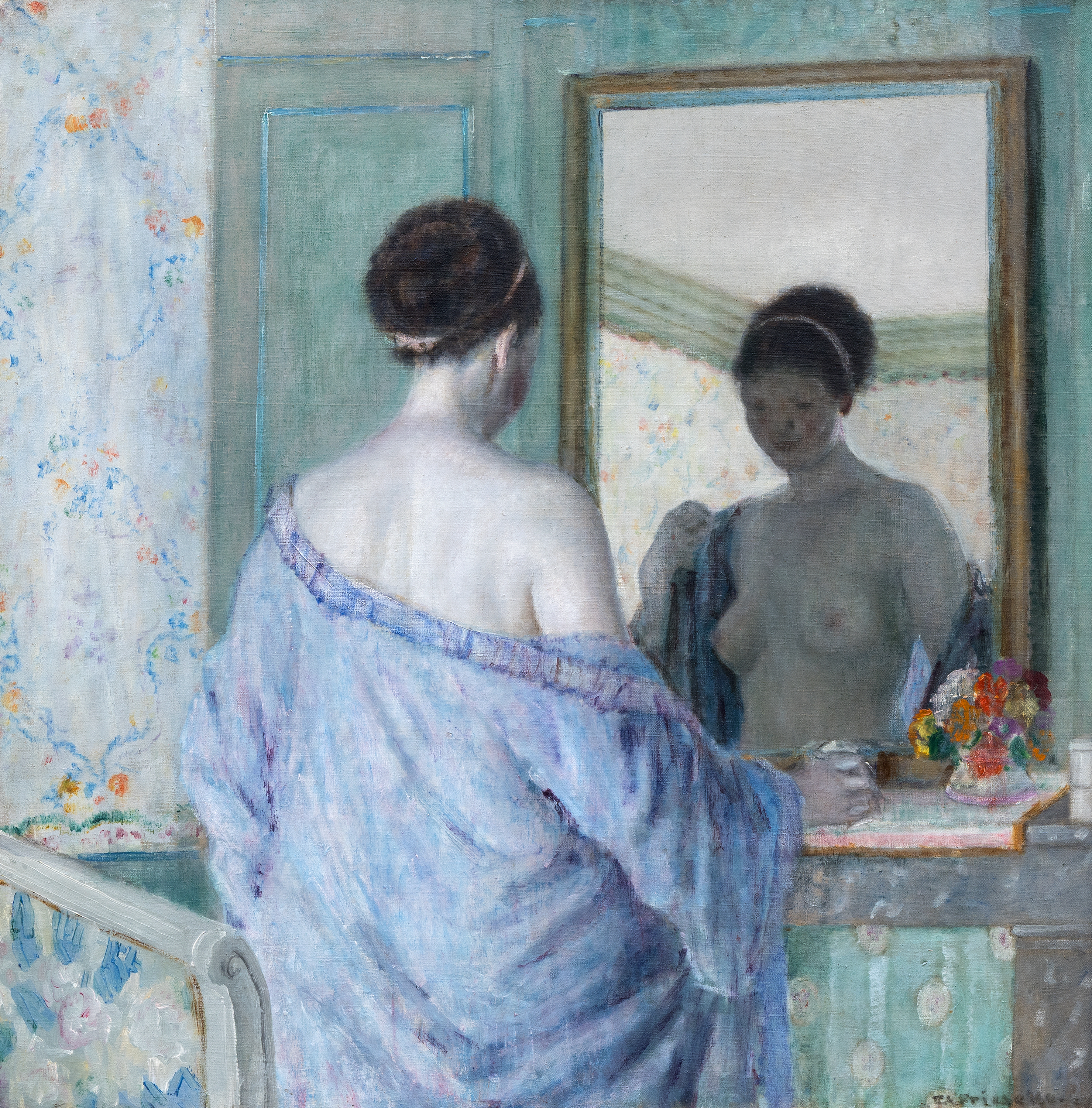
Frederick Carl Frieseke, "At the Mirror" (1922)
Montana Alexander, Heather James Global Director and Chairman, presents "La Belle Époque to the Gilded Age".
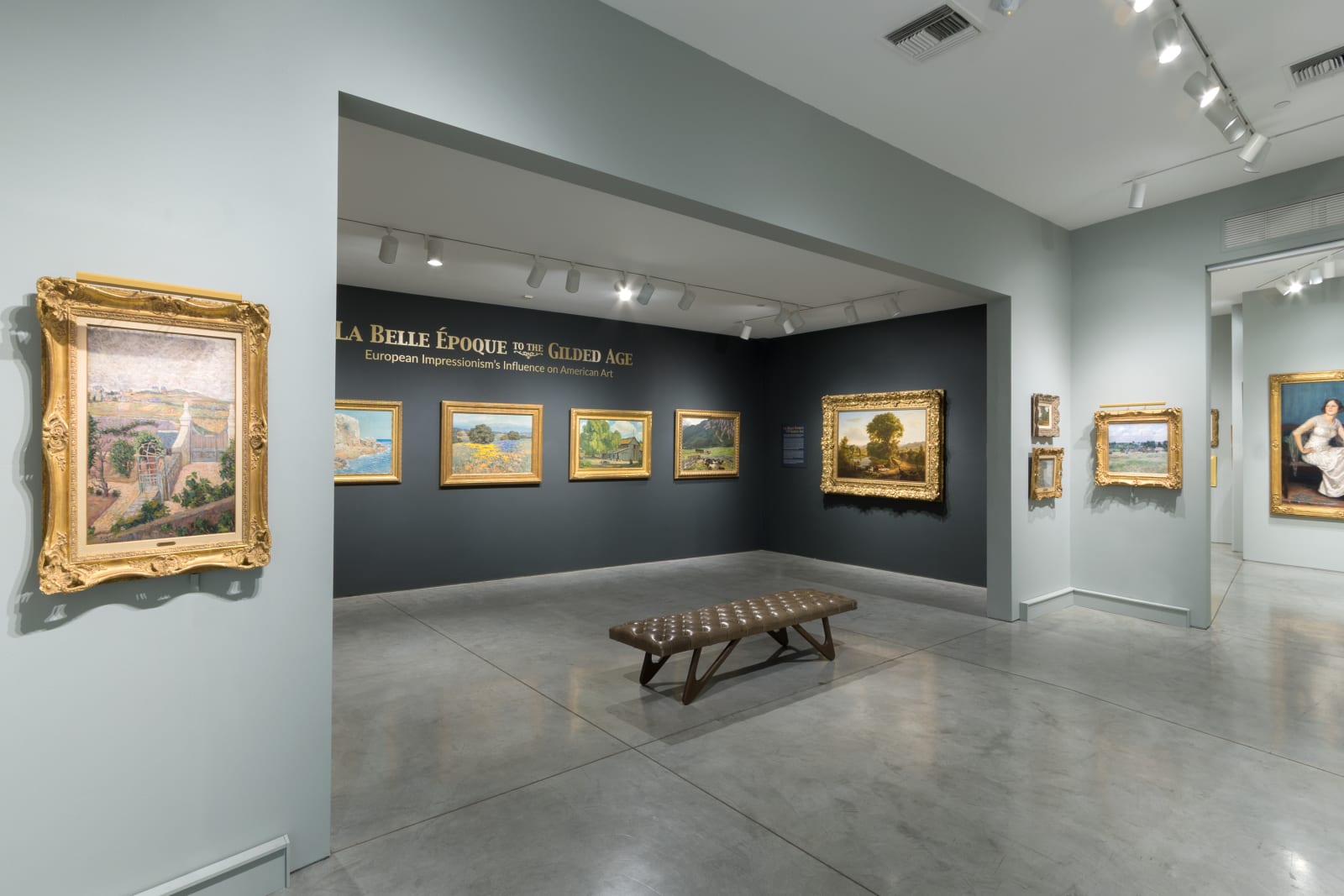
Installation view at Heather James Palm Desert.

Installation view at Heather James Palm Desert.
Exhibition Artwork

Camille Pissarro
Paysage avec batteuse a Montfoucault (Landscape with Thresher at Montfoucault)
pastel on paper laid down
10 3/8 x 14 3/4 in.

Paul Signac
Saint-Briac. D'une fenetre
oil on canvas
25 1/2 x 18 1/8 in.

Joseph Kleitsch
Studio Interior
oil on canvas
30 x 40 in.

Jane Peterson
Figures Along a Venetian Canal, Summer
oil on paper on canvas
25 1/2 x 18 1/8 in.

Frederic Soulacroix
Afternoon Tea
oil on canvas
34 x 25 3/4 in.
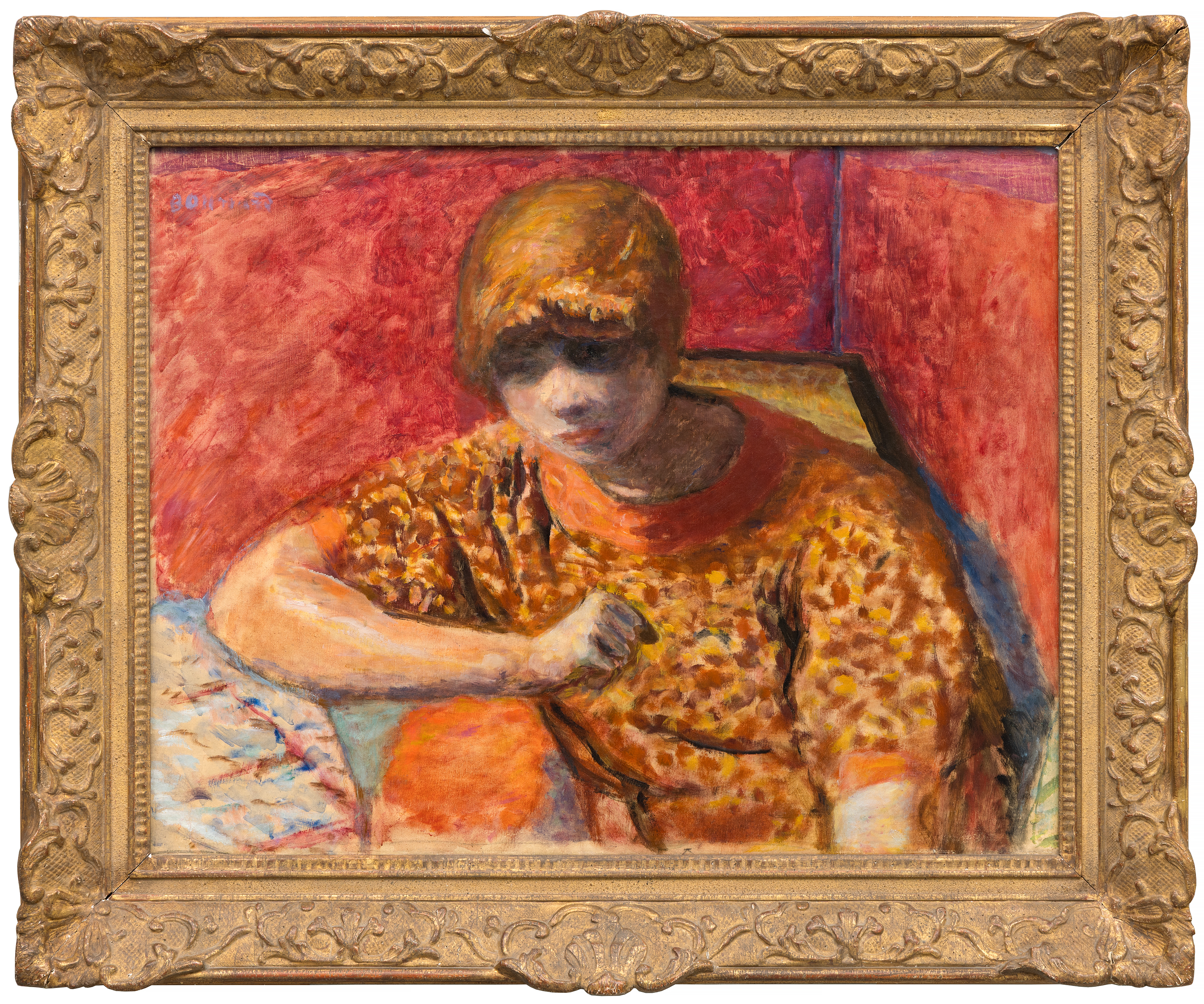
Pierre Bonnard
La robe de chambre rouge (Marthe Bonnard)
oil on canvas
21 x 27.25 in.
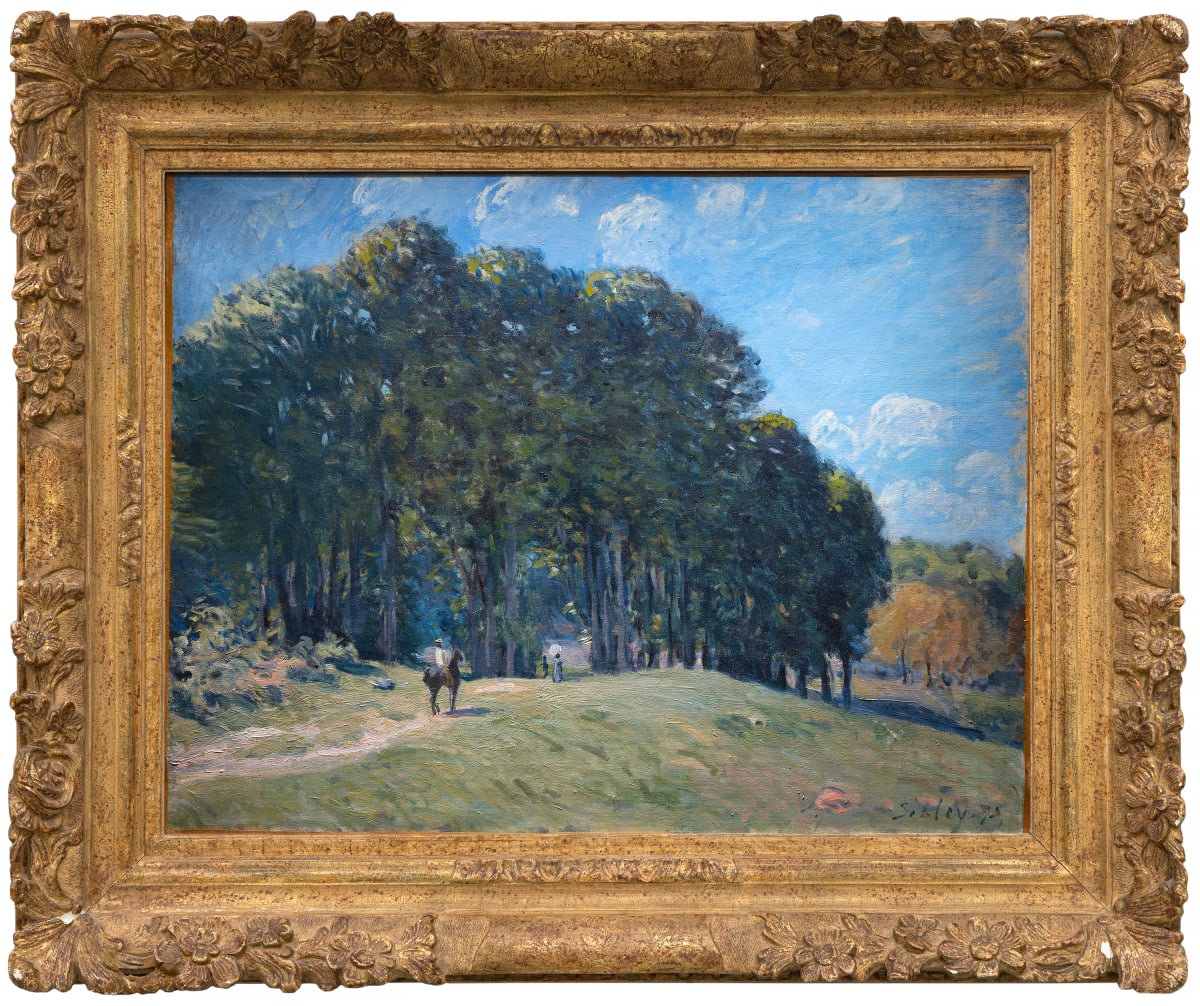
Alfred Sisley
Cavalier en lisière de forêt
oil on canvas
19 1/4 x 25 3/4 in.

Frank Weston Benson
Girl in White (Seated Figure)
oil on canvas
30 x 25 in.

Camille Pissarro
La Briqueterie Delafolie à Éragny
oil on canvas
18 1/4 x 21 7/8 in.

Jane Peterson
The Road to the Harbor, Gloucester, MA
oil on canvas
24 x 30 1/4 in.

Childe Hassam
Booksellers by the Seine
oil on canvas
28 1/2 x 19 1/4 in.

Alfred Thompson Bricher
Esopus Creek
oil on canvas
20 x 40 in.
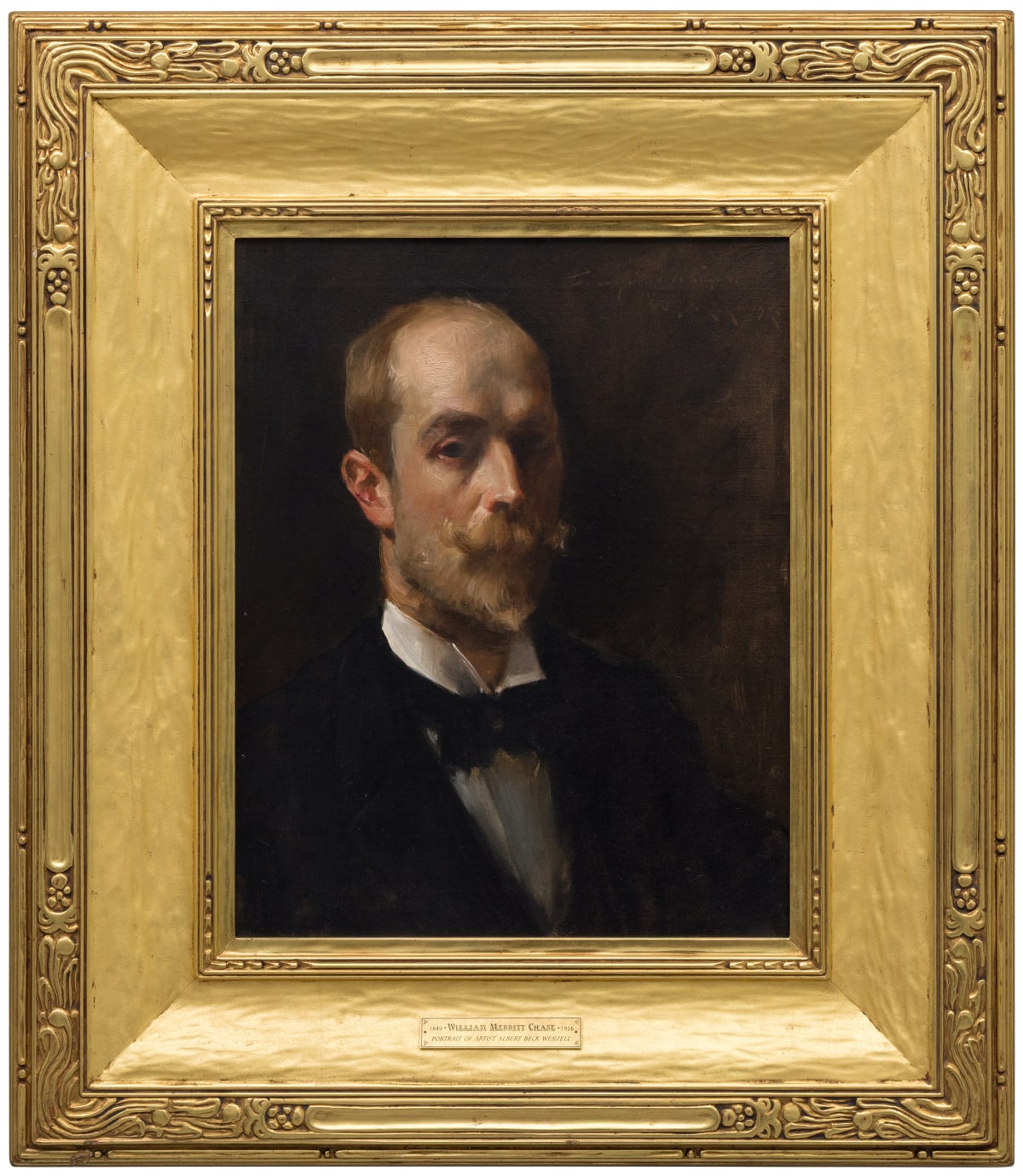
William Merritt Chase
Portrait of the Artist Albert Beck Wenzell
oil on canvas
20 x 16 in.

Claude Monet
Étretat, le Cap d'Antifer
pastel on paper mounted on board
10 1/2 x 13 3/8 in.
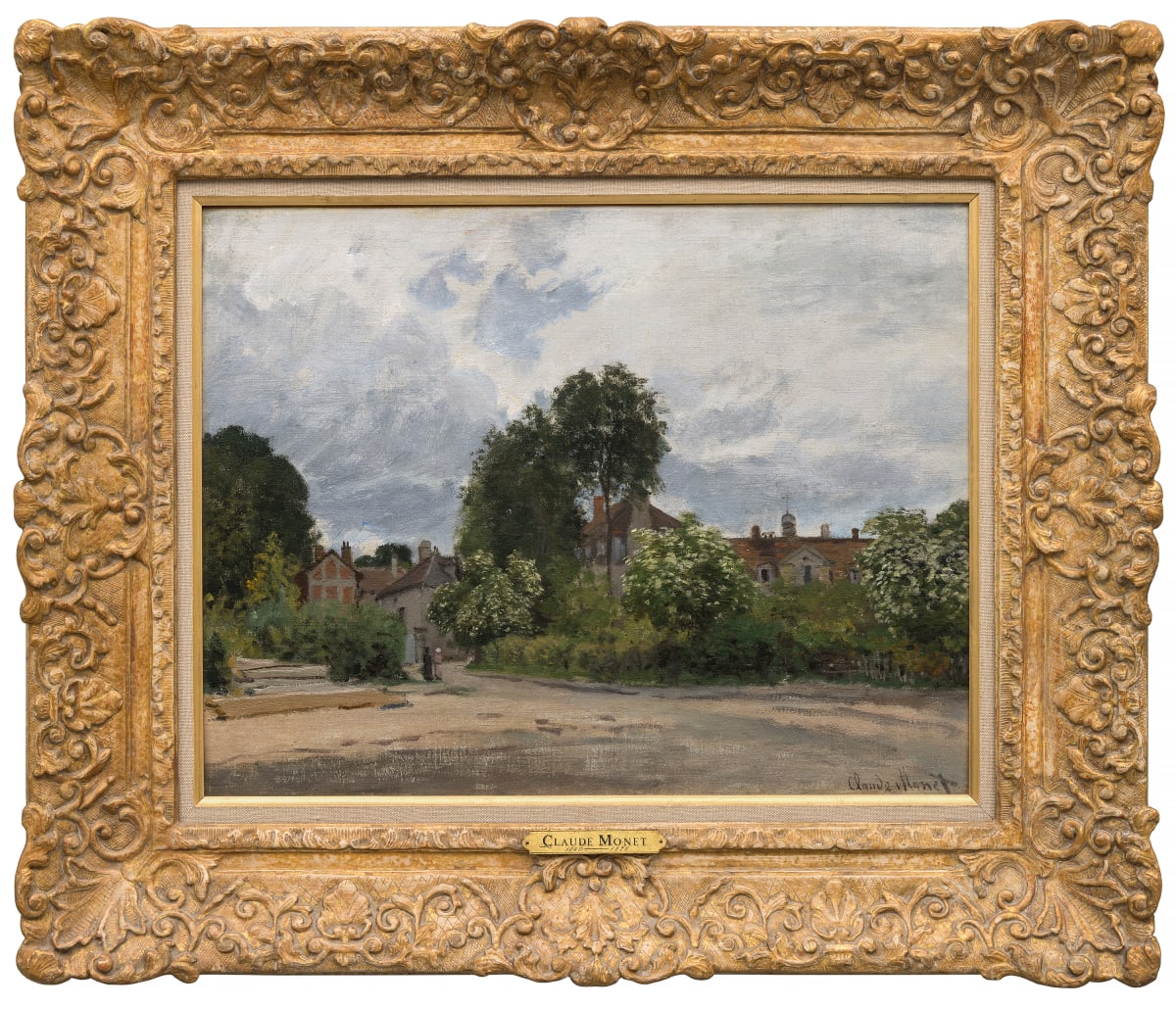
Claude Monet
Argenteuil, l'Hospice
oil on canvas
20 x 25 5/8 in.
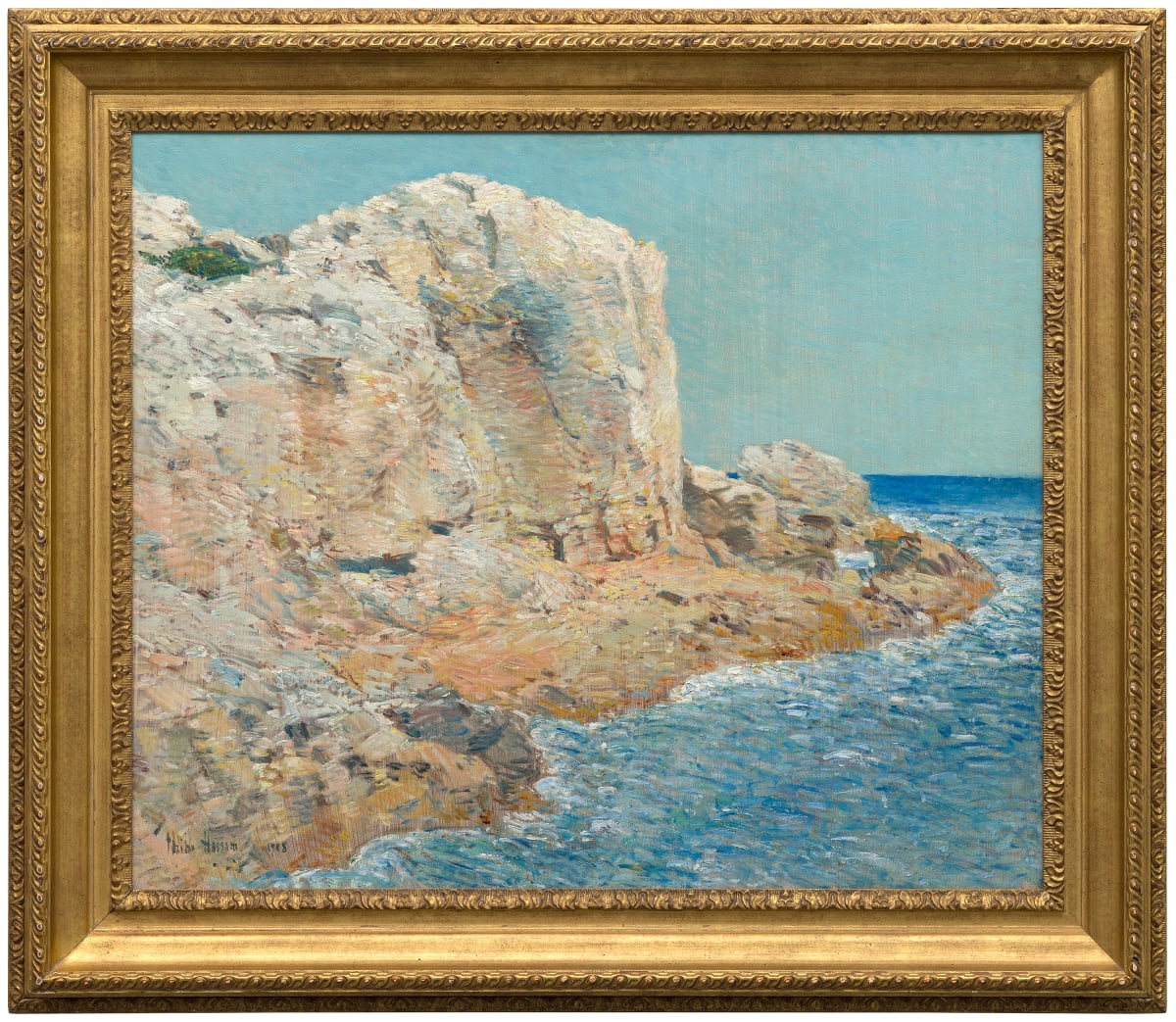
Childe Hassam
Golden Head, Isles of Shoals
oil on cradled wooden panel
25 x 30 in.
for the full selection of available artworks
“Impressionism is only direct sensation. All great painters were less or more impressionists. It is mainly a question of instinct.”
Claude Monet
Exhibition Catalogue
La Belle Époque to the Gilded Age: European Impressionism’s Influence on American Art
December 2025 - May 2026
View Catalogue