艺术家

打印和倍数

类别

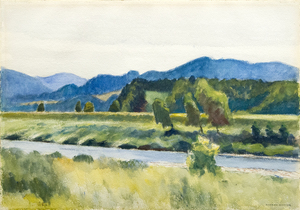
《杨树》(阿比奎附近),新墨西哥州(1943年)——美国著名艺术家乔治亚·欧姬芙的这幅作品,完美展现了沙漠在她创作中激发出的更通透、更自然主义的风格。欧姬芙对西南地区独特的自然美景怀有深厚情感,她定居于此,常年描绘着纤细的树木、壮丽的景色以及被晒白的动物颅骨。 奥基夫定居于幽灵牧场——这座位于新墨西哥州北部阿比奎村外十二英里的度假牧场,并在此地创作了这幅杨树画作。与她惯常描绘的雄浑建筑景观和宝石色调花卉不同,此作采用更柔和的笔触契合主题:杨树被抽象为柔和的翠绿斑块,其间透出轮廓分明的枝桠,在蓝天斑驳的空间里盘旋延伸。 树干的塑形与叶片间流淌的灵动气息,延续了她早年对东北地区树木的探索——枫树、栗树、雪松、杨树等曾令她痴迷的树种。1924年的两幅戏剧性画作《秋树》《枫树》与《栗树灰》分别展现了抒情与坚毅的早期核心特质。 正如这些早期树木画作所示,奥基夫通过色彩与形态强化了主题的感性表达。她在1974年著作中阐释道:"对我而言,词语的含义不如色彩精准。色彩与形态比语言更能传递明确的宣言。" 她严谨而富有表现力的色彩令人着迷。精密主义画家查尔斯·德穆斯曾描述奥基夫作品中"每种色彩仿佛重拾了初现彩虹时自身的欢愉"(引自C.埃尔德里奇《乔治亚·奥基夫》,纽约,1991年,第33页)。 此外,形态间的契合将她的作品贯穿成统一整体。山丘与花瓣同样呈现波浪起伏,鹿角、树木与支流则在分支形态上相互呼应。奥基夫标志性的筋骨感轮廓与渐变色调,在其数十年的树木画创作中展现出惊人的丰富性。 在新墨西哥州,奥基夫多次回归杨树主题,这种沙漠树木的季节性特质激发了多元形态。新生枝桠的春日欢跃被凝练为《春树一号》(1945)般的螺旋构图;而当杨树转为明艳秋黄时,又与佩德纳尔山的蔚蓝背景交相辉映,构成令人屏息的画卷。 《枯死杨树》(1943)中僵化的曲线蕴藏着戏剧性的明暗交织,与《杨树(阿比奎附近)》温暖而富有生命力的质感形成鲜明对照。这棵羽毛状杨树的声响特质,在奥基夫对色彩形态的运用中催生出独特的情感共鸣。

GEORGIA O'KEEFFE

胡安·米罗 - 女神头像 - 青铜,黑色铜绿 - 66 x 36 1/2 x 30 英寸

琼·米罗

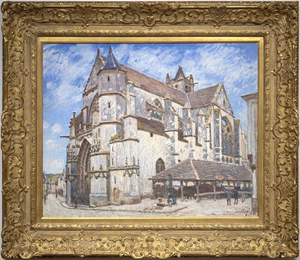
在法兰西岛与勃艮第之间,枫丹白露森林边缘,坐落着始建于12世纪的中世纪村庄卢瓦讷河畔莫雷。 1881年8月31日,阿尔弗雷德·西斯莱在致莫奈的信中将此地景致形容为"巧克力盒般的风景……",实则寄托着对这片土地的眷恋——城堡、城墙、教堂、防御性城门以及沿河而建的华美建筑立面,对画家而言堪称无可比拟的迷人画布。 古老教堂始终是塞纳河谷最醒目的城镇景观,正如柯罗笔下的维杜瓦,它同样成为西斯莱城镇画作中的重要元素。 但与莫奈不同——后者创作三十幅鲁昂大教堂画作,旨在追踪教堂立面光影变幻,捕捉瞬息万变的光线与氛围;西斯莱则致力于彰显卢瓦讷河畔莫雷圣母教堂的永恒本质。莫奈唯一关注的是空气与光线,而西斯莱的作品更像是献给教堂的纪念。 画作流淌着对建筑师与建造者的敬意——这座坚不可摧的建筑如中世纪般屹立至今,对我们而言,它将永恒矗立于时光长河。然而西斯莱仍试图通过一系列氛围变幻展现主题的动态面貌。 他为作品命名为《阳光下》《霜降时》《雨中》,并于1894年在战神广场沙龙以组画形式展出,这些因素表明他视其为系列诠释。 然而与莫奈的作品不同,《莫雷教堂之夜》揭示了西斯莱选择在强调构图属性的空间语境中呈现主题——左侧狭窄街道的俯冲透视、右侧建筑线条强烈的对角线后退形成平衡,以及视线上方石砌建筑的雄伟分量。

阿尔弗雷德·西斯利

19世纪70年代初,温斯洛-霍默经常在位于纽约州哈德逊河和卡茨基尔山之间的一个小农庄附近绘制乡村生活场景,该小农庄因其出色的麦田而世代闻名。今天,赫尔利因激发了荷马最伟大的作品之一--1872年夏天绘制的《鞭子的Snap》而更为著名。在其他许多受该地区启发的画作中,《站在麦田里的女孩》感情丰富,但没有过度感伤。它与1866年在法国画的一幅题为《在麦田里》的研究报告以及次年他回到美国后画的另一幅报告直接相关。但荷马无疑会对这幅作品感到最自豪。这是一幅肖像画,一幅服装研究画,一幅具有欧洲田园画伟大传统的风俗画,也是一幅戏剧性的逆光、大气的巡回画,浸透在迅速消逝的阴暗时刻的光线中,并带有羊脂玉般的花香和麦穗的点缀。1874年,荷马送了四幅画给国家设计学院的展览。其中一幅名为 "女孩"。难道不是这一幅吗?

温斯洛荷马

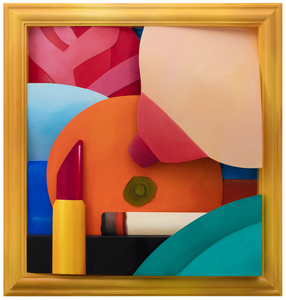
汤姆·韦塞尔曼是波普艺术运动的领军人物。他最令人瞩目的成就当属大型创作,其中《伟大的美国裸体》系列尤为著名——韦塞尔曼在该系列中将感性意象与日常物品相结合,并以大胆鲜明的色彩呈现。随着艺术实践的深化,韦塞尔曼突破传统画布框架,开始创作异形画布与铝板剪影,这些作品常兼具雕塑性素描的特性。 延续对尺度游戏的探索,韦塞尔曼开始聚焦构成裸体形象的身体局部。他创作了《嘴》系列与《卧室》系列,将特定元素而非全身肖像作为核心。2004年的《卧室乳房》融合了这些技法,在切割铝板上绘制鲜明色调。 这件作品是为私人收藏家住宅特别委托创作的。在创作此作之前,韦塞尔曼已酝酿多年将卧室乳房主题以油画形式呈现于立体切割铝板的构想。现任藏家认同韦塞尔曼的艺术理念,并热衷于将这一主题引入家中。此作堪称韦塞尔曼离世前完成的最后一件作品(若非唯一,亦属末期之作)。 本作品为同类创作中的唯一存在——从未出现过如此规模、如此图腾符号的立体铝板油画。  

托姆·韦塞尔曼

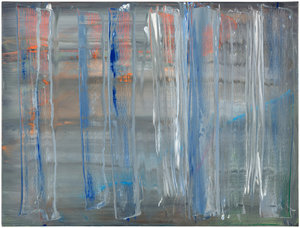
<div><font face=Lato size=3>Widely recognized as one of the most consequential artists of our time, Gerhard Richters career now rivals that of Picasso's in terms of productivity and genius. The multi-faceted subject matter, ranging from slightly out-of-focus photographic oil paintings to Kelly-esque grid paintings to his "squeegee" works, Richter never settles for repeating the same thought- but is constantly evolving his vision. Richter has been honored by significant retrospective exhibitions, including the pivotal 2002 show,  "Gerhard Richter: Forty Years of Painting," at the Museum of Modern Art, New York.    "Abstraktes Bild 758-2" (1992) comes from a purely abstract period in Richter's work- where the message is conveyed using a truly physical painting style, where applied paint layers are distorted with a wooden "Squeegee" tool. Essentially, Richter is sculpting the layers of paint, revealing the underlayers and their unique color combinations; there is a degree of "art by chance". If the painting does not work, Richter will move on- a method pioneered by Jackson Pollock decades earlier.    Richter is included in prominent museums and collections worldwide, including the Tate, London, The Museum of Modern Art, New York, and the San Francisco Museum of Modern Art, among many others.</font></div>

格哈德·里希特

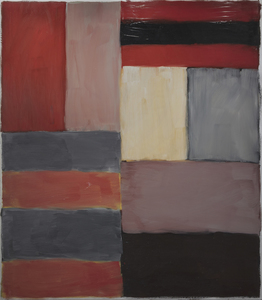
爱尔兰裔美国艺术家肖恩·斯库利的标志性色块与条纹创作,其参照框架极为广阔。从马列维奇"几何可成为普世理解媒介"的核心理念,到罗斯科对色彩的激情运用与戏剧性崇高感的呈现,斯库利从中领悟到如何将自然世界的壮丽凝练为色彩、光影与构图的简约形态。 1945年生于都柏林、在伦敦长大的斯库利,在1969年为追寻精神导师马蒂斯的艺术精髓而造访摩洛哥时,已具备扎实的具象绘画功底。绚丽的镶嵌马赛克与浓彩织物令他沉醉,由此开启了绘制色彩网格与条纹的创作历程。 后续的艺术探索持续激发灵感:玛雅遗址反光表面与巨石阵古石板上强烈的光影变幻,将光感、空间与几何动感注入斯库利的画作。 在斯库利的画作中追溯旅行印记的能力,再次印证了抽象艺术作为现实体验试金石的价值。《灰红》以浓郁深邃的色调与层次丰富的微妙表面呈现,既充满诗意又洋溢着强劲的形式主义。斯库利恰当地将这些基本形态称为"砖块",暗示着建筑师般的形式计算。 正如他所阐释:"我从街巷门廊、楼宇间窗棂、以及曾充满生机的建筑遗迹中捕捉到的关系,皆融入我的创作。我运用这些色彩与形态进行组合,或许能唤起观者某种模糊的记忆,却又难以确切言明"(戴维·卡里尔《肖恩·斯库利》2004年版,第98页)。 他的创作方式充满机缘性,少有固定模式;画家凭直觉将色彩层层叠加,使对比色调在潜意识层面激荡出能量。其对光辉的追求令人联想到迪本康。 然而在此,《灰红》中赭红、灰、褐灰与黑交织的炽烈色带,却迸发出深沉炽烈的能量,唤起远超预期的震撼激情。正如挚友波诺所言:"肖恩面对画布时,宛如踢拳手、泥瓦匠、建筑工。画作的质感呐喊着生命在燃烧。"

塞恩·斯卡利

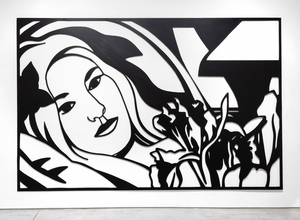
汤姆·韦塞尔曼无疑将因将情色主题与美国国旗的色彩相融合而被铭记。但韦塞尔曼作为素描家的天赋同样卓绝,线条始终是他创作的核心——先是作为漫画家,后成为马蒂斯的狂热崇拜者。他开创性地将素描转化为激光切割钢制壁面浮雕,这一突破堪称艺术启示。 他日益专注于纯粹的绘画创作,沉醉于这种新媒介可被提起把玩的特性:"这简直像能从纸上摘取纤细的线条画。"《钢板素描》系列在艺术界引发热议与困惑。1985年惠特尼美国艺术博物馆购入其中一件开创性作品后,竟致信韦塞尔曼询问该归类为素描还是雕塑。 这件作品引发的轰动如此之大,以至于埃里克·菲施尔初次造访韦塞尔曼工作室见到钢雕作品时,竟心生嫉妒。他渴望尝试却不敢涉足——显然"汤姆已完全掌握这项技艺"。韦塞尔曼的技法精髓,很大程度上源于他与金属加工师阿尔弗雷德·利平科特长达一年的合作。 1984年,两人共同研发出激光切割钢材的方法,这种技术精准度恰好能呈现他素描的即兴感。韦塞尔曼称这是"我生命中最美好的一年",他欣喜于这种技术带来的突破——此前使用铝材时,每个形状都需手工切割,他始终未能完全实现理想效果。"我预见到用钢材重现素描会多么令人兴奋。我能亲手捧着它, 能拎着线条举起它……实在令人心潮澎湃……近乎狂喜的体验,总之新作确实抓住了我的灵魂。"《卧室中的棕发女子与鸢尾花》作为钢板素描杰作,虽尺寸恢弘,却通过严谨的裁切营造出不显突兀的亲密感,同时保持了自由奔放的创作特质。 人物伸展的双臂与肢体交织着花瓣及室内元素,形成黑色线条与墙面留白构成的流动探索轨迹,令人联想到马蒂斯众多横卧的奥达丽斯克画作。 韦塞尔曼常通过单色调实验探索色彩如何将混合媒介作品转化为新型钢版画。此作延续了《卧室金发女郎与鸢尾花》(1987)的构图,先以彩色钢版再现,后于1993年发展为炭笔与粉彩纸本的大型素描。

托姆·韦塞尔曼

<div><font face=Lato size=3 color=black>Irving Norman conceived and created <span style='font-style: italic;'>The Human Condition</span> at a time when he must have reflected deeply on the totality of his life. Given its grand scale and cinematic treatment, it impresses as a profound culmination of his artistic journey, synthesizing decades of themes, insights, and experiences into a single monumental work. A man of great humility and an artist of uncommon skill, he translated a horrendous war experience into impactful allegories of unforgettable, often visceral imagery. He worked in solitude with relentless forbearance in a veritable vacuum without fame or financial security. Looking to the past, acutely aware of present trends, he knew, given the human predicament, he was forecasting the future. As one New York Times reviewer mused in 2008, "In light of current circumstances, Mr. Norman's dystopian vision may strike some…as eerily pertinent," an observation that recalled recent events.<br></font></div><div><font face=Lato size=3 color=black>Irving Norman's figures, manipulated by their environment and physical space, are of a style that exaggerates the malleability of the human form to underscore their vulnerability and subjugation. This literal and symbolic elasticity suggests that these figures are stretched, compressed, or twisted by the forces of their environment, emphasizing their lack of autonomy and the oppressive systems that govern their existence. While these figures reflect vulnerability, Norman's structural choice in <span style='font-style: italic;'>The Human Condition</span> creates a stark juxtaposition that shifts attention toward the central tableau. A commanding female figure, rising above the calamitous failures and atrocities of the past, is joined by a man, forming a symbolic "couple,” suggesting the unity and shared responsibility of a new vision. Their hands, magnified and upturned, present these children as a vision offering hope and renewal for the future. The gesture, combined with the futuristic clothing of the diminutive figures, reinforces the idea of an alternative path—a brighter, forward-looking humanity. The central tableau acts as a metaphorical offering, inviting the viewer to consider a future untouched by the weight of darkness from which these figures emerge.<br></font></div><div><font face=Lato size=3 color=black>Here, Norman underscores a hopeful, if not optimistic, vision for generations ahead. The structural decision suggests a deliberate shift in focus: the darker scenes relegated to the sides represent the burdens, past and present. At the same time, the central figures embody the potential for a future shaped by resilience and renewal. This juxtaposition distinguishes <span style='font-style: italic;'>The Human Condition</span> as a reflection of Norman's later years, where a tempered hope emerges to claim the high ground over the war-mongering, abject corruption, frantic pleasure-seeking, and the dehumanizing effects of modern society.<br></font></div><div><font face=Lato size=3 color=black>Throughout his long career, Norman stood tall in his convictions; he turned, faced the large, empty canvases, and designed and painted complex, densely populated scenes. As for recognition, he rationalized the situation—fame or fortune risked the unsullied nature of an artist's quest. Ultimately, <span style='font-style: italic;'>The Human Condition</span> is a summation of Norman's life and work and a call to action, urging us to examine our complicity in the systems he so vividly depicted. Through meticulous craftsmanship and allegorical intensity, it is a museum-worthy masterwork that continues to resonate, its themes as pertinent today as they were when Norman painstakingly brought his vision to life.</font></div>

欧文·诺曼

TOM WESSELMANN - 1962 加上 35 裸体素描 II - 画布上的醇酸油 - 43 x 58 5/8 in.

托姆·韦塞尔曼